

Painted Bird Ceramics
Painted bird ceramics span centuries of porcelain and earthenware production, offering intricate avian motifs that bring historical artistry into domestic spaces.
Painted Bird Ceramics
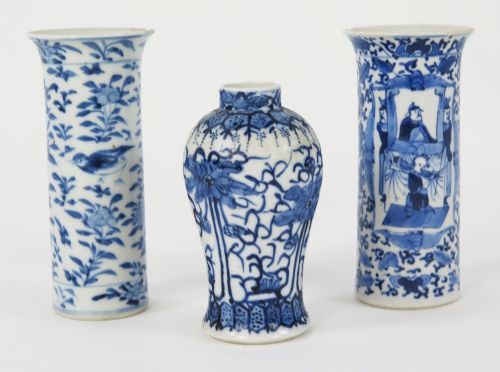
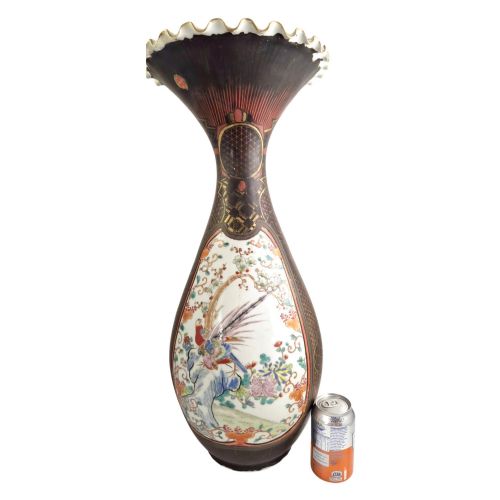
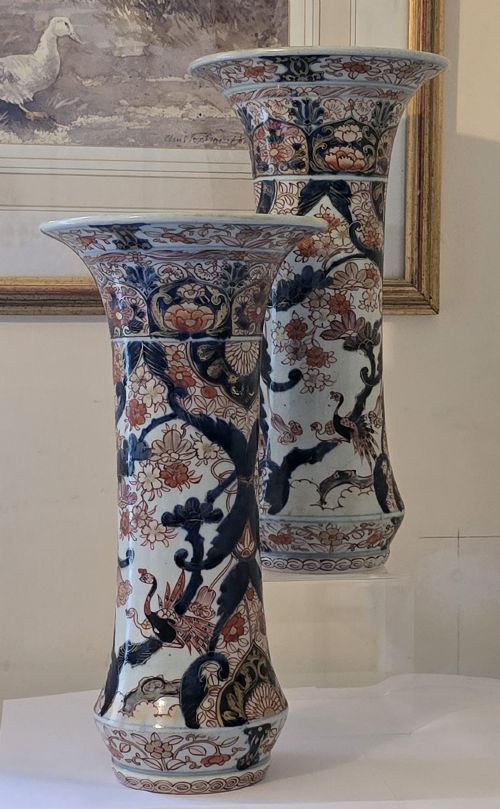
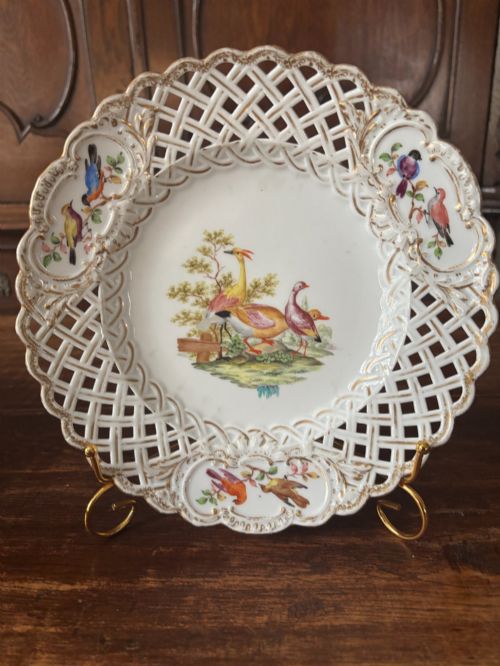
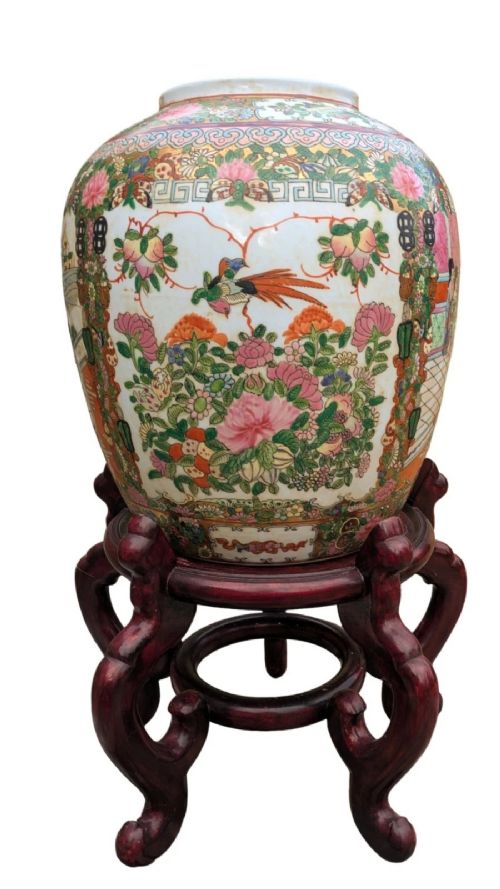
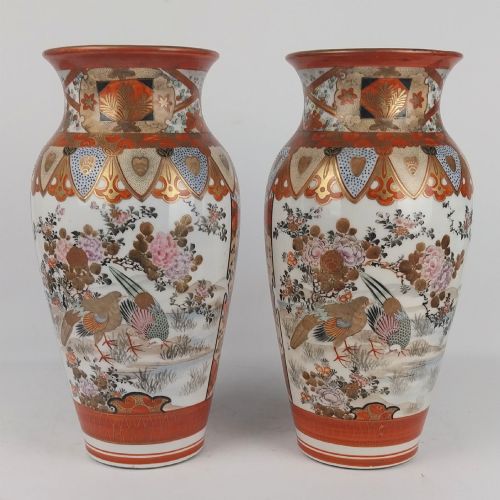
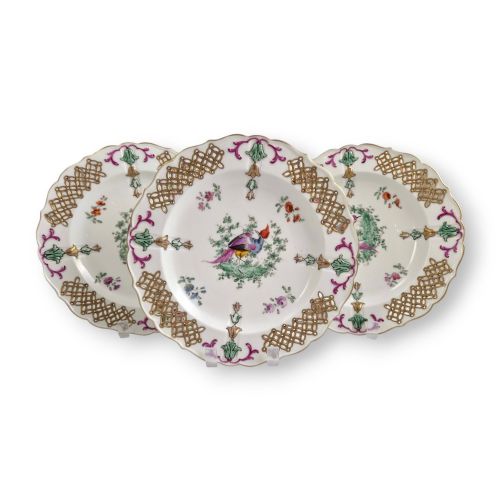
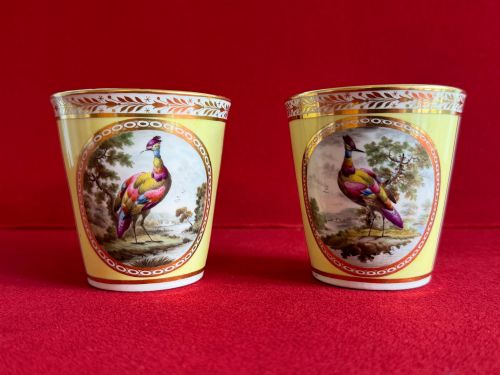
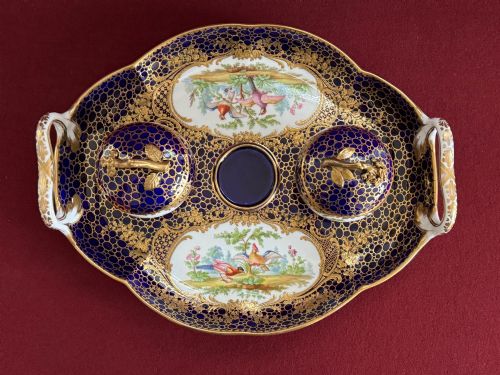
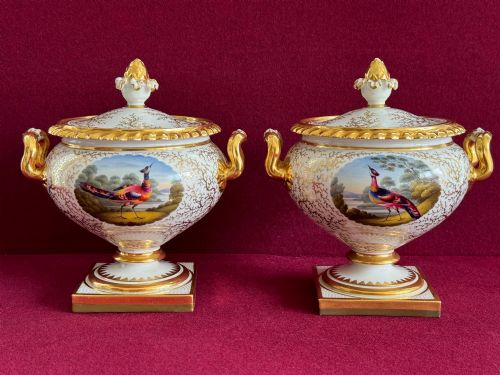
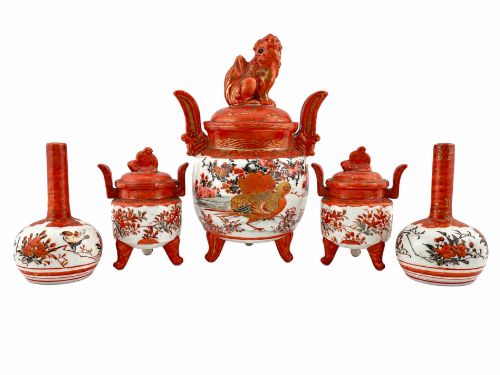
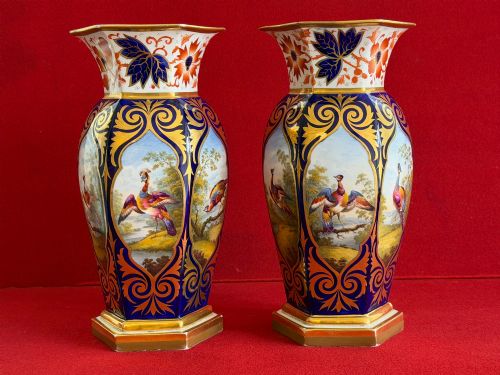
Painted bird ceramics encompass a diverse array of decorative and utilitarian vessels, from plates and jardinieres to garniture sets and figurines, originating in European and Asian traditions. Buyers encounter items ranging from Georgian and Regency English porcelain to Japanese Meiji period satsuma and imari wares.
The objects serve primarily as decorative accents, capturing ornithological subjects through detailed brushwork and enamel decoration across centuries including the eighteenth, nineteenth, and early twentieth periods.
How they were made
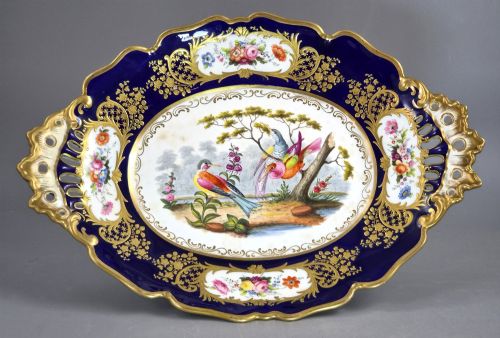
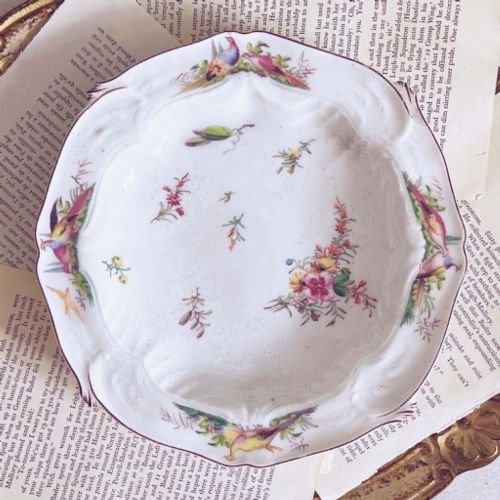
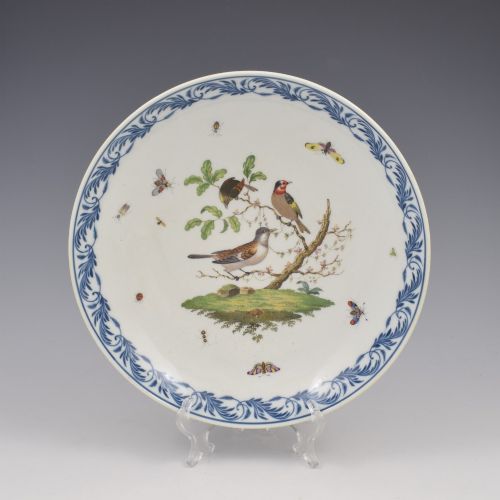
Potters shaped ceramic, porcelain, earthenware, and tin-glazed earthenware bodies before applying complex glazes and pigments. Artisans utilised hand-painted enamels, cobalt blue underglazes, and polychrome detailing to depict avian subjects.
Finishing techniques often incorporated gold leaf and gilding to highlight rims, handles, and structural elements of vases, plates, and tureens.
Painted Bird Ceramics Retail Price Guide 2026
Typical asking prices for painted bird ceramics among the pieces listed under this phrase on Sellingantiques today, from the lower quarter to the upper quarter. They describe what is for sale here now, not the wider market.
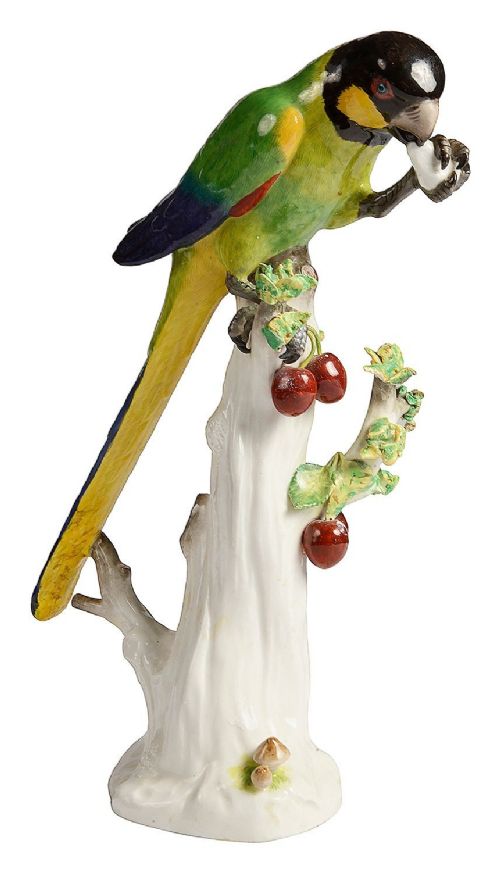
Several Meissen and Minton pieces immortalise distinctly grumpy-looking parrots perched permanently on ceramic tree trunks.
What varies in quality
The fineness of the hand-painted brushwork distinguishes superior examples, particularly in the rendering of plumage and anatomical detail on avian subjects. Firmer control of polychrome enamels and precise application of gilding indicate higher workshop standards.
The reputation of the manufactory or maker, alongside the crispness of the porcelain or ceramic moulding, influences the standing of individual pieces within historical periods.
Minton Porcelain·Flight Barr And Barr·Royal Worcester·Kato Sanhei
The Painted Bird Ceramics Glossary
- Garniture
- A set of matching ceramic vessels, typically vases or jars, designed for symmetrical display on a mantelpiece or cabinet. These sets often comprise three to five pieces.
- Jardinieres
- Large ornamental pots or stands intended to hold flowering plants or foliage. They frequently feature detailed painted scenes matching domestic ceramic styles.
- Imari
- A style of Japanese porcelain characterised by underglaze blue, iron red, and gold ornamentation. The palette creates dense patterns often incorporating birds and floral motifs.
- Polychrome
- Decoration employing multiple distinct colours applied in enamel or glaze. This technique allows for realistic depiction of bird plumage.
- Sancai
- A traditional Chinese three-colour glaze technique used predominantly on earthenware during earlier periods. It creates mottled green, amber, and cream effects.
Painted Bird Ceramics: Frequently Asked Questions
How do I display antique painted bird ceramics?
Display these pieces in stable environments away from direct sunlight to preserve delicate enamel colours and gilding.
Utilise secure brackets for wall plates or dedicated cabinets for delicate vases and figurines to prevent accidental damage.
Were these ceramic birds used daily?
Many items like plates, tureens, and cups served functional dining purposes in Georgian and Victorian households.
Larger garniture sets and jardinieres were strictly decorative, intended to signal status and taste in principal rooms.
How do I identify the period of a ceramic piece?
Examine the base for factory marks, pattern numbers, or artist signatures that correlate with historical production dates.
Consider the paste, glaze characteristics, and stylistic conventions such as Aesthetic movement or Rococo revival influences.
What is the difference between porcelain and earthenware?
Porcelain is fired at higher temperatures, producing a vitrified, non-porous white body that often rings when struck.
Earthenware is coarser, fired at lower temperatures, and requires a glaze like tin-glaze to achieve an impermeable surface.