






Painted Bedroom Armchairs
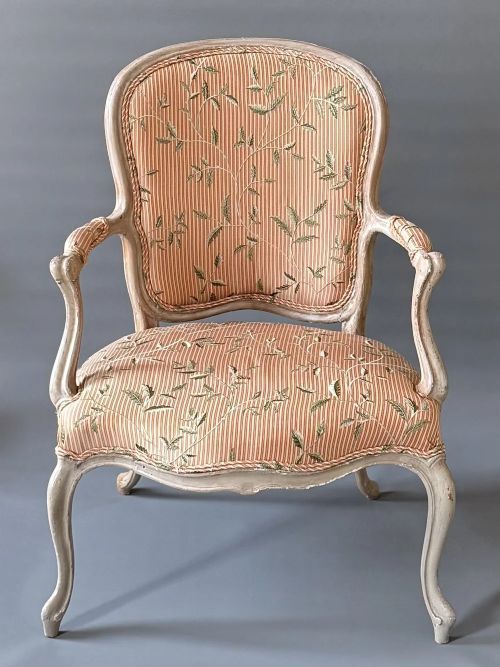
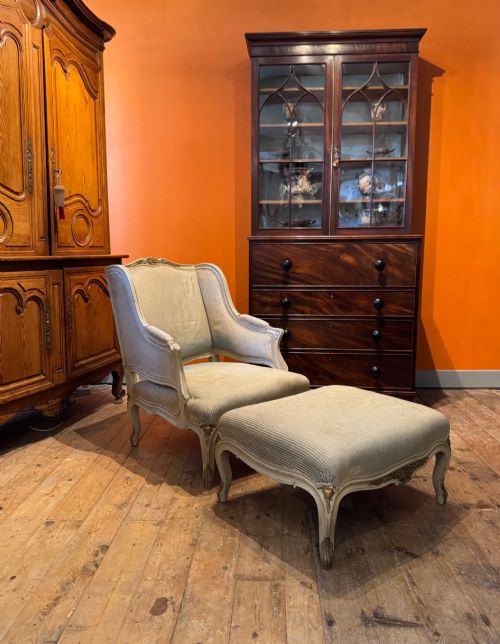
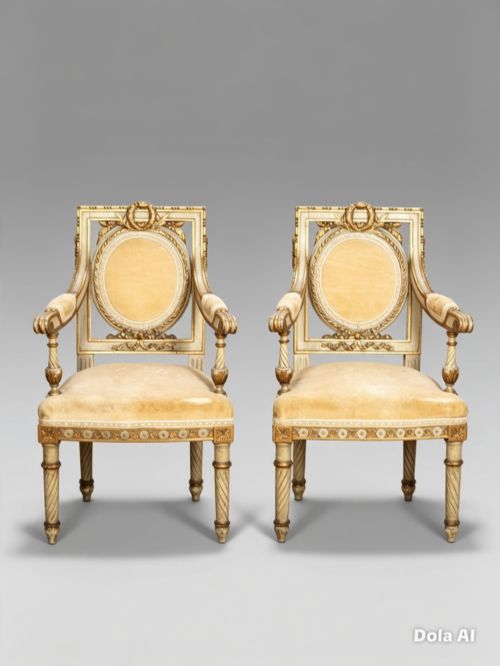
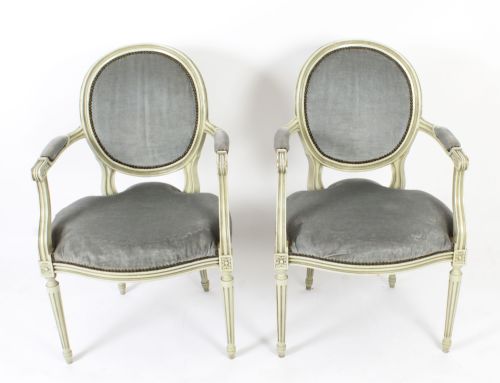
These painted bedroom armchairs are decorative seating options from the eighteenth, nineteenth, and early twentieth centuries that bring colour and historic character to a sleeping space.
Painted Bedroom Armchairs
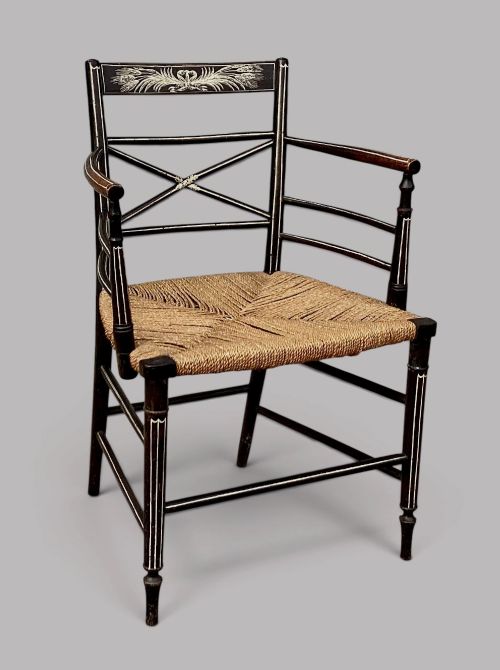
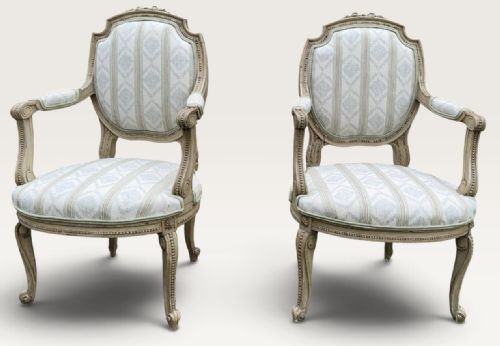
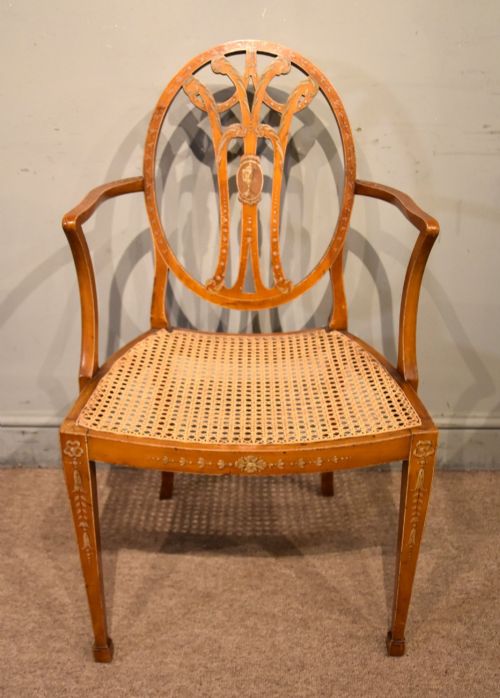
When you search for painted bedroom armchairs, you encounter a variety of regional and revival styles spanning several centuries of interior design. The selections range from Regency and Georgian forms to later French Louis XV and Louis XVI revival pieces.
Most examples found in these listings take the form of open armchairs or bergere chairs, often originating from French and English workshops. They frequently feature decorative paintwork, original finishes, or later embellishments applied to timber frames.
Many of these seating options incorporate upholstered components, ranging from simple fabric pads to needlepoint panels. You also find pairs designed for salon or bedroom placement, showcasing styles such as Chinoiserie and faux bamboo.
How they were made
The makers of these chairs utilised a variety of woods including beech, walnut, satinwood, and general timber framing to construct sturdy seating structures. These frames were then shaped with carved details before receiving decorative paint finishes, gilding, or ebonisation.
Upholstery techniques involved integrating materials such as fabric, velvet, and cane into the seats and backs for comfort. Artisans frequently applied painted decoration directly onto the wood, sometimes preserving original surface patination over generations.
Painted Bedroom Armchairs Retail Price Guide 2026
Typical asking prices for painted bedroom armchairs among the pieces listed under this phrase on Sellingantiques today, from the lower quarter to the upper quarter. They describe what is for sale here now, not the wider market.
Children occasionally received their own diminutive painted salon chairs, ensuring even the youngest family members sat in miniature French luxury.
What varies in quality
The distinction between standard and superior pieces often lies in the integrity of the painted surface and whether the finish remains original to the period. Chairs retaining undisturbed early paintwork command greater interest among collectors seeking authentic historic character.
Another measure of quality is the refinement of the carved woodwork and the harmony of the chosen style, such as balanced proportions on Regency or Louis XV revival frames. The precision of hand-painted decorative motifs and the quality of integrated cane or upholstery work also elevate certain examples above simpler counterparts.
The Painted Bedroom Armchairs Glossary
- Bergere
- An enclosed upholstered armchair with closed sides, typically featuring cane or upholstered panels. This French seating form became popular for relaxed lounging in domestic interiors.
- Chinoiserie
- European decorative style reflecting Chinese artistic influences, often seen on painted furniture surfaces. It incorporates whimsical motifs and decorative scenes.
- Duchesse Brisée
- A multi-part chaise longue comprising an armchair and matching footstool, sometimes combined with a secondary stool to form a complete daybed. This luxurious French form was designed for elegant repose.
- Fauteuil
- An open-arm armchair with upholstered back and seat, featuring exposed wooden framing. The arms typically have padded elbow rests.
- Gilding
- The application of gold leaf or gold paint to a wooden surface to create a decorative metallic finish. It enhances the visual elegance of formal salon and bedroom seating.
- Regency
- An English design style dating from the early nineteenth century, characterised by classical motifs and refined lines. Furniture from this period often draws inspiration from ancient Greek and Roman forms.
Painted Bedroom Armchairs: Frequently Asked Questions
Where were these chairs used historically?
These seating pieces were typically placed in private chambers, boudoirs, and dressing rooms rather than formal ground-floor reception spaces. They provided comfortable and decorative seating for personal use.
Over time, owners also positioned smaller salon chairs in upper-level drawing rooms and guest chambers to complement coordinated interior schemes and provide flexible seating.
How do I identify French revival styles?
French revival pieces often draw upon the curved lines of Louis XV design or the straighter, neoclassical geometry associated with Louis XVI. Look for characteristic carved motifs, cabriole legs, or shield backs.
Many examples date from later nineteenth or early twentieth-century revivals rather than the actual reigns of those monarchs, utilising period decorative techniques.
Can I use these chairs in a modern bedroom?
These armchairs fit well into contemporary sleeping spaces, serving as decorative accents beside a dressing table or in an empty corner. Their painted wooden frames add historic charm and texture to neutral modern interiors.
When pairing them with modern furnishings, consider the scale of the open arms and the height of the backrest to ensure it suits your room layout.