





Padded Seat Desk Chair
A padded seat desk chair offers solid seating for daily work, drawing from Georgian, Victorian, and Edwardian designs.
Padded Seat Desk Chair
A padded seat desk chair is a practical seating option designed for study and writing, appearing in styles ranging from early walnut forms to later revolving office models. These pieces bridge the gap between formal reception furniture and functional working seats.
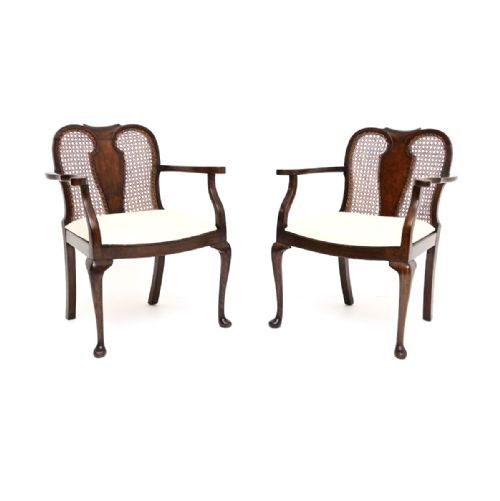
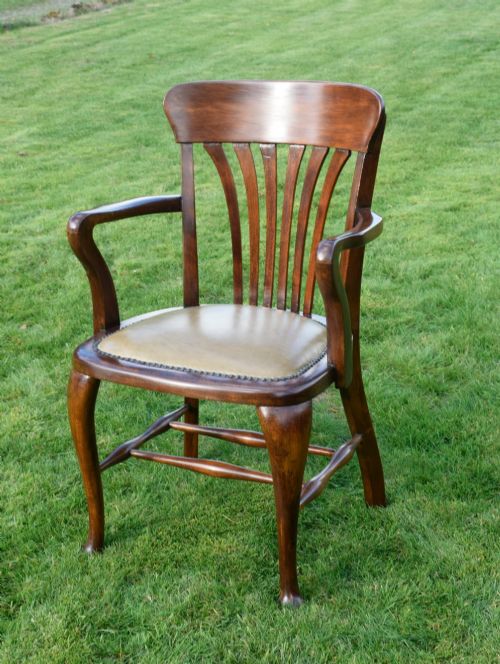
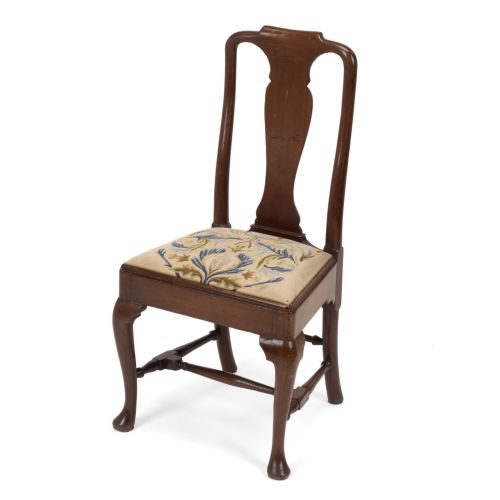
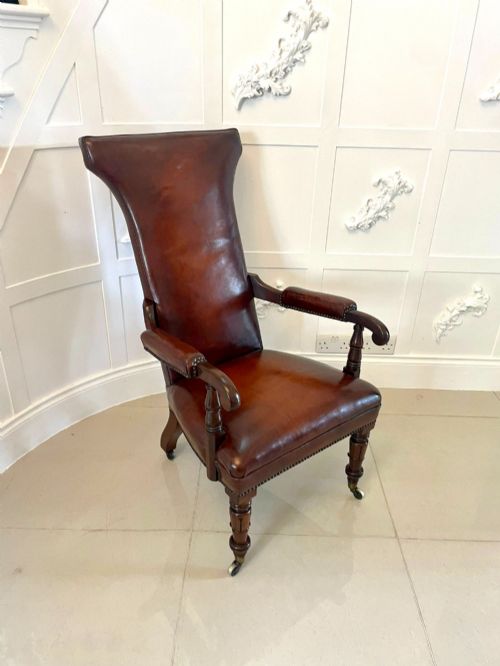
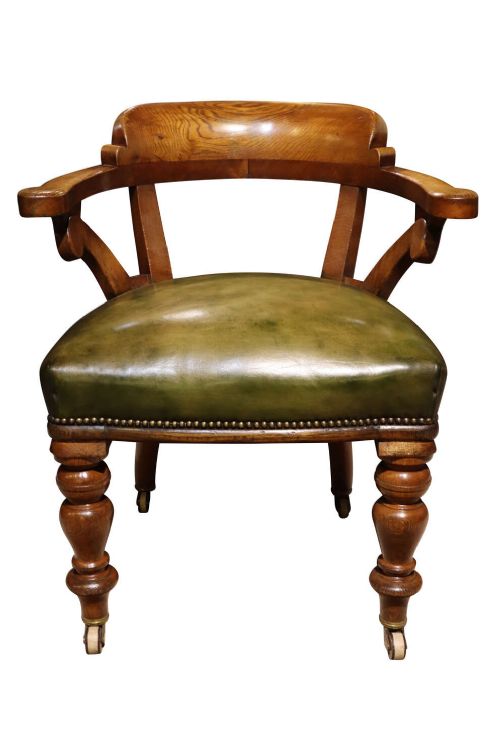
Buyers will encounter various incarnations on this page, including 18th-century mahogany study chairs, Victorian library armchairs in green leather, and early 20th-century oak revolving chairs. The selection spans centuries of cabinet-making, reflecting changing demands for comfort at a desk.
Origins stretch across English workshops from the Georgian period through to the Edwardian era, alongside occasional continental revivals. Each specimen provides a tangible link to domestic and professional workspaces of the past.
How they were made
Construction relies heavily on dense timbers such as mahogany, walnut, and oak, selected for structural integrity and durability under daily use. Cabinet-makers shaped these woods using traditional joinery, incorporating carved splats, curved arms, and supportive frames.
Padded Seat Desk Chair Retail Price Guide 2026
Typical asking prices for padded seat desk chair among the pieces listed under this phrase on Sellingantiques today, from the lower quarter to the upper quarter. They describe what is for sale here now, not the wider market.
Unusual variants include a cockfighting chair designed with a straddling seat and an integrated reading rest.
What varies in quality
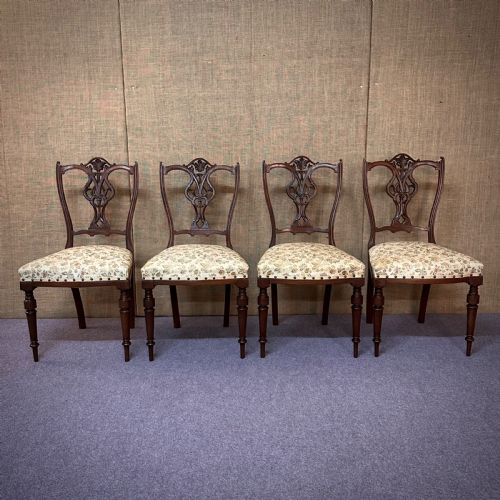
The standard of a padded seat desk chair depends largely on the fidelity of the timber selection and the depth of the carver's skill. Finer examples display crisp carving on splats and arms, alongside superior grain matching in the mahogany or walnut.
Integrity of the original framework and the quality of the upholstery stuffing also dictate the tier of the piece. Untouched original leather or period needlework elevates a chair above those with later, unsympathetic replacements.
Hille·Daws
The Padded Seat Desk Chair Glossary
- Splat
- The vertical central strip of wood in the back of a chair. It provides structural support and often bears carved ornamentation.
- Carver chair
- An armchair, typically designed for use at the head of a dining table or as a study seat. These pieces feature substantial armrests integrated into the frame.
- Gainsborough chair
- A type of upholstered armchair with an open-padded arm design originating in the mid-18th century. They provide wide, comfortable seating suited for a library or writing desk.
- Needlework
- Hand-stitched textile work utilised for seat covers. This decorative technique often employs wool or silk threads on a canvas ground.
- Revolving chair
- A swivel seat mounted on a central pivot, commonly associated with late 19th-century and early 20th-century office furniture.
Padded Seat Desk Chair: Frequently Asked Questions
Can I use an antique desk chair daily?
These pieces were built for regular work using robust timbers like mahogany and oak. Many buyers sit in them daily without issue.
It remains wise to check the joints and internal padding to ensure the structure supports modern use safely.
What is the difference between a library chair and a desk chair?
Library chairs often feature generous leather padding and wider arms intended for prolonged reading sessions. Desk chairs lean towards compact wooden frames or revolving mechanisms.
Both categories overlap significantly in historic listings, serving similar study functions.
How do I identify a Georgian desk chair?
Georgian examples typically employ rich mahogany or walnut, showcasing restrained carving and classic proportions. Look for period details like vase-shaped splats or cabriole legs.
These pieces date from the 18th century and carry distinct patination acquired over generations.
Are revolving desk chairs modern inventions?
Swivel and revolving mechanisms appear on office and study chairs from the late 19th century and the Edwardian period onwards. Makers combined traditional timber frames with metal hardware to aid mobility.
These early office seats provide mechanical function alongside period aesthetics.