
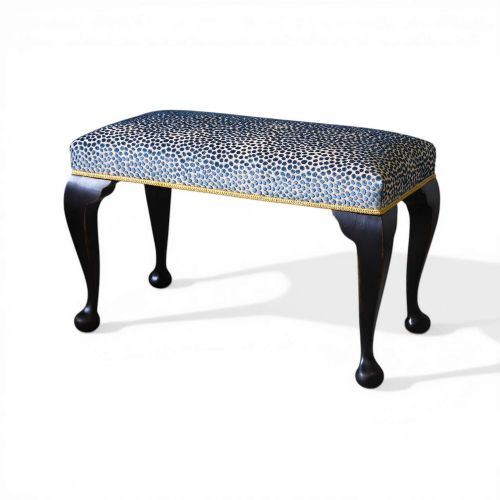


Padded Dressing Table Bench
A padded dressing table bench offers a practical seat for daily routines, combining supportive upholstery with period woodwork.
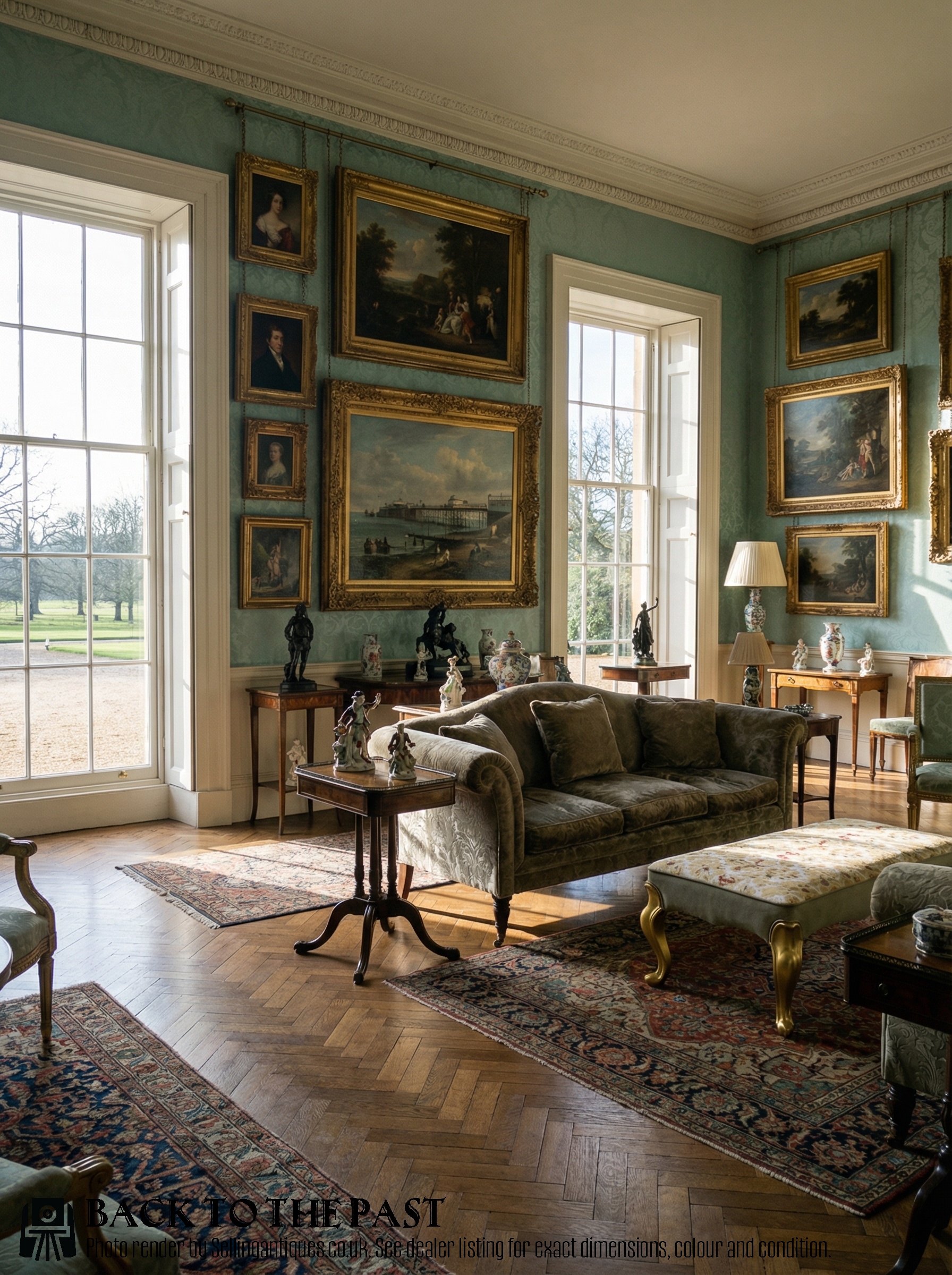
Padded Dressing Table Bench
A padded dressing table bench provides a low seat designed for use at a dressing table or vanity, frequently appearing under related forms such as piano stools, window seats, and footstools. These pieces range from compact single seats to longer benches intended for domestic chambers.
The selections span the nineteenth century through the Edwardian period and the 1930s, encompassing Victorian, Edwardian, Art Deco, and Arts and Crafts styles. Walnut and mahogany frame designs predominate, often carrying upholstered tops in fabric, leather, or velvet.
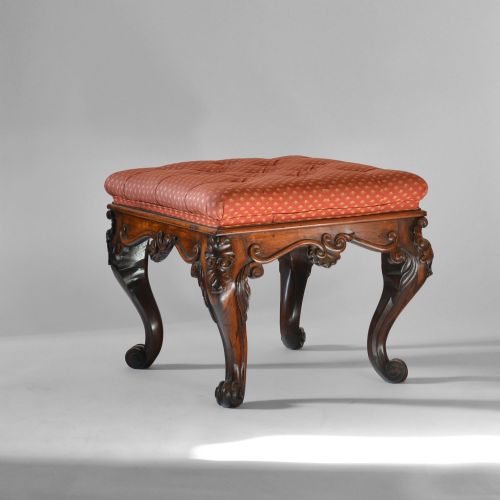
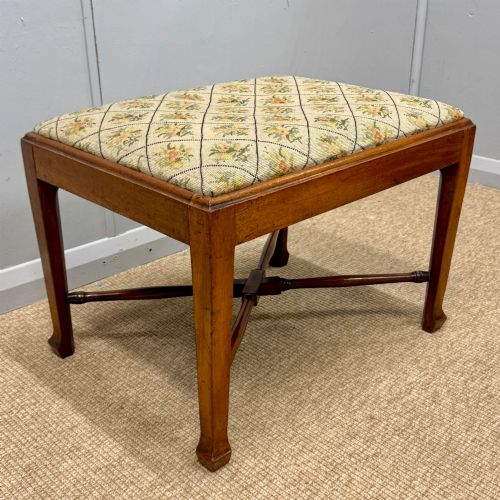
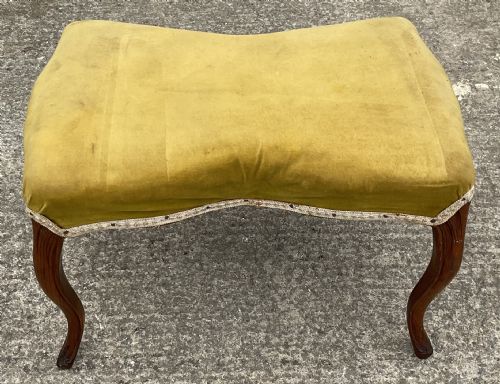
Buyers frequently encounter variations involving cabriole legs, turned supports, cross stretchers, and carved details. The seating surfaces display diverse textile treatments, including needlepoint, tapestry, buttoning, and contemporary fabric covers.
How they were made
Frames are constructed from hardwoods such as walnut, mahogany, rosewood, and oak, alongside ebonised, gilded, and painted finishes. Cabinetmakers shaped these timbers into cabriole legs, twisted rope supports, and turned structures.
Upholstery techniques involve padded seats secured over wooden foundations, utilising materials like leather, velvet, tapestry, and fabric. Brass components appear in castors and hardware fittings, while decorative touches include deep buttoning and needlepoint work.
Listings feature woods such as walnut, mahogany, rosewood, and oak, alongside upholstery in velvet, leather, tapestry, and needlepoint.
What varies in quality
The refinement of the timber carving and the integrity of the frame construction distinguish the pieces. Finer examples exhibit carefully proportioned cabriole legs, claw and ball feet, or detailed inlays rather than plain structural joinery.
The execution of the upholstery and the choice of covering material dictate the visual impact. Pieces retaining specialised needlepoint, buttoned velvet, or quality leather sit at a different level from standard fabric coverings.
The Padded Dressing Table Bench Glossary
- Cabriole leg
- A furniture leg that curves outward and then tapers inward, mimicking an animal's leg. This form is common on Victorian and Queen Anne style mahogany and walnut frames.
- Cross stretcher
- An X-shaped wooden brace connecting the legs beneath a stool for added stability. These supports appear on various nineteenth-century and later seating.
- Deep buttoning
- An upholstery technique where twine pulls the fabric deep into the padding to form a patterned grid of indentations. This method provides a firm, tailored surface.
- Giltwood
- Wood that has been coated with gold leaf or gold paint. This finish appears on decorative nineteenth-century frames.
Padded Dressing Table Bench: Frequently Asked Questions
What is a padded dressing table bench used for?
These benches provide a dedicated seat for grooming and dressing tasks in a bedroom or dressing room. Their compact proportions allow them to tuck neatly beneath tables when not in use.
Beyond dressing rooms, similar forms function as piano stools or window seats in living spaces. Their upholstered tops ensure comfort during extended periods of sitting.
How do I identify a Victorian stool?
Victorian pieces often feature robust mahogany or walnut frames with cabriole legs, turned supports, or castors. Deep buttoned upholstery and carved details are typical of the period.
Construction methods from this era generally rely on solid hardwoods and traditional joinery. Stamped maker marks are uncommon, but material quality points to nineteenth-century production.
What is an Art Deco dressing table stool?
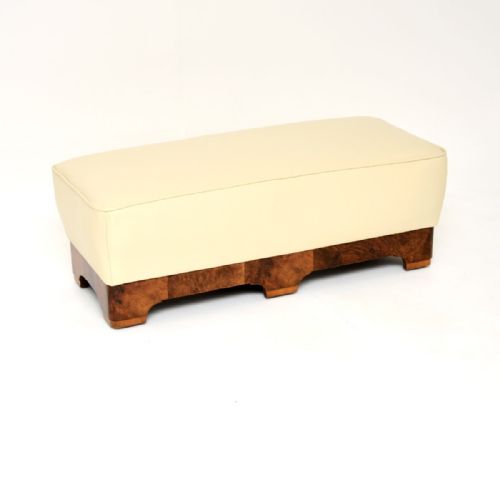
Art Deco examples, dating around the 1930s, favour clean geometric lines and burr walnut veneers. They frequently feature smooth leather or cream upholstery.
These pieces reflect a shift away from ornate Victorian carving toward streamlined modernism. The forms remain functional while embracing the decorative tastes of the interwar period.
Are these benches suitable for modern homes?
Their modest size makes them adaptable seating options for hallways, bedrooms, and living rooms. They integrate easily beside dressing tables, pianos, or low windows.
Many pieces combine historic wooden frames with refreshed upholstery fabrics, blending period character with contemporary interior schemes.