



Padded Arm French Chairs
Padded arm french chairs bring effortless continental elegance to a room, offering deep comfort wrapped in historic craftsmanship.
Padded Arm French Chairs
Padded arm french chairs span centuries of seating design, drawing heavily on periods from the seventeenth through to the early twentieth century. These armchairs and settees showcase distinct regional and stylistic traits, with continental seating traditions prominent among the selections.
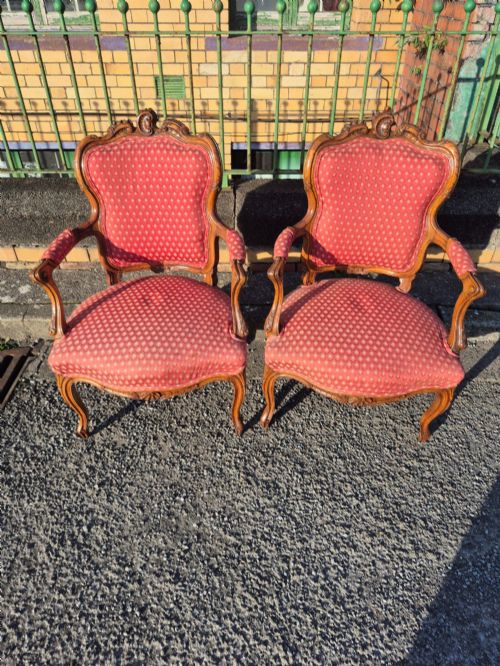
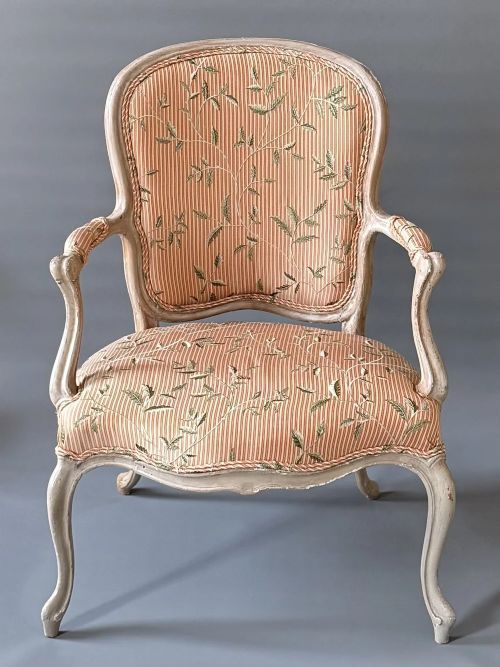
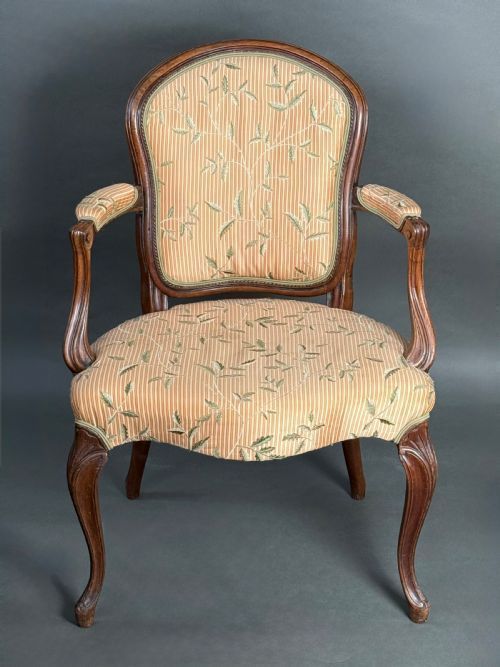
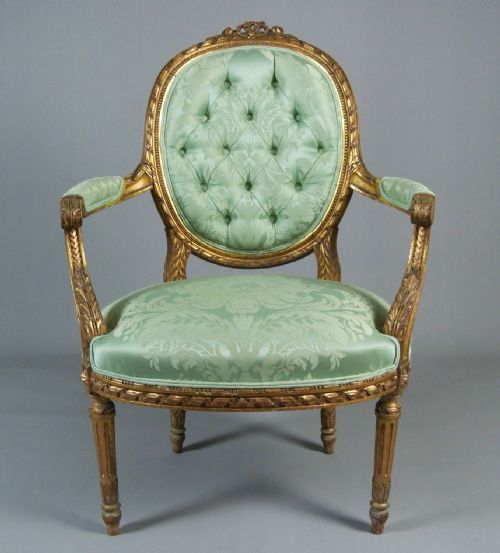
The pieces appearing here lean strongly towards classic French forms, including Louis XV and Louis XVI style armchairs alongside revival pieces and regional walnut or beech creations. Buyers frequently encounter upholstered armchairs featuring exposed carved woodwork alongside padded supports designed for rest.
How they were made
Makers shaped these frames from dense hardwoods such as walnut, beech, and rosewood, often applying giltwood or original paint finishes to the exposed timber. Carvers worked intricate details directly into the wood along the crest rails, cabriole legs, and arm supports.
Upholstery involved stuffing the seats and padded arms with traditional materials before securing them with fine textiles including silk damask and patterned fabric. Brass details occasionally reinforced the construction or decorated the external surfaces of the chairs.
Padded Arm French Chairs Retail Price Guide 2026
Typical asking prices for padded arm french chairs among the pieces listed under this phrase on Sellingantiques today, from the lower quarter to the upper quarter. They describe what is for sale here now, not the wider market.
Listings feature beech and walnut frames alongside silk damask upholstery, representing seventeenth, eighteenth, and nineteenth-century traditions.
What varies in quality
The refinement of the wood carving dictates much of the visual hierarchy, distinguishing deeply sculpted, fluid organic lines from simpler, mechanical shaping. Crisp detailing on the floral motifs and structural joints reveals the hand of a skilled maker.
The choice and execution of the upholstery material elevate the piece, particularly when historical textiles like silk damask or specialist patterned fabrics integrate seamlessly with the frame. Original paint finishes or well-preserved giltwood surfaces further influence the character and integrity of the seating.
Thomas Chippendale·Colefax and Fowler
The Padded Arm French Chairs Glossary
- Fauteuil
- An open-armed upholstered armchair with exposed wooden sides, originating in France. These chairs typically feature carved frames and padded armrests.
- Bergere
- A closed-arm upholstered armchair with an enclosed upholstered or cane panel beneath the padded armrests. This form prioritises deep cushioned comfort.
- Giltwood
- Wood that has been treated with a thin layer of gold leaf or gilt powder. It creates a brilliant reflective surface popular in formal continental furniture.
- Damask
- A reversible figured fabric woven on a jacquard loom, featuring patterns formed by contrasting warps and wefts. It adds rich texture to historic seating.
- Cabriole leg
- A furniture leg that curves out and then narrows inward, typically ending in a pad or scroll foot. This shape mimics the leaping posture of an animal.
Padded Arm French Chairs: Frequently Asked Questions
What defines a french armchair?
French armchairs typically feature exposed wooden frames made from walnut or beech, paired with upholstered seating and padded armrests designed for comfort. Their silhouettes often follow historical periods such as the Louis XV or Louis XVI styles.
These chairs combine decorative wood carving with traditional textiles, creating seating that functions both as a practical seat and a decorative focal point.
Where should I place these chairs?
These chairs suit reception rooms, bedrooms, or reading corners where their decorative woodwork and upholstered frames can be appreciated. Pairs work particularly well flanking a fireplace or positioned opposite a sofa.
Consider the scale of the room and the height of the arms to ensure the seating fits comfortably within your existing furniture arrangement.
How do I care for antique upholstery?
Protect delicate textiles like silk damask and patterned fabrics by keeping them away from direct sunlight to prevent fading. Regular gentle vacuuming with a soft brush attachment removes surface dust without damaging the fibres.
Professional cleaning is recommended for historic fabrics to maintain the integrity of the material and the internal padding.
Can I mix different periods together?
Mixing pieces from the seventeenth, eighteenth, and nineteenth centuries adds depth and character to an interior rather than striving for strict period accuracy. Revival pieces from the Victorian era sit comfortably alongside earlier designs when unified by similar wood tones or complementary upholstery.
Balance heavier carved walnut frames with lighter painted pieces to create a dynamic and visually interesting room scheme.