



Pad Foot Accent Table
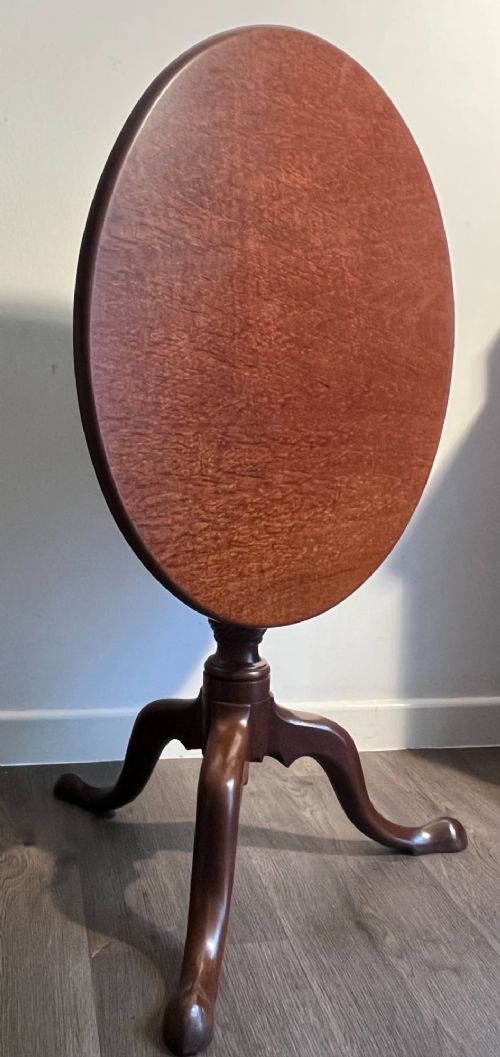
A pad foot accent table brings eighteenth-century proportion and warm timber to a room, offering a sturdy surface supported by rounded pad feet.
Pad Foot Accent Table
When searching for a pad foot accent table, buyers encounter a selection of compact occasional pieces originating primarily from the Georgian era alongside later revivals. These utilitarian surfaces include side tables, lowboys, and card tables designed for flexible placement around a period interior.
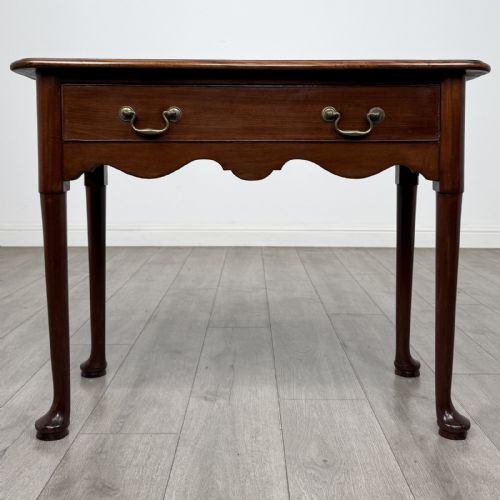
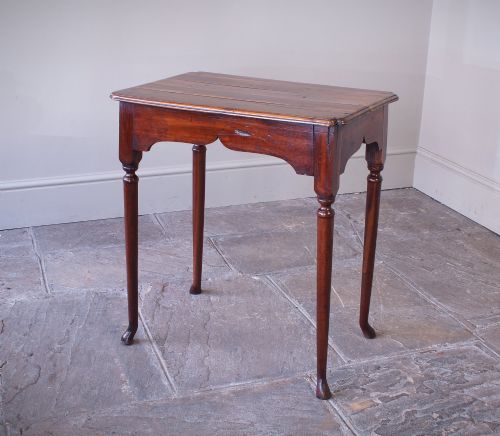
The version most likely to be met on this page is a Georgian mahogany or oak side table or lowboy featuring cabriole legs terminating in simple pad feet. These versatile forms were constructed to serve domestic needs in reception rooms and hallways without dominating the floor space.
How they were made
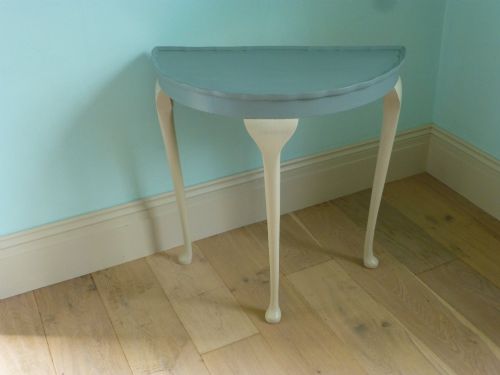
Cabinetmakers constructed these tables using dense timbers such as mahogany, oak, fruitwood, and cherrywood, often shaping the tops to fold, drop, or curve into demi-lune forms. Legs were shaped into cabriole profiles that flowed downward into rounded pad feet to anchor the design.
Joinery relied on traditional framing techniques suited to supporting everyday domestic use, while brass hardware appeared on folding and game variants. Painted wood and burr walnut surfaces introduced alternative finishes depending on the stylistic demands of the period.
Pad Foot Accent Table Retail Price Guide 2026
Typical asking prices for pad foot accent table among the pieces listed under this phrase on Sellingantiques today, from the lower quarter to the upper quarter. They describe what is for sale here now, not the wider market.
The furniture forms on this page include side tables, lowboys, card tables, and console tables resting on cabriole legs.
What varies in quality
The standard of a piece depends on the choice of timber and the confidence with which the cabriole legs and pad feet were carved. Superior examples display balanced proportions and crisp execution in the curves of the woodwork.
Timber figure and depth of grain distinguish the finer specimens, while secondary woods and simpler construction mark more utilitarian versions intended for everyday service.
The Pad Foot Accent Table Glossary
- Cabriole leg
- A furniture leg that curves outward at the knee and tapers inward toward the ankle, mimicking animal limbs. This form is characteristic of eighteenth-century seating and tables.
- Pad foot
- A simple foot shaped like a flattened disk or pad at the base of a cabriole leg. It provides a stable footing on uneven floors.
- Lowboy
- A small low table with drawers, commonly used as a dressing table or side table during the eighteenth century. These pieces typically feature four cabriole legs.
- Demi-lune
- A half-moon shape applied to console or side tables designed to stand flat against a wall. This profile saves floor space in narrower rooms.
Pad Foot Accent Table: Frequently Asked Questions
What is a pad foot table?
A pad foot table is a compact surface supported by cabriole legs that end in rounded pad feet, commonly dating from the Georgian era.
These versatile tables were used for side placement, games, or serving tea in period interiors.
How do I date an antique table?
Dating relies on examining the timber species, construction methods, and stylistic markers such as cabriole leg proportions and foot designs.
Georgian and eighteenth-century pieces display hand-cut joinery and dense native or imported hardwoods.
Where should I place a lowboy?
A lowboy fits well in a hallway, living room, or bedroom as a decorative surface with useful drawer storage.
Its compact footprint allows it to function alongside seating or beneath a mirror.
What woods were used for tables?
Cabinetmakers utilised dense hardwoods including mahogany, oak, cherrywood, and fruitwood to build sturdy domestic tables.
Burr walnut and painted wood surfaces also appear on specific occasional forms.