


Oval Watercolour Painting
An oval watercolour painting delivers intimate portraits and delicate scenes executed on paper, ivory, or glass within protective frames.
Oval Watercolour Painting
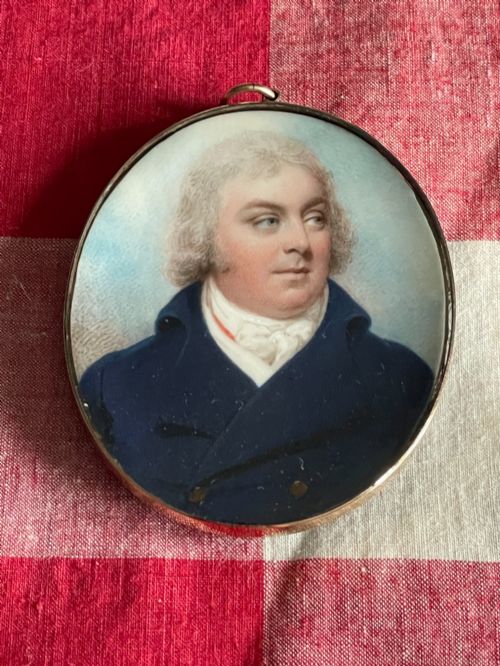
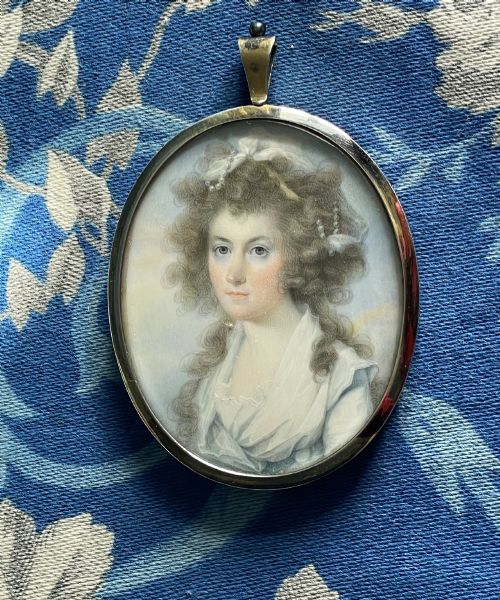
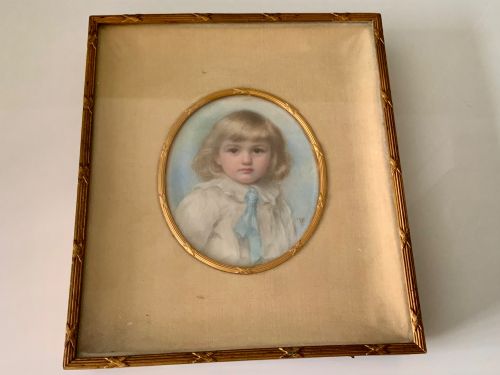
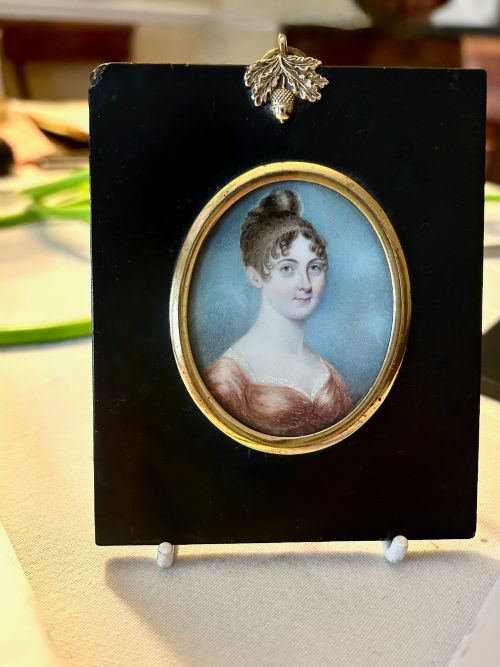
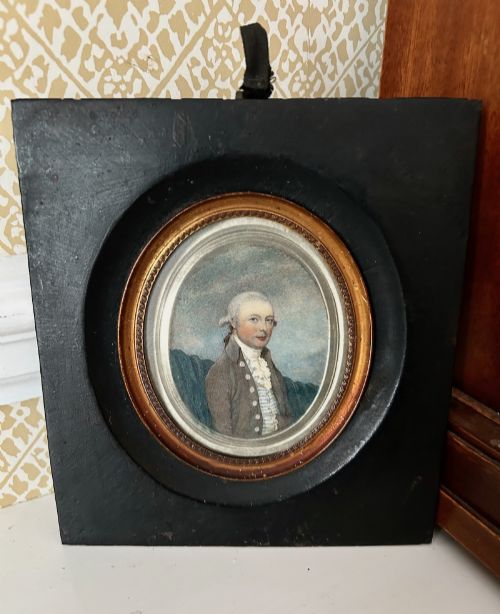
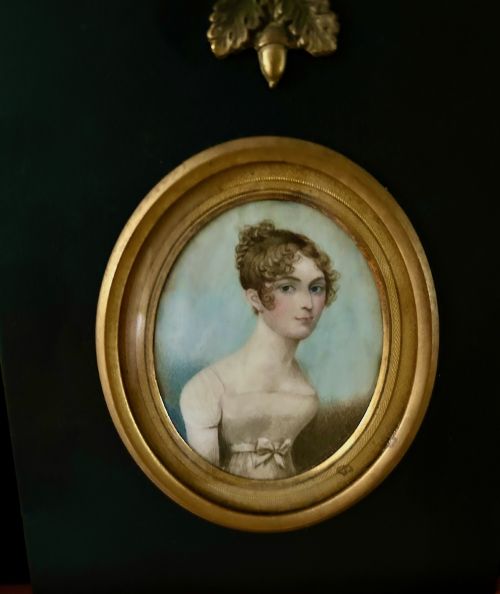
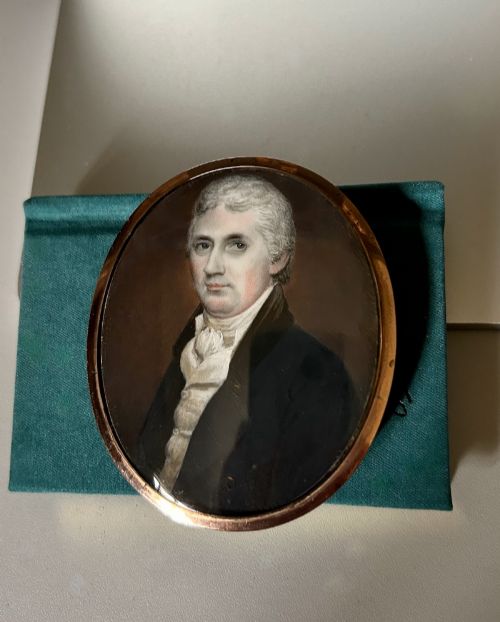
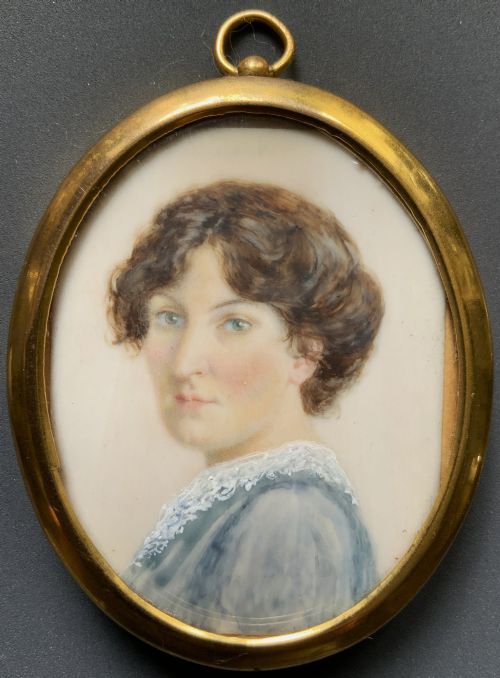
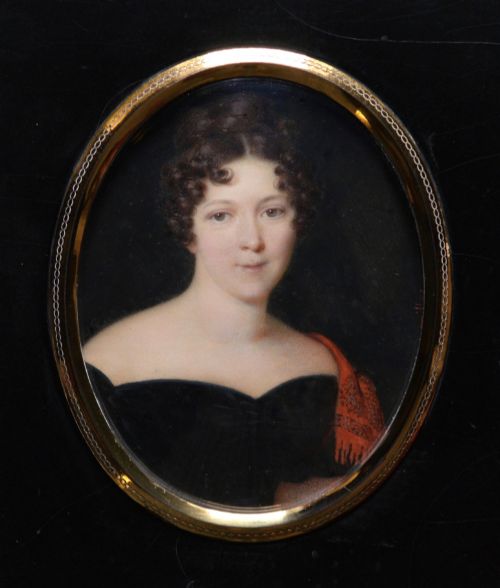
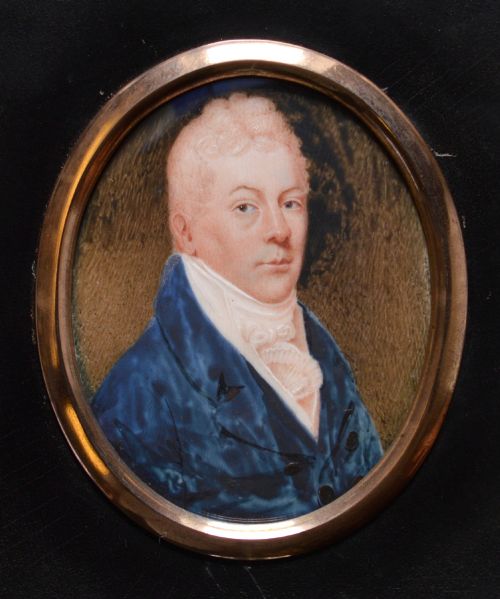
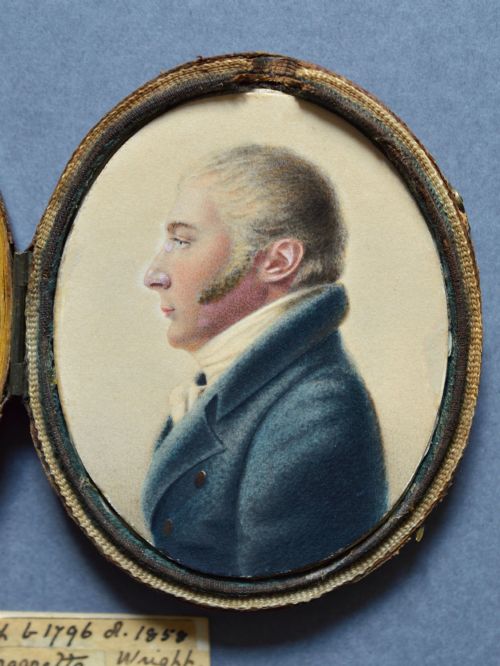
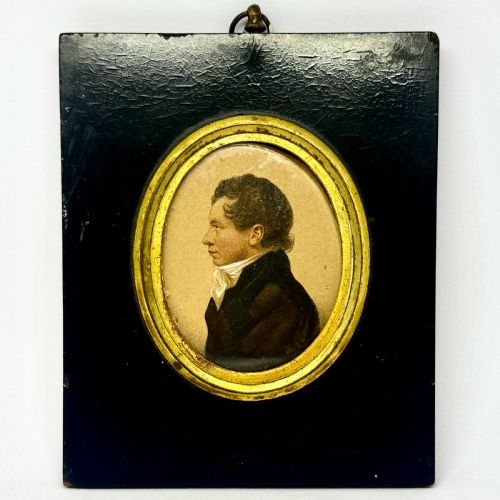
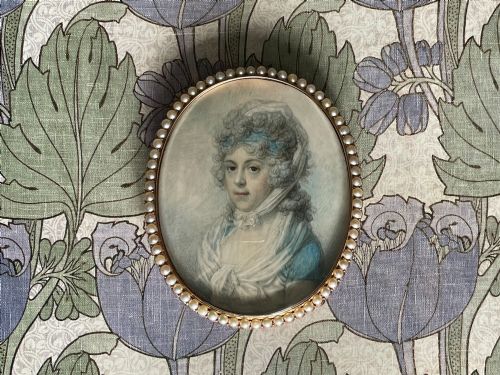
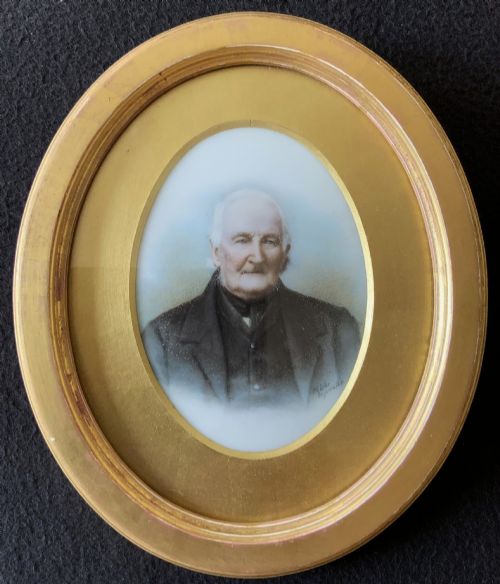
An oval watercolour painting most frequently takes the form of a portrait miniature, capturing sitters with fine brushwork across the eighteenth and nineteenth centuries.
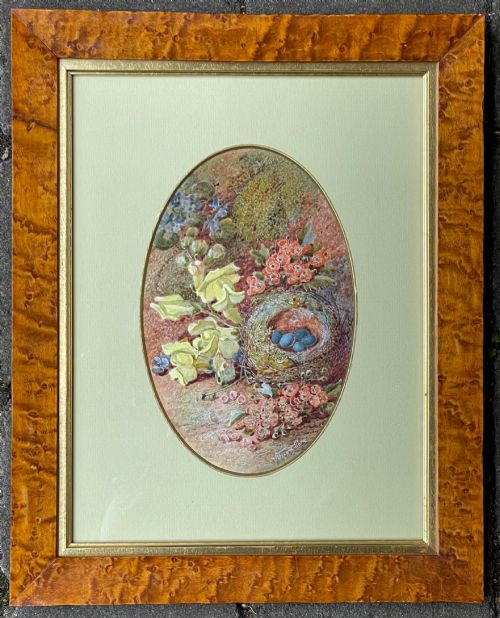
The selection ranges from Georgian and Regency depictions of gentlemen and ladies to Victorian and Edwardian studies, alongside pastoral landscapes and still life.
These works appear encased in specialised enclosures, from gilt metal and brass to ebonised wood and silver frames designed specifically for the curved format.
Materials and Construction
Artists painted primarily in watercolour upon thin sheets of paper or prepared ivory, occasionally combining pencil and pastel.
Protection came from fitted glass placed directly over the delicate pigment, secured inside metal or wooden surrounds often accented with gold or seed pearls.
Oval Watercolour Painting Retail Price Guide 2026
Typical asking prices for oval watercolour painting among the pieces listed under this phrase on Sellingantiques today, from the lower quarter to the upper quarter. They describe what is for sale here now, not the wider market.
Frames in the selection utilise materials ranging from plain ebonised wood to elaborate gold plated metal and silver.
Assessing the Standard
The precision of the brushwork and the psychological depth of the sitter's expression separate proficient portraiture from routine output.
The preservation of the pigment against fading and the originality of the contemporary frame contribute significantly to the standing of each piece.
John Donaldson·Frederick Buck·Thomas John Horsley·Vincent Clare·Richard Cosway·John C D Engleheart·William Naish·Nicolas Freese·J Bizo·George Engleheart·James Hardy Junior
The Oval Watercolour Painting Glossary
- Portrait Miniature
- A small-scale painted likeness, often created on ivory or vellum during the eighteenth and nineteenth centuries. These works required immense skill due to their diminutive dimensions.
- Gilt Metal
- A base metal treated with a gold wash or plating to simulate solid gold enrichment on frames and mounts. This material provided durability alongside decorative appeal.
- Ebonised Wood
- Timber treated with a chemical stain or finish to imitate true ebony. It yields a deep black surface popular for framing nineteenth-century works on paper.
- Seed Pearl
- A tiny, natural pearl often stitched or set into jewellery and frame surrounds. They frequently adorn the borders of Georgian and Victorian miniature portraits.
Oval Watercolour Painting: Frequently Asked Questions
How were portrait miniatures displayed?
These small paintings hung on walls in matched groups or sat on desks within gilt metal stands and folding cases.
Some examples were mounted directly into brooches or lockets to be worn close to the body as personal tokens.
What surfaces did artists paint upon?
Watercolour pigment was applied to thin sheets of paper or prepared slices of ivory, the latter lending a luminous quality to skin tones.
Occasional examples also utilised glass as a support or employed embroidery alongside painted details.
How do I date a painted oval portrait?
Clothing styles, hair fashions, and wig designs offer the most reliable clues for narrowing down the decade of execution.
Frame construction and the materials used for the backing or mount also correspond directly to Georgian, Regency, or Victorian manufacturing methods.
Are landscapes found in this format?
While portraiture dominates the oval watercolour format, pastoral landscape scenes and still life compositions do appear.
These varied subjects adopted the curved framing convention primarily during the nineteenth century.