

Oval Watercolor Painting
An oval watercolour painting brings intimate portraiture and delicate landscape work into small spaces, framed closely in glass, wood, or metal.
Oval Watercolor Painting
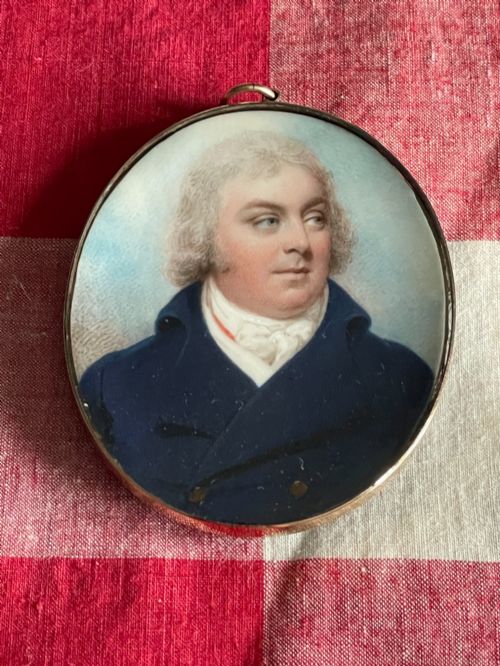
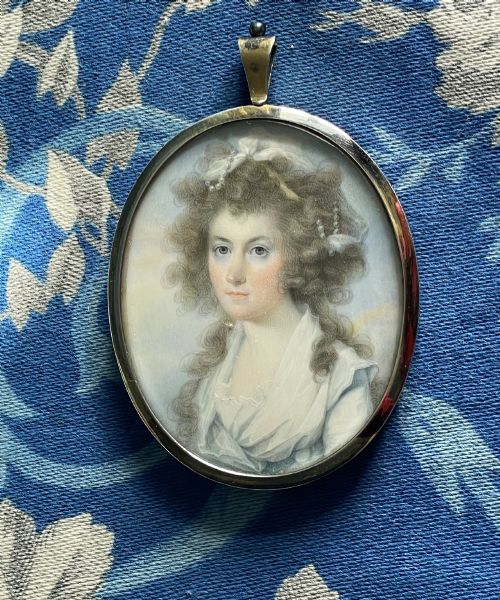
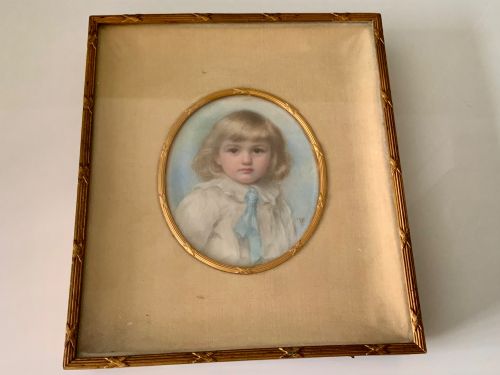
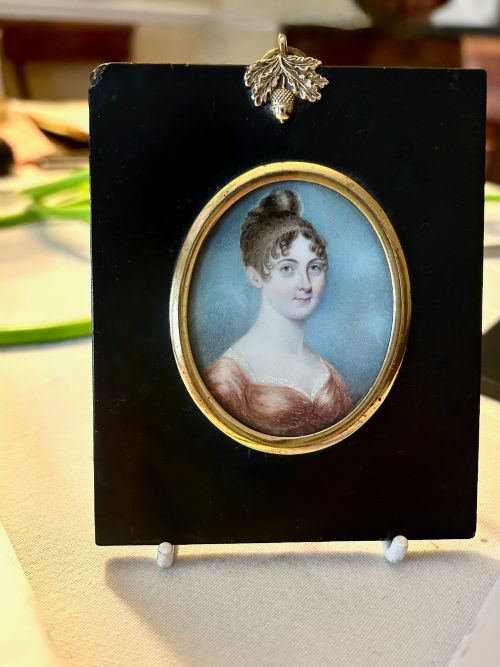
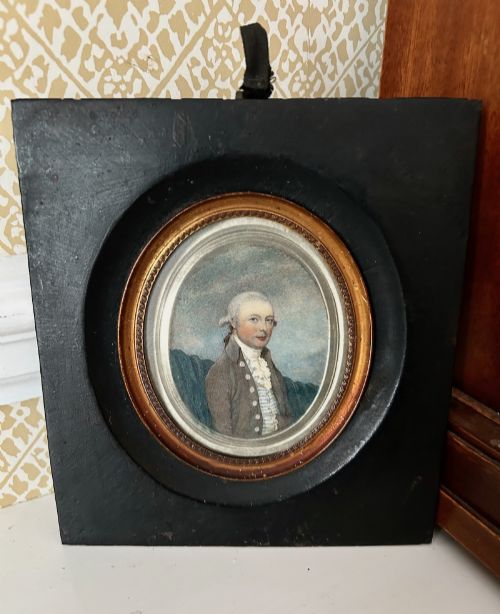
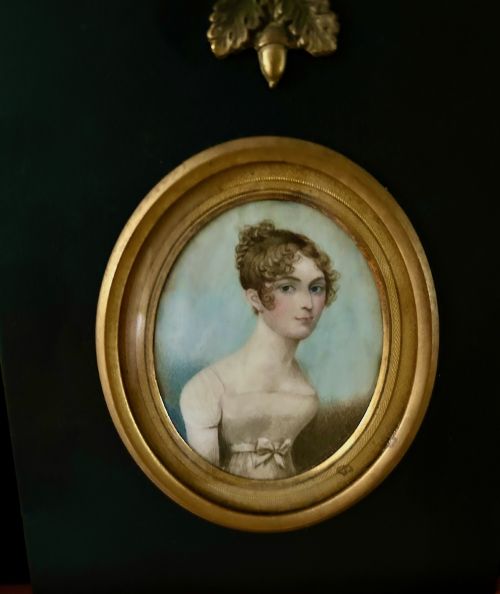
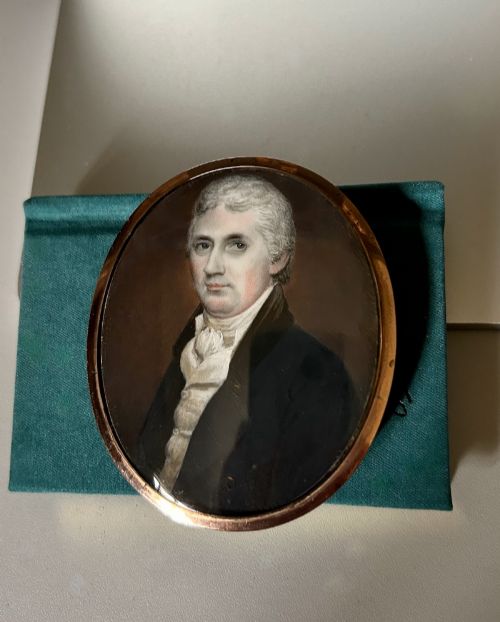
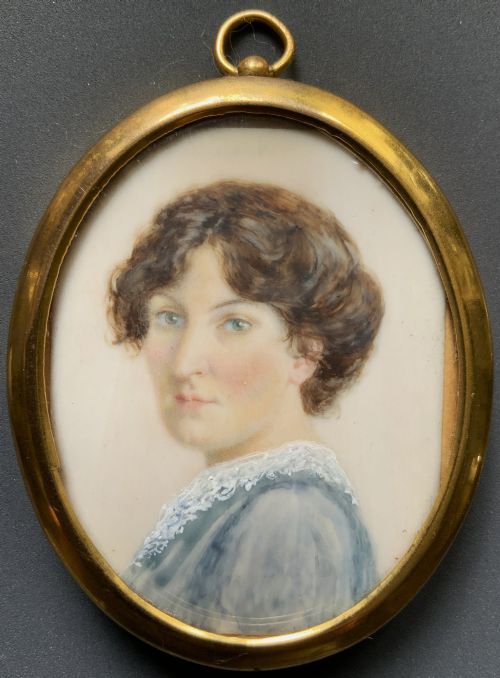
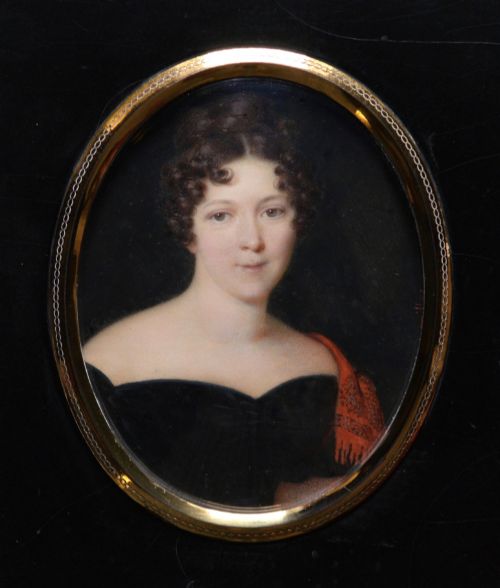
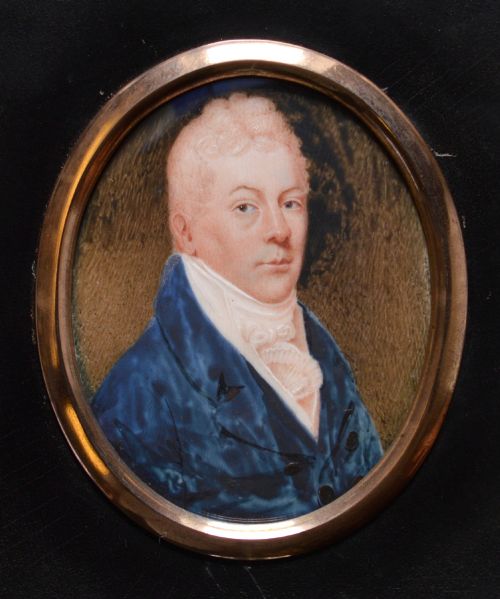
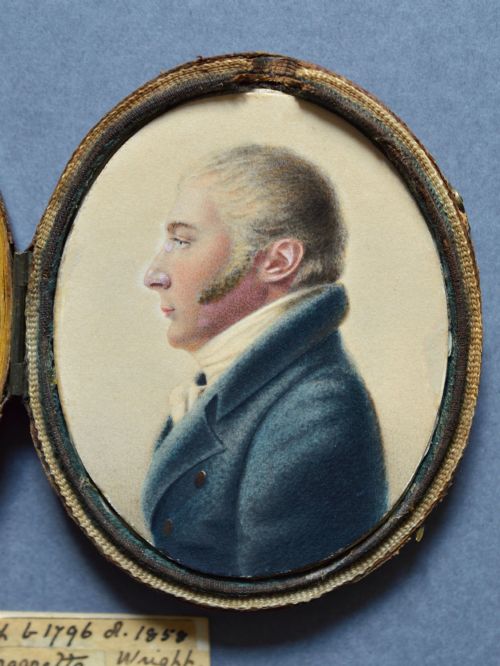
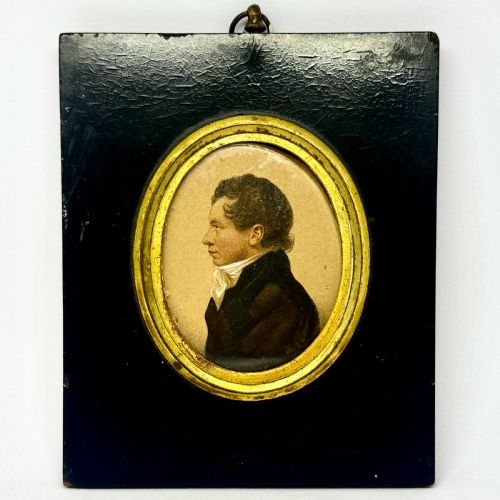
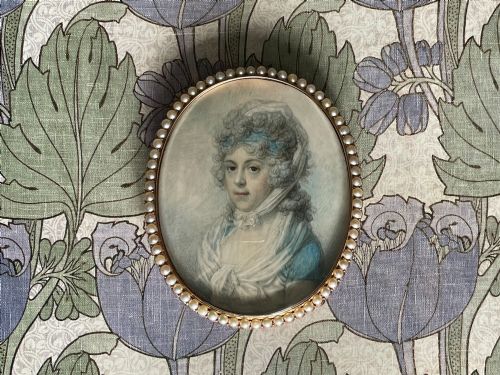
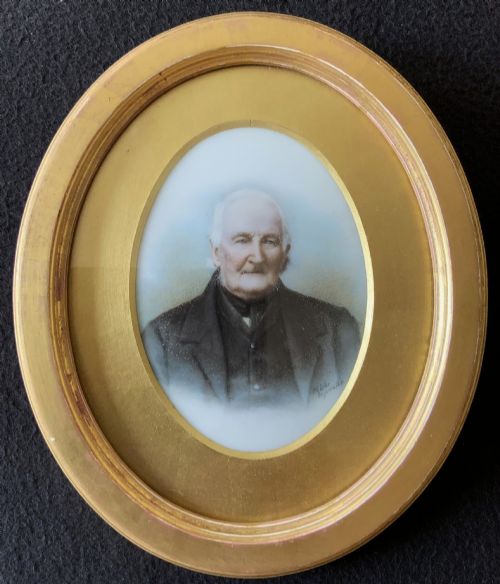
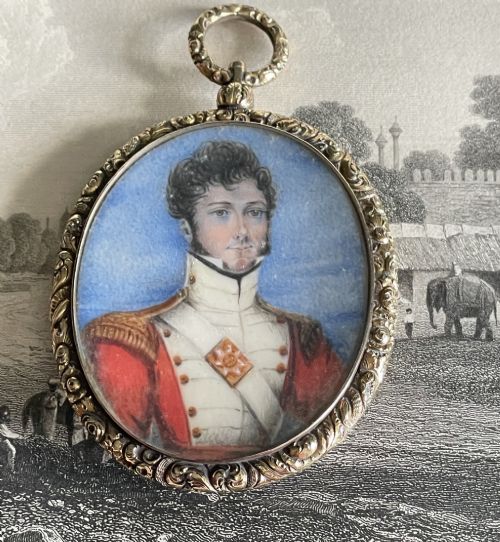
An oval watercolour painting typically takes the form of a portrait miniature, capturing sitters from the eighteenth, nineteenth, and early twentieth centuries in fine detail.
The format spans Georgian, Regency, Victorian, and Edwardian periods, representing subjects ranging from individual gentlemen and ladies to children and family groups.
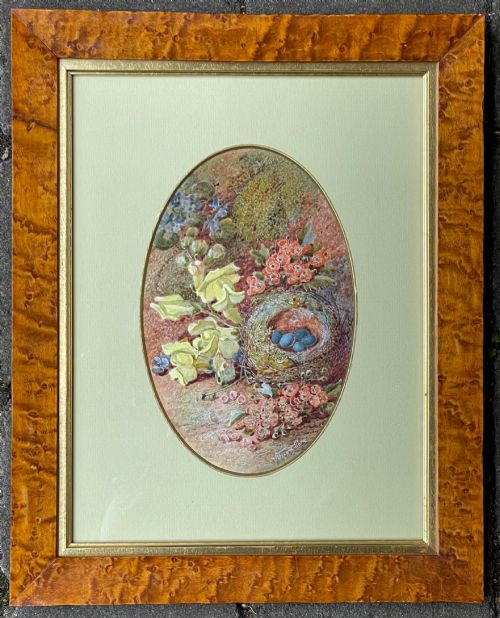
Alongside intimate portraits, the selection includes landscape scenes and still life compositions rendered on paper or ivory.
These works frequently appear enclosed within ebonised wood frames, gilt metal mounts, or integrated into brooches and small display stands.
Materials and construction
Artists painted these miniature works primarily in watercolour on supports of paper or thin slices of ivory, sometimes combining pastel or pencil.
Protecting the delicate pigment required glass enclosures, often sealed tightly within frames of brass, gold, or silver.
The outer presentation relied on specialist framing techniques, utilising ebonised wood, gilt metal stands, or seed pearl ornamentation to complement the small scale.
Oval Watercolor Painting Retail Price Guide 2026
Typical asking prices for oval watercolor painting among the pieces listed under this phrase on Sellingantiques today, from the lower quarter to the upper quarter. They describe what is for sale here now, not the wider market.
At least one listing includes ducks being fed, proving that miniature artists occasionally looked away from aristocratic human faces to feed waterfowl.
Assessment of quality
The standard of execution rests upon the precision of brushwork and the psychological depth captured in the sitter's expression.
Materials contribute significantly to the standing of a piece, with gold plating, ivory supports, and intricate period frames marking out superior examples.
The presence of a clear attribution or signature from a recognised practitioner elevates an individual work above anonymous school pieces.
John Donaldson·Frederick Buck·Thomas John Horsley·Richard Cosway·John C D Engleheart·William Naish·Nicolas Freese·George Engleheart
The Oval Watercolor Painting Glossary
- Portrait miniature
- A small-scale painting, usually executed in watercolour on ivory or vellum, designed for intimate viewing or personal wear.
- Ebonised wood
- Timber treated to imitate ebony, providing a dark, contrasting border commonly used in Georgian and Victorian framing.
- Gilt metal
- Base metal treated with a thin layer of gold or gold-coloured wash, frequently applied to small frames and easel stands.
- Ivory support
- A thin slice of elephant ivory used as a painting surface, prized for its smooth texture and luminous undertglow.
- Seed pearl
- Very small natural pearls often stitched or set into decorative borders on nineteenth-century frames and jewellery pieces.
Oval Watercolor Painting: Frequently Asked Questions
What is an oval watercolour painting?
An oval watercolour painting is a small-scale artwork, most commonly a portrait miniature, executed on paper or ivory within a curved boundary.
These pieces date primarily from the Georgian through to the Edwardian eras and were created for personal keepsake or domestic display.
How were portrait miniatures worn or displayed?
Many of these small works were fitted into brooches to be worn close to the heart, while others featured custom gilt metal stands for tabletop placement.
Framed versions designed for wall hanging also appear frequently, often grouped in small sets.
How do I identify the period of a piece?
Period identification relies on the sitter's costume, hairstyle, and the framing materials characteristic of Georgian, Regency, Victorian, or Edwardian aesthetics.
Subtle shifts in painting technique and the style of signature script also help narrow down the date of execution.
Are these paintings on real ivory?
Many eighteenth and nineteenth-century miniature paintings used thin sheets of ivory as a reflective surface that imparted a natural glow to the skin tones.
Examinations under magnification typically reveal the characteristic cross-hatch grain pattern of organic ivory beneath the watercolour pigments.