





Oval Silver Picture Frame
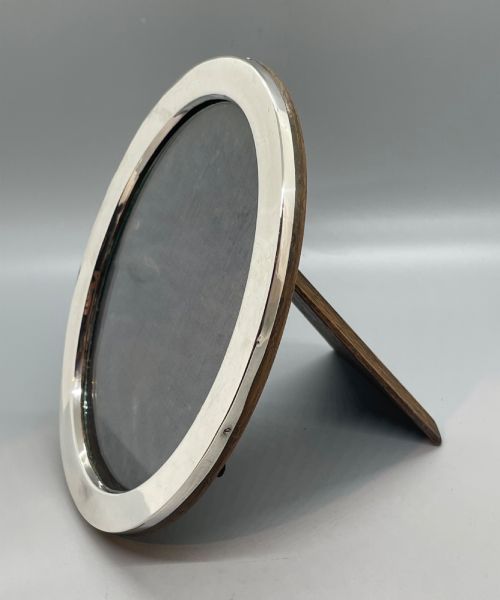
An oval silver picture frame brings elegance to a desk or mantelpiece, framing portraits in polished metal.
Oval Silver Picture Frame
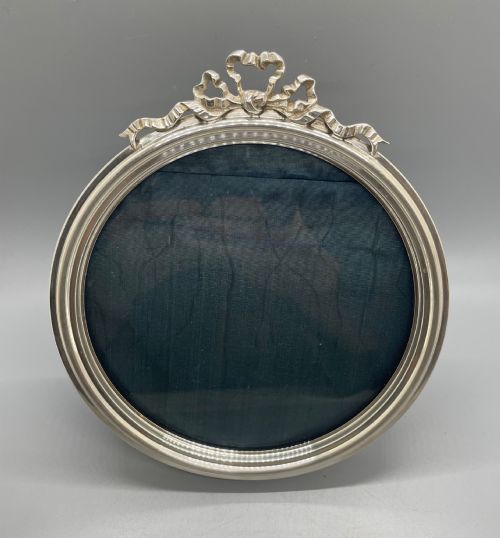
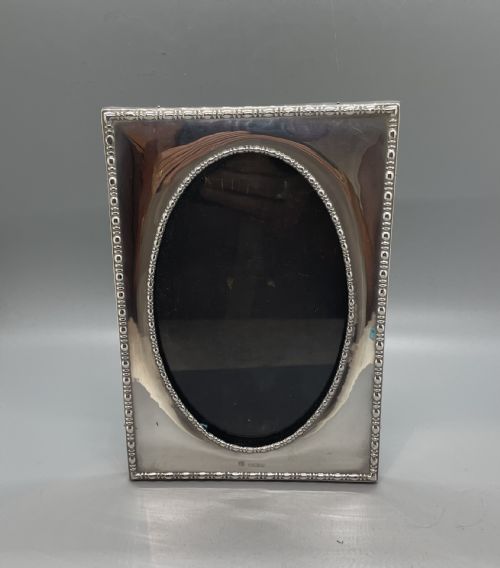
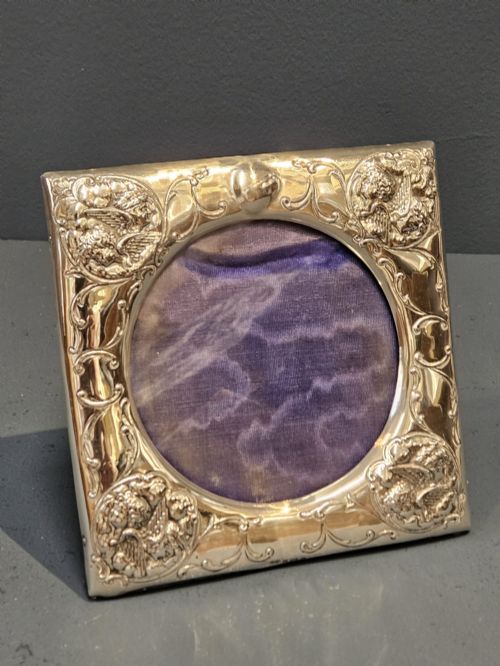
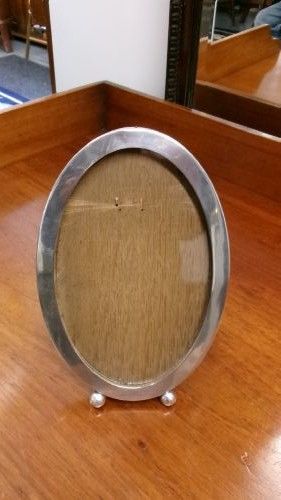
When you search for an oval silver picture frame, you encounter a variety of forms spanning from the Victorian era through the Edwardian period and into the Art Deco years. The selection includes sterling silver alongside chrome, paired with glass, velvet, wood, and fabric backings.
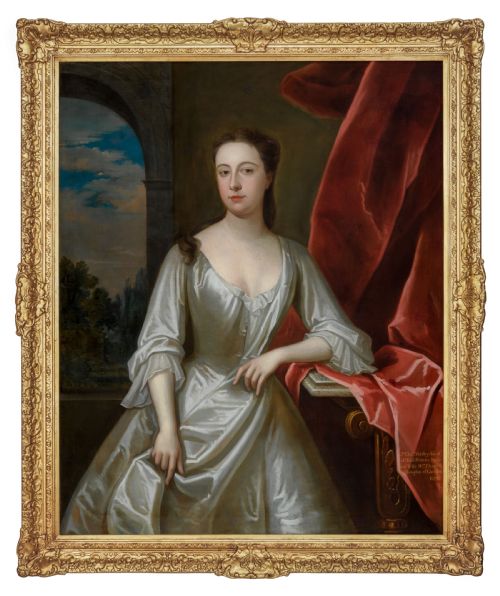
You are most likely to meet Edwardian and George V pieces featuring hallmarks from Sheffield, Birmingham, and Chester, alongside French designs and Italian craftsmanship. Alongside standard picture and photo frames, the selection occasionally incorporates oil paintings framed within the broader stylistic tradition.
Materials and construction
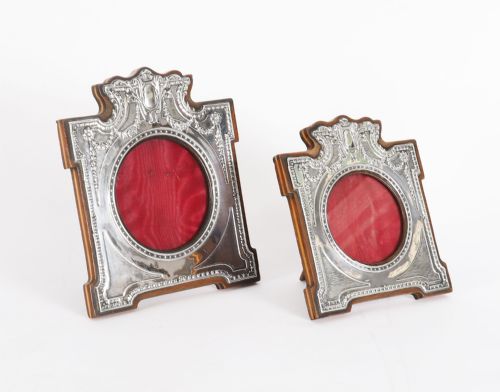
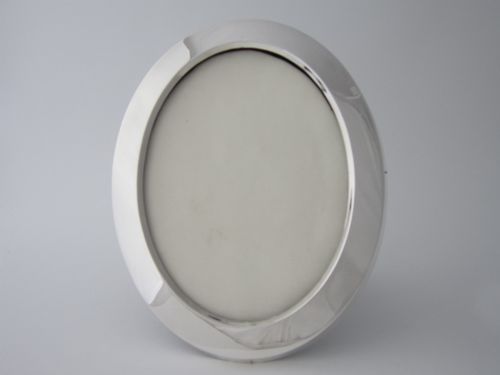
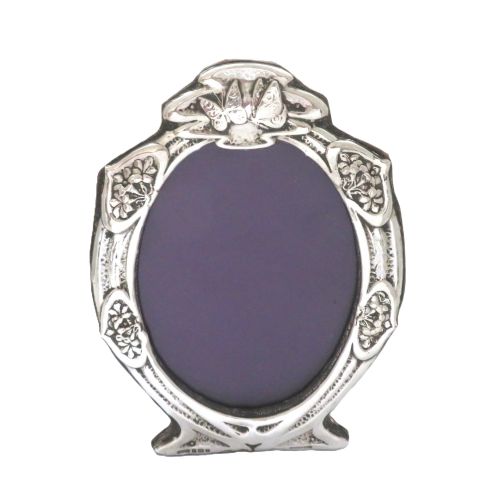
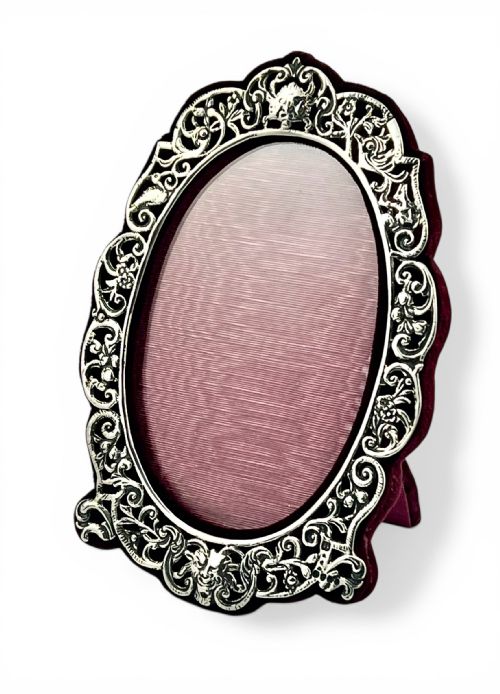
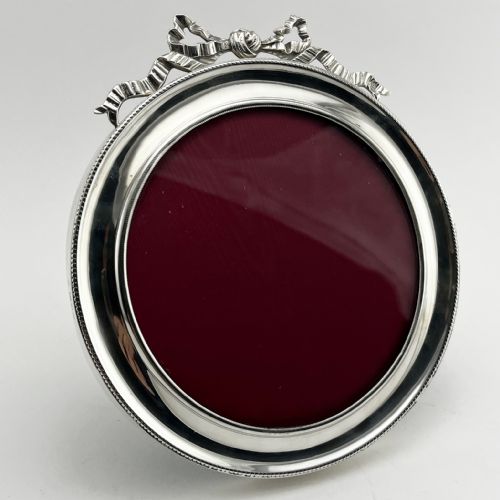
Makers utilised sterling silver and chrome for the primary fascias, shaping the metal into plain borders, beaded edges, Chippendale styles, and embossed Art Nouveau motifs. These metal fronts were constructed to house glass protection over the photograph.
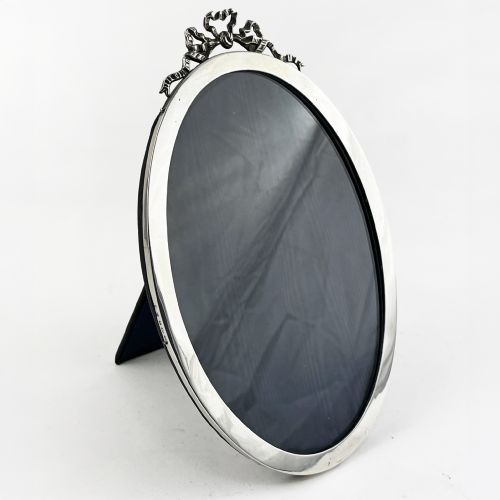
The backs relied on wood, leather, fabric, and velvet to support the frame, often incorporating easel stands for freestanding display on furniture.
Oval Silver Picture Frame Retail Price Guide 2026
Typical asking prices for oval silver picture frame among the pieces listed under this phrase on Sellingantiques today, from the lower quarter to the upper quarter. They describe what is for sale here now, not the wider market.
The inventory spans the 18th Century through to the 1960s, encompassing styles from British Baroque and French Chateau to Art Deco.
Assessing quality
Quality rests upon the crispness of the hallmarks, the weight and thickness of the sterling silver, and the preservation of the original wooden or leathered backing boards. Finer examples display meticulous detailing in embossed motifs such as ribbons or cherubs, while simpler versions rely on clean, plain mounts.
The integrity of the structural joints, the clarity of the glass, and the sturdiness of the easel mechanism distinguish superior pieces from ordinary production.
Mappin Bros·William Comyns·Emile Langlois
The Oval Silver Picture Frame Glossary
- Hallmark
- Official marks stamped on precious metals indicating the assay office, metal standard, and year of manufacture. These stamps help verify the authenticity and origin of silver items.
- Chippendale border
- A decorative edge style featuring scrolling leaf or C-scroll motifs inspired by 18th-century cabinet making. This border style appears on select antique silver frames.
- Easel back
- A hinged support attached to the rear of a frame allowing it to stand upright on a flat surface. Original leathered or wooden backs add considerable merit to a piece.
- Embossed
- Raised ornamentation hammered or pressed into the surface of the metal from behind. This technique created the flowing floral and figurative designs seen on Victorian and Edwardian frames.
Oval Silver Picture Frame: Frequently Asked Questions
How do I date my silver frame?
Dating relies heavily upon the metal hallmarks stamped into the silver, which record the assay office and date letter for the specific year of testing.
Style indicators such as Edwardian ribbon motifs, Art Nouveau botanical curves, or geometric Art Deco lines also offer clues to the period of manufacture.
Are these frames suitable for modern photos?
Most antique and vintage frames accommodate standard photograph sizes, though older apertures can occasionally vary slightly from modern print dimensions.
Careful measurement of the interior window ensures your portrait fits comfortably behind the glass without requiring excessive trimming.
What is the best way to clean sterling silver?
Cleaning requires a soft microfiber cloth and a mild silver polish designed specifically for antique metals to preserve the underlying details and hallmarks.
Aggressive scrubbing or harsh chemical dips should be avoided, particularly around embossed areas and velvet or leather backing materials.
Why do some frames have wooden backs?
Wooden and leathered backs provided structural rigidity and protected the delicate photographic prints housed within the metal casing.
Original backing boards secured with turnbuckles or sliding pins significantly contribute to the completeness and character of an antique frame.