

Oval Portrait Canvas Paintings
Oval portrait canvas paintings capture centuries of likenesses on stretched fabric, framed by the distinctive curved geometry that defines their enduring domestic appeal.
Oval Portrait Canvas Paintings
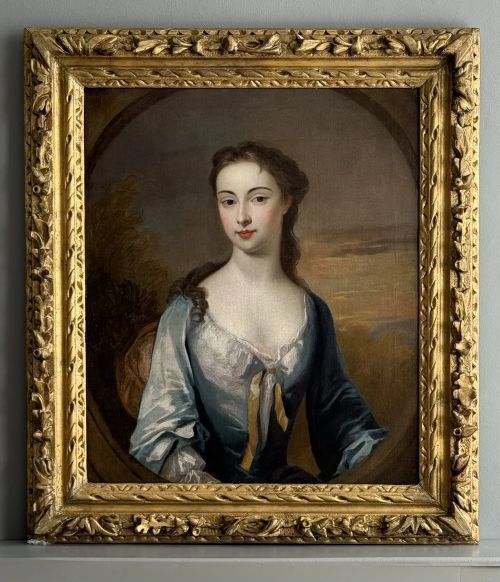
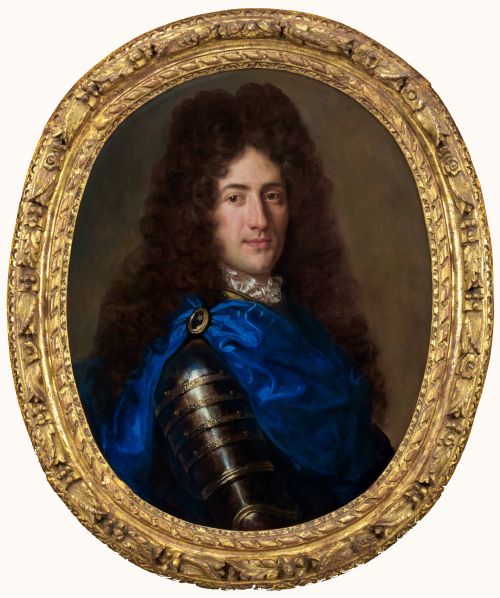
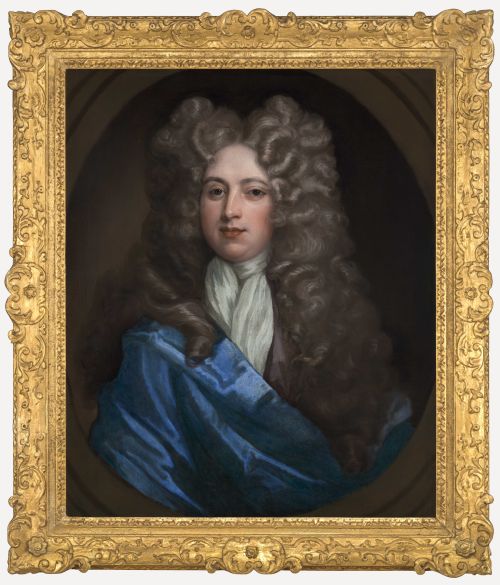
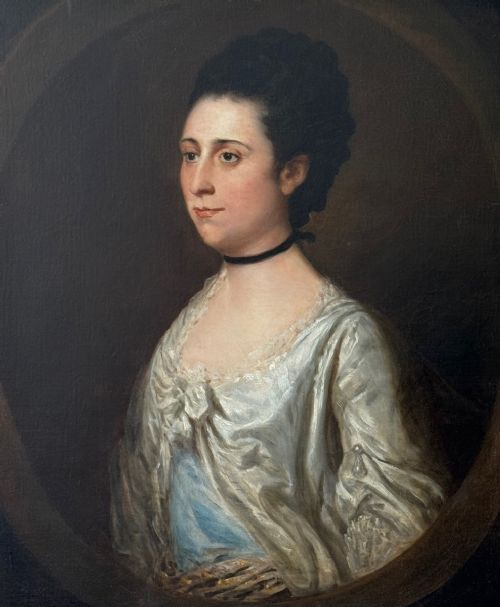
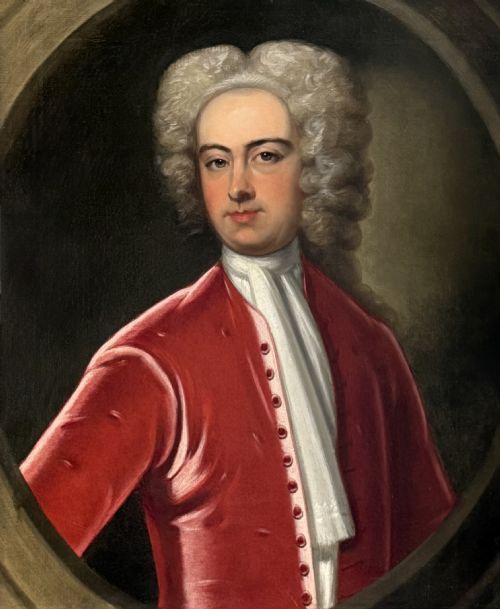
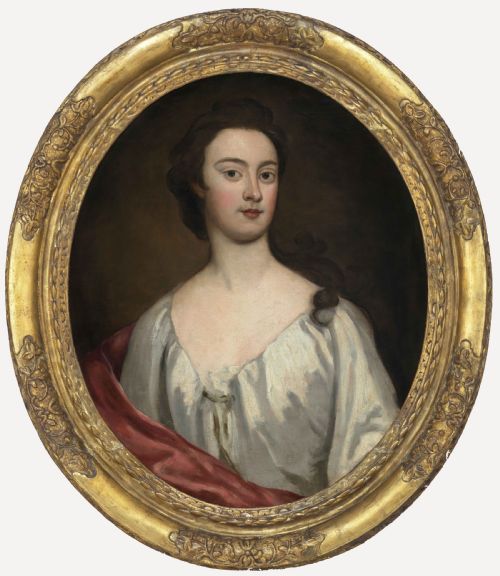
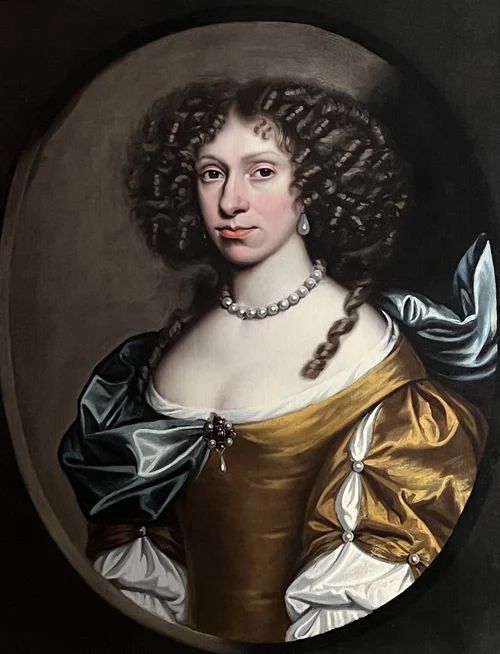
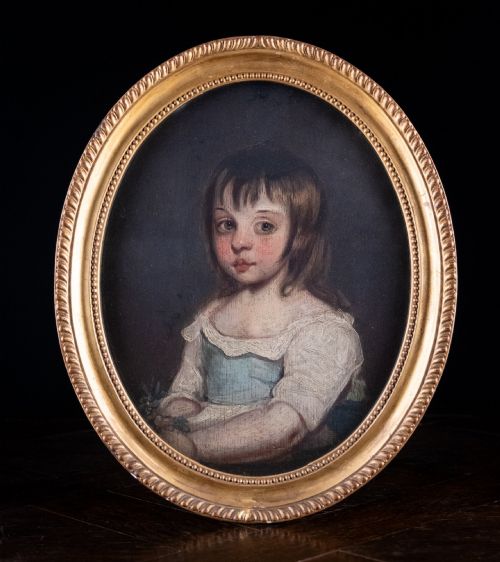
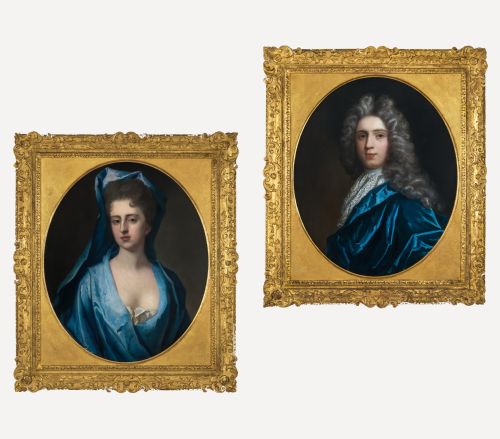
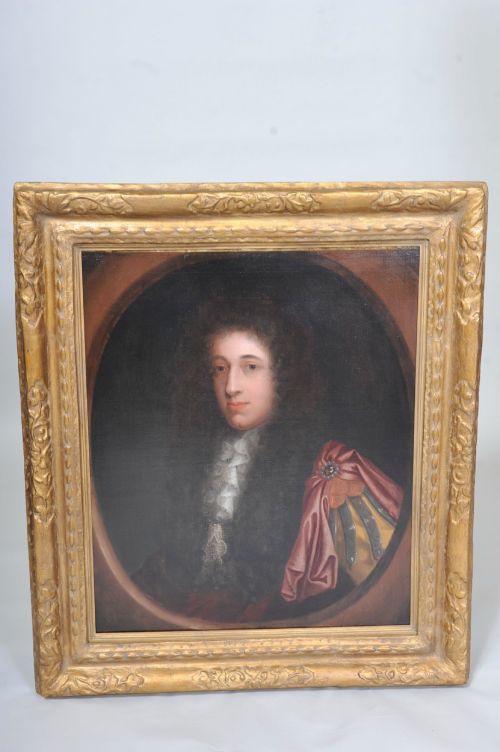
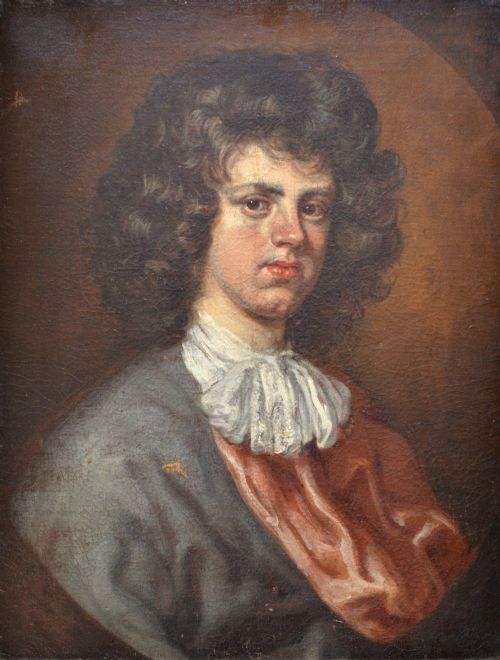
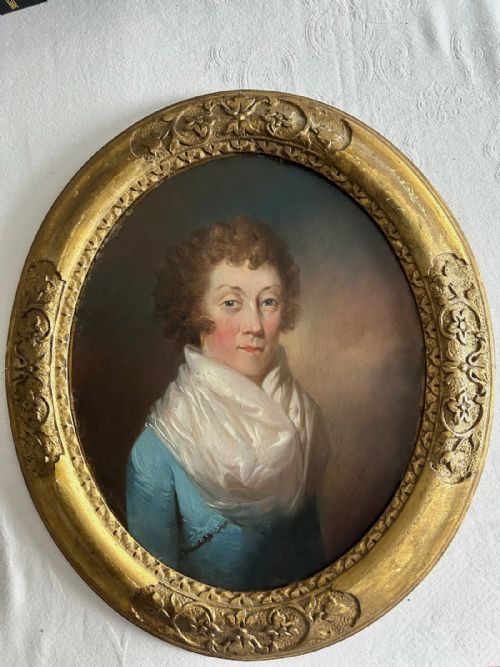
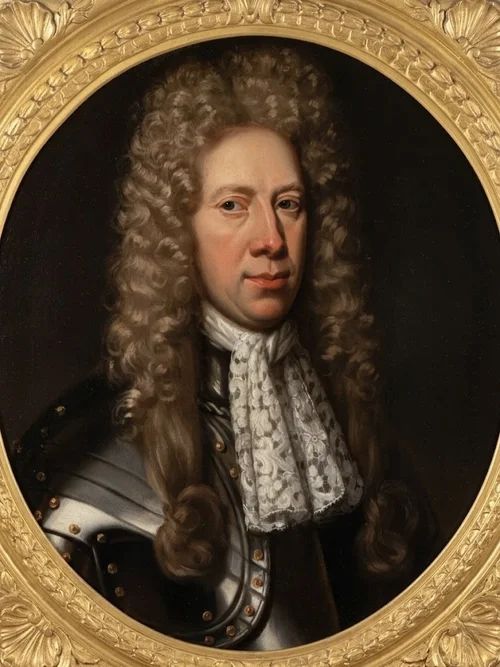
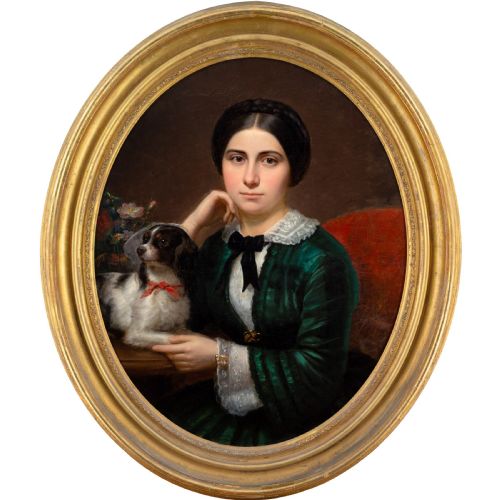
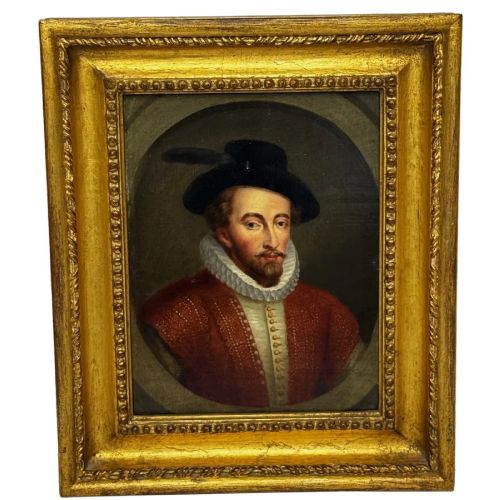
Oval portrait canvas paintings span distinct historical periods from the seventeenth century through the Victorian era, recording sitters in oil on stretched fabric. The selection on this page relies heavily on English, European, and Scottish school works produced across the Georgian and Regency periods.
Buyers encounter depictions of gentlemen, gentlewomen, children, and historical figures, often framed in their original giltwood or ebonised surrounds. These works range from intimate cabinet-sized canvases to larger formal commissions executed by regional and continental painters.
The format itself influences composition, drawing the viewer inward towards the face while softening the architectural or atmospheric corners typical of rectangular canvases. This framing device was favoured by portraitists seeking to concentrate visual weight upon the sitter's expression.
Materials and construction
The foundation of each piece is woven canvas stretched across a custom-built curved wooden framework designed to maintain the tension necessary for oil painting. Artists applied gesso preparations to seal the fabric before building up pigments in layers of oil paint.
Surrounds are frequently constructed from carved wood embellished with gold leaf, giltwood, or gesso mouldings tailored specifically to the curved aperture of the painting. These frames provide structural rigidity while enhancing the visual depth of the portrait.
Several canine companions make unexpected appearances alongside their human sitters, immortalised in oil centuries ago.
Assessing craftsmanship and condition
The integrity and originality of the matching frame significantly influence the overall standing of an artwork, particularly when gilding or carved wooden details remain undisturbed by later restoration.
David Scougall·Dumini Leopoldo·Charles Jervas·Michael Dahl·Thomas Murray·Mary Beale·Thomas Beach·Allan Ramsay·Arthur William Devis
The Oval Portrait Canvas Paintings Glossary
- Giltwood
- Wood carved and coated with gold leaf or metallic powder to create a lustrous decorative finish. It is frequently seen on period frames housing formal portraits.
- Gesso
- A plaster mixture applied to canvas or wood to create a smooth, stable surface for oil painting. It forms the foundational layer beneath the pigment.
- Baroque
- An artistic style spanning the seventeenth and early eighteenth centuries characterised by drama, rich colour, and dynamic movement. Portraits from this era often display deep shadows and theatrical drapery.
- Georgian
- The period covering the reigns of the Hanoverian kings from 1714 to 1830. Works from this time display refined portraiture conventions and balanced compositions.
Oval Portrait Canvas Paintings: Frequently Asked Questions
How do I date an oval portrait?
Dating relies heavily on the sitter's costume, hairstyle, and the pigment application methods characteristic of specific centuries. Frame styles and canvas preparations also offer reliable clues to the decade of creation.
Comparative analysis with known works by regional schools helps narrow down the active period of the artist.
Are these paintings on original stretchers?
Many retain their bespoke curved wooden stretchers, though some have undergone historical restretching to preserve the fabric. Inspecting the reverse reveals the age of the wood and the presence of old wedges.
Original stretchers add historical integrity to the canvas and ensure the oval geometry remains undistorted.
How should I hang an oil portrait?
Hang paintings away from direct sunlight and fluctuating heat sources to protect the delicate oil pigments and gesso frames. Secure wall fixings must match the substantial weight of the timber and giltwood surrounds.
Positioning the piece at eye level allows the viewer to engage properly with the sitter's expression.
What does attribution mean for these works?
Attribution indicates that an expert has linked the style, technique, and handling of paint to a specific artist or workshop. This judgment is based on stylistic comparison with documented pieces.
Works attributed to a circle suggest execution by a contemporary working in the manner of the master.