



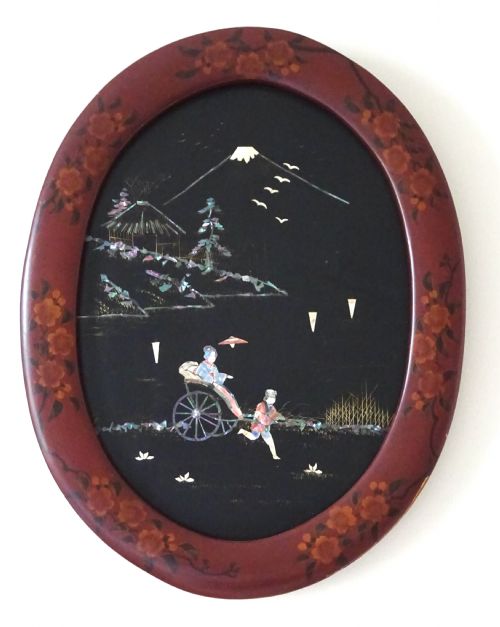

Oval Mounted Artwork
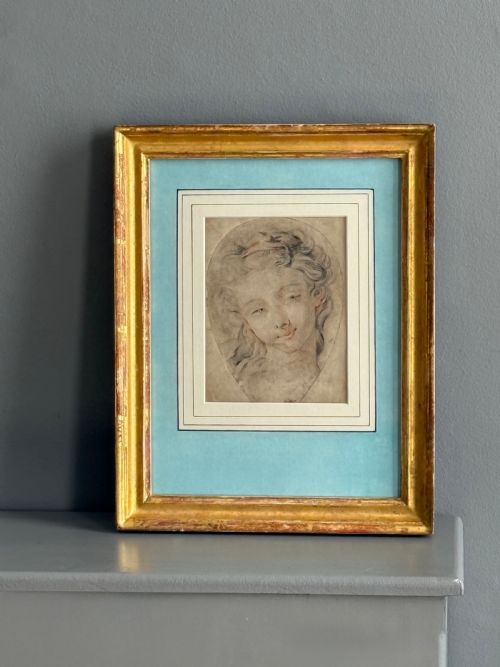
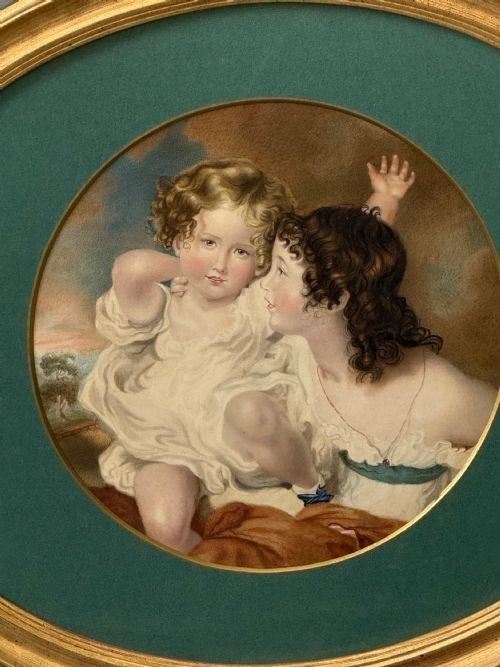
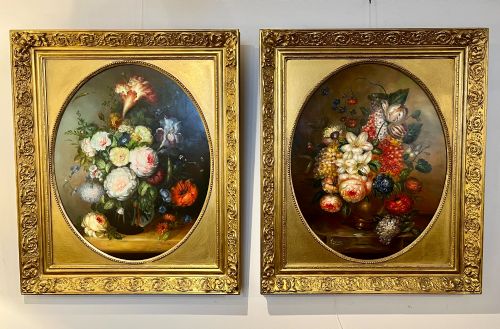
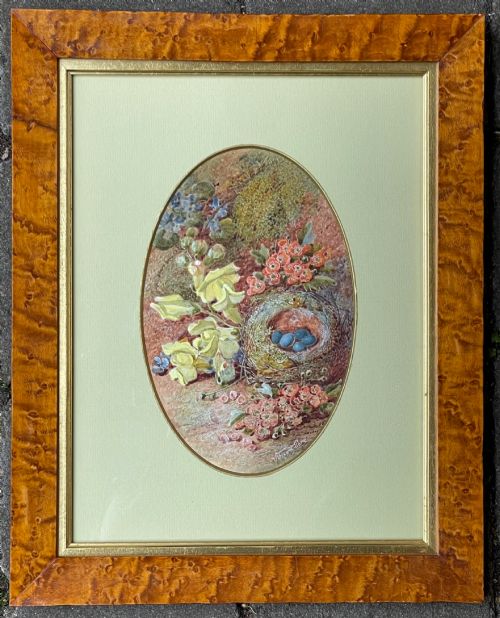
These oval mounted artwork pieces bring character to a room through varied Victorian portraits, still lifes and coastal scenes.
Oval Mounted Artwork
When you search for oval mounted artwork, you encounter a diverse selection of framed wall pieces including oil paintings, watercolours, and portrait paintings. The formats span centuries of domestic display, taking the form of singular portraits, pastoral studies, and detailed botanical or ornithological illustrations.
The selections available range from 18th-century portraiture by named artists to later Victorian watercolours and early 20th-century decorative panels. You are likely to meet framed artwork on paper, card, panel, and canvas, each shaped to fit a curved mount or custom frame.
Subjects stretch from British school seascapes and Dutch style still life compositions to delicate miniature portraits and pastel sketches. These pieces demonstrate how earlier makers adapted standard rectangular subjects into circular or curved formats to soften interior walls.
How they were made
Makers utilised traditional supports including canvas, card, paper, panel, and ivory, applying oil, watercolour, pastel, pencil, or engraving techniques directly to the surface. Frames were constructed from wood, often finished with giltwood, gold leaf, or red lacquer to complement the imagery within.
Specialised framing methods were required to mount these works securely behind glass within curved or oval apertures. Artisans incorporated decorative elements such as mother of pearl and abalone inlay into the surrounding frames to enhance the visual impact of the central image.
Oval Mounted Artwork Retail Price Guide 2026
Typical asking prices for oval mounted artwork among the pieces listed under this phrase on Sellingantiques today, from the lower quarter to the upper quarter. They describe what is for sale here now, not the wider market.
Listings feature works across multiple centuries, running from the 1700s through the Victorian era into the 1930s.
What varies in quality
The distinction between standard decorative examples and superior works rests on the execution of the hand and the attribution to a recorded artist. Skilled brushwork in oil or precise detailing in watercolour separates master studies from simpler school productions.
Frame construction and material selection also set pieces apart, with hand-carved giltwood and inlaid lacquer frames representing a higher level of craftsmanship than plain wooden surrounds. The preservation of the original glass, mount, and backing papers further influences the overall integrity of the piece.
Vincent Clare·Arthur William Devis·James Hardy Junior·Robert Kemp·Francis Moltino·Andrea Soldi·Gerrit Schipper
The Oval Mounted Artwork Glossary
- Giltwood
- Wood carved and coated with gold leaf or gold paint to create a lustrous metallic finish. This treatment was frequently applied to frames designed to highlight portraits and landscapes.
- Miniature portrait
- A small, highly detailed painting, often executed on ivory, card, or vellum. These intimate works gained popularity in the Georgian and Victorian eras for personal mementoes.
- Still life
- An artwork depicting inanimate subject matter, such as fruit, flowers, or household objects. Dutch style compositions in this genre focus heavily on texture and lighting.
- Watercolour
- A painting method in which the pigments are suspended in a water-based solution. Artists applied these translucent washes to paper surfaces to create soft portraits and landscapes.
Oval Mounted Artwork: Frequently Asked Questions
How do I hang an oval frame?
Oval frames require secure wall fixings positioned precisely to support the weight of the glass and wooden surround.
Ensure the hanging cord or D-rings at the back are balanced so the piece hangs straight without tilting.
Can I replace the glass on these frames?
Original glass should be preserved where possible to maintain the historical integrity of the piece.
If replacement is necessary, consult a specialist framer to source glass that fits the curved rebate without damaging the artwork.
How should I clean my mounted artwork?
Dust the frame gently with a dry, soft cloth and avoid using liquid cleaners near the painted or paper surface.
Keep the artwork away from direct sunlight to prevent fading on watercolours and pastels.
Are these pieces usually signed by the artist?
Some works carry visible signatures or inscriptions on the front or reverse, while others are attributed through historical records or stylistic analysis.
Unsigned pieces frequently originated from regional British or European schools of the period.