

Oval Mahogany Pedestal Table
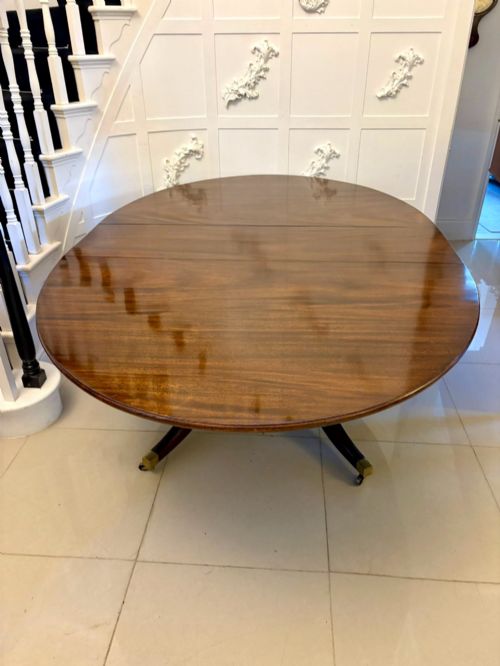
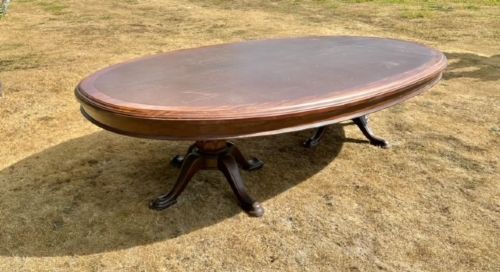
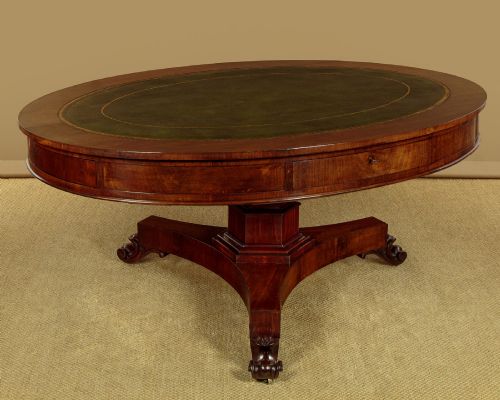
An oval mahogany pedestal table brings warmth and proportion to a room, offering a stable central base that seats diners or holds books with ease.
Oval Mahogany Pedestal Table
When you search for an oval mahogany pedestal table, you find a variety of freestanding furniture designed for dining, display, and study. The selections span dining tables, centre tables, occasional tables, and smaller wine or urn stands.
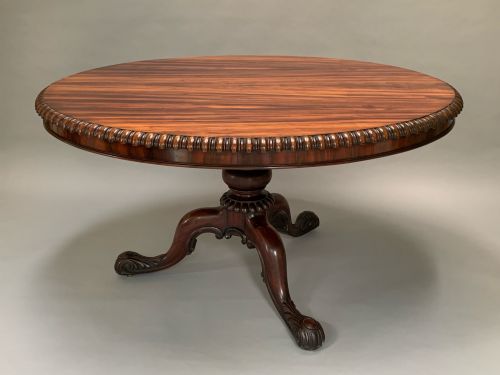
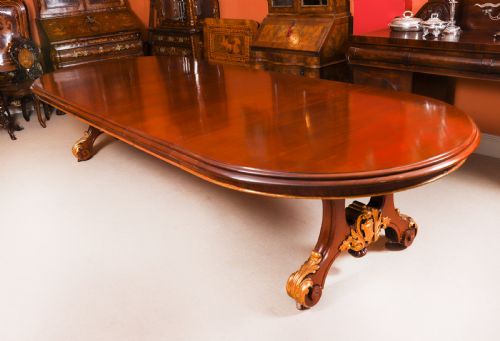
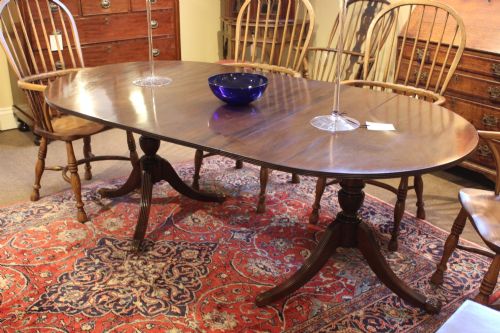
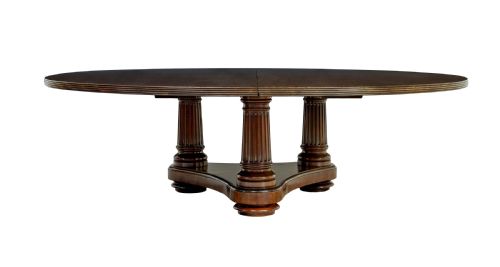
Most examples you meet on this page date from the Georgian, Victorian, and Edwardian periods, alongside later twentieth-century revivals. They range from large multi-pillar dining tables to compact tilt-top breakfast tables and coffee tables.
How they were made
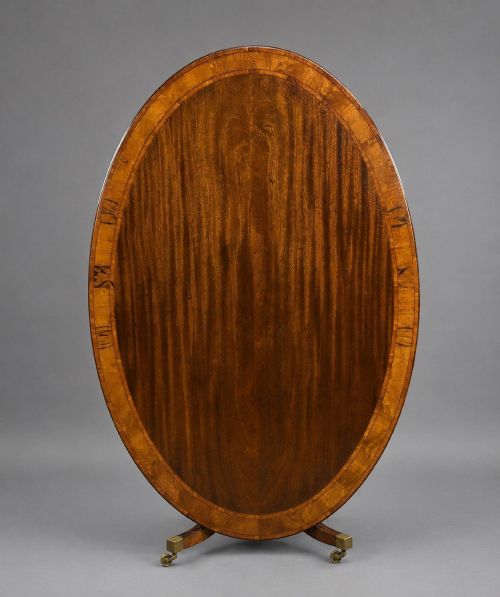
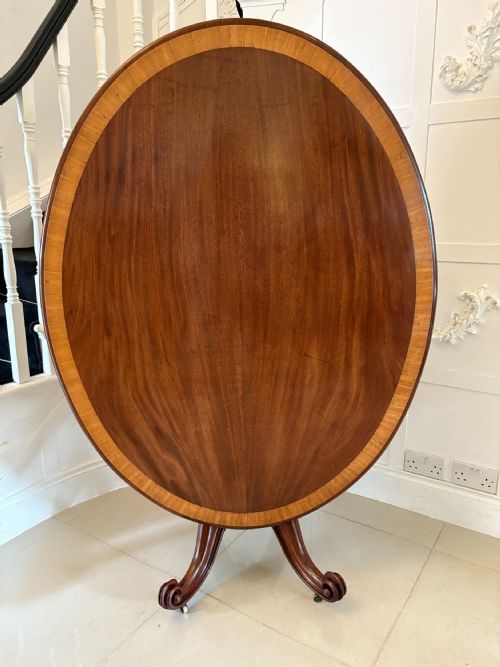
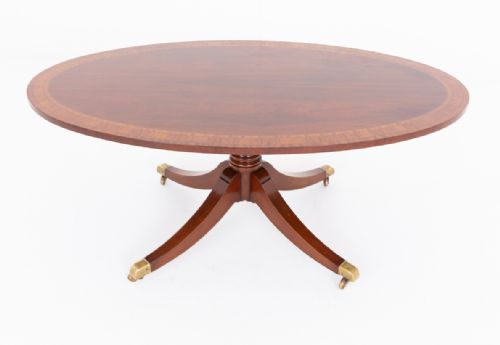
Cabinet makers utilised solid timber and veneers, frequently selecting figured mahogany or flame mahogany veneer for the top surfaces to showcase rich grain patterns. Secondary woods such as satinwood appeared in crossbanded borders and inlay work.
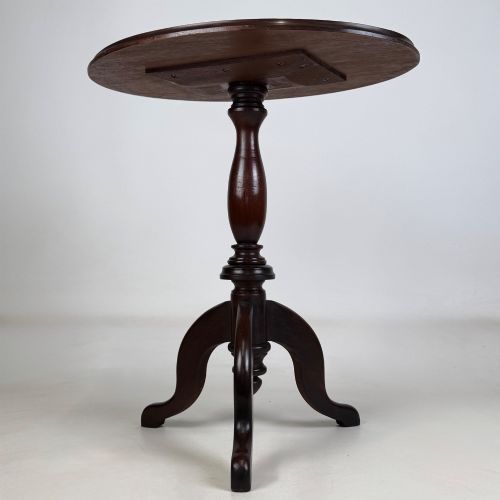
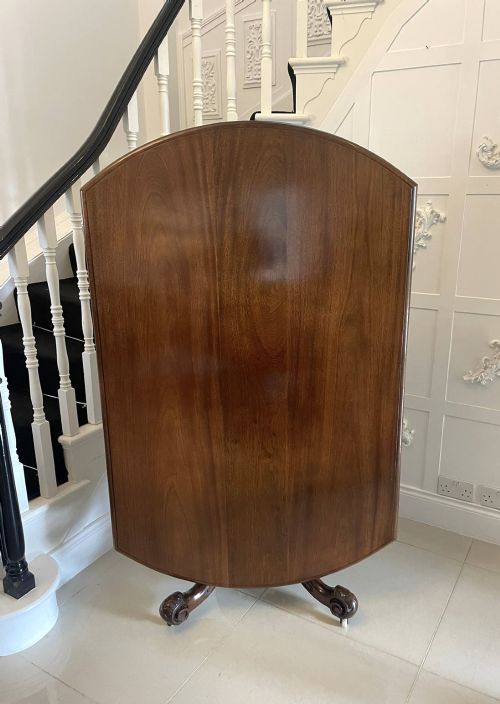
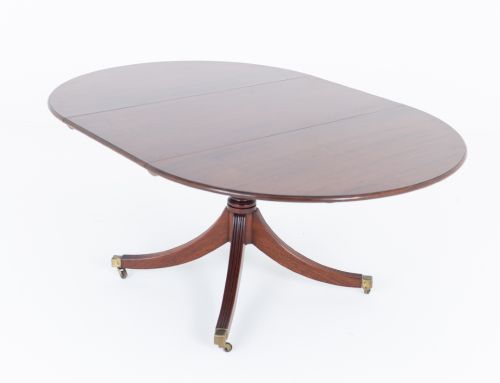
Pedestal bases often incorporated brass castors, carved pillars, or split bases supporting the weight of extending leaves. Tilt-top mechanisms relied on sturdy wooden catches and brass tilt blocks to secure the top when horizontal.
What varies in quality
The standard of timber selection and the depth of the grain figure dictate much of the visual appeal. Tables featuring book-matched flame mahogany veneers or intricate satinwood crossbanding sit at the higher end of the range.
Construction details such as the stability of the central pillar, the precision of the pedestal joinery, and the integration of extending mechanisms define the structural integrity of each piece.
Gillows·Wylie & Lochead
The Oval Mahogany Pedestal Table Glossary
- Pedestal
- A central supporting column that holds the table top above a tripod or platform base. This design allows maximum legroom for seated guests.
- Crossbanding
- A strip of veneer applied to the border of a table top with the grain running perpendicular to the centre. It creates a contrasting frame around the main timber.
- Tilt-top
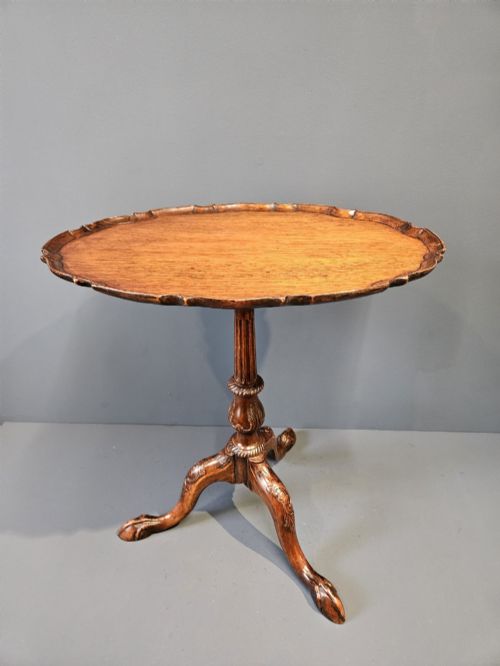
- A hinged mechanism allowing the table top to pivot vertically when not in use. This clever engineering saved floor space in smaller period rooms.
- Flame mahogany
- A veneer cut from the fork of the mahogany tree where the branch meets the trunk. The resulting figure resembles flickering flames of fire.
- Urn stand
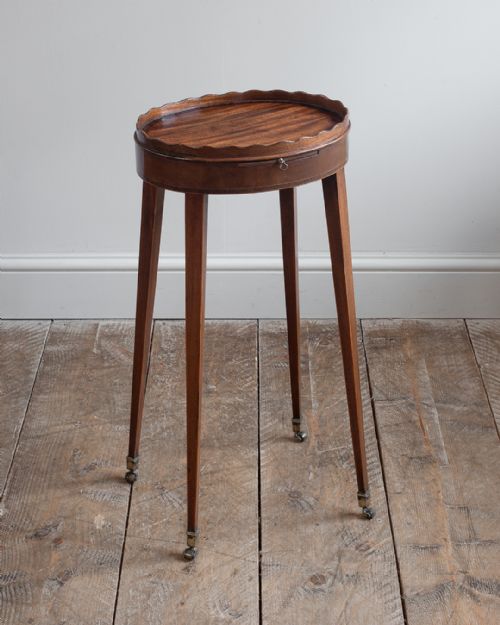
- A small, tall occasional table designed to hold a tea urn or decorative vase. These diminutive pieces often feature slender legs and raised gallery edges.
Oval Mahogany Pedestal Table: Frequently Asked Questions
How do I seat guests comfortably?
An oval table shape softens the geometry of a dining room and allows chairs to curve around the ends more naturally than a sharp rectangle. Pedestal bases remove corner legs, which gives diners greater freedom for their feet.
For larger gatherings, extending versions accommodate extra leaves dropped into the centre mechanism. Ensure you measure your room allowance carefully so chairs pull out easily from the pedestal base.
How do I distinguish Georgian from Victorian pieces?
Georgian tables, dating from the eighteenth and early nineteenth centuries, typically display restrained classical proportions and refined carving. Their timber often has a mellow, aged patina developed over centuries of polish.
Victorian examples from the mid-to-late nineteenth century tend to be heavier and more robust in construction. They frequently showcase bolder figured mahogany veneers and more exuberant carved details on the pedestal base.
How do I care for a mahogany surface?
Maintenance involves dusting with a soft, dry cloth and applying natural beeswax periodically to nourish the timber. Avoid placing hot cups or wet glasses directly onto the polish to prevent ring marks.
Keep the table away from direct heat sources and strong sunlight to protect the mahogany veneer from fading or splitting. Consistent indoor humidity levels help preserve the stability of the timber over time.