



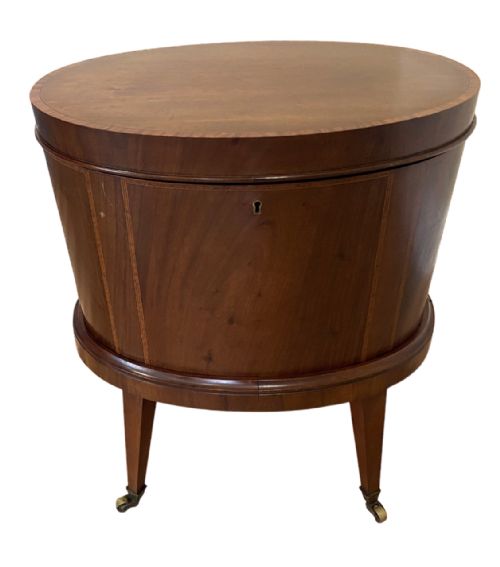


Oval Inlay Chest
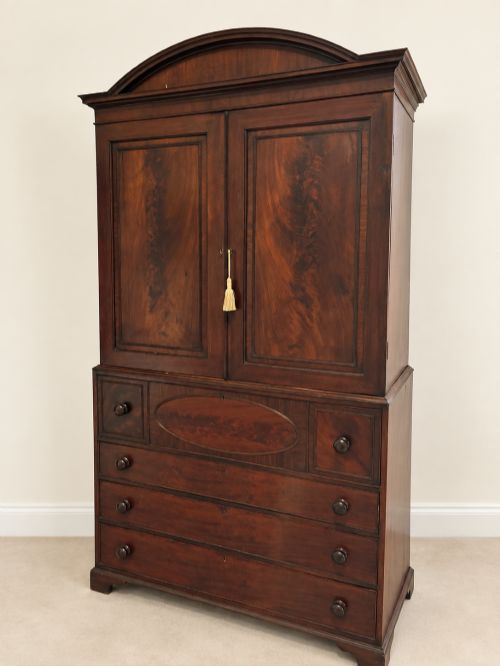
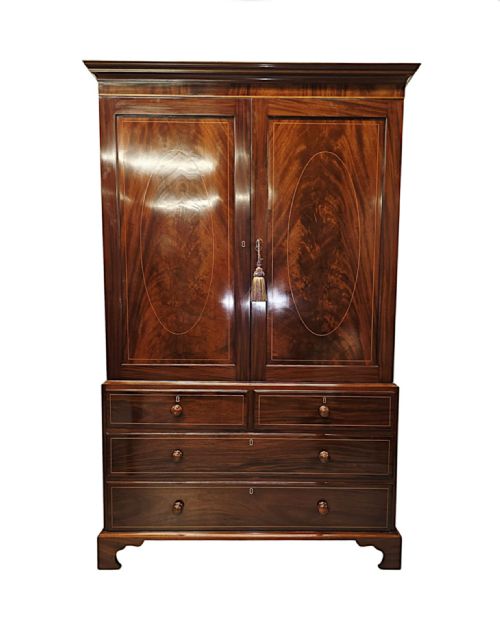
An oval inlay chest brings together figured timbers and precise stringing, offering a focal point of period craftsmanship for storing linen or small items.
Oval Inlay Chest
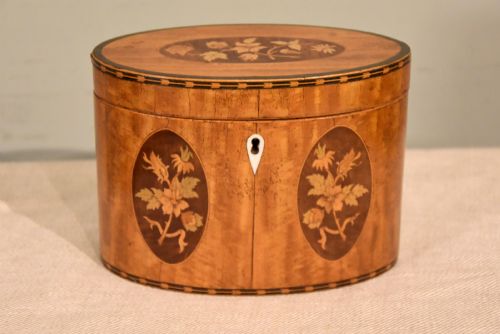
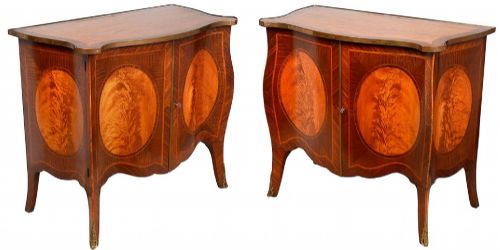
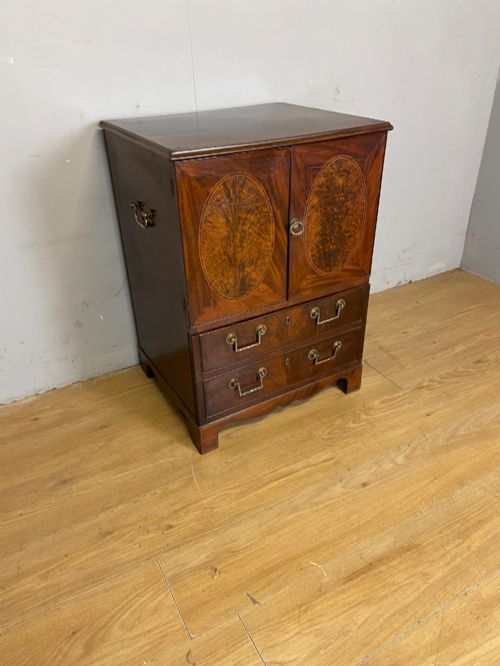
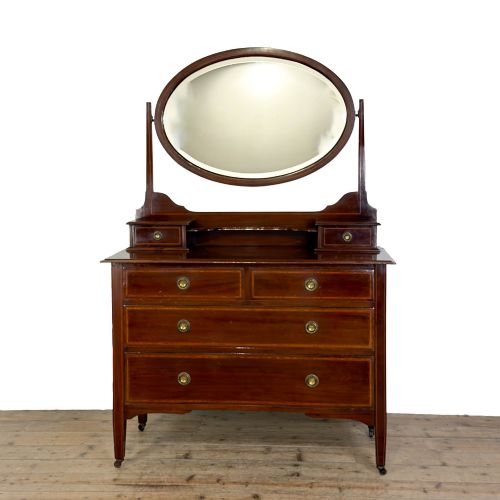
An oval inlay chest search uncovers a diverse range of forms, from tea caddies and cellarettes to linen presses and chests of drawers. The pieces span periods from the eighteenth century through to the Edwardian era and the early twentieth century.
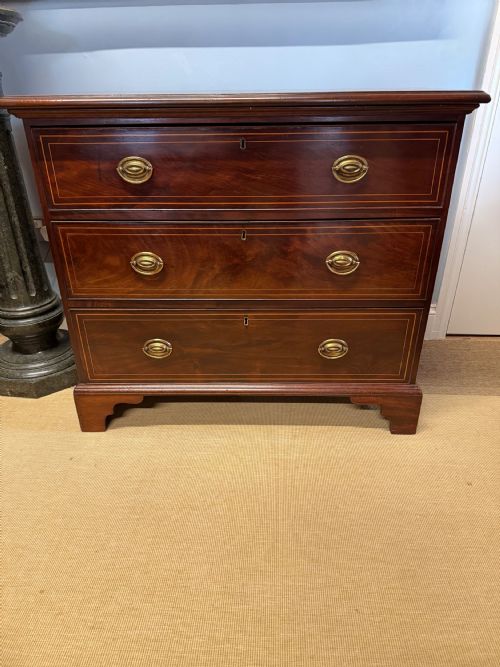
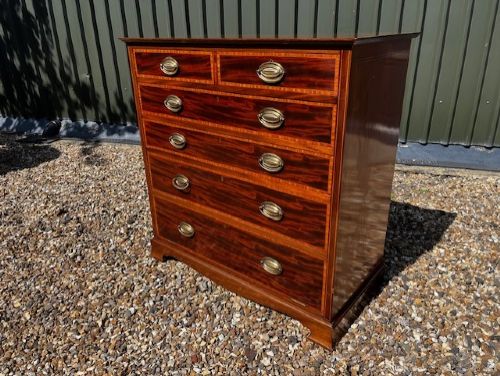
The version most commonly met on this page is the Georgian mahogany chest of drawers or linen press, featuring contrasting stringing and satinwood highlights. Alongside these larger items, smaller tabletop tea caddies and side cabinets appear frequently.
Makers and cabinetmakers worked within Georgian, Regency, and Sheraton Revival styles, applying symmetrical stringing and marquetry panels to surfaces of flame mahogany and walnut.
Materials and construction methods
Cabinetmakers utilised primary structural timbers such as mahogany, oak, walnut, and satinwood, often selecting flame or figured veneers for visible drawer fronts and panels. Solid construction methods governed carcase building, dovetailed drawer boxes, and framed internal compartments.
Decorative detailing relied on contrasting stringing and inlay work executed in boxwood, ebony, bone, and harewood. These lighter timbers were cut into thin strips and laid into channels carved into the darker carcase woods to define ovals, borders, and cartouches.
Listings feature eighteenth and nineteenth-century periods, alongside Edwardian and early twentieth-century revivals.
Distinctions in quality and execution
Quality separates pieces through the precision of the cabinetmaker's joinery and the selection of timber veneers. Superior examples display tightly figured flame mahogany or matched satinwood grains that wrap continuously across drawer fronts.
The fineness of the inlay work marks the tier of a piece, where crisp, uniform boxwood stringing and well-defined oval reserves indicate skilled hand execution rather than mechanical repetition.
The Oval Inlay Chest Glossary
- Stringing
- A thin, narrow inlay of contrasting wood inserted into the surface of a panel to form decorative borders or geometric lines. It defines the edges of drawers and tabletops.
- Flame mahogany
- A highly figured veneer cut from the fork of the mahogany tree where the branch meets the trunk. It creates a distinctive feather-like pattern across the wood surface.
- Cellarette
- A fitted cabinet or box designed for holding bottles of wine or spirits securely. They frequently feature internal partitions and brass carrying handles.
- Marquetry
- The art of applying pieces of veneer to a structure to form decorative patterns or pictorial designs. Craftsmen cut various coloured woods to fit precisely together.
- Linen press
- A large storage cabinet featuring upper sliding trays or shelves enclosed by doors, positioned above a chest of drawers base. They were built to store folded textiles and garments.
Oval Inlay Chest: Frequently Asked Questions
What is an oval inlay chest used for?
These pieces function primarily for storage, holding table linens, garments, or personal valuables within their drawers and compartments. Smaller tabletop versions served specifically to store dry tea leaves.
Their decorative presence allows them to sit in reception rooms, hallways, or bedrooms as functional furniture with distinct period character.
How do I identify Georgian pieces?
Georgian pieces display proportional restraint, hand-cut dovetails, and secondary timbers such as oak or pine behind the mahogany facades. Look for aged hardware fixings and cabinet construction methods appropriate to the eighteenth century.
Stylistic cues include bracket feet, cockbeaded drawer edges, and understated boxwood stringing rather than heavy machine-cut decoration.
What is Sheraton Revival style?
Sheraton Revival refers to late nineteenth and early twentieth-century furniture inspired by the neoclassical designs of Thomas Sheraton. These items utilise satinwood, painted details, and precise oval inlay motifs.
Cabinetmakers of this later era reinterpreted eighteenth-century lightness and symmetry for Edwardian and interwar interiors.
How should I care for satinwood and mahogany?
Keep these timbers away from direct sunlight and heat sources to prevent the veneers from drying out or lifting. Regular dusting with a dry, soft cloth maintains the polished finish.
Apply a microcrystalline wax sparingly when the wood appears dry to nourish the surface without building up excessive residue.