

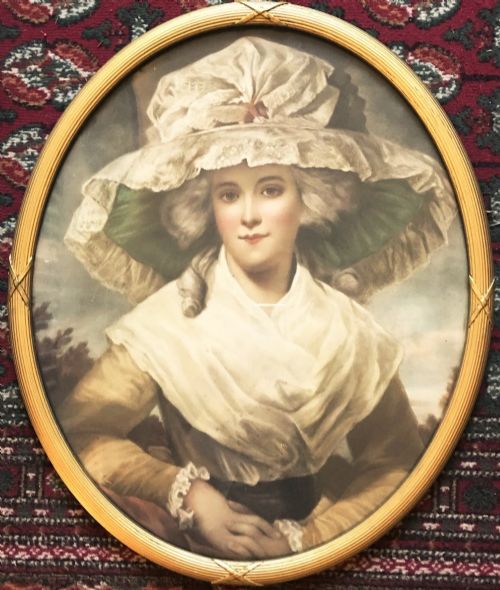
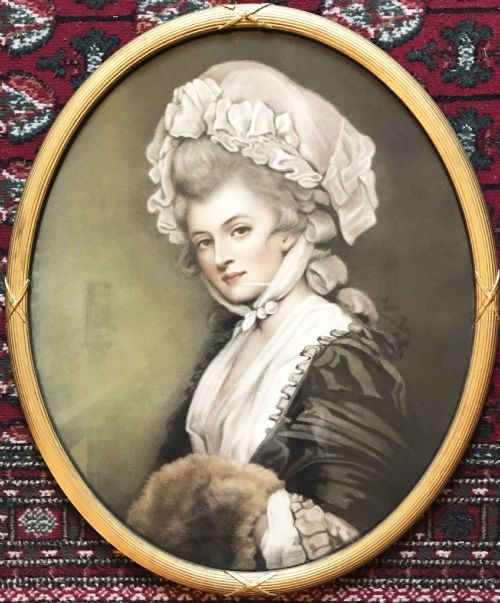
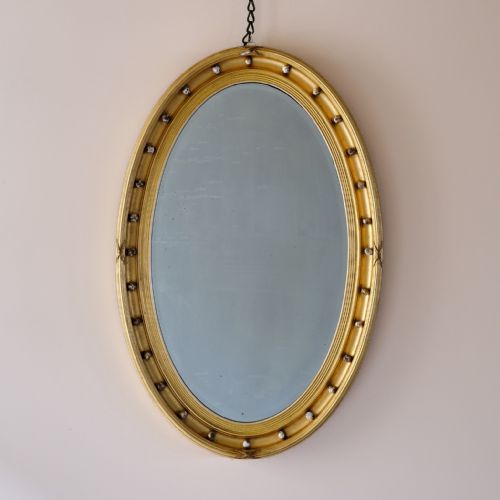

Oval Giltwood Portrait Frame
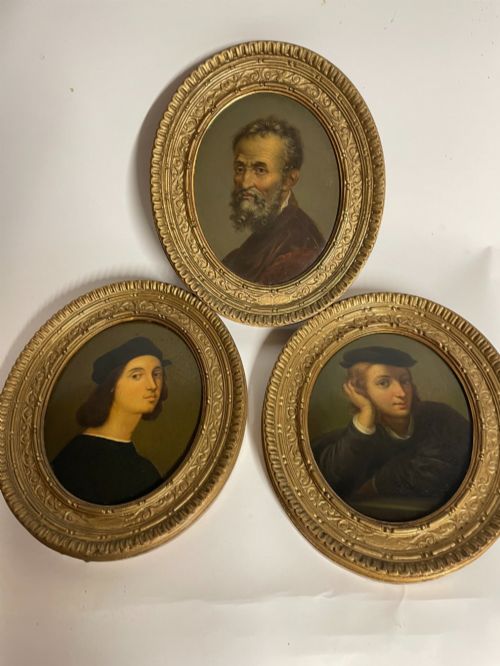
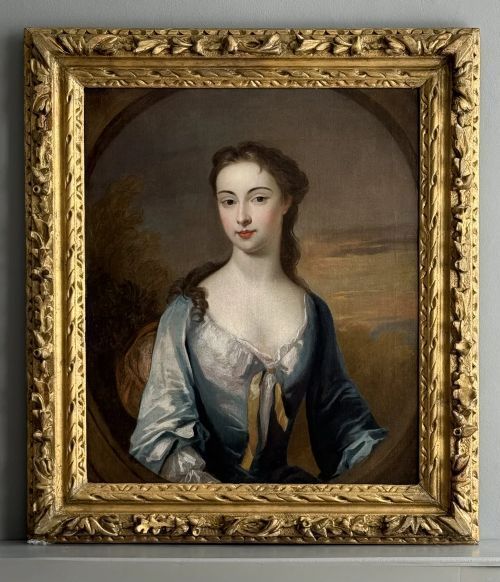
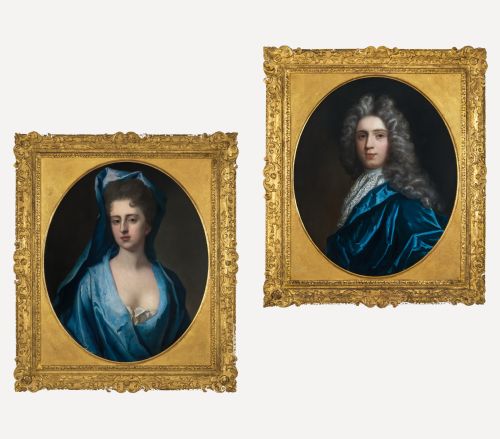
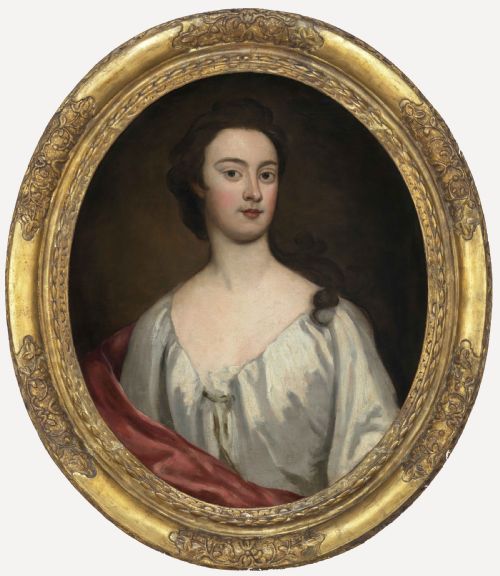
When you search for an oval giltwood portrait frame, you are looking at centuries of carved wooden artistry designed to house intimate likenesses.
Oval Giltwood Portrait Frame
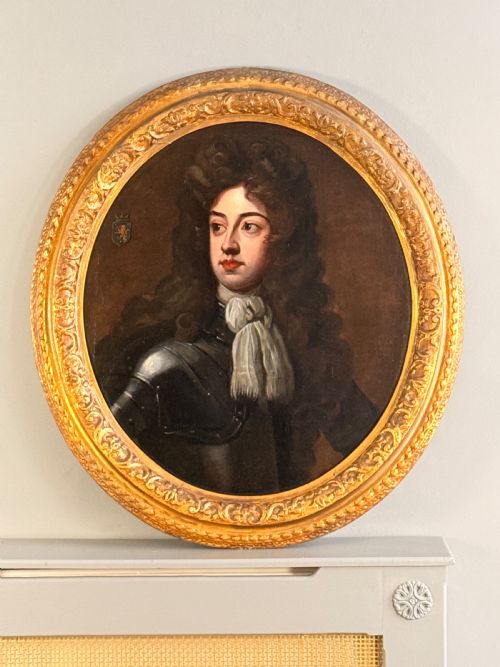
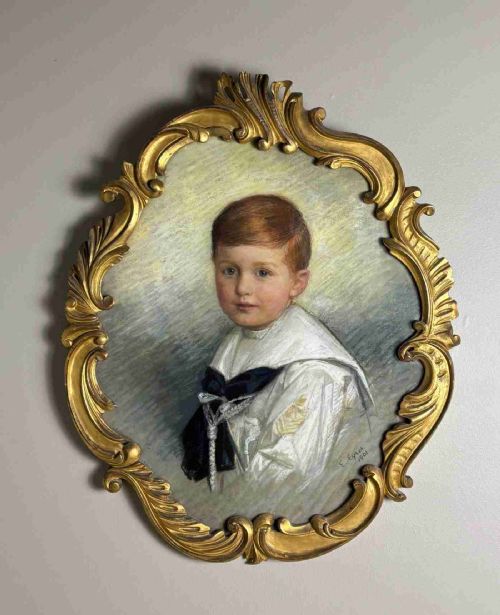
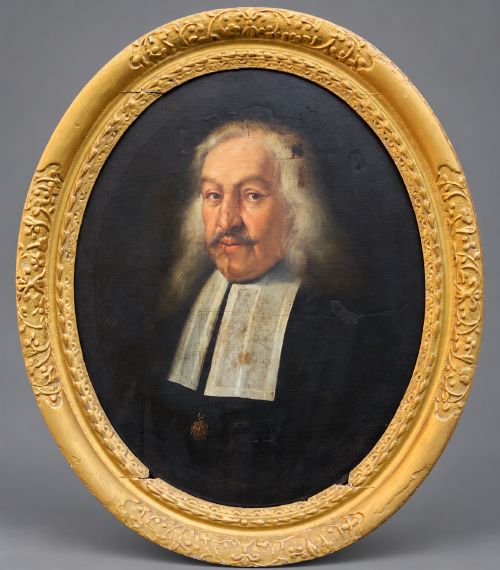
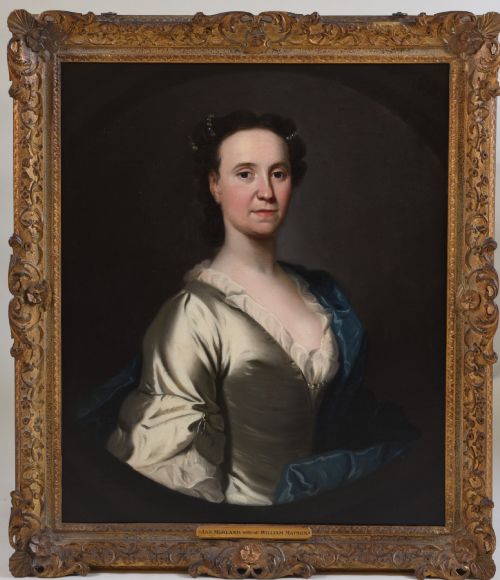
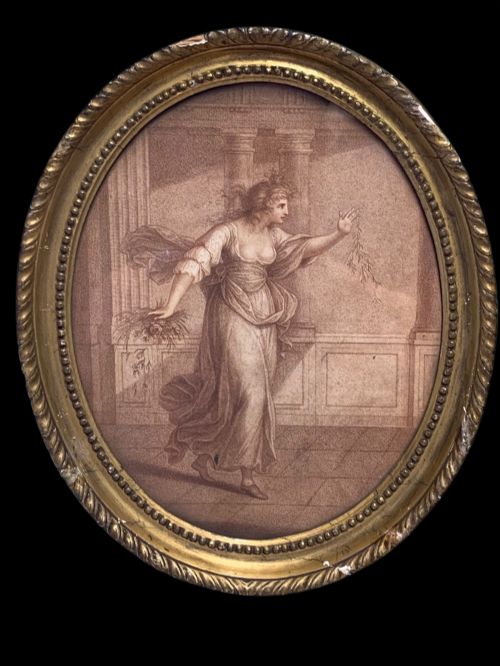
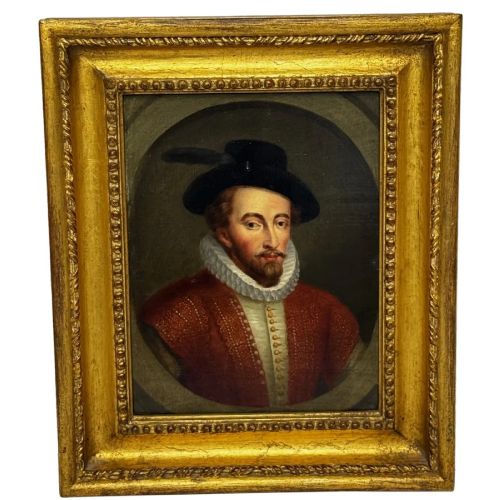
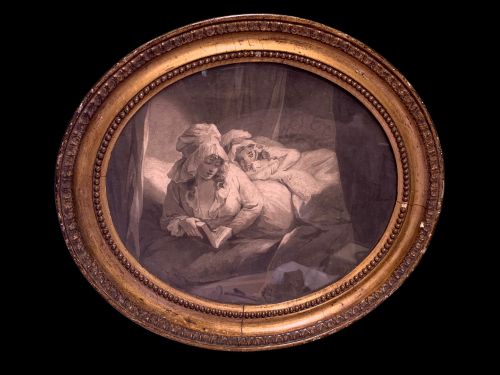
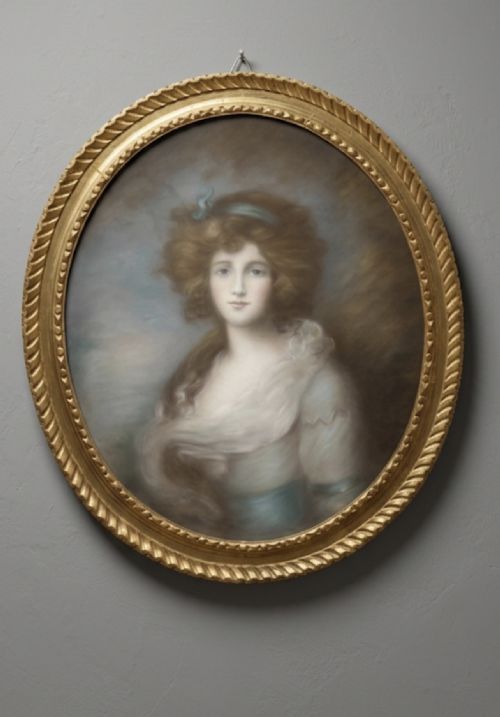
An oval giltwood portrait frame surrounds historic artwork, encompassing media such as oil on canvas, pastel, and print across British and European schools. These pieces frequently house items from the seventeenth, eighteenth, and nineteenth centuries, spanning Georgian, Victorian, and Edwardian periods.
The version most commonly met on this page is the traditional wall-hung portrait surround, often enclosing historical depictions of gentlemen, ladies, and children. Many examples retain their original pairing with period paintings, pastels, or engravings, preserving a cohesive historical object.
Makers and workshops constructed these surrounds to complement specific artistic genres, including British school portraits and French interior works. The integration of wood and gold leaf provides a distinct visual boundary that enhances the depth of the enclosed painting.
How they were made
Craftsmen shaped the structural base from solid timber, building curved sections to form the distinct oval geometry required for portraiture. This wooden foundation received layers of gesso to create a smooth, responsive surface for subsequent carving and gilding.
Artisans applied delicate gold leaf over the prepared gesso base, often burnishing sections to achieve varied reflectivity across the moulded ornamentation. The interaction between the underlying wood, gesso layer, and gold leaf gives these frames their characteristic warm surface.
Oval Giltwood Portrait Frame Retail Price Guide 2026
Typical asking prices for oval giltwood portrait frame among the pieces listed under this phrase on Sellingantiques today, from the lower quarter to the upper quarter. They describe what is for sale here now, not the wider market.
The inventory records portrait subjects ranging from seventeenth-century gentlemen to Edwardian children.
What varies in quality
The depth and crispness of the carved ornamentation separate standard examples from finer works, particularly where floral or classical motifs meet the curved edge. Superior craftsmanship shows in the precision of the gesso application and the subtlety of the burnishing on the gold leaf.
Proportion and the harmonious relationship between the oval opening and the outer moulded frame dictate the visual success of the piece. Surviving examples that retain their original gilding without heavy modern intervention command greater authenticity.
Thomas Murray·Emily Eyres·William Edward Frost·Robert Kemp·Enoch Seeman·Frans van der Mijn·George Knapton·Robert Byng·John Riley·Andrea Soldi·John Closterman·Michael Dahl
The Oval Giltwood Portrait Frame Glossary
- Giltwood
- Wood that has been coated with gold leaf or gold powder. This finish provides the characteristic metallic sheen seen on period frames.
- Gesso
- A plaster mixture applied to wood as a base for carving and gilding. It creates a smooth surface that holds fine decorative details.
- Pastel
- A dry drawing medium made of powdered pigment and a binder. Pastel portraits require protective glazing within the frame to prevent surface disturbance.
- Mezzotint
- A printmaking process where the engraver works from dark to light on a roughened copper plate. These prints often appear in period domestic interiors.
Oval Giltwood Portrait Frame: Frequently Asked Questions
What periods do these frames represent?
The listings encompass items ranging from the seventeenth century through the Victorian and Edwardian eras. These periods showcase shifting decorative tastes in interior woodwork.
Earlier examples often align with Baroque sensibilities, while later pieces reflect Georgian and neoclassical design preferences.
How should I hang an oval frame?
Secure hanging requires sturdy wall fixings that match the substantial weight of solid wood and gesso construction. Position the piece at eye level to appreciate the carved details of the moulding.
Ensure the placement avoids direct sunlight and damp environments to protect both the wooden substrate and the gold leaf finish.
Are the paintings usually original to the frame?
Many listings present works housed in their period surrounds, maintaining a historical link between the artwork and the housing. Portrait subjects frequently date from the same era as the construction of the enclosing wood structure.
Some items pair later prints or pastels with period frames, reflecting historical practices of framing and reframing artwork.
How do I identify a gesso finish?
Gesso appears as a smooth, dense white layer beneath the top gold leaf application, visible where surface wear has occurred. This material allowed carvers to achieve sharp relief work before gilding.
Examining the texture under magnification reveals the hand-prepared nature of the ground layer characteristic of older manufacturing methods.