

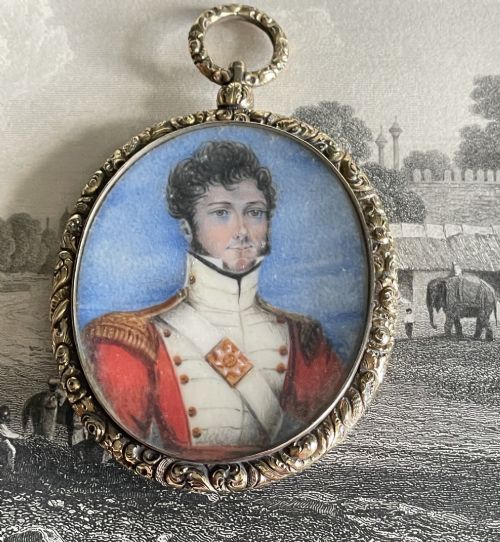
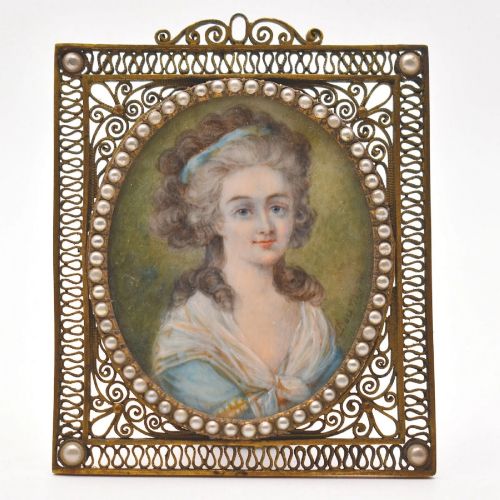


Oval Gilt Framed Miniatures
Oval gilt framed miniatures bring small-scale portraiture and silhouettes into domestic spaces through delicate metal and wood surrounds.
Oval Gilt Framed Miniatures
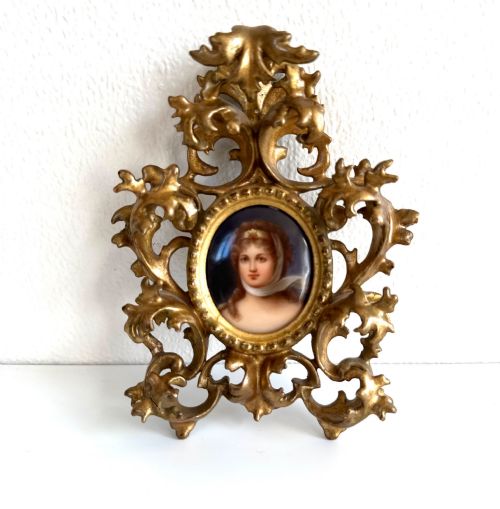
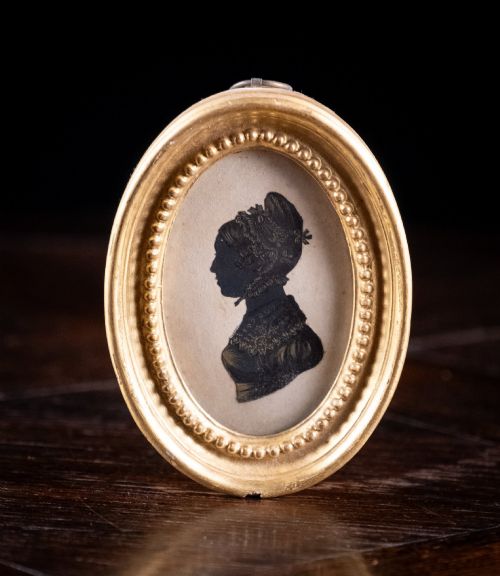
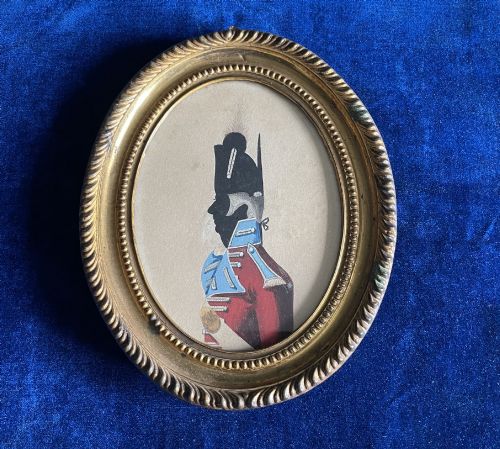
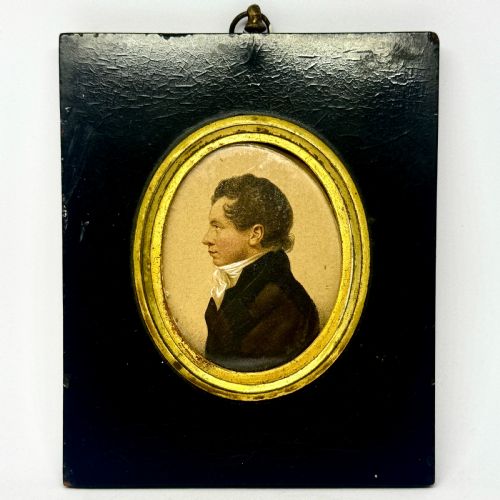
Oval gilt framed miniatures comprise small portraits, silhouettes, and decorative plaques housed within curved metal or gilded wooden surrounds. When searching for oval gilt framed miniatures, collectors encounter works executed across the eighteenth and nineteenth centuries, spanning Georgian, Regency, and Victorian periods.
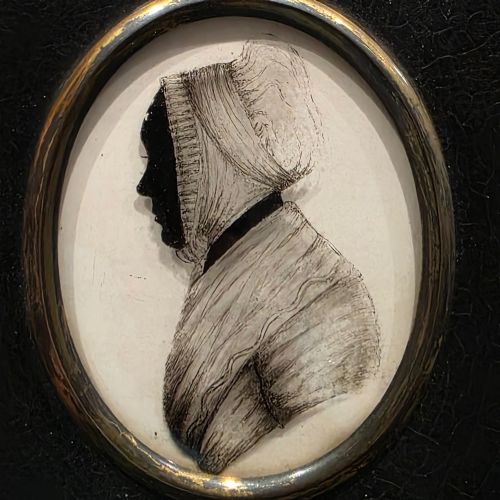
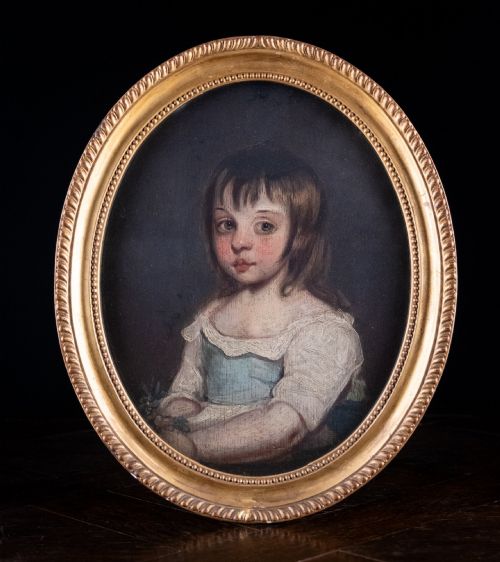
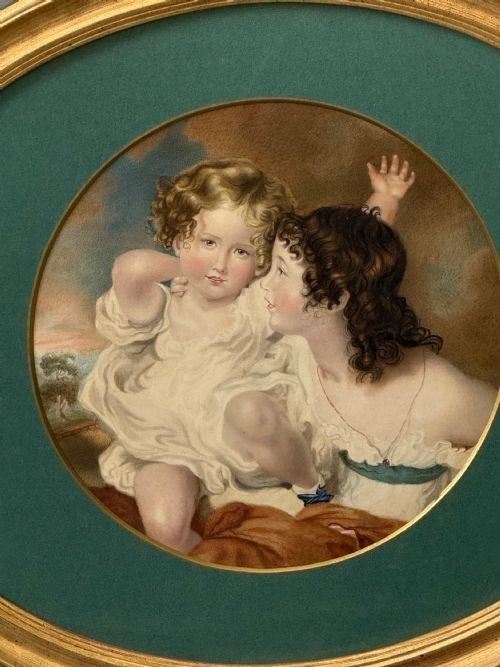
The subjects range from detailed watercolour and oil likenesses of family members and notable figures to cut silhouettes on paper, plaster, and glass. Many examples present intimate studies of individuals, captured through the hands of period artists working in British, French, and Anglo-Indian contexts.
How they were made
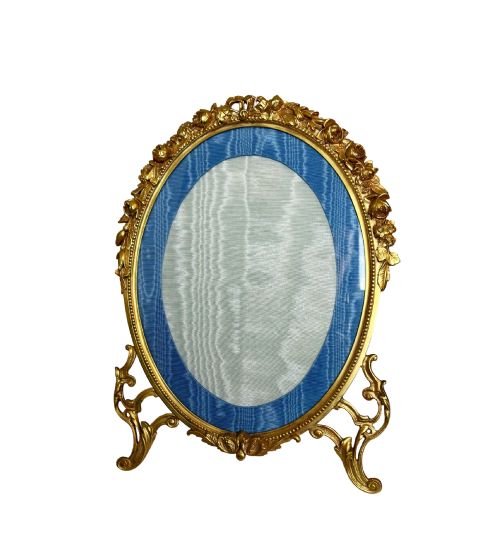
Surrounding enclosures relied on cast gilt metal, brass, and carved giltwood, frequently finished with gold leaf. Glazing protected the delicate painted or paper surfaces within their curved boundaries.
Several portraits preserve the specific likenesses of family friends, naval officers, and children accompanied by faithful dogs.
What varies in quality
Quality rests upon the precision of the portraiture and the execution of the surrounding frame. Finer examples display meticulous facial detail and confident brushwork by recorded artists, whereas simpler pieces rely on standard commercial production.
The integrity of the gilt finish and the preservation of the original glass and backing materials also dictate the standing of an individual piece.
James Sharples·John Miers·William Naish·George Hargreaves·Jeremiah Steele
The Oval Gilt Framed Miniatures Glossary
- Miniature
- A small-scale painting or portrait, typically executed on ivory, card, or paper during the eighteenth and nineteenth centuries.
- Silhouette
- A profile portrait filled in with a solid colour, commonly black, cut from paper or painted onto plaster or glass.
- Gilt metal
- A base metal treated with a gold wash or gilding technique to simulate solid gold frames.
- Giltwood
- Wood carved and coated with gold leaf, frequently utilised for nineteenth-century decorative frames and mirrors.
- Reverse painted
- A technique where pigment is applied to the rear side of a glass sheet, viewing the finished image from the front.
Oval Gilt Framed Miniatures: Frequently Asked Questions
How were oval gilt framed miniatures displayed?
These small pieces were designed to hang upon interior walls in groups or sit on desks and mantelpieces using small metal stands.
Their compact scale allowed owners to carry likenesses of family members or place them within private rooms.
What periods do these miniatures date from?
The available pieces primarily span the eighteenth and nineteenth centuries, encompassing Georgian, Regency, and Victorian eras.
Earlier examples often feature detailed watercolours or silhouettes on plaster, while later Victorian pieces utilise refined framing techniques.
How do I identify a silhouette miniature?
Silhouettes present a profile likeness, usually in black, created by cutting paper or painting directly onto card, plaster, or glass.
Artists such as John Miers specialised in this distinct medium during the late eighteenth century.
Are the frames usually original to the portraits?
Many pieces retain their period gilt metal, brass, or giltwood frames, which match the curved constraints of the artwork.
Examining the backings and fixings helps determine whether the frame and portrait have remained together since creation.