
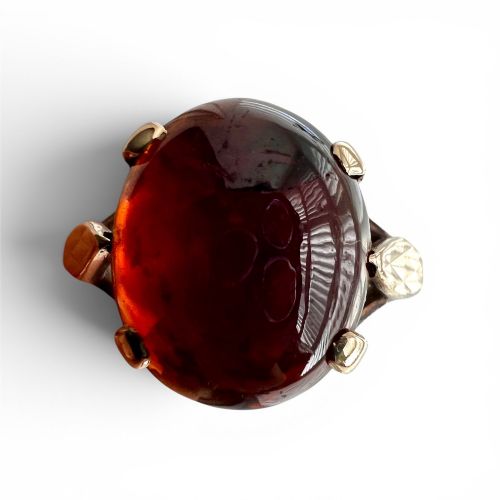

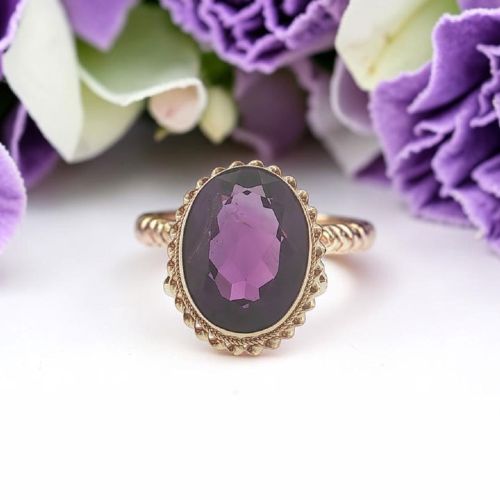
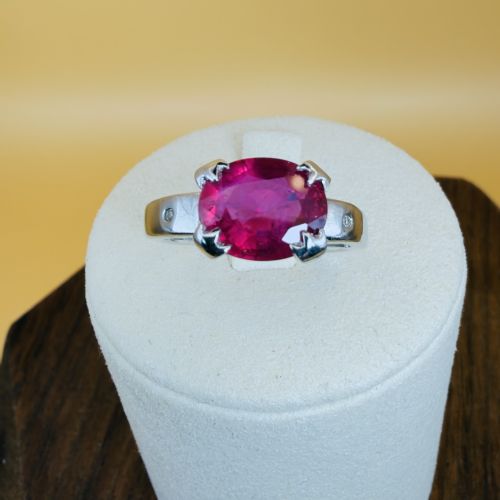
Oval Gemstone Dress Ring
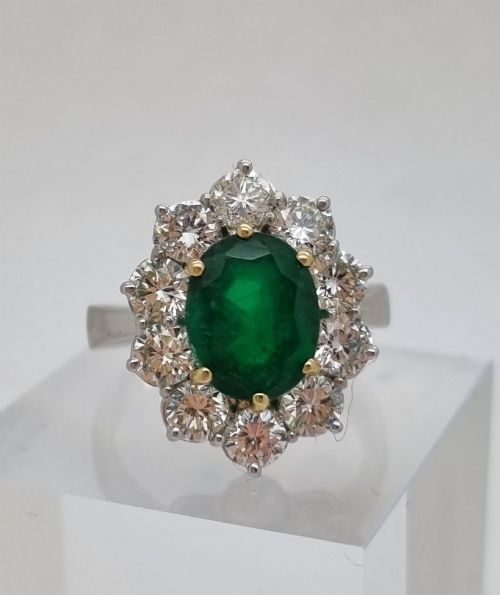
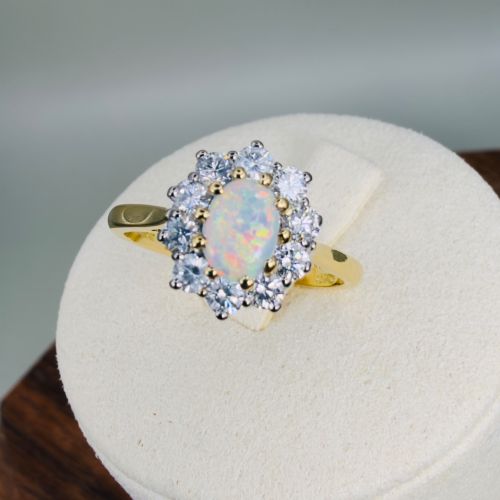
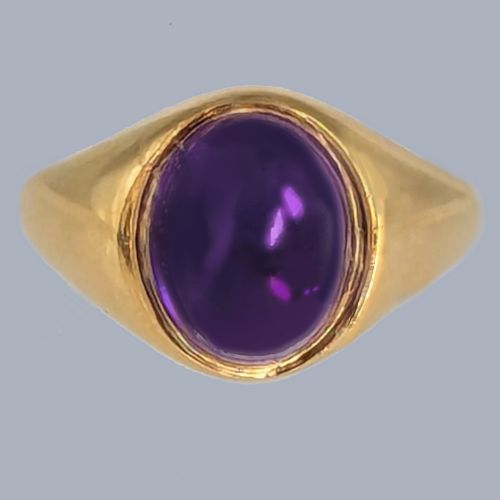
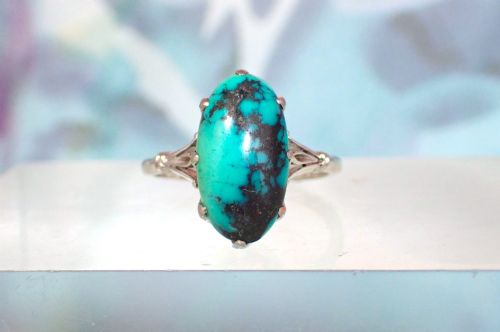
An oval gemstone dress ring carries a central oval stone framed by gold, platinum, or silver, bringing colour and presence to the hand.
Oval Gemstone Dress Ring
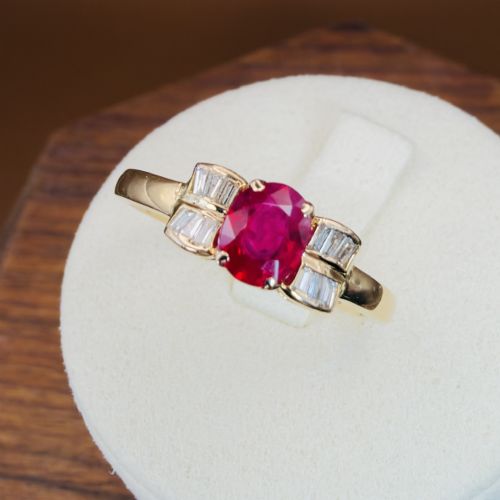
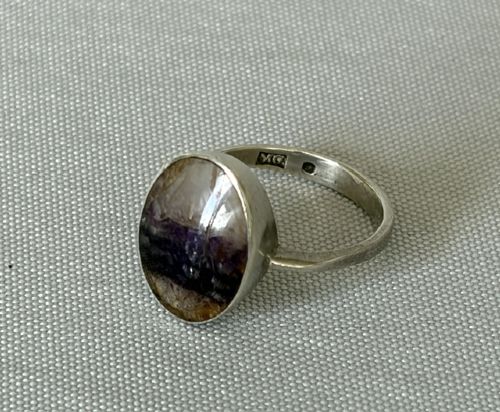
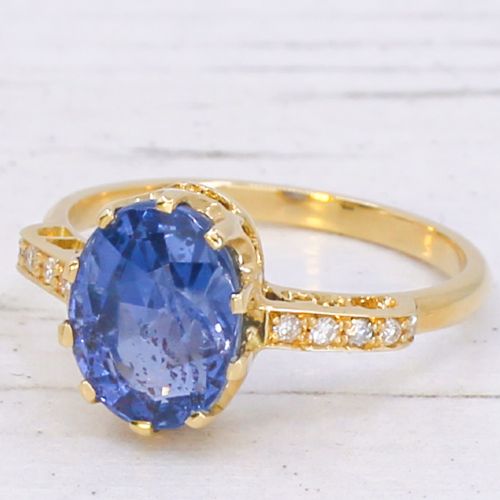
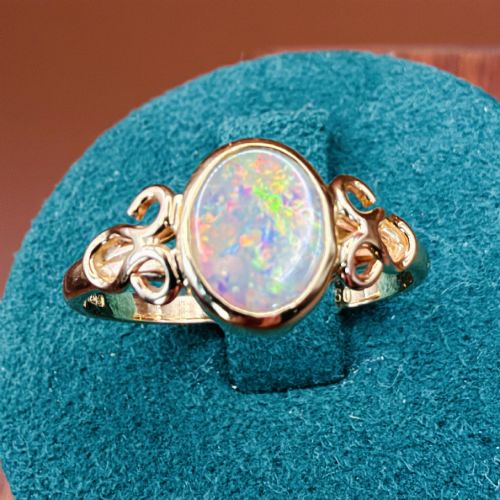
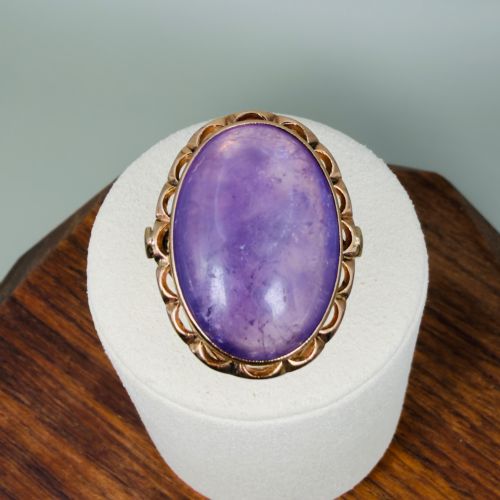
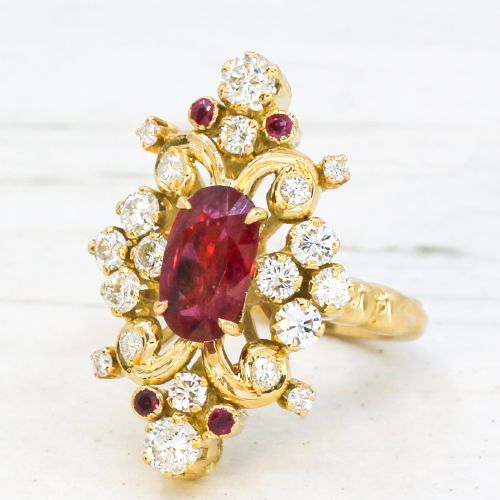
An oval gemstone dress ring spans periods from the 19th century through the Victorian, Edwardian, and Art Deco eras into mid-century and vintage designs. These pieces appear as cluster rings, cocktail rings, and solitaire rings set with stones such as sapphire, ruby, emerald, opal, and jade.
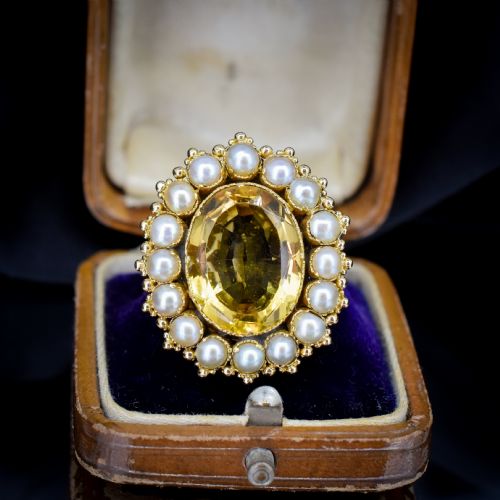
The oval cut and the rounded cabochon form dominate the listings, frequently surrounded by diamond halos or accent stones. Buyers encounter metals ranging from 9ct and 18ct yellow and white gold to platinum, silver, and rose gold.
How they were made
Goldsmiths set stones into yellow, white, and rose gold, platinum, and silver using bezel, halo, and claw configurations. Cluster designs layer diamonds around central rubies, sapphires, emeralds, and opals.
Stones are shaped into faceted oval cuts or smooth cabochons, sometimes accompanied by baguette or old-cut diamonds. Heavier mounts utilise substantial hallmarked gold shanks alongside lighter sterling silver or platinum settings.
Some rings include adjustable shanks designed to accommodate changing fingers without a visit to the bench.
What varies in quality
Quality rests in the depth of colour and natural state of the central gemstone, alongside the weight and purity of the precious metal. Unheated rubies and sapphires or substantial opal and jade cabochons elevate a piece.
The precision of the stone setting and the integration of surrounding diamond accents determine the overall balance. Substantial hallmarked shanks and certified gemmological reports add distinction to individual rings.
The Oval Gemstone Dress Ring Glossary
- Cabochon
- A gemstone shaped with a smooth, rounded surface rather than facets. This cut is common for opals, jade, garnets, and amethysts.
- Cluster ring
- A ring featuring a central prominent stone surrounded by smaller accent stones, typically diamonds.
- Halo
- An arrangement of smaller gemstones encircling a larger central stone. This setting enhances the visual presence of the primary gem.
- Solitaire
- A ring set with a single gemstone, omitting surrounding accent stones. This highlights the character of the main stone.
- Trilogy
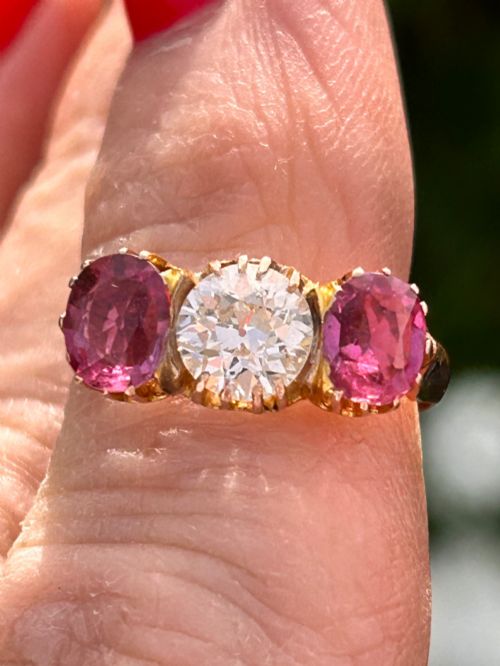
- A ring set with three stones arranged in a row, often representing past, present, and future. These pieces appear in Victorian styles.
Oval Gemstone Dress Ring: Frequently Asked Questions
What periods do these rings come from?
The selections span the 19th century, Victorian, Edwardian, and Art Deco periods, alongside mid-century and vintage decades.
Craftsmanship and metal choices shift across these eras, reflecting changing styles from heavy gold solitaires to diamond-haloed cocktail clusters.
Which gemstones appear in these designs?
Central stones include rubies, sapphires, emeralds, opals, jade, amethysts, garnets, aquamarines, tanzanites, and tourmalines.
Many pieces pair these coloured gems with surrounding diamonds set in gold or platinum.
How do cluster rings differ from solitaires?
Cluster rings feature a central gemstone surrounded by smaller accent stones, such as a halo of diamonds. Solitaires focus entirely on one standalone stone.
Cluster designs offer greater visual width on the hand.
What metals are used for the bands?
Bands utilise 9ct, 14ct, and 18ct yellow, white, and rose gold, alongside platinum and sterling silver. Some older pieces combine gold and silver in the setting.
Hallmarks often indicate the metal purity and the office of assay.