


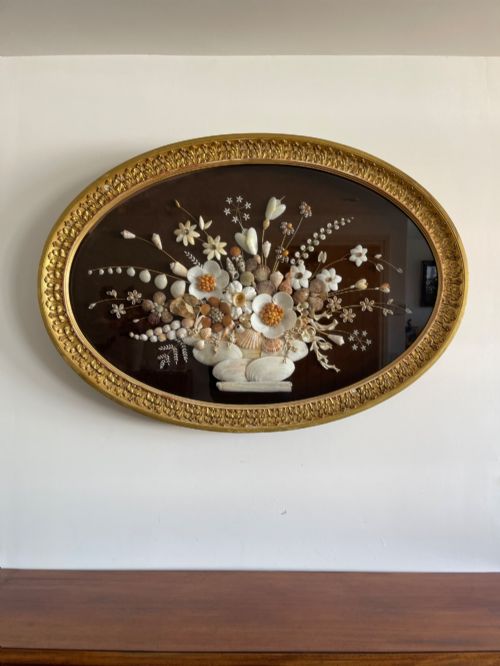
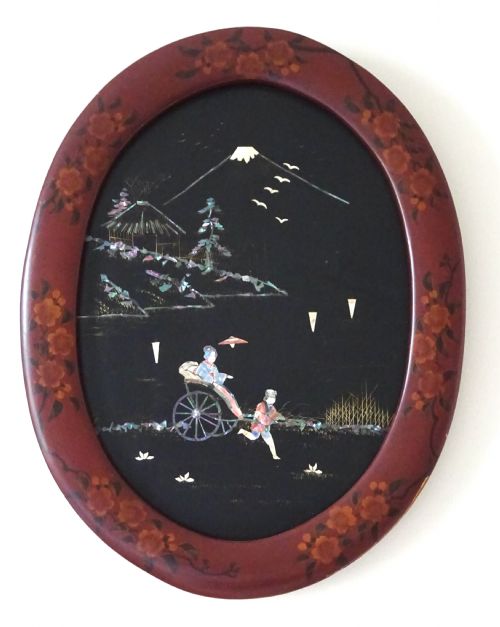
Oval Framed Wall Picture
An oval framed wall picture brings curved lines and historic character to a room, holding everything from delicate silk embroidery to oil portraits.
Oval Framed Wall Picture
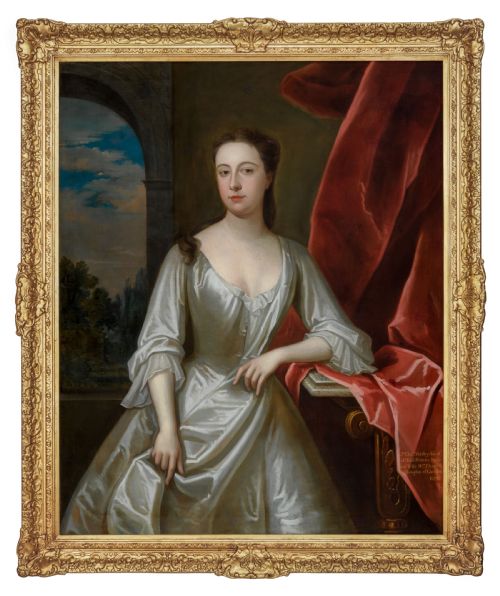
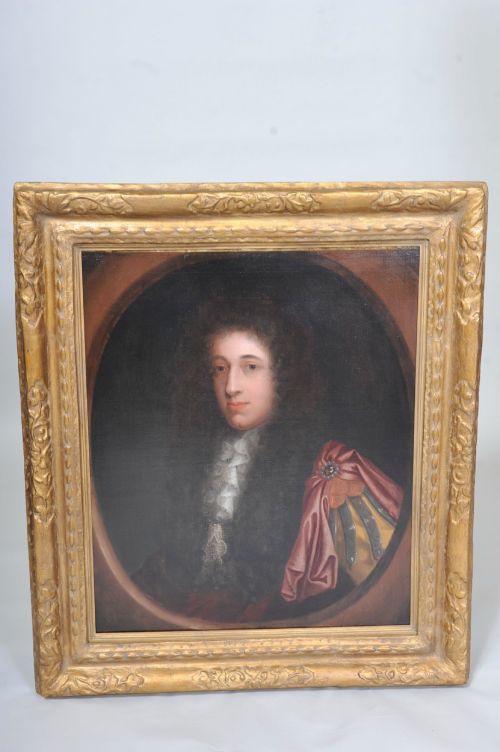
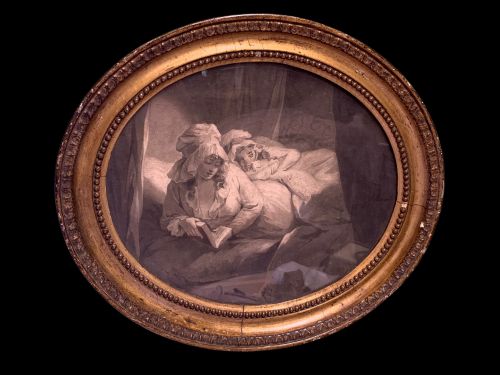
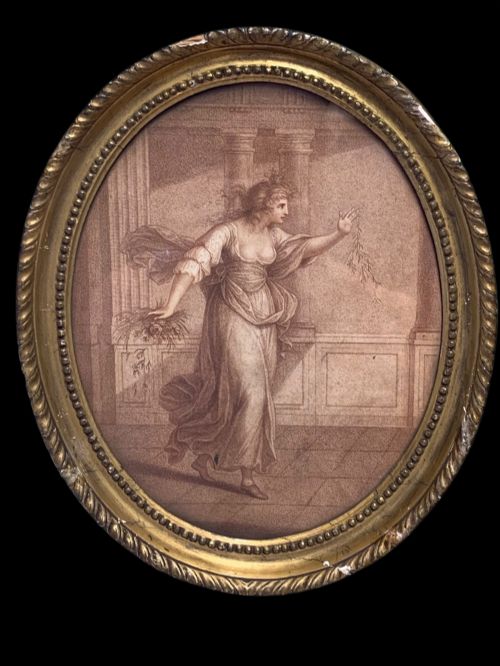
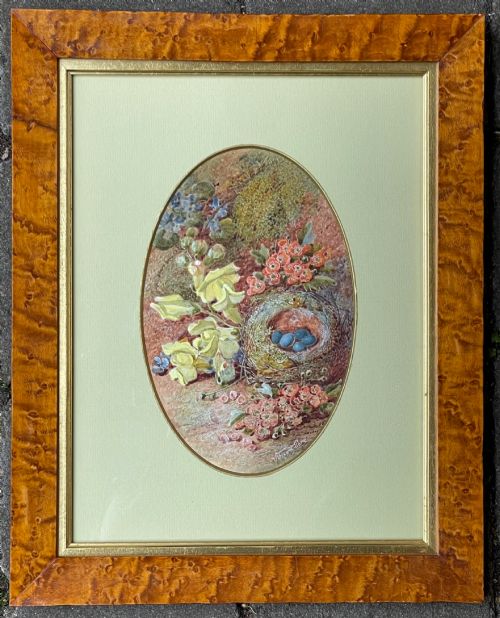
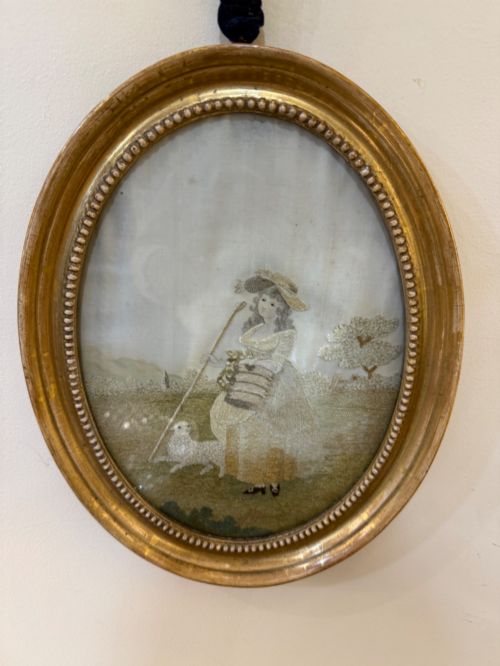
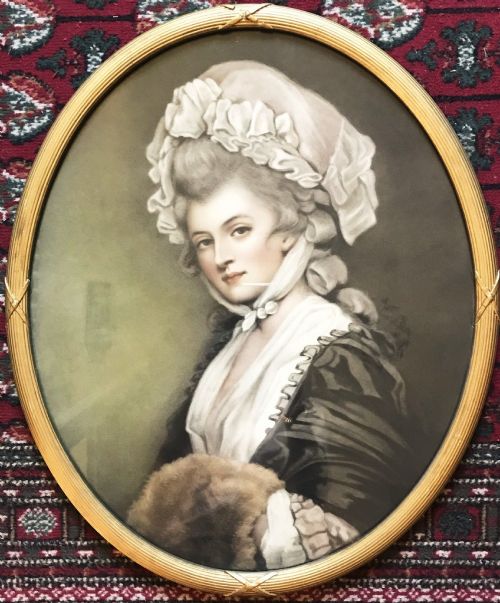
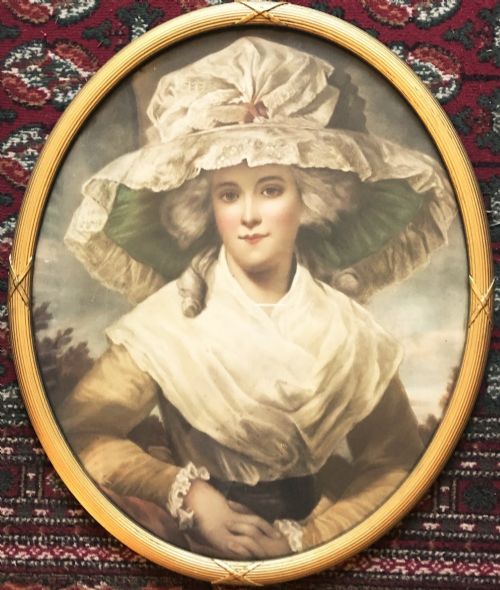
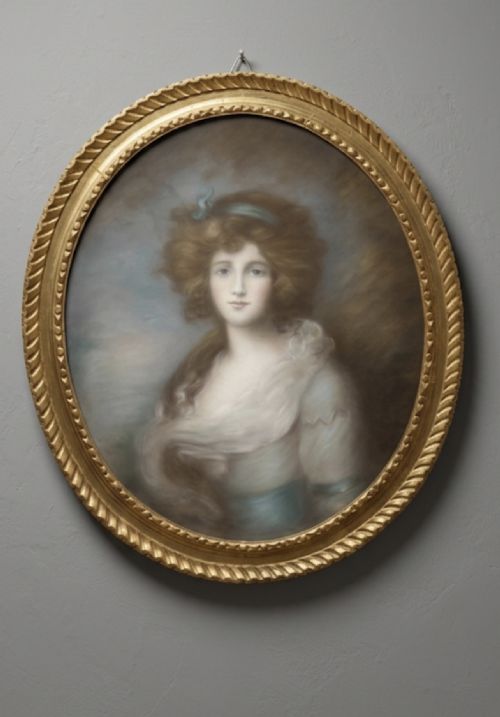
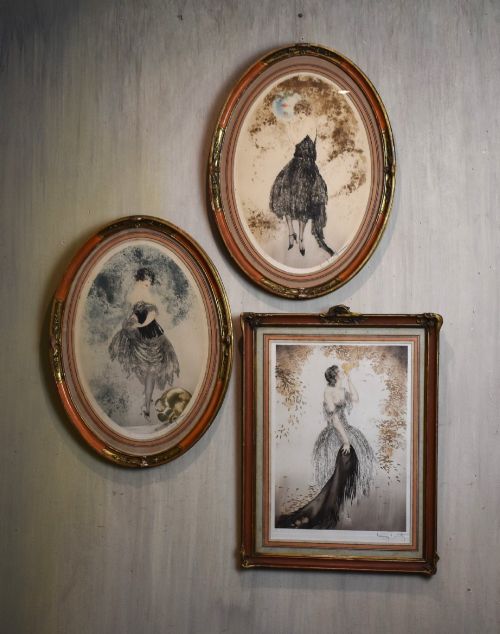
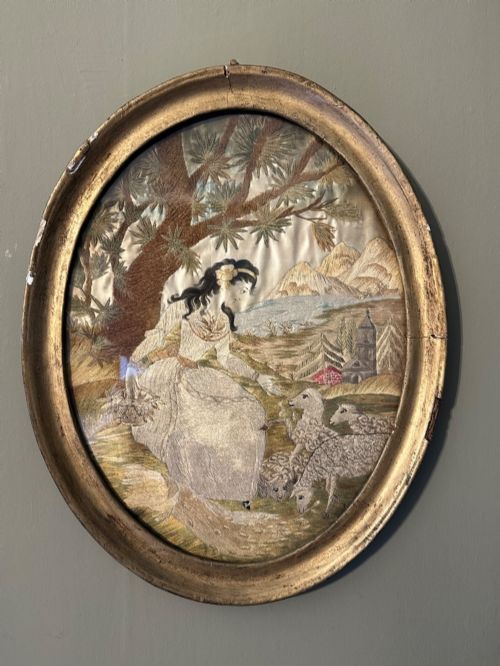
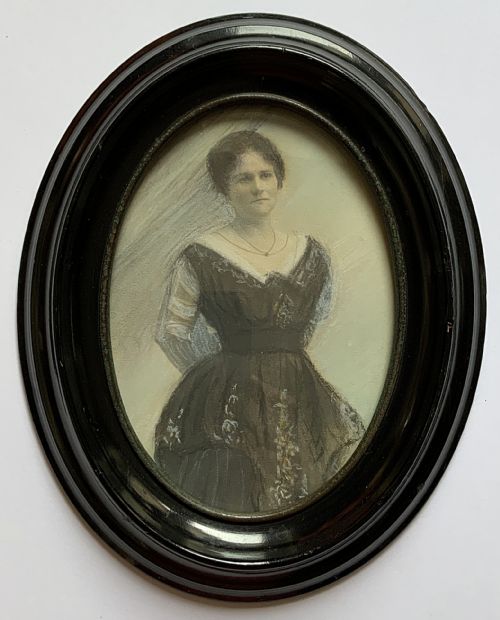
When someone searches for an oval framed wall picture, they encounter a diverse selection of wall art spanning multiple centuries, from 17th-century gentleman portraits to 20th-century decorative panels. The items encompass traditional paintings, detailed watercolours, stipple engravings, and textile works such as silk embroidery and woolwork.
The dominant forms on this page include portrait miniatures, landscape scenes, and botanical or butterfly prints housed within curved enclosures. These pieces range from formal Georgian depictions of ladies and gentlemen to vernacular shellwork and cut paper pictures.
Originating across British and European workshops, these works bridge the gap between fine art and decorative craft. They appear in periods including the Georgian, Regency, Victorian, and early twentieth-century eras, reflecting the changing tastes in domestic interior decoration.
Materials and technique
The physical construction of an oval framed wall picture relies heavily on organic substrates and specialised framing techniques. Artists worked on canvas, wood boards, heavy paper, silk, and vellum using oil paints, watercolours, pastel, and ink.
Frames play a structural and aesthetic role, frequently utilising carved wood, giltwood, gold leaf, and red lacquer. Many pieces incorporate glass protection, sometimes featuring reverse-painted glass borders known as verre églomisé to frame the central subject.
The listings span from the seventeenth century through the 1960s, encompassing oil paintings, textiles, engravings, and shellwork.
What varies in quality
Quality in these works is defined by the execution of the primary medium, whether that is the brushwork in an oil painting or the meticulous hand of a silk embroidery. Finer examples display accomplished draughtsmanship and depth, particularly in portraiture where facial expression and proportion require high skill.
The integrity of the enclosing frame matches the importance of the artwork itself, with hand-carved giltwood and period glass representing superior craftsmanship. Original mountings and untouched period frames elevate the overall cohesion and historical standing of the piece.
Sir Godfrey Kneller·Vincent Clare·Thomas Gainsborough·Louis Icart·James Thomas Linnell·George Atkinson·George Hargreaves·Fernand Toussaint
The Oval Framed Wall Picture Glossary
- Stipple engraving
- A printmaking technique using dots to create tonal gradations and subtle shadows. This method was often employed for portraits and romantic scenes.
- Verre églomisé
- A cold decoration technique where design is applied to the reverse side of glass using gold or silver leaf. It creates a reflective, decorative border around the artwork.
- Silkwork
- Embroidery executed using silk threads on a fabric ground, frequently seen in Georgian and Regency pictorial works. These pieces often depict pastoral or sentimental subjects.
- Giltwood
- Wood that has been coated with a thin layer of gold leaf or gesso and gold paint. It provides a bright, reflective finish typical of period frames and mirrors.
- Miniature
- A small-scale painting or portrait, often executed with fine detail on ivory, vellum, or paper. They were popular personal items in the eighteenth and nineteenth centuries.
Oval Framed Wall Picture: Frequently Asked Questions
How do I hang an oval frame securely?
Oval frames require specific hanging hardware attached firmly to the structural wood rather than the decorative moulding. Two fixing points distribute weight evenly and prevent the picture from tilting.
Ensure the wall anchor matches the weight of the glass and wood construction to protect the piece from accidental falls.
Are these frames original to the artwork?
Many pieces retain their period frames, which show appropriate wear and construction methods consistent with the date of the artwork. Replacements do occur over centuries of curation.
Examining the rabbet and the fit at the curved corners helps determine whether the frame and picture have a long shared history.
How should I clean antique glass and frames?
Dust the giltwood or lacquered surface gently with a soft, dry brush to prevent damage to delicate gold leaf or paint. Avoid commercial sprays near the artwork.
Clean the glass with a minimal amount of window cleaner applied to a cloth rather than directly on the glass, keeping moisture away from the internal paper or fabric.
What rooms suit oval framed pictures best?
Curved frames soften the rigid geometric lines created by doorways, bookshelves, and rectangular furniture arrangements. They work effectively in hallways, studies, and drawing rooms.
Grouping companion pieces or mixing them with rectangular artworks creates visual balance on a gallery wall.