


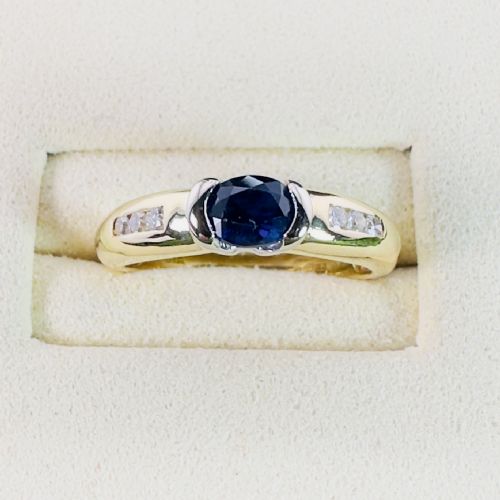


Oval Cut Blue Gemstone
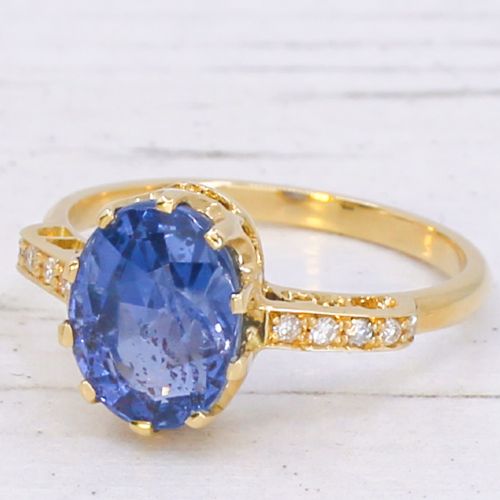
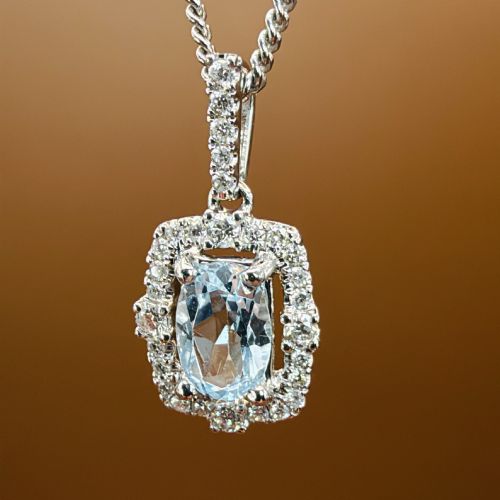
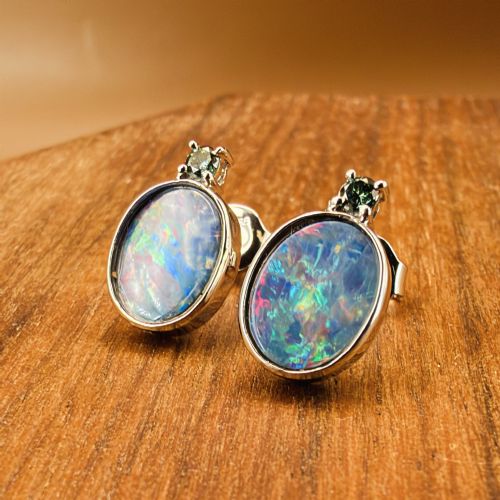
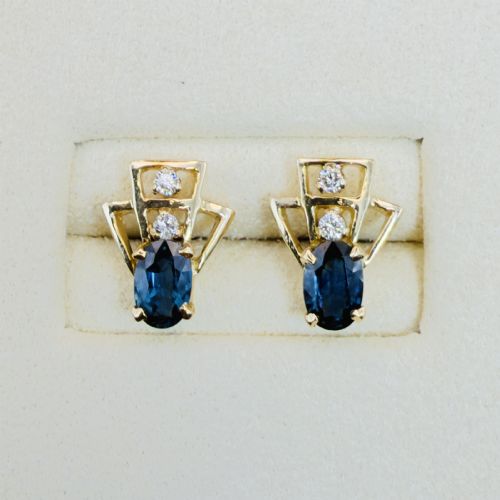
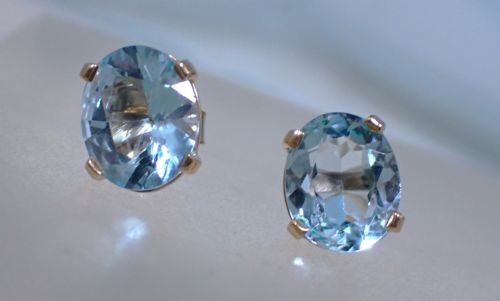
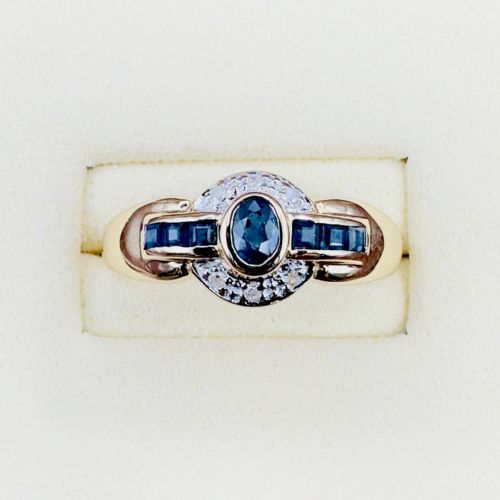
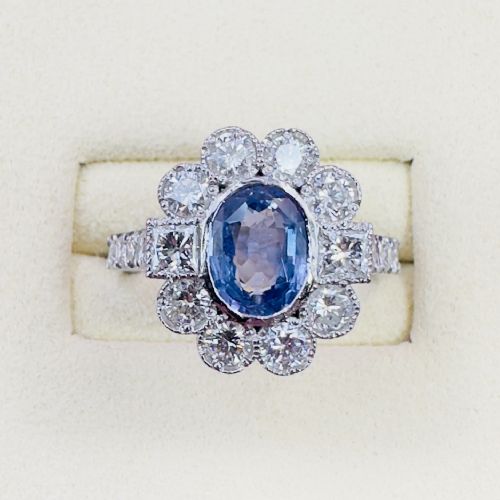
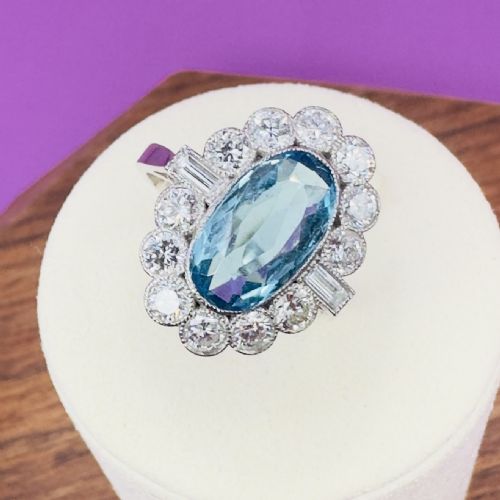
An oval cut blue gemstone sits at the heart of these rings, earrings, and pendants, offering a classic form defined by cool colour and clear facets.
Oval Cut Blue Gemstone
An oval cut blue gemstone appears most frequently in rings, earrings, and pendant necklaces spanning the Victorian, Edwardian, Art Deco, and mid-century periods. These pieces range from substantial cluster rings featuring sapphires and diamonds to simpler gold stud earrings set with aquamarine or topaz.
Buyers seeking this search phrase will regularly encounter sapphire, aquamarine, tanzanite, and blue topaz set alongside diamond accents. The forms vary from solitary unheated Ceylon stones to elaborate cluster rings and pendant necklaces framed in platinum or gold.
Materials and Construction
The metalwork spans platinum, 18ct white and yellow gold, 14ct gold, and 9ct gold, providing sturdy settings for each oval stone. Master jewellers utilised claw settings, bezels, and cluster arrangements to secure central gems alongside smaller surrounding diamonds.
Stones are faceted into the characteristic oval silhouette to maximise light return and colour depth. Surrounding diamonds are often cut as old cuts, rose cuts, or modern brilliants to complement the primary blue stone.
Current site listings unite platinum and various gold purities with sapphires, aquamarines, tanzanites, and topazes across multiple twentieth-century decades.
Distinguishing Quality
Quality rests upon the natural saturation and clarity of the central blue gemstone, alongside the absence of artificial treatment in stones such as unheated Ceylon sapphires. Heavier carat weights and precise cutting significantly elevate the stature of a piece.
The choice of setting metal also defines the tier of the jewellery, with platinum and 18ct gold housings holding higher status than lower carat alternatives. Furthermore, the fineness of accompanying diamond work and period integrity separate standard examples from exceptional items.
The Oval Cut Blue Gemstone Glossary
- Cluster ring
- A ring design featuring a prominent central gemstone encircled by a border of smaller stones, typically diamonds. This arrangement enhances the visual presence of the primary gem.
- Ceylon sapphire
- A sapphire originating from Sri Lanka, historically renowned for a vibrant and lively blue hue. These stones are often prized in unheated natural states.
- Old cut diamond
- An earlier diamond cutting style characterised by a high crown, small table, and deep pavilion. This cut produces a distinctive soft sparkle under candlelight.
- Rose cut diamond
- A vintage diamond facet pattern featuring a flat base and a domed crown with triangular facets. It resembles an unopened rosebud.
- Unheated sapphire
- A natural sapphire that has not undergone thermal enhancement to improve colour or clarity. Such stones command particular interest among collectors.
Oval Cut Blue Gemstone: Frequently Asked Questions
What periods do these pieces come from?
The inventory spans several distinct eras, including Victorian, Edwardian, Art Deco, and mid-century designs. Each period brings its own characteristic metal choices and mounting styles.
Buyers will find that 1950s and 1960s pieces appear frequently alongside older antique items from the early twentieth century.
Which stones are classified under this phrase?
This category primarily includes sapphire, aquamarine, tanzanite, and blue topaz fashioned into an oval silhouette. Sapphires often originate from Ceylon.
Alternative blue varieties appear alongside diamond accents in both cluster rings and pendant necklaces.
How do I care for my gemstone jewellery?
Protect your jewellery by storing pieces individually to prevent softer stones or metals from scratching. Remove rings and pendants during manual labour or swimming.
Clean settings gently using warm soapy water and a soft brush, avoiding harsh chemical dips.