




Outdoor Metal Planter Trough
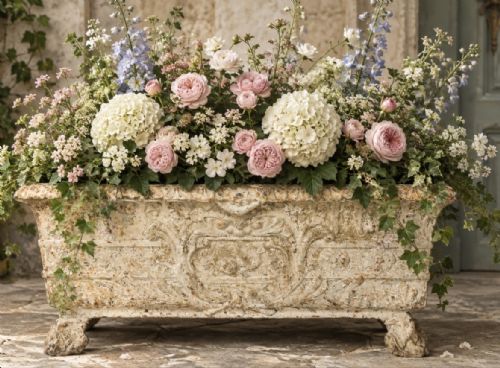
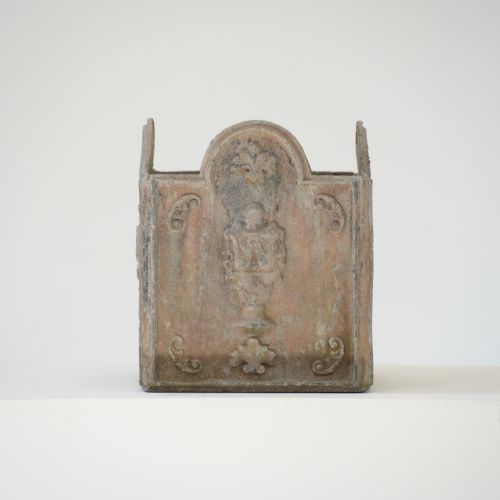
An outdoor metal planter trough brings heavy character to a terrace, forged from cast iron, lead and zinc.
Outdoor Metal Planter Trough
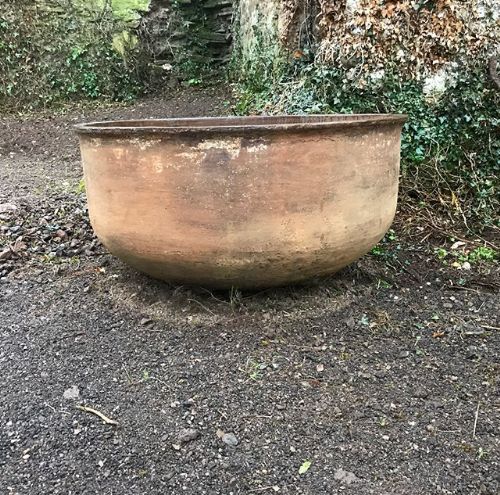
An outdoor metal planter trough takes the form of heavy garden vessels and long window boxes designed to hold earth and plants. When you search for an outdoor metal planter trough, you meet 19th-century pieces alongside Georgian, Victorian and Regency examples shaped from iron, lead and zinc.
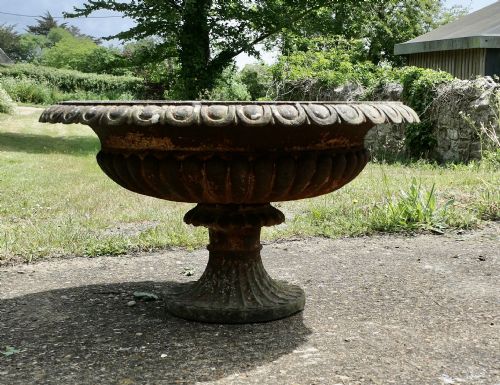
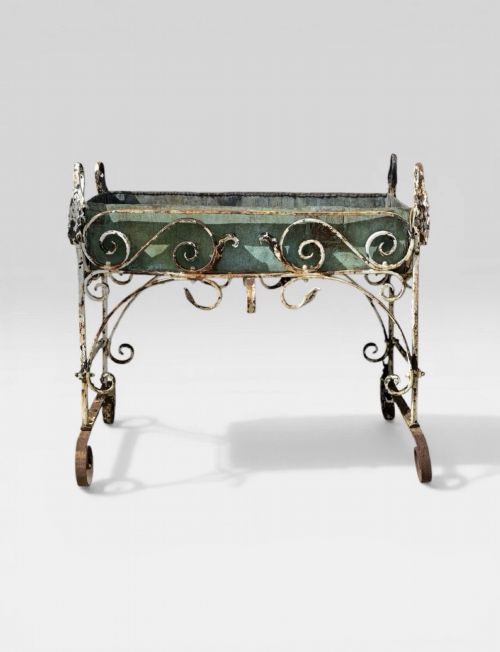
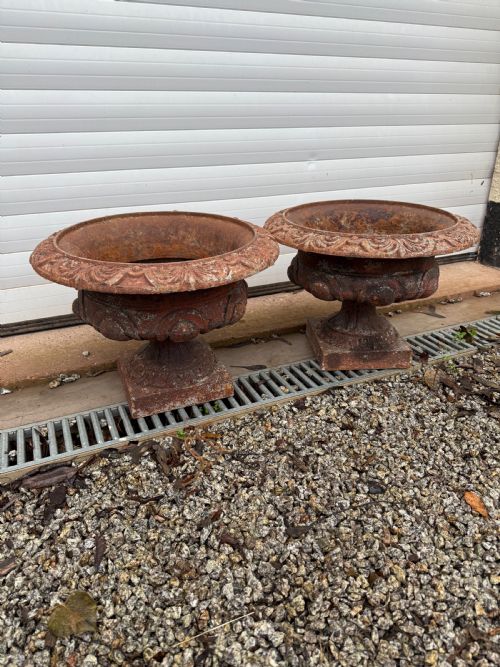
The selection ranges from large cast iron garden urns and jardinieres to wrought iron strapwork planters and steel troughs. Many appear as pairs suitable for framing a doorway or lining a patio wall.
How they were made
Foundries cast molten iron into thick-walled urns and troughs, creating robust structures that withstand the elements. Smiths hammered and joined sheets of zinc and steel or formed wrought iron strapwork into linear garden boxes.
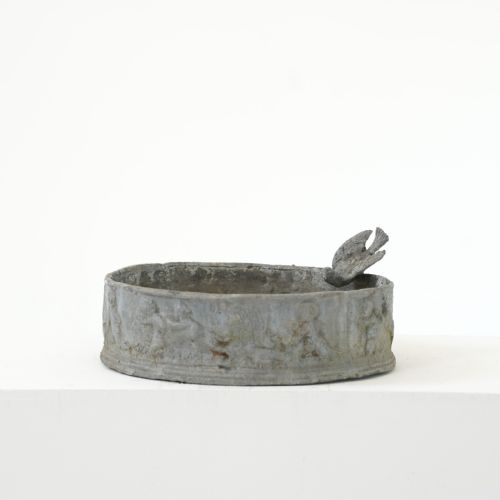
Casters poured lead into moulds to produce durable jardinieres and bird baths, often embellishing the exterior surfaces with classical or neoclassical motifs. Paint was applied to protect the metal and finish the exterior appearance.
Several heavy lead troughs double as bird baths, doubling the utility when garden visitors splash about.
What varies in quality
The distinction lies in the thickness of the cast metal and the clarity of the decorative detailing on the exterior walls. Heavier cast iron and substantial lead troughs show crisper moulding and hold their structural integrity better than thinner sheet metal.
Matched pairs command greater interest than single pieces, particularly when scale and proportion balance each other. The integrity of the original material surface and the absence of excessive structural replacement define the better examples.
The Outdoor Metal Planter Trough Glossary
- Cast iron
- Iron poured into a mould to create rigid, heavy garden vessels with defined ornamentation. This material provides the substantial weight seen in many 19th-century garden urns.
- Wrought iron
- Iron heated and beaten into shape by hand to form structural strapwork and frames. It yields flexible, durable window boxes and planters.
- Jardiniere
- An ornamental pot or trough designed specifically to hold plants or flowers. These vessels often sit on patios and in conservatories.
- Strapwork
- Decorative bands of metal applied in geometrical patterns across the body of a planter. This technique adds rigidity and surface relief.
- Regency
- An English design period spanning the early 19th century characterised by classical restraint. Pieces from this era often utilise lead.
Outdoor Metal Planter Trough: Frequently Asked Questions
How do I clean an old metal planter?
Wash the surface gently with water and a soft brush to remove accumulated dirt without disturbing the existing patina or protective paint layers.
Avoid harsh chemical strippers or abrasive pads that can strip the historic surface of iron, lead or zinc vessels.
Can I leave lead troughs outside in winter?
Lead withstands freezing temperatures well due to the stable nature of the metal and its resistance to corrosion in damp weather.
Ensure drainage holes remain clear so expanding ice does not crack the base or sides of the trough.
Where should I place a heavy cast iron urn?
Position these heavy pieces on firm, level ground or a reinforced patio surface that can support significant weight when filled with soil.
Place them near entryways or along terrace walls where their scale frames the surrounding garden space.
How do I identify a 19th-century iron planter?
Examine the casting quality for rough texture, heavy walls and classical neoclassical motifs popular during the Victorian era and earlier.
Look for evidence of early paint layers and the specific manufacturing methods characteristic of 19th-century foundries.