
Outdoor Iron Seat
An outdoor iron seat anchors a garden landscape, bringing enduring metalwork and comfortable resting spots to lawns and terraces alike.
Outdoor Iron Seat
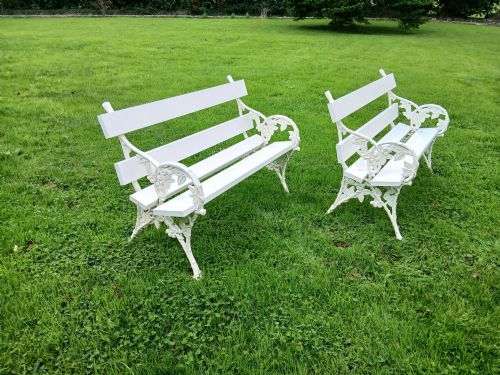
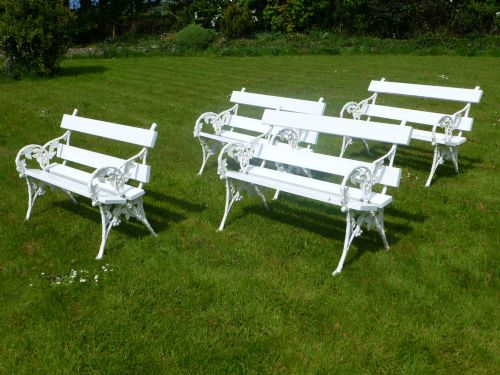
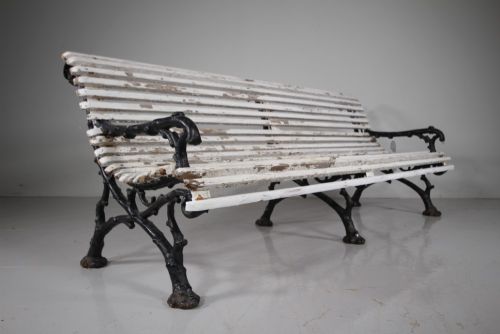
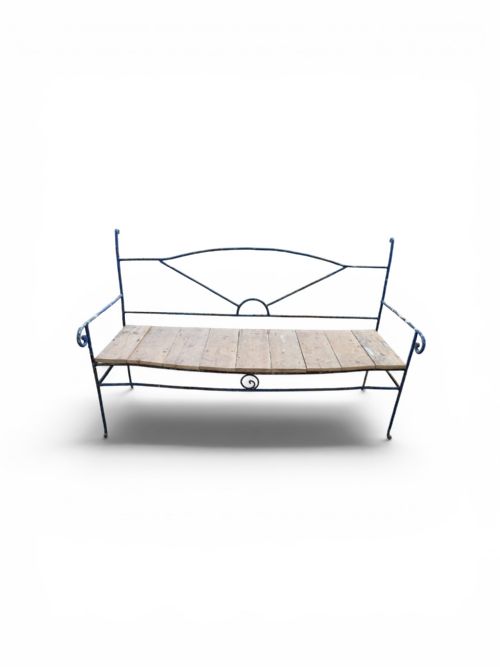
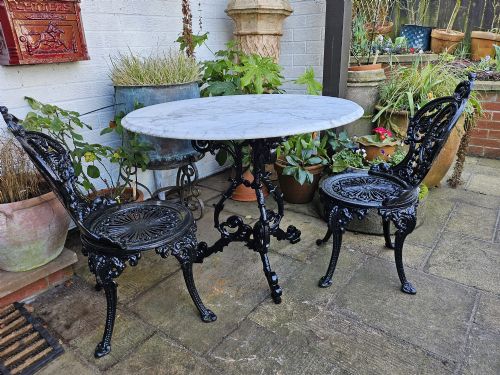
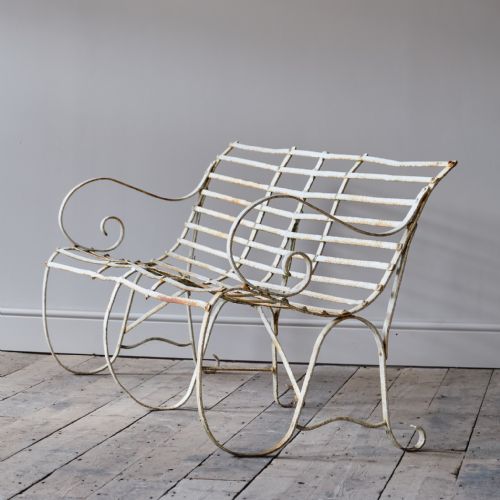
When searching for an outdoor iron seat, buyers encounter robust garden furniture designed to withstand the elements while providing a sturdy place to sit. These pieces range from simple park benches to elaborate armchairs and matching garden dining sets.
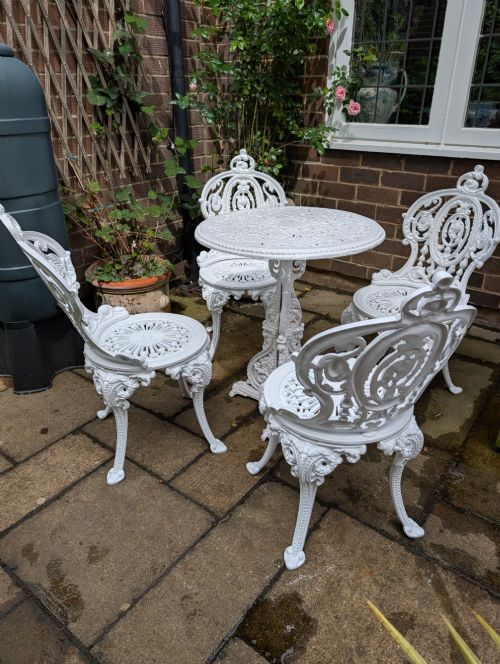
The selections span multiple periods, with nineteenth-century Victorian and Regency designs appearing frequently alongside early twentieth-century examples. Common forms include garden benches, companion chairs, and bistro sets intended for patios and lawns.
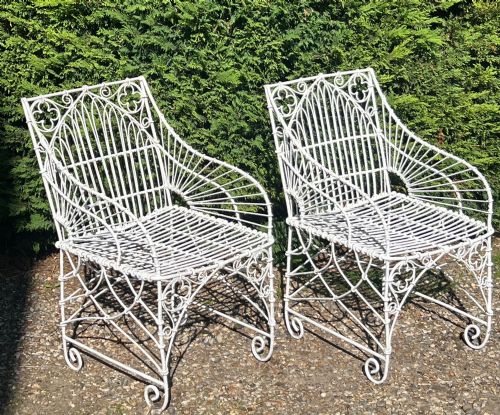
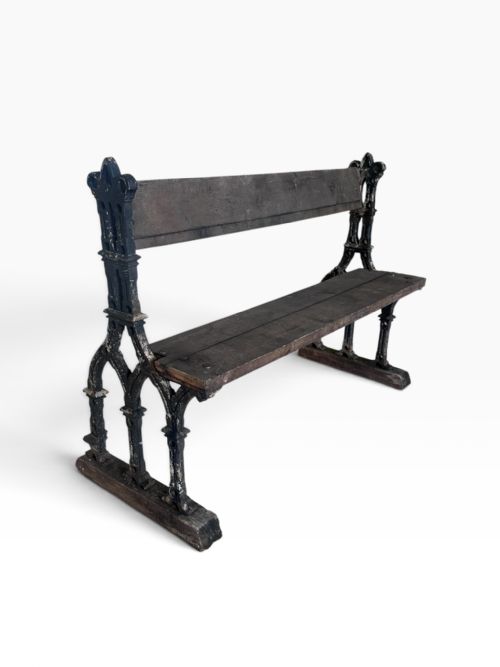
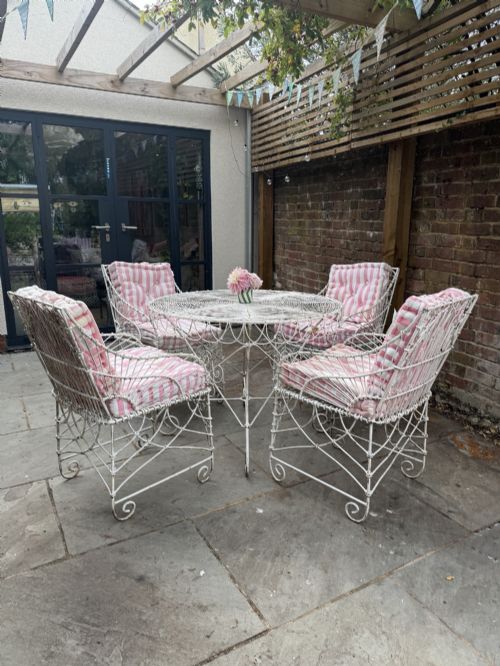
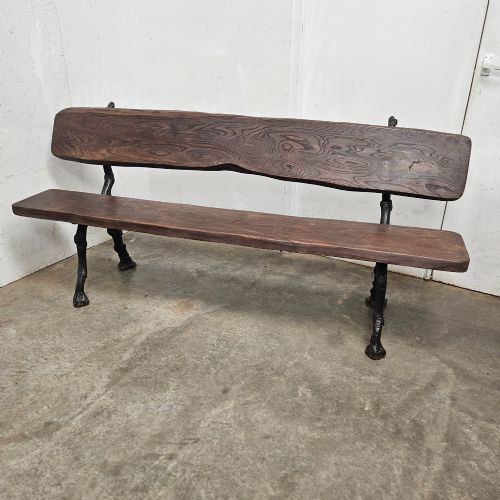
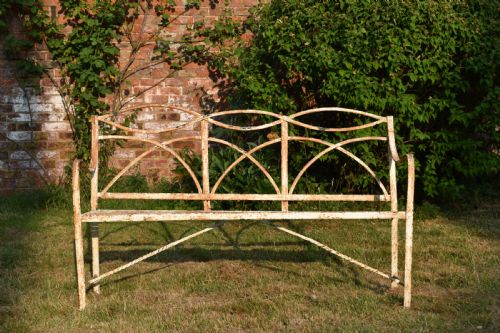
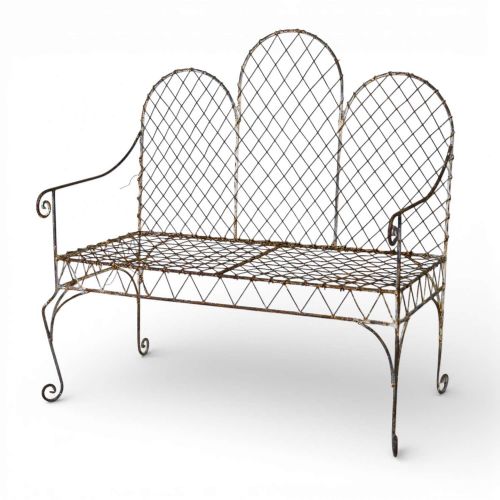
Origins vary across English and French traditions, incorporating styles from Gothic Revival to rustic patterns and wirework arbours. Many combine metal frames with timber slats or wooden components for comfort.
What Varies in Quality
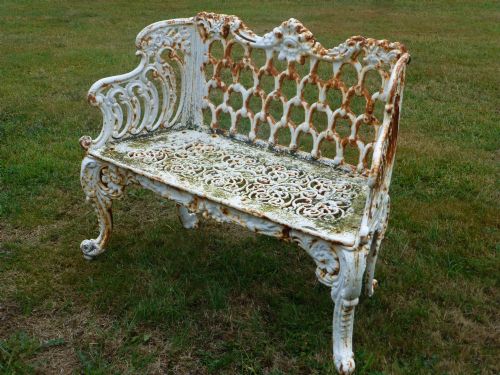
The refinement of the casting separates standard pieces from exceptional examples, visible in the crispness of botanical motifs like blackberry and leaf patterns or lion mask armrests. Foundry work attributed to notable makers demonstrates superior artistry in decorative detail.
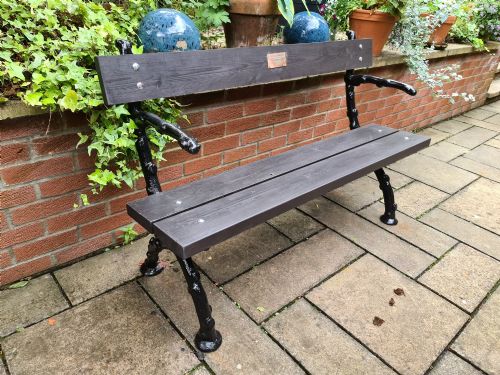
Proportion and structural integrity distinguish heavier architectural garden seats from lighter bistro chairs. The integration of materials, such as combining cast iron supports with shaped timber or elm, dictates the overall harmony of the design.
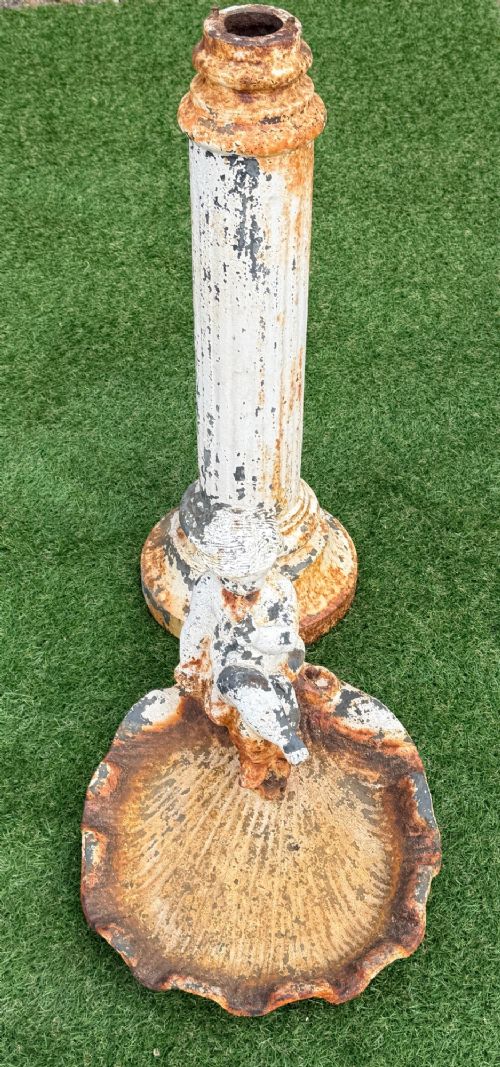
A cheerful stone cherub supports a heavy iron bird bath, watching over feathered visitors in the garden.
Falkirk Carron Foundry·Christopher Dresser·Coalbrookdale
The Outdoor Iron Seat Glossary
- Cast iron
- Iron poured into a mould to create decorative and structural garden furniture. This technique allows for intricate relief patterns such as leaves, branches, and figurative elements.
- Wrought iron
- Iron heated and hammered into shape by hand, producing resilient strapwork and scrolls. It offers a lighter, more flexible framework compared to cast metal.
- Wirework
- Metal rods and wire twisted and woven into openwork garden structures. Pieces utilising this method range from plant supports to seating arbours.
- Faux bois
- Imitation wood grain rendered in metal or concrete. In garden pieces, iron frameworks are occasionally shaped to mimic natural timber branches.
- Strapwork
- Flat bands of metal interlaced or arranged in geometric patterns. This decorative technique is characteristic of Regency and Victorian bench designs.
Outdoor Iron Seat: Frequently Asked Questions
How do I care for an outdoor iron seat?
Cast and wrought iron furniture requires periodic inspection for rust, which can be treated with wire brushing and protective paint coatings.
Storing pieces under cover during harsh winter months helps preserve timber slats and metal surfaces alike.
Are these seats suitable for year-round outdoor use?
Most iron garden seats are built to withstand outdoor conditions, given their heavy metal construction and weather-resistant painted finishes.
However, pieces incorporating wooden slats or marble tops benefit from seasonal protection against heavy frost and standing water.
How can I tell a Victorian iron seat from a later reproduction?
Victorian examples typically feature heavier casting weight, hand-finished details, and construction methods characteristic of nineteenth-century foundries.
Examining bolt types, paint layers, and overall wear patterns helps distinguish period originals from twentieth-century revivals.
What is the difference between cast iron and wrought iron garden seats?
Cast iron is rigid and poured into moulds, allowing for three-dimensional ornamentation like fruit, foliage, and animal figures.
Wrought iron is forged and bent, resulting in linear strapwork, scrolls, and lighter framework structures.