


Outdoor Garden Statues
Outdoor garden statues populate lawns and terraces in bronze, stone, and iron, bringing classical figures and animals to the open air.
Outdoor Garden Statues
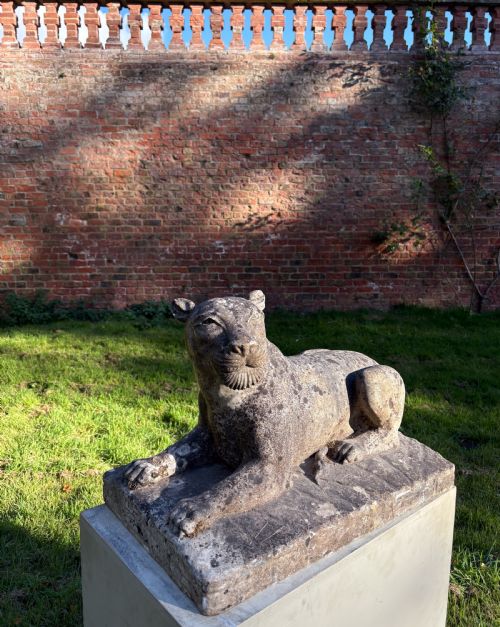
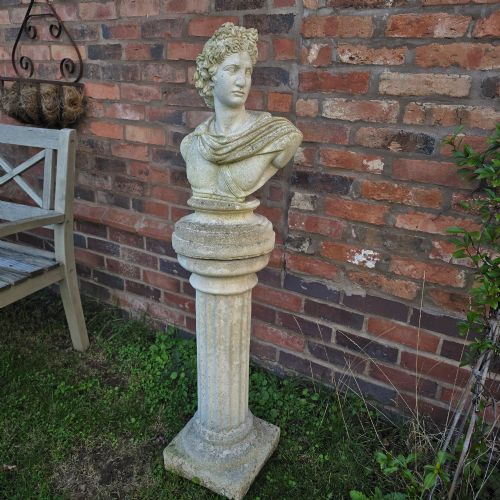
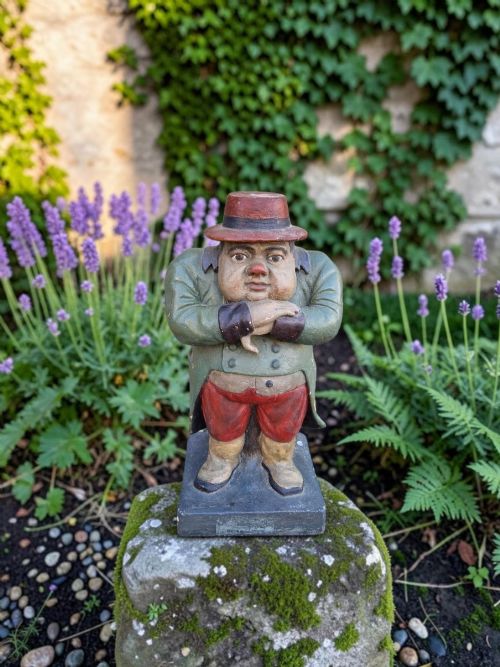
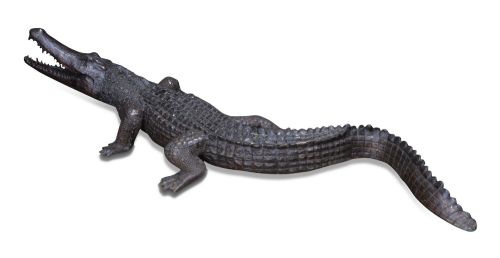
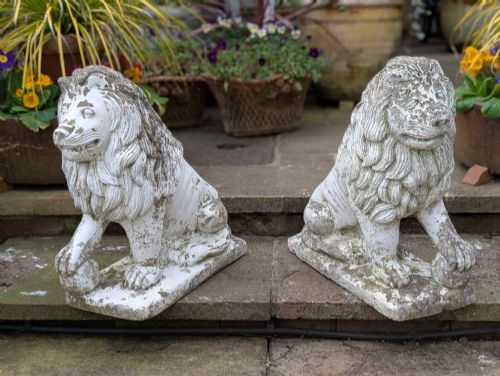
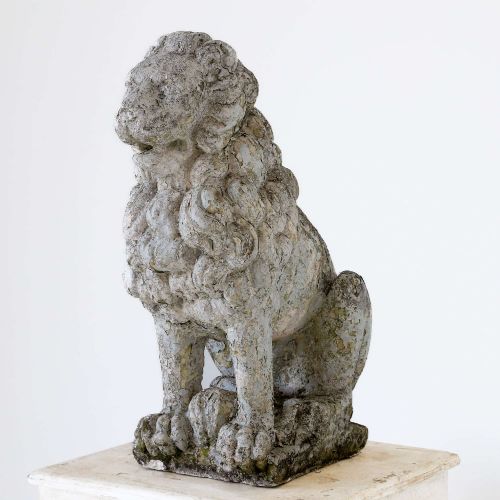
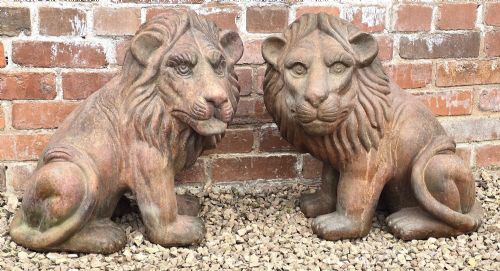
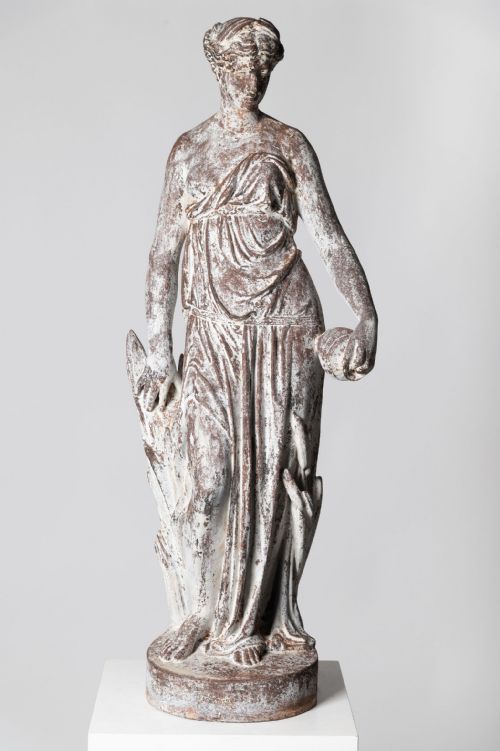
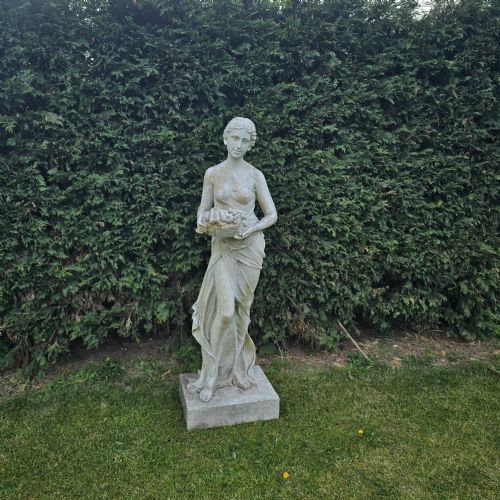
Outdoor garden statues take the form of lions, cherubs, birds, and classical figures made to stand in grounds and courtyards. These pieces range from cast stone ornaments and pier finials to large bronze crocodiles and marble sculptures.
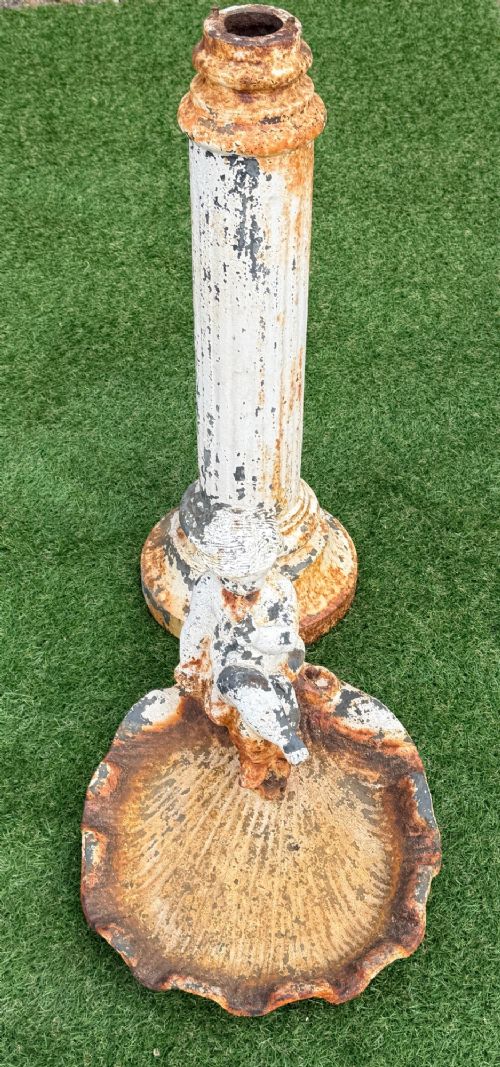
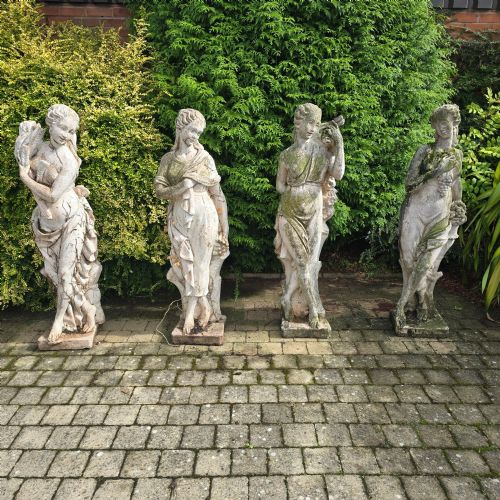
Buyers meet cast stone figures from the mid-twentieth century alongside nineteenth-century iron fountains and carved terracotta lions. Many examples stand upon plinths, while others depict subjects such as the Four Seasons or mythological scenes.
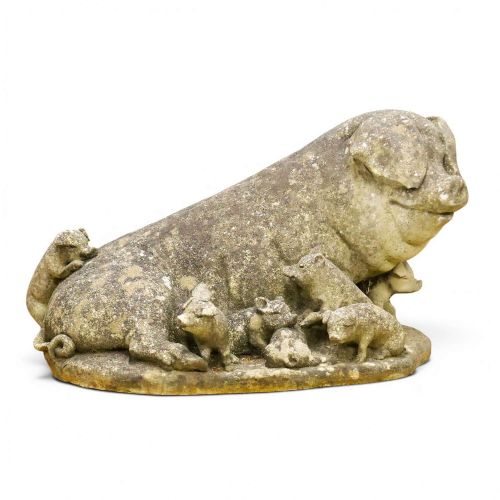
The selection includes life-sized animal figures, bird baths, and staddle stones shaped from granite, terracotta, and composite stone. Makers and foundries from different eras supply both small garden statues and massive architectural ornaments.
How they were made
Foundries cast iron and bronze into detailed moulds, creating figures like eagles, crocodiles, and geese with durable metal surfaces. Other works employ hand-sculpted terracotta and carved marble shaped by artisans in the nineteenth and twentieth centuries.
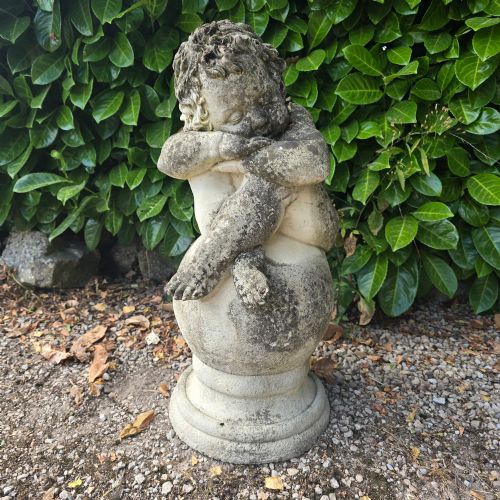
Reconstituted and cast stone pieces utilise mixtures of stone dust and binding agents poured into moulds to capture sharp relief on lions and cherubs. Artisans sometimes apply original paint to stone and iron surfaces to enhance weathering over decades.
Outdoor Garden Statues Retail Price Guide 2026
Typical asking prices for outdoor garden statues among the pieces listed under this phrase on Sellingantiques today, from the lower quarter to the upper quarter. They describe what is for sale here now, not the wider market.
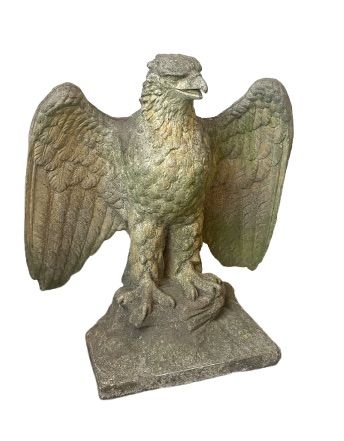
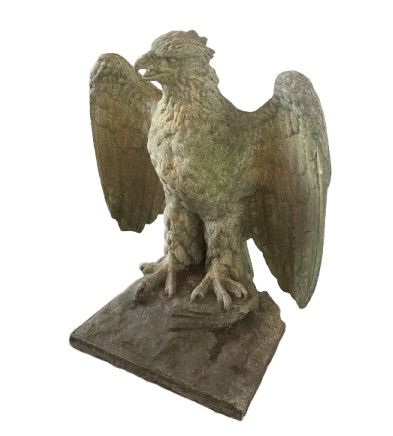
Common sculptural forms include the Four Seasons, mythological figures like Venus and Athena, and architectural pier finials shaped as eagles and lions.
What varies in quality
The character of the weathering also determines the appeal, as natural patination on bronze and aged moss on stone develop distinct surfaces over time. Foundries with established reputations, such as Val d'Osne, produced ironwork with exceptional definition.
Val d Osne foundry
The Outdoor Garden Statues Glossary
- Pier Finial
- An architectural ornament placed on top of a gate pier or wall end. These often take the form of stone eagles or stone lions.
- Staddle Stone
- A mushroom-shaped stone support originally used to raise granaries off the ground. Cornish granite examples appear frequently in gardens.
- Okimono
- A Japanese decorative statue designed for display. Large bronze examples depict dragons and geese.
- Terracotta
- Fired clay moulded into garden ornaments and lions. Italian workshops produced hand-sculpted versions.
- Reconstituted Stone
- A composite material made from crushed stone and cement binders. It allows for the mass production of detailed garden statues.
Outdoor Garden Statues: Frequently Asked Questions
Where should outdoor garden statues go?
Statues find placement on lawns, terraces, and near pathways where they serve as focal points in the landscape. Large lions and finials anchor gateways and stone plinths.
Smaller figures and bird baths integrate directly into garden beds and courtyard corners, maturing as weathering takes hold.
How do I clean stone statues?
Stone and reconstituted stone surfaces tolerate gentle washing with water and soft brushes to remove excess dirt. Avoid harsh chemicals that strip natural patination and weathering.
Leaving lichens and moss undisturbed preserves the aged character that collectors value on older garden ornaments.
Are bronze statues suitable for outdoors?
Bronze withstands outdoor exposure because the metal develops a protective patina over time. Figures like crocodiles, horses, and geese endure seasonal changes without structural harm.
Bronze fountains and spouts connect directly to water systems for garden display.
How do I identify a period?
Materials, foundry marks, and stylistic cues help determine the age of a garden ornament. Nineteenth-century pieces often feature heavy cast iron or hand-sculpted marble.
Twentieth-century examples frequently utilise cast stone and reconstituted materials moulded into popular classical revival shapes.