



Antique Style Pagodas
Antique style pagodas are decorative objects and furnishings that bring Eastern-inspired architectural motifs into Western interiors, valued for their intricate craftsmanship and exotic silhouette.
Antique Style Pagodas
When you search for antique style pagodas, you encounter a diverse selection of furnishings and decorative items spanning the nineteenth and early twentieth centuries. These pieces reflect Western fascination with Eastern design through distinct architectural silhouettes.
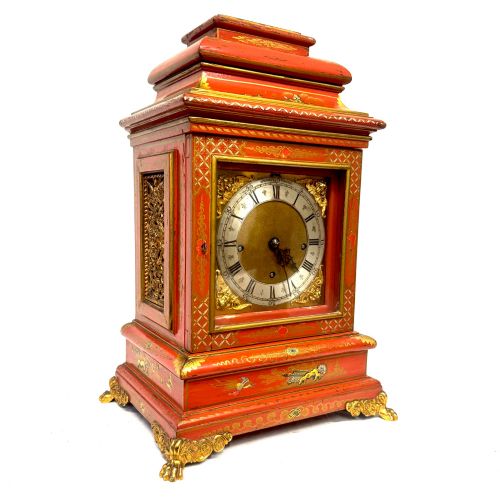
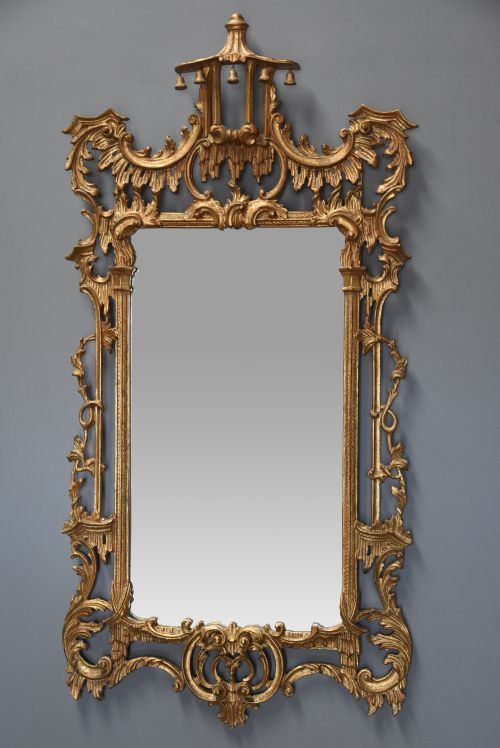
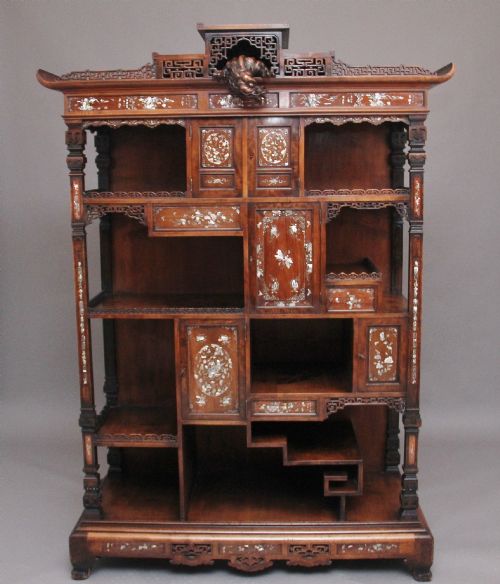
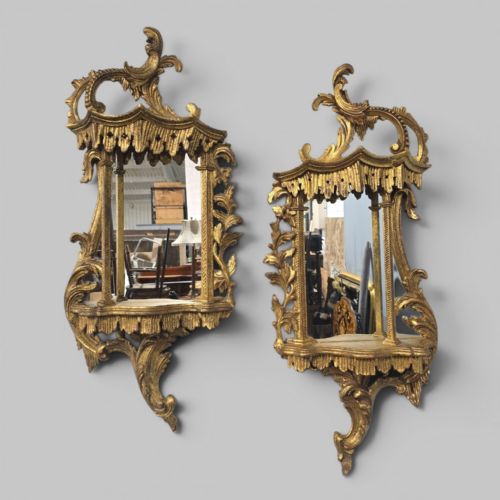
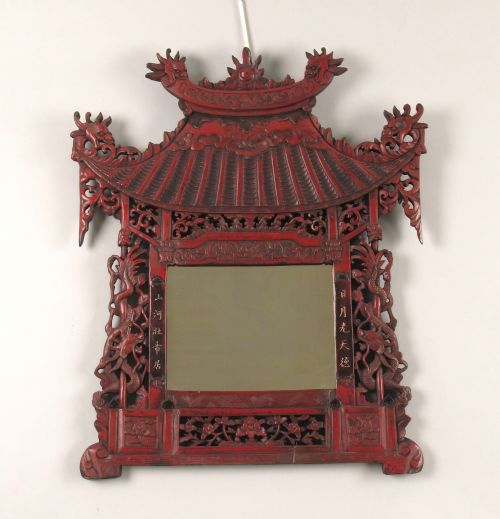
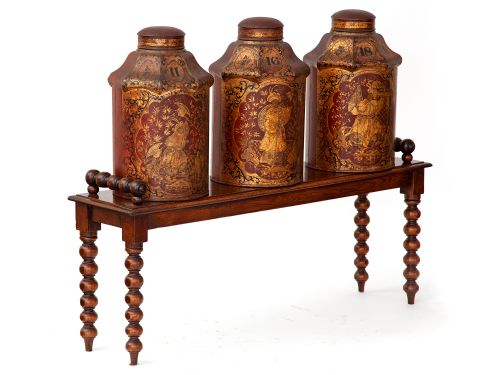
The objects available range from lacquer display cabinets and carved giltwood mirrors to pottery jugs, mantel clocks, and tea canisters. Chinoiserie and Chinese Chippendale styles dominate the selection, often drawing on Victorian and Edwardian interpretations.
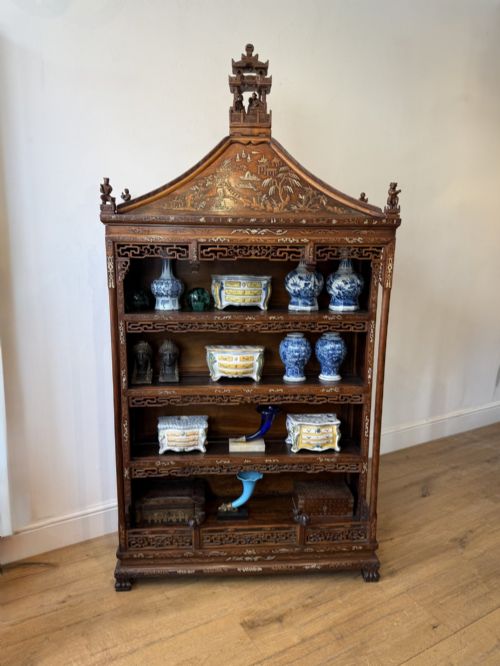
You are most likely to meet wall mirrors and display cabinets featuring pagoda-topped crests, alongside pottery bearing the pagoda pattern. These items capture the decorative ambition of periods like the late nineteenth century and the nineteen-twenties.
Materials and methods
Wood and lacquer provide the structural foundation for many cabinets, mirrors, and escritoires, frequently finished with red or black surfaces. Skilled artisans applied gilt details to accentuate the architectural lines and carved motifs.
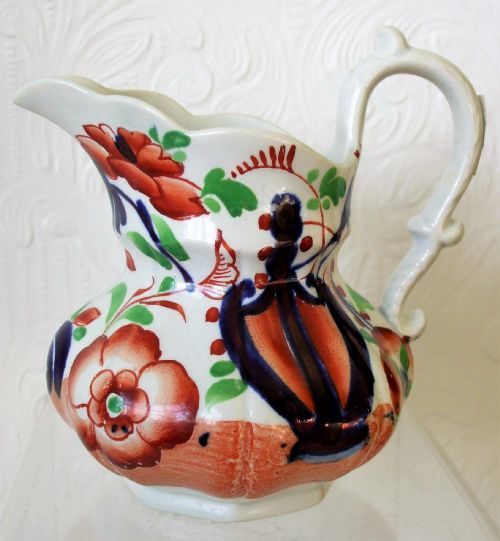
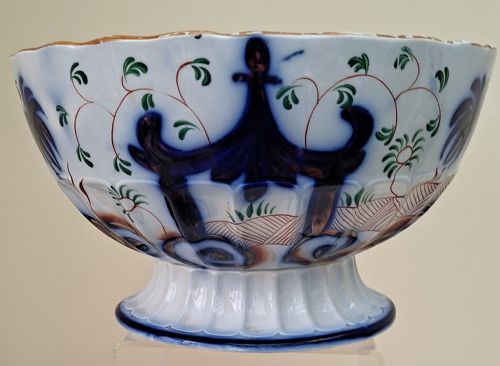
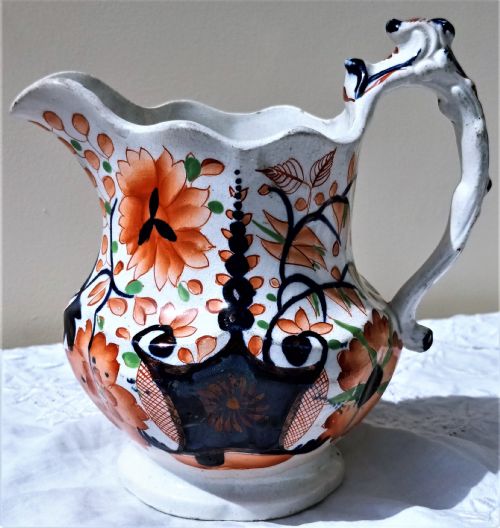
Pottery items such as jugs and footed bowls utilise earthenware and porcelain, decorated with traditional transfer or hand-painted pagoda patterns. Brass and terracotta also appear in specific lighting pieces and wall lanterns across the inventory.
Antique Style Pagodas Retail Price Guide 2026
Typical asking prices for style pagodas among the pieces listed under this phrase on Sellingantiques today, from the lower quarter to the upper quarter. They describe what is for sale here now, not the wider market.
The listings feature items from the nineteenth century, Edwardian era, and the nineteen-twenties, utilising glass, lacquer, wood, brass, and earthenware.
Markers of quality
Quality rests in the depth of the carving and the precision of the lacquer work. Finer pieces display crisp detail in giltwood frames and cabinets, whereas simpler items rely on painted surface decoration alone.
The integrity of the materials, from hardwood construction to well-preserved porcelain glazes, distinguishes standard production from exceptional craftsmanship.
Gabriel Viardot·Gardner of London·Meissen·Carlton Ware
The Antique Style Pagodas Glossary
- Chinoiserie
- European decorative style incorporating Chinese artistic influences, popular across various periods. It appears on clocks, mirrors, and lacquer cabinets.
- Chinese Chippendale
- Eighteenth-century revival style featuring fretwork and pagoda pediments, often rendered in giltwood or mahogany. This style heavily influences many mirrors and cabinets.
- Japonisme
- Late nineteenth-century interest in Japanese art and aesthetics, influencing furniture design and decorative objects. It reflects the broader cultural exchange of the era.
- Gaudy Welsh
- Staffordshire pottery style characterised by colourful hand-painted cobalt, iron-red, and copper lustre. The pagoda pattern is a well-known motif within this ceramic tradition.
Antique Style Pagodas: Frequently Asked Questions
What defines an antique style pagoda cabinet?
These cabinets incorporate tiered architectural roofs reminiscent of Eastern temples into their upper crests or cornices. They usually employ lacquer or hardwood construction.
Craftsmen during the nineteenth and early twentieth centuries built these pieces to showcase imported porcelain and curiosities within fashionable drawing rooms.
How do I identify Chinese Chippendale mirrors?
Chinese Chippendale mirrors typically feature fretwork frames, asymmetrical scrollwork, and pagoda pediments finished in giltwood or lacquer. They reflect the mid eighteenth-century taste that experienced revivals later.
These decorative wall pieces were designed to catch candlelight and add vertical emphasis to formal reception rooms.
What is Gaudy Welsh pottery?
Gaudy Welsh pottery consists of earthenware items decorated with vibrant hand-painted enamels, frequently including cobalt blue, iron-red, and pink lustre. The pagoda pattern is a characteristic motif found on these domestic pieces.
Victorian households used these functional jugs and bowls daily, valuing their durable earthenware bodies and bright palettes.
How do I integrate these items into a modern room?
Pagoda mirrors and display cabinets work effectively as focal points against neutral walls, allowing their intricate silhouettes to stand out. Smaller items like tea canisters or clocks add architectural character to mantelpieces and side tables.
Mixing these pieces with contemporary furnishings highlights their craftsmanship without overwhelming the space.