



Architectural Terracotta Pair
These architectural terracotta pair items bring bold sculptural presence to gardens and facades, offering collectors enduring outdoor character.
Architectural Terracotta Pair
When you search for architectural terracotta pair items, you are looking at matched sets of fired clay ornaments designed to frame entrances or anchor gardens. The pieces on this page appear primarily from the nineteenth century, including Victorian examples.
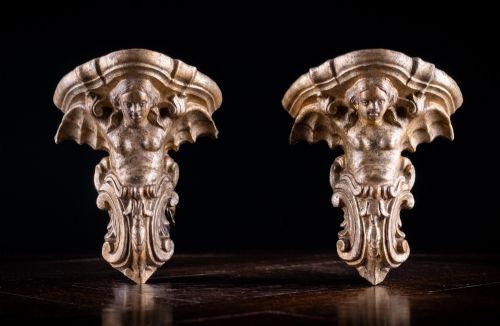
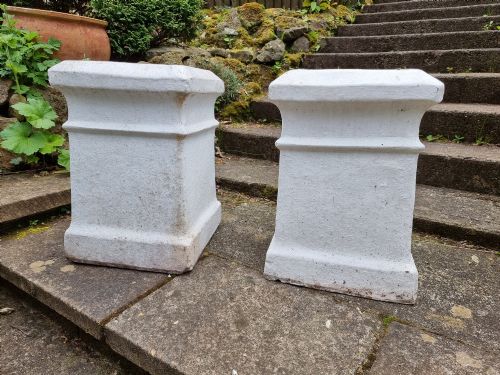
Most entries showcase substantial forms such as gate lions, pedestals, and roof ornaments. These matched objects were built to withstand external elements while providing symmetrical visual weight to buildings.
Makers shaped these components from durable clay to serve both structural and decorative roles in nineteenth-century design. Finding them together as a matching set remains a primary goal for buyers.
How they were made
Potters and modellers shaped these pieces using natural terracotta clay, often firing them at high temperatures to ensure structural resilience. Some items incorporate painted or gilt surfaces to highlight intricate details.
Production techniques relied on robust moulding methods capable of producing heavy architectural components like chimney pot pedestals and roof ornaments. The resulting material provides a distinct reddish-brown earthen tone well suited for exterior display.
Architectural Terracotta Pair Retail Price Guide 2026
Typical asking prices for architectural terracotta pair among the pieces listed under this phrase on Sellingantiques today, from the lower quarter to the upper quarter. They describe what is for sale here now, not the wider market.
Listings featuring this phrase draw entirely from nineteenth-century production periods, utilising durable terracotta and ceramic materials.
What varies in quality
Quality in these matched sets depends upon the sharpness of the modelled detail and the depth of the original clay firing. Superior examples retain crisp facial expressions and clean lines on figures like lions and wall brackets.
The preservation of original surface treatments, such as early paint or gilt remnants, elevates certain pieces above standard weathered stock. Consistency across both items in the set dictates overall desirability.
Dunfermline Clay Company
The Architectural Terracotta Pair Glossary
- Terracotta
- A fired ceramic clay used for sculptural and architectural objects. It typically displays a porous reddish body.
- Roof Ornament
- A decorative ceramic element placed along the ridge or edges of a roof. These pieces often take stylized animal forms.
- Wall Bracket
- A projecting architectural support fixed to a vertical surface. They frequently feature figural or classical motifs.
- Pedestal
- A structural base supporting a statue, urn, or planter. These heavy forms elevate garden ornaments above ground level.
Architectural Terracotta Pair: Frequently Asked Questions
Where should I place these?
These matched objects suit outdoor garden settings, flanking gateposts, or supporting architectural elements on exterior walls.
Their robust clay construction handles exterior environments while providing distinct symmetry to property entrances.
How do I clean terracotta?
Gentle brushing with a soft bristle tool removes loose debris without damaging the historic fired surface.
Avoid harsh chemical treatments or pressure washing, which can erode the porous exterior and any surviving paint.
Are these items frost resistant?
Nineteenth-century fired clay generally withstands normal weather conditions, but severe freezing temperatures can risk moisture expansion.
Protecting vulnerable pieces during extreme winter weather helps preserve the structural integrity of the material.
How are matching sets identified?
Matched pairs share identical dimensions, moulding techniques, and clay composition from the original production process.
Comparing surface wear and firing characteristics confirms whether two pieces were cast together.