
Outdoor Garden Seat
An outdoor garden seat brings architectural presence to a lawn, offering a solid place to rest amidst the borders.
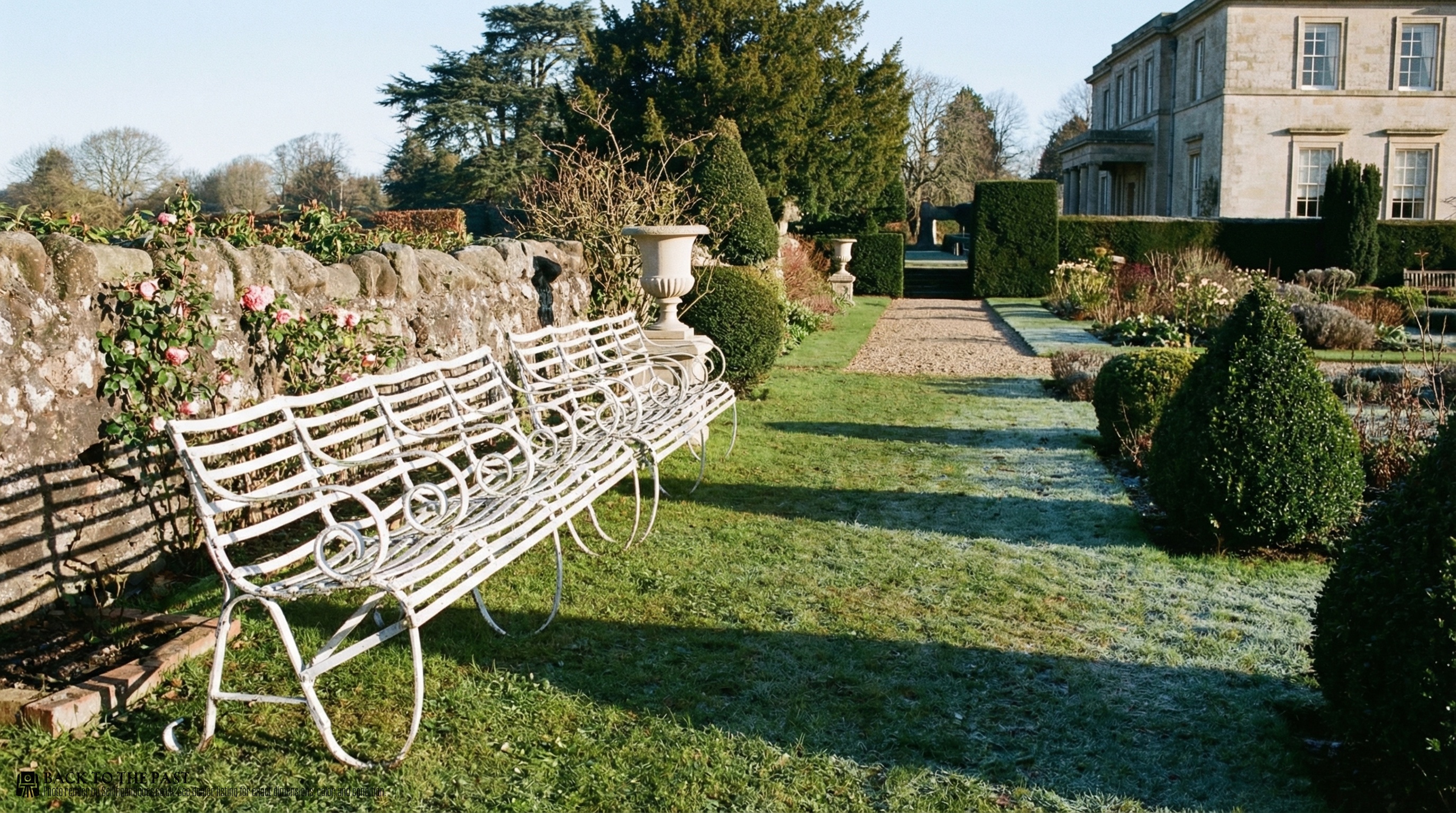
Outdoor Garden Seat
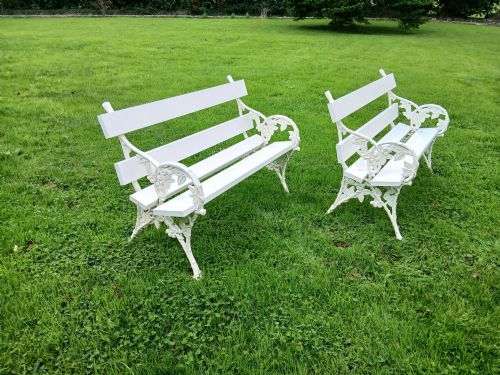
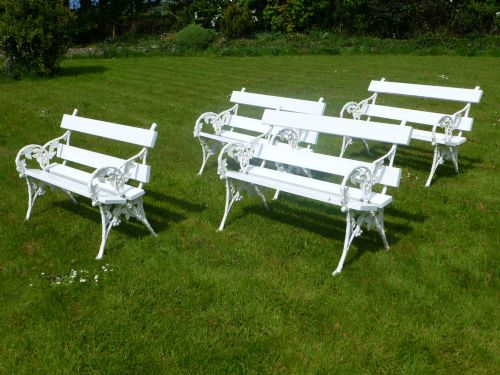
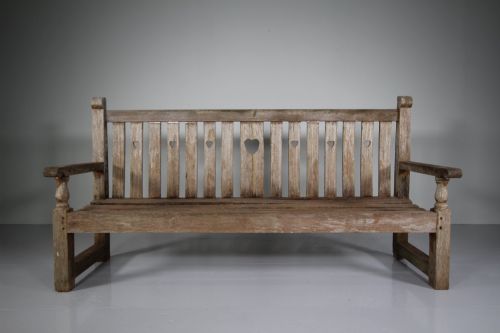
When you search for an outdoor garden seat, you encounter robust furniture built to withstand the elements while anchoring an exterior space. The examples on this page span from the nineteenth century through the mid-twentieth century, encompassing periods such as Victorian, Edwardian, and Regency.
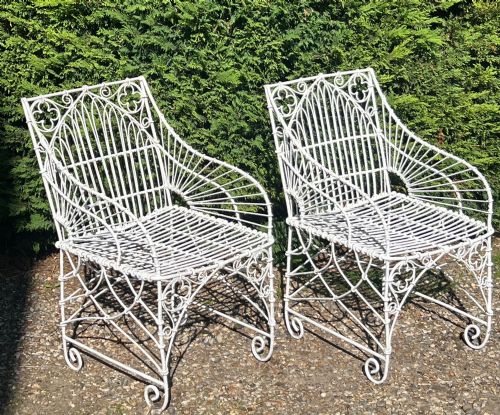
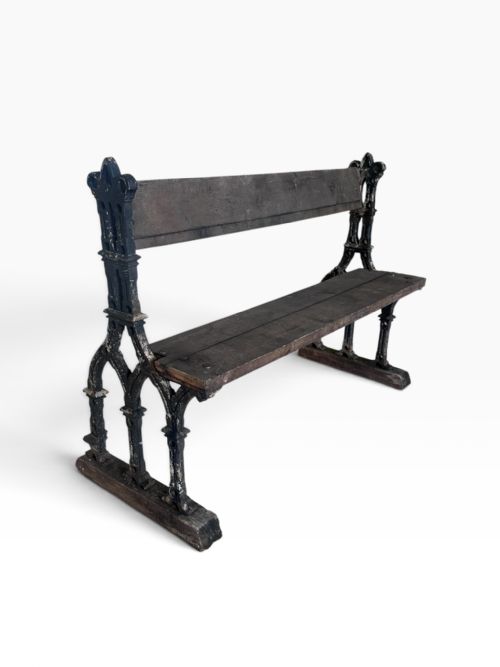
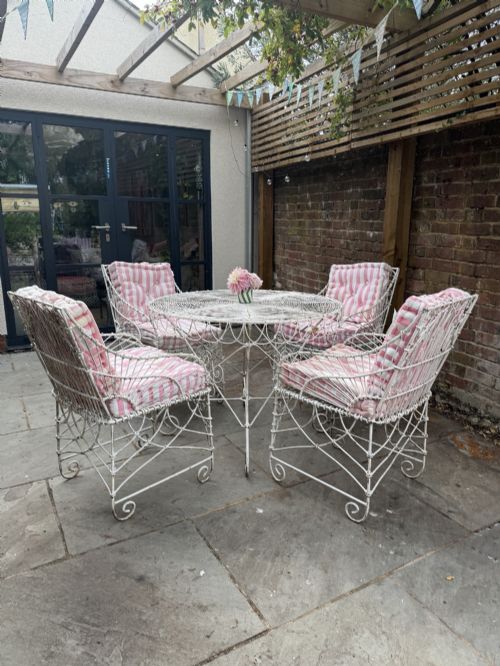
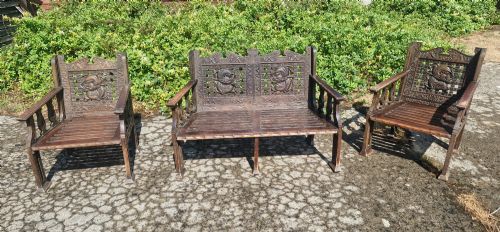
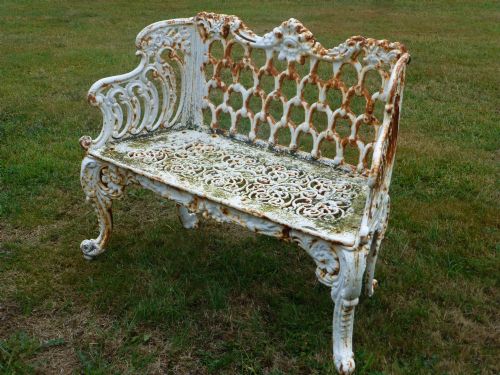
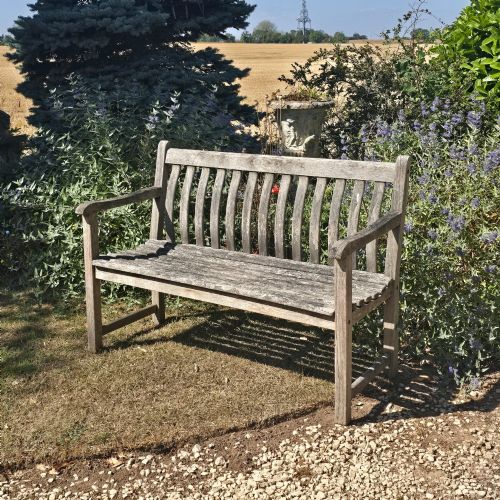
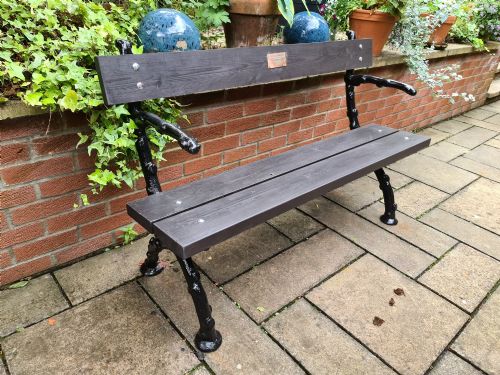
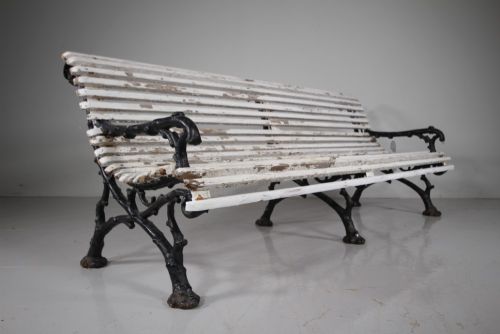
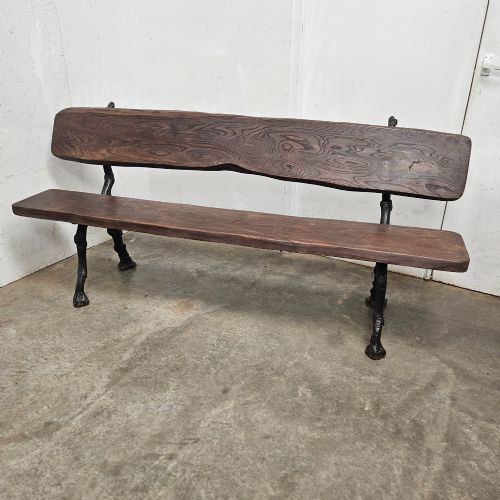
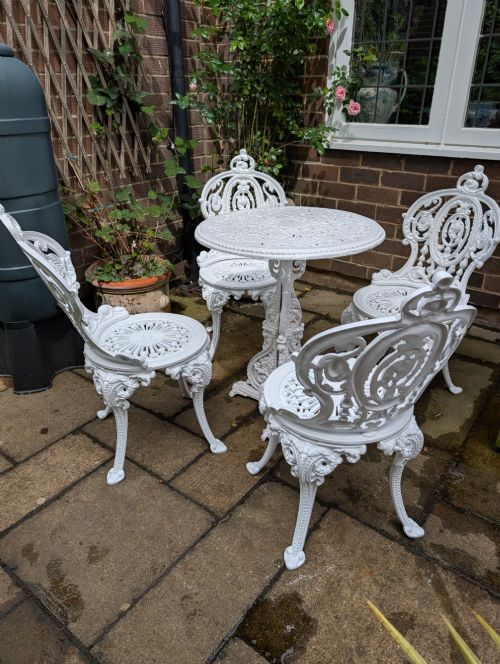
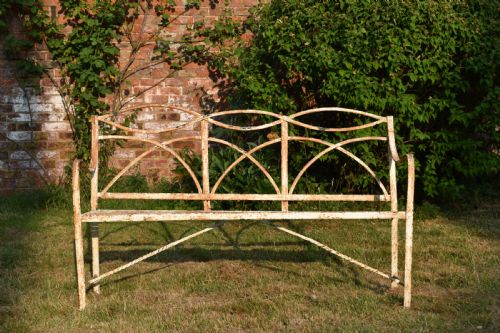
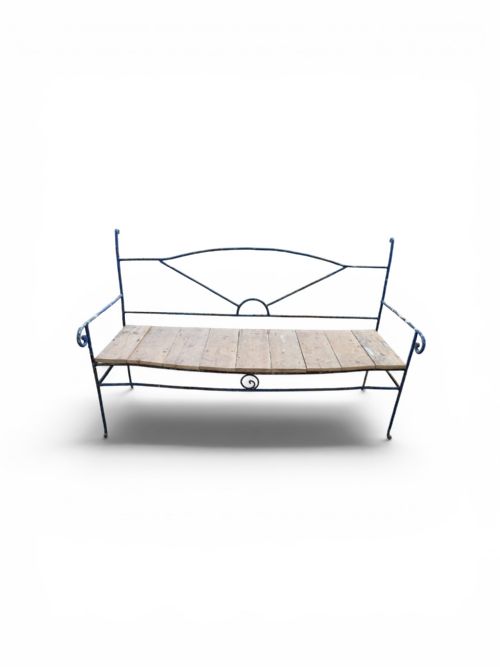
The forms range from slatted timber benches and rustic wooden seats to elaborate cast iron and wrought iron frames. You will frequently meet designs featuring plant motifs, gothic arches, strapwork, and faux bois finishes alongside stone ornaments.
Origins stretch across English country houses, French gardens, and Italian terraces, providing both simple resting spots and grand seating suites for grounds and patios.
Materials and construction methods
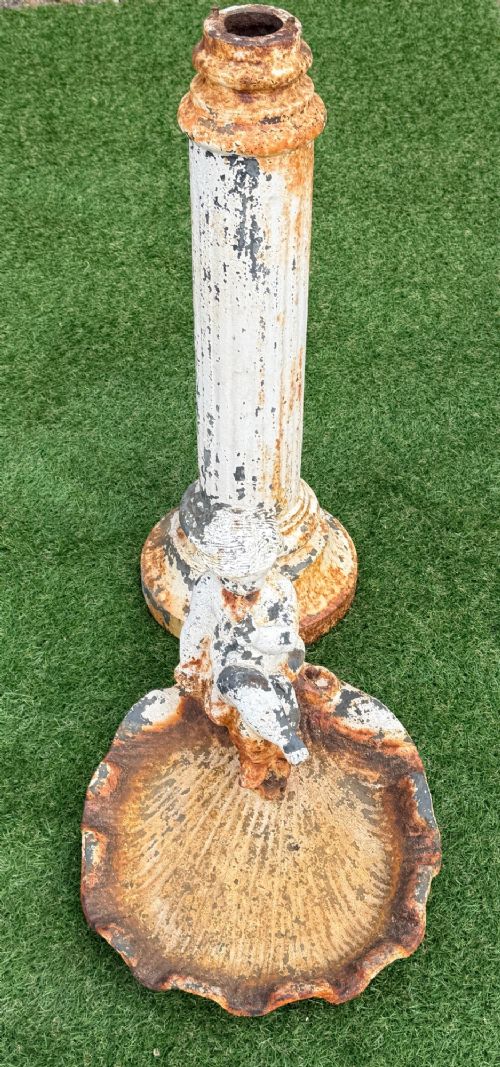
Foundries shaped molten metal into intricate patterns using cast iron for heavy benches, shell forms, and garden chairs, whilst malleable wrought iron was beaten and bent into strapwork and wirework arbours.
Timber such as teak and elm provided durable slats and frames for wooden benches and conservatory suites, ageing through exposure to silver grey tones.
Masons and artisans also shaped reconstituted stone, composite stone, and terracotta into statues, lions, and bird baths to complement the metal and wood seating.
Factors of distinction
Quality rests upon the crispness of the foundry casting, the complexity of the ironwork pattern, and the fidelity of decorative details like leaf motifs or lion masks.
The integrity of the timber, the depth of carving on wooden surfaces, and the survival of original paint or natural weathered patination separate standard examples from finer sculptural pieces.
Falkirk Carron Foundry·Christopher Dresser
The Outdoor Garden Seat Glossary
- Cast iron
- Iron poured into a mould to create rigid, highly detailed garden furniture frames and ornaments. It is heavy and holds intricate botanical patterns well.
- Wrought iron
- Iron heated and hammered into shape by hand, producing flexible, strong structures like strapwork benches. This material yields lighter, linear designs.
- Faux bois
- A technique mimicking wood grain in concrete, metal, or iron. French makers utilised this style to create rustic garden seats.
- Teak
- A dense, oil-rich tropical timber prized for outdoor use. It resists weathering and develops a silvery grey hue over time.
- Strapwork
- Flat bands of metal interlaced in geometric patterns. Regency and Victorian metal benches frequently employ this decorative strapwork.
Outdoor Garden Seat: Frequently Asked Questions
How do I care for a metal outdoor garden seat?
Keep metal seats clean of debris and check periodically for signs of surface rust. Applying appropriate protective coatings helps preserve the iron through damp seasons.
Positioning the seat on stable paving rather than directly on damp soil also prevents moisture absorption from below.
Can teak garden seats stay outside all winter?
Teak naturally resists moisture and rot due to its inherent oils, making it well suited for year-round outdoor exposure. The timber will simply weather to a silver grey.
Covering the bench or moving it under shelter during harsh frosts can, however, extend the overall lifespan of the wood.
What is the difference between cast iron and wrought iron?
Cast iron is poured into moulds to form rigid, ornate components with deep relief patterns like leaves and figures. Wrought iron is heated and hammered by hand into lighter, resilient bars and curves.
Cast iron is significantly heavier and more brittle, whereas wrought iron bends under stress rather than snapping.
How do I identify a Victorian garden seat?
Victorian examples often display heavy cast iron framing with botanical motifs, gothic arches, or rustic branch designs. Look for traditional construction methods and patination consistent with nineteenth-century manufacturing.
Purchasing pieces that retain traces of early paint or natural weathering helps confirm their period origin.