

Iron Park Bench
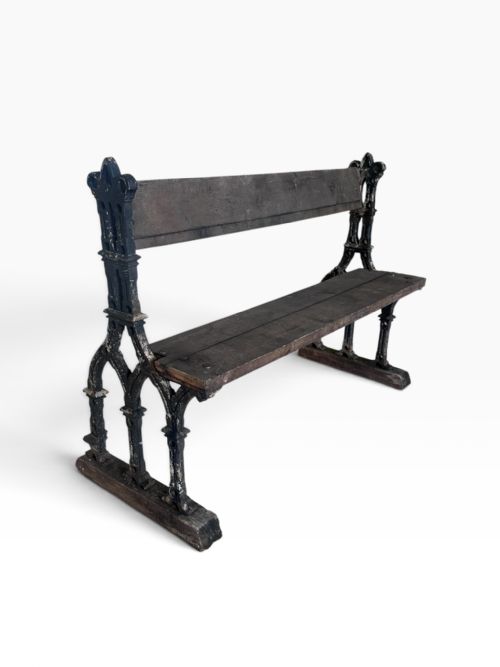
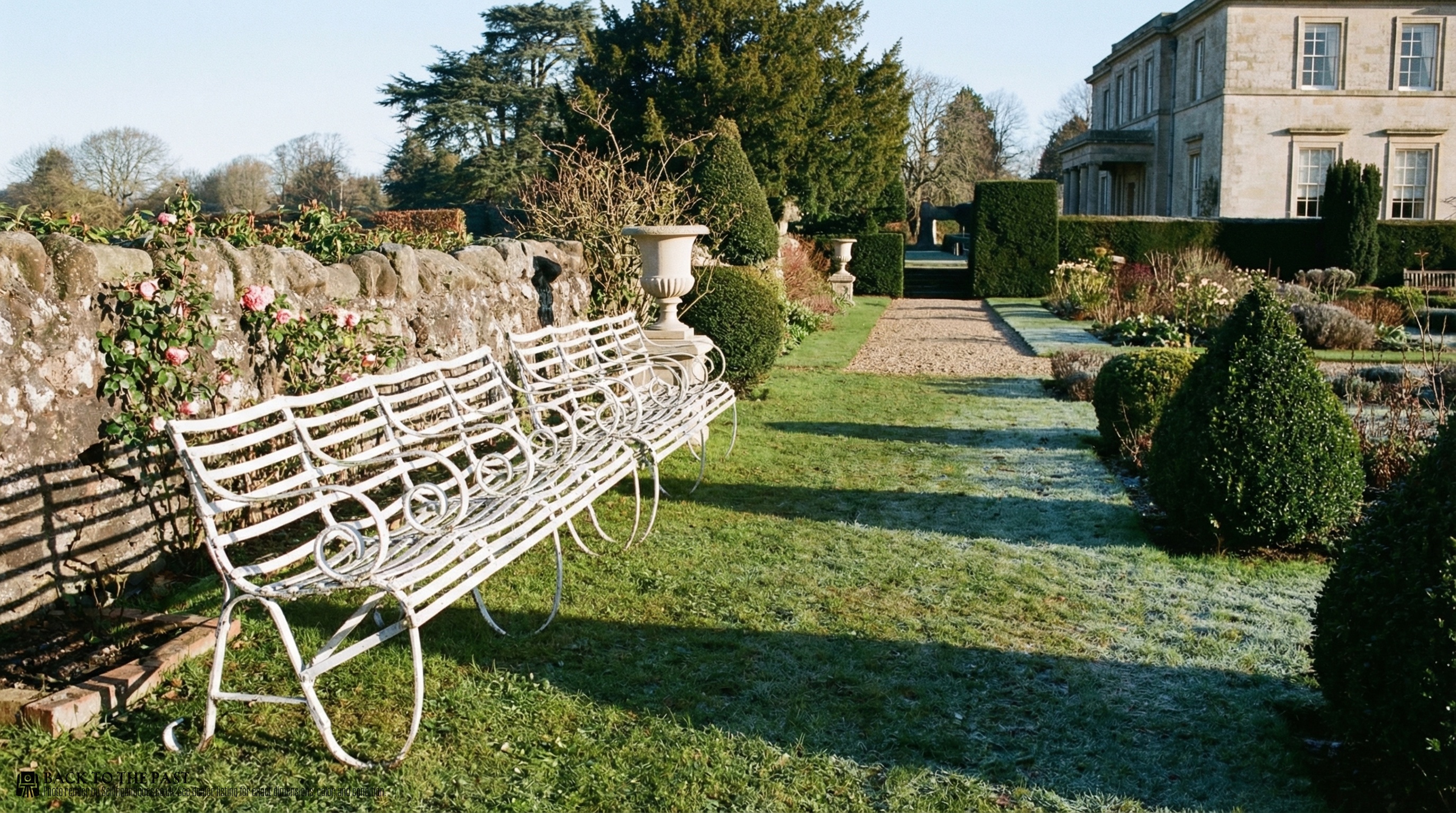
An iron park bench brings enduring metalwork and timber to lawns and terraces, offering a sturdy seat shaped by nineteenth-century design.
Iron Park Bench
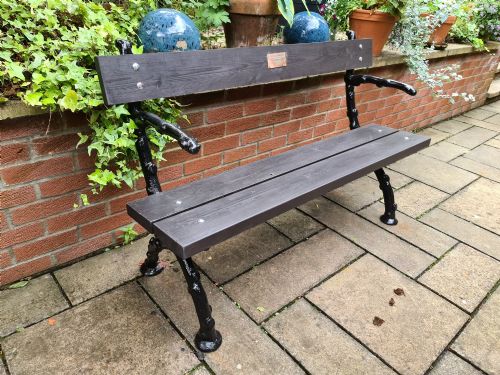
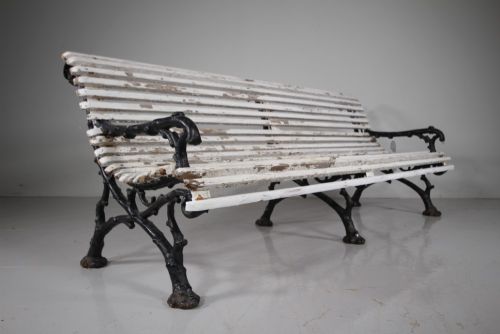
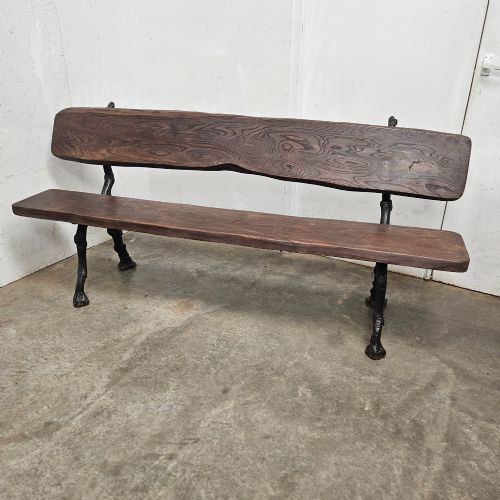
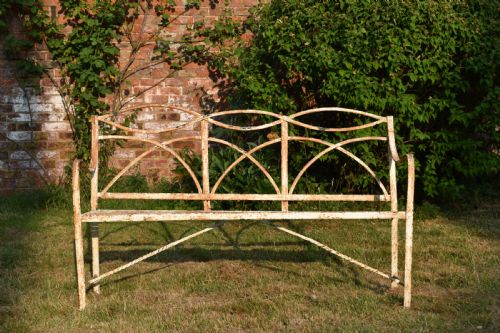
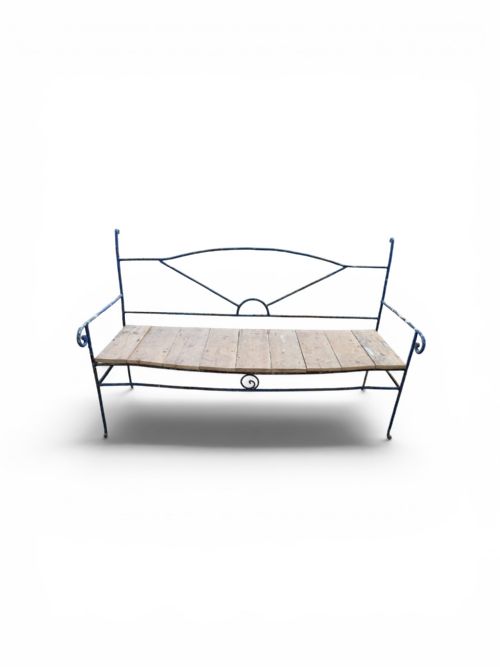
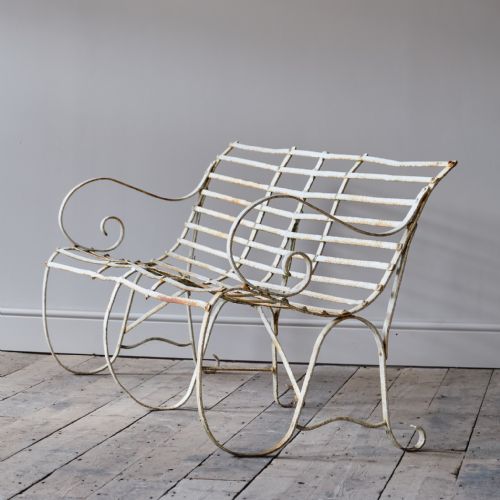
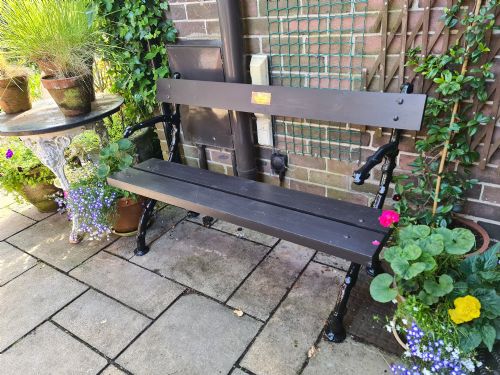
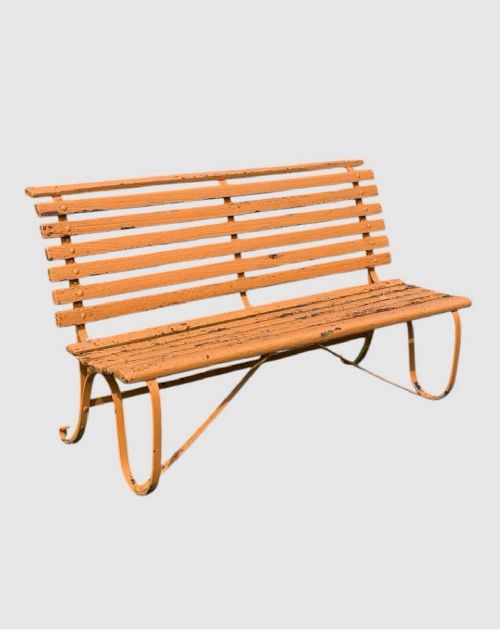
When you search for an iron park bench, you encounter robust garden seating built from durable metal and wood. These pieces span forms such as two-seater garden benches, garden armchairs, and modular bench ends designed for outdoor resilience.
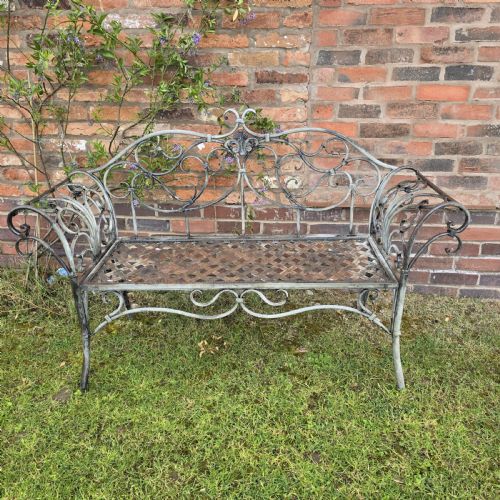
The selection here draws heavily from nineteenth-century origins, featuring Victorian and Regency styles alongside later twentieth-century interpretations. You will frequently find pieces incorporating cast iron frames paired with wooden slats or detailed metal scrollwork.
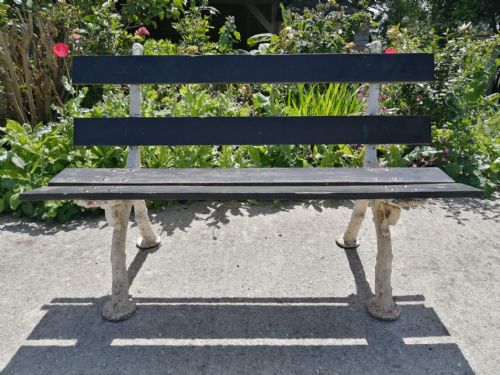
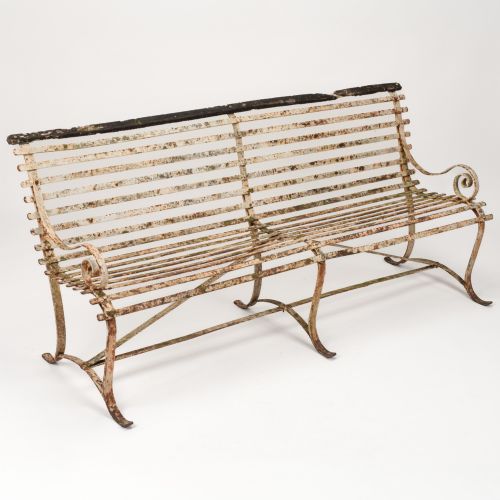
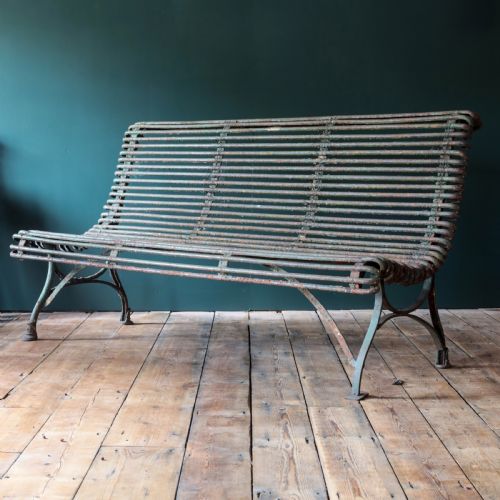
Beyond standard forms, the inventory includes regional variations like French faux bois designs and Arras garden seating. These items serve functional roles on patios and lawns while displaying distinct historical craftsmanship.
How they were made
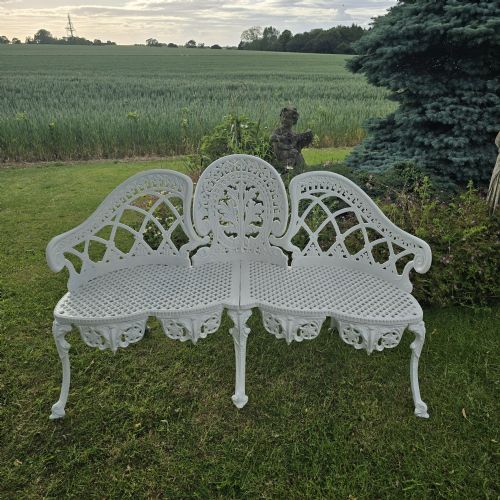
Foundries produced the heavy structural supports using cast iron or wrought iron, pouring molten metal into intricate moulds to create scrollwork, strapwork, and gothic motifs. These metal components provided a rigid frame capable of supporting heavy loads outdoors.
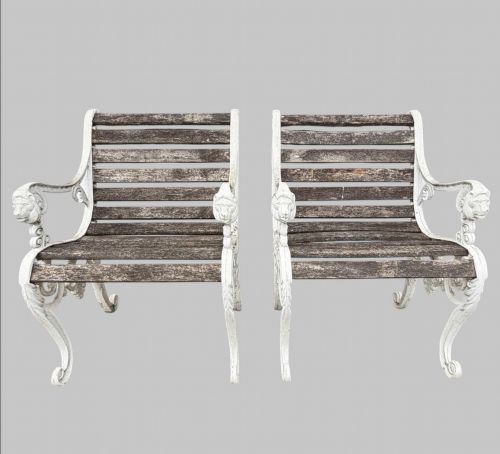
Manufacturers integrated timber elements such as elm, teak, and general wood slats into the metal structures for seating surfaces. Original paint layers frequently survive on the metal and wood, showing the historical application of protective coatings.
Listings feature items from the 19th Century, Victorian period, Regency style, Edwardian era, and the 1930s.
What varies in quality
Quality depends upon the crispness of the cast iron detailing and the integrity of the structural metalwork. Pieces originating from prominent nineteenth-century foundries display sharper relief in decorative motifs like foliage, lion masks, and gothic tracery.
The balance between original materials and later replacements dictates the standing of a bench. Examples retaining untouched layers of early paint and matching timber slats hold greater historical consistency than heavily restored counterparts.
Coalbrookdale·Val D'osne
The Iron Park Bench Glossary
- Cast Iron
- Metal poured into a mould to shape complex decorative patterns and heavy structural supports. This material allowed nineteenth-century makers to produce elaborate garden furniture with intricate relief work.
- Wrought Iron
- Metal heated and hammered into shape by hand, resulting in robust and flexible scrollwork or strapwork. It provides strong frames for garden seats.
- Faux Bois
- A decorative technique imitating the appearance of natural wood grain in cast metal or concrete. This style was popular in nineteenth-century French and English garden furniture.
- Strapwork
- Flat bands of metal arranged in geometric or interlocking patterns across the backrests of garden benches. This design appeared frequently during the Regency and Victorian periods.
- Bench Ends
- The cast iron or wrought iron structural supports sold separately or assembled with wooden slats to form a complete seat. They often carry maker designs.
Iron Park Bench: Frequently Asked Questions
How do I date an iron park bench?
Dating relies on stylistic clues, construction methods, and material combinations present in the frame and slats. Nineteenth-century examples often exhibit heavier cast iron work, distinct gothic or strapwork motifs, and traditional timber species.
Later twentieth-century iterations tend to simplify these decorative patterns or utilise lighter metal gauges. Examining the foundry marks or design registration details provides further chronological context.
Can these benches stay outdoors all year?
These benches were built for exterior use and tolerate outdoor conditions well due to their heavy metal construction. Iron and treated timber withstand changing weather, though protecting the wooden slats helps preserve the overall structure.
Applying suitable care to the paint and metal surfaces prevents excessive weathering over time. Many owners choose to store them or cover them during harsh winter months.
What is the difference between cast and wrought iron?
Cast iron is poured into moulds while molten, creating rigid components with intricate decorative relief and substantial weight. It forms the detailed bench ends and ornate backrests seen on Victorian seats.
Wrought iron is worked by hand through heating and hammering, yielding flexible and resilient bars suitable for strapwork and scroll designs. Both materials frequently appear together in historical garden furniture.
How heavy is a typical iron garden bench?
An iron garden bench is exceptionally heavy due to the density of the cast iron frame and the attached timber components. This substantial weight ensures the bench remains stable on lawns and terraces without needing permanent fixings.
Moving these pieces usually requires two people to prevent damage to the metal or the supporting ground. The weight also varies depending on whether the design uses full iron construction or timber slats.