


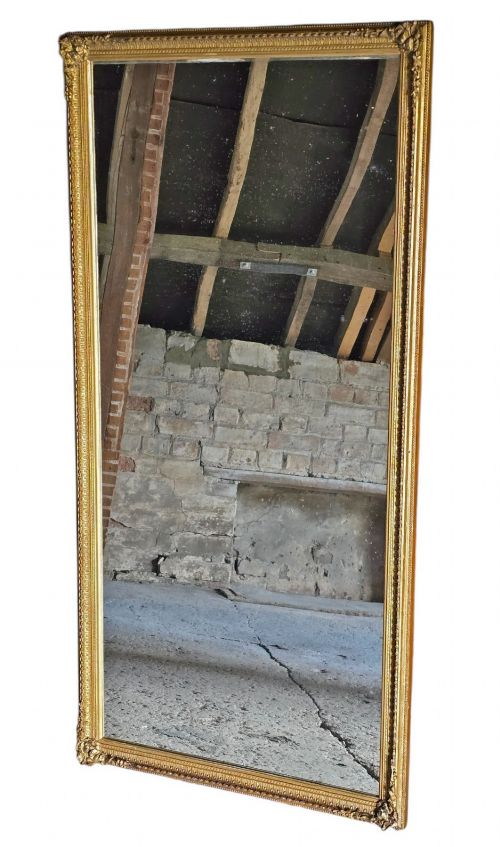
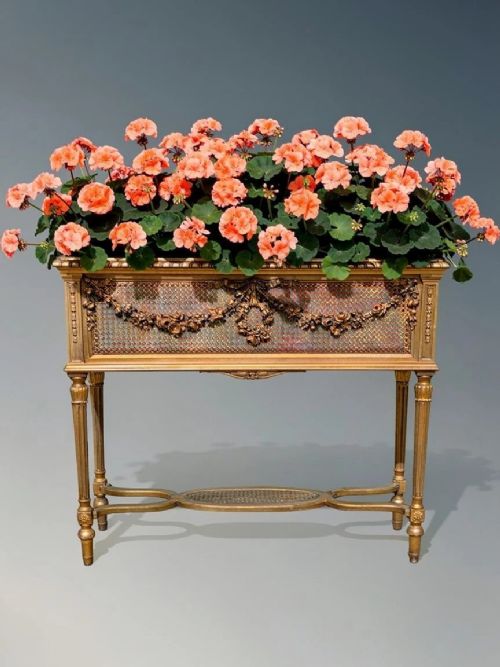

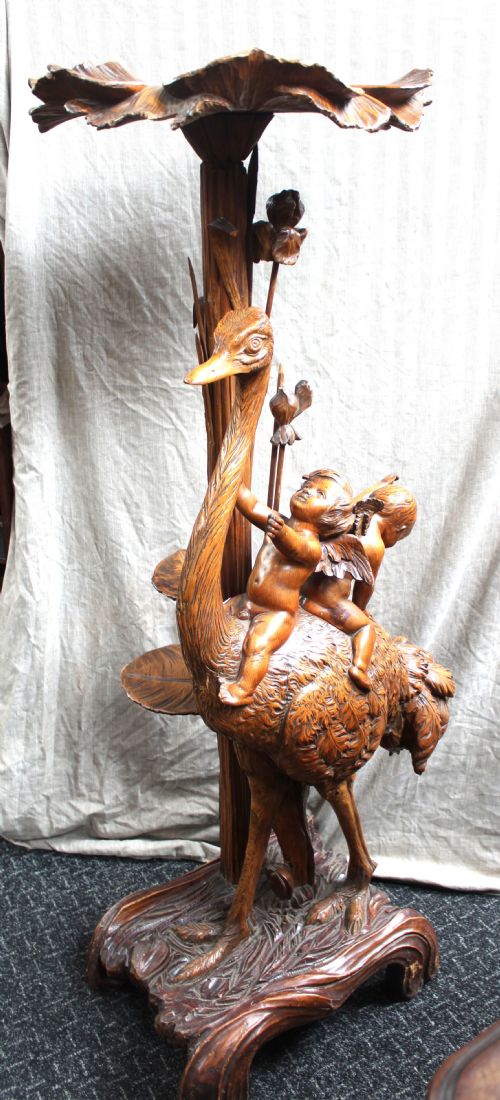
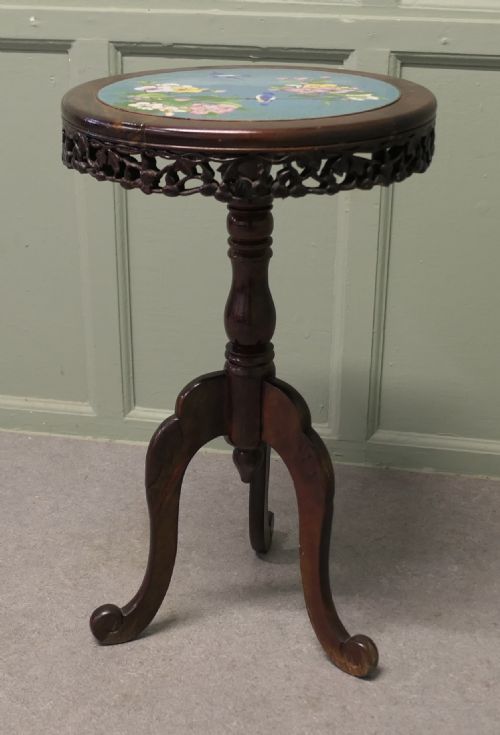


Ornate Wood Stand
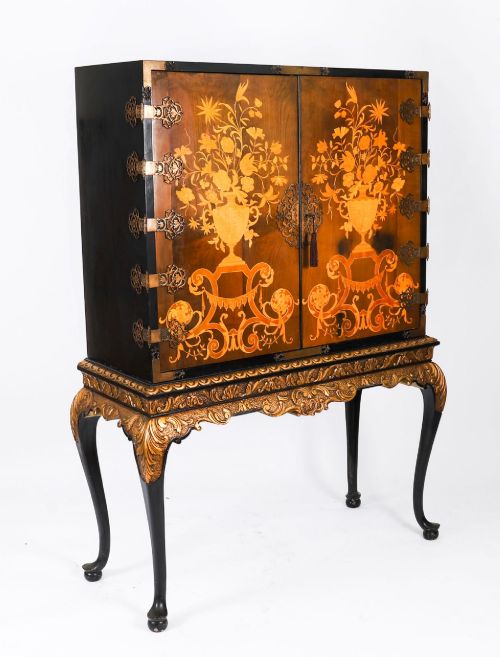
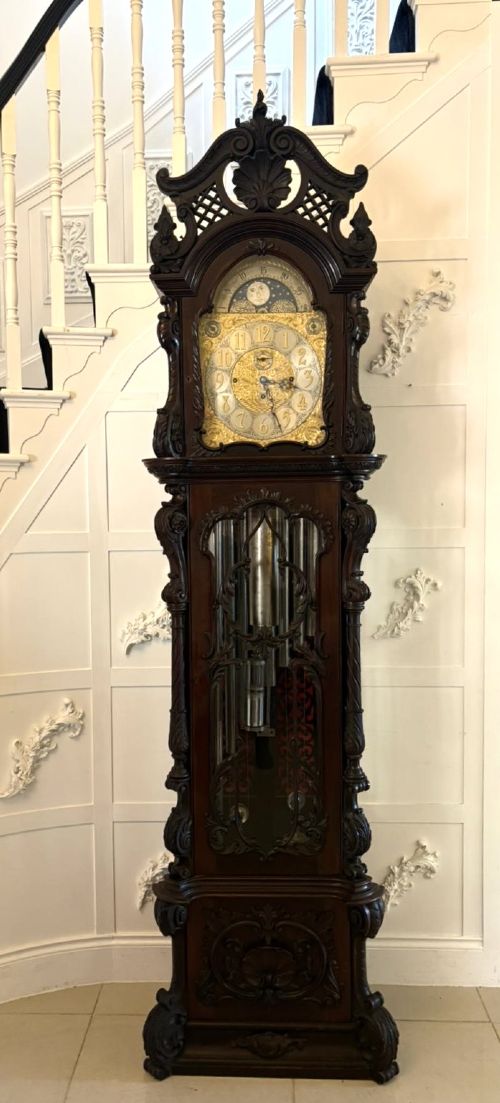
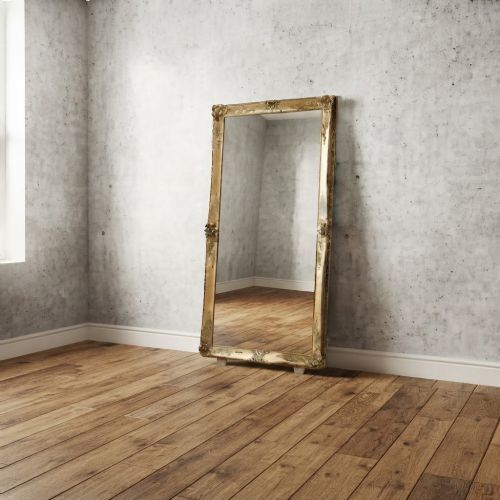
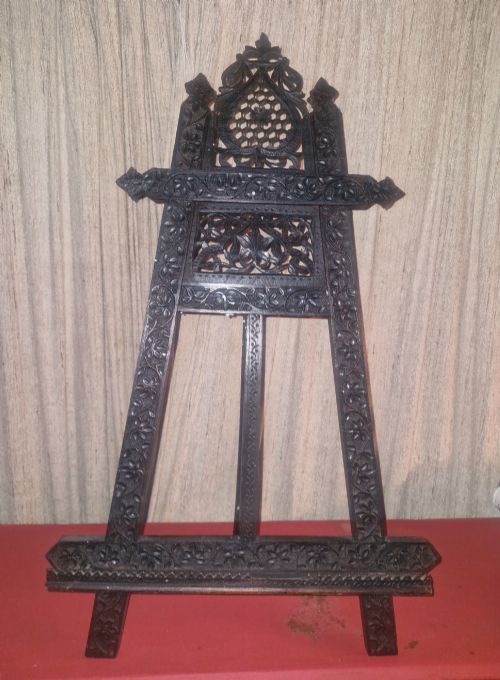
An ornate wood stand brings heavy carving and gilded surfaces to a room, holding everything from plants to lamps.
Ornate Wood Stand
An ornate wood stand encompasses various carved and decorated supports found across domestic interiors, including plant stands, torchers, and console tables. These pieces serve practical roles while adding decorative weight to a room through elaborate profiles and structural flourishes.
The selection here draws primarily from nineteenth-century forms alongside early twentieth-century examples, spanning styles from Italian Baroque and Rococo Revival to Anglo-Indian and Chinoiserie. Buyers encounter items ranging from tall pedestals to small display tables, each shaped by distinct regional aesthetics.
The materials vary widely within this grouping, running from native oak and walnut to exotic padauk, alongside extensive use of applied gesso, giltwood, and paint. Pieces often integrate secondary elements like marble tops or brass fittings to complement the carved woodwork.
Materials and construction methods
The construction relies heavily on solid hardwoods such as mahogany, walnut, and oak, which provide the structural integrity needed for deeply carved forms. Workshops also utilised dense tropical timbers like padauk for pieces requiring sharp, durable detail work.
Surface ornamentation often involves carved gesso and applied leaf gilding over a wooden base, creating the reflective, ornate finishes characteristic of French and Italian pieces. Artisans combined joinery techniques with hand-chiselled relief work to achieve complex profiles on legs, aprons, and pedestals.
Ornate Wood Stand Retail Price Guide 2026
Typical asking prices for ornate wood stand among the pieces listed under this phrase on Sellingantiques today, from the lower quarter to the upper quarter. They describe what is for sale here now, not the wider market.
Factors determining quality
Depth and precision of the hand carving separate standard items from superior examples, as sharper chisel work yields crisper floral and scroll motifs. The handling of the gesso and gilt layer also dictates the visual success of a piece, with finer applications retaining subtle under-modelling rather than masking the wood below.
Structural harmony between the top surface and the supporting base indicates the maker's intent, particularly where heavy elements like marble or alabaster rest on carved frames. The choice of timber underpins longevity, with dense or exotic woods holding complex joints far better than softer alternatives.
The Ornate Wood Stand Glossary
- Torchere
- A tall stand designed to support a lamp or candle, usually featuring a slender column and an ornate base. These pieces elevate lighting sources above floor level.
- Giltwood
- Timber that has been coated with a thin layer of gold leaf over a prepared gesso ground. This finish provides a bright, reflective surface popular in formal European design.
- Gesso
- A plaster-like mixture applied to wood surfaces to create a smooth base for gilding or painting. It allows artisans to carve fine relief details directly onto the preparation layer.
- Padauk
- A heavy tropical hardwood valued for its dense grain and rich colouration. Craftsmen utilise this timber for intricate carving that requires high structural stability.
- Chinoiserie
- A European decorative style reflecting Chinese artistic influences, often seen in lacquered finishes and painted motifs. This aesthetic appeared frequently on small tables and stands.
Ornate Wood Stand: Frequently Asked Questions
What is an ornate wood stand used for?
These stands provide elevated surfaces for displaying plants, lamps, or decorative objects within a room. Their elaborate designs allow them to function as sculptural elements as well as practical furniture.
Historically, tall torcheres and pedestals illuminated dark corners or showcased significant art pieces. Today, they serve similar display roles while adding period character to domestic interiors.
Where should I place a giltwood stand?
Giltwood stands work well against dark walls or in well-lit areas where the reflective gold surface can catch natural light. They complement traditional drawing rooms and hallways as accent pieces.
Avoid placing these items in areas with high humidity or direct sunlight, as these conditions can damage the delicate gesso and leaf layers over time.
What is the difference between padauk and walnut?
Padauk is an exceptionally dense tropical timber with a natural reddish hue, capable of holding very crisp carved details. Walnut offers a slightly softer warm brown tone with distinct grain patterns, widely used in European cabinetry.
Both woods provide the structural strength necessary for heavily decorated stands, though padauk typically appears in pieces with exotic or colonial origins.