



Ornate Wood Side Tables
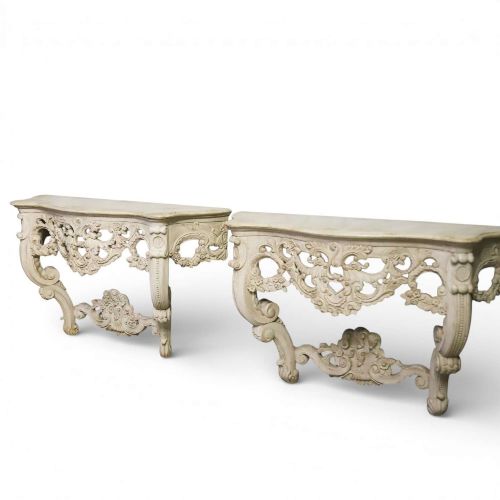
These ornate wood side tables bring heavy carved detail and marble tops into a room, offering surface space with significant visual weight.
Ornate Wood Side Tables
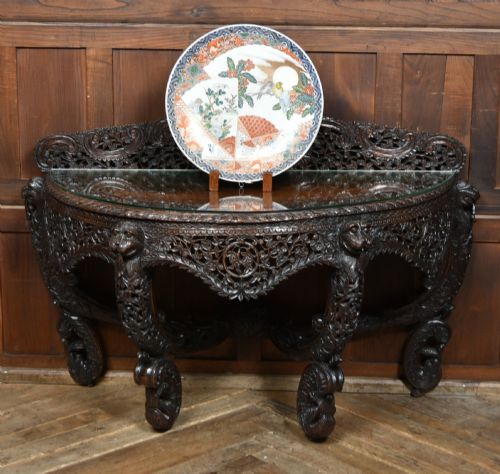
When you search for ornate wood side tables, you encounter console tables, centre tables, and occasional tables dating from the eighteenth century through to the early twentieth century. These pieces encompass regional British, French, Italian, and Indian forms, alongside distinct Victorian and revival styles.
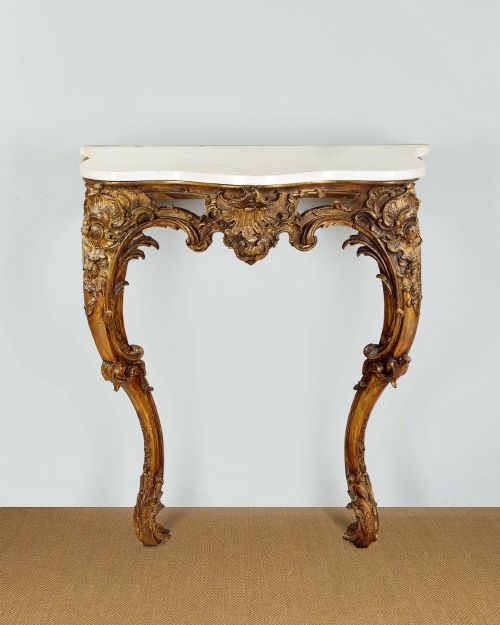
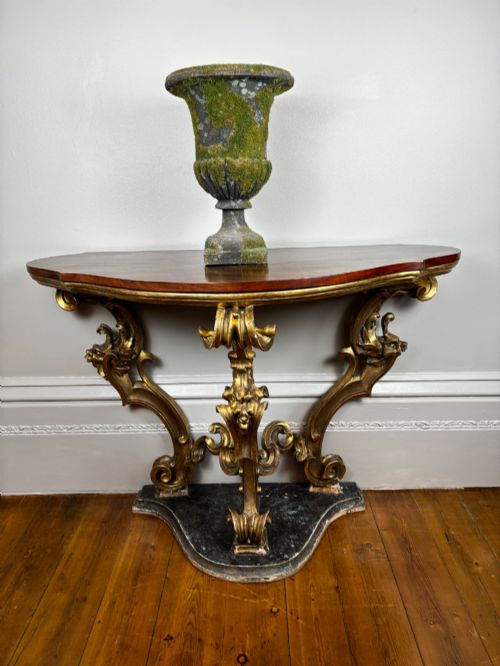
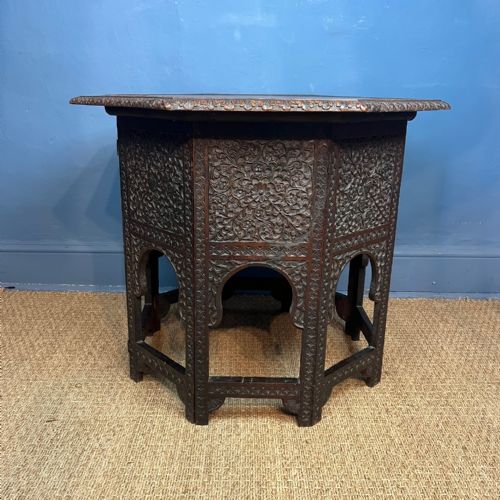
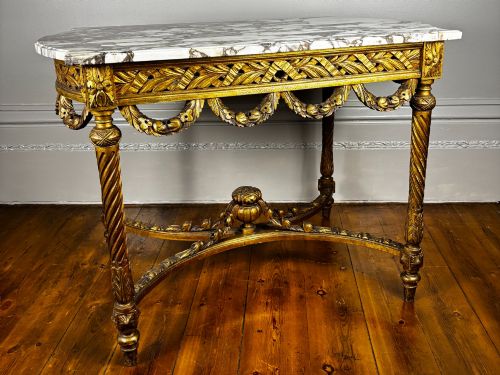
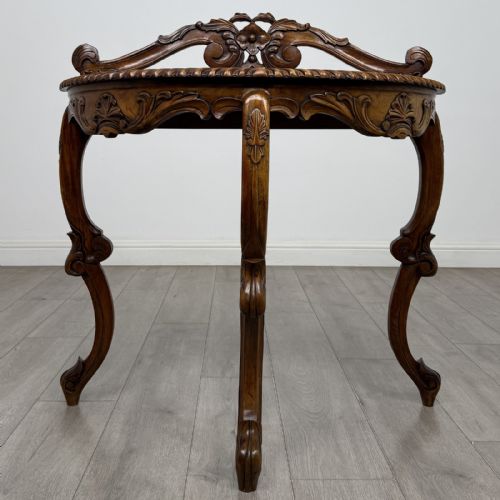
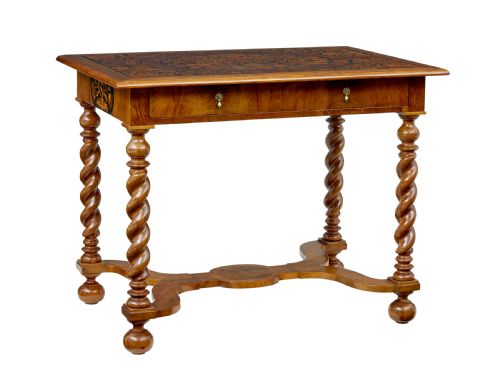
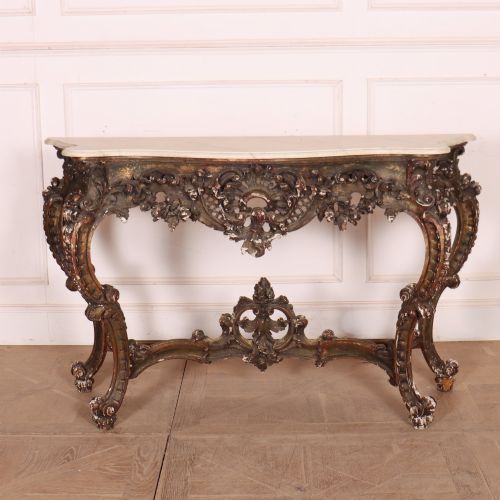
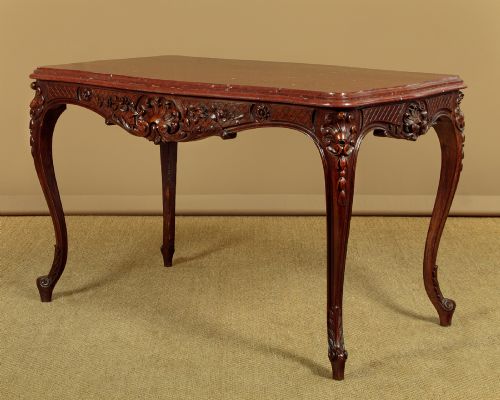
The pieces appearing here include French Rococo console tables, Italian giltwood designs, and carved walnut occasional tables. Console tables designed to stand against a wall frequently feature heavy carving and marble tops, while centre tables provide finished detail on all sides for placement in the middle of a room.
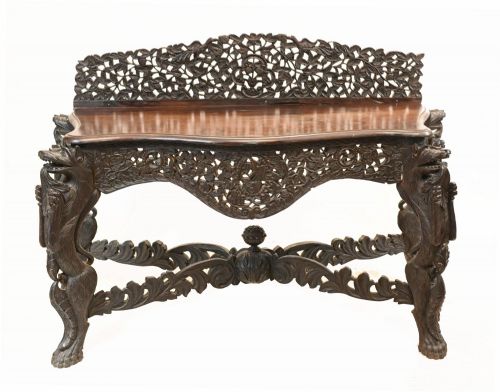
Origins span European workshops and Anglo-Indian production centres, incorporating materials like walnut, rosewood, and mahogany alongside painted or gilded finishes. Buyers select these tables to anchor a hallway or reception room with period character.
How they were made
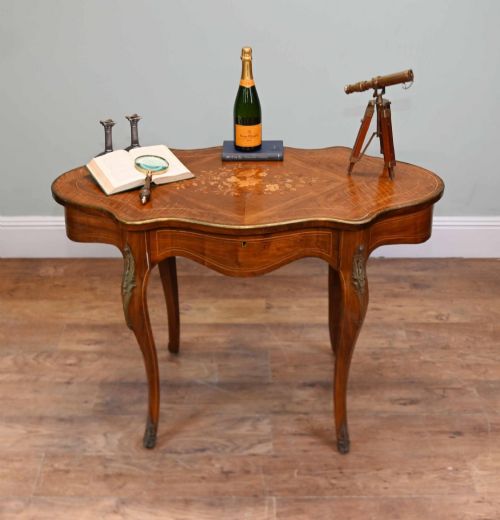
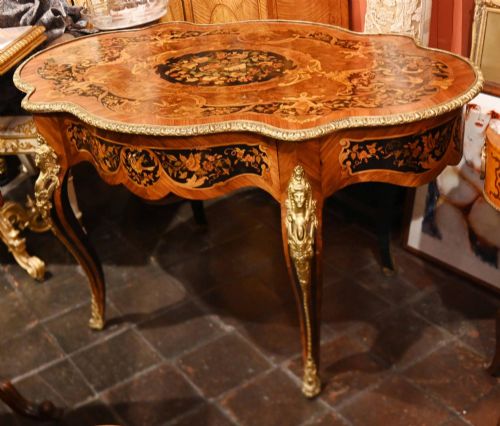
Cabinet makers utilised dense hardwoods such as walnut, mahogany, and rosewood, carving structural frames by hand with deep relief scrolls and floral motifs. Giltwood surfaces received layers of gesso before applying gold leaf, while marquetry tables incorporated precise wood veneers laid in geometric or pictorial patterns.
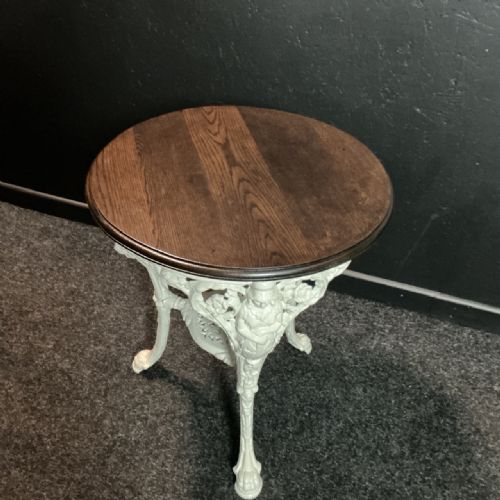
Heavy marble slabs, including white Carrara and rouge varieties, were fitted directly to the tops of console and lamp tables to provide a durable, cool surface. Iron and brass components occasionally supplement the wooden construction on specific drinks and occasional tables.
Ornate Wood Side Tables Retail Price Guide 2026
Typical asking prices for ornate wood side tables among the pieces listed under this phrase on Sellingantiques today, from the lower quarter to the upper quarter. They describe what is for sale here now, not the wider market.
Several tables incorporate hidden compartments or adjustable stands designed to accommodate nineteenth-century reading habits.
What varies in quality
The crispness and depth of hand carving separate standard production from superior examples, where every leaf and scroll shows considered undercut detail rather than soft moulding. Marquetry execution also defines quality, depending on the tightness of the veneer joints and the intricacy of the wood selections.
The integration of the marble top into the wooden frieze indicates the original tier of the piece, with heavier, better-figured stone resting flush into rebated frames. Gilding technique further distinguishes the range, utilising gold leaf applied over properly prepared gesso rather than flat modern paint.
The Ornate Wood Side Tables Glossary
- Console table
- A table designed to stand against a wall, frequently fixed with brackets or resting on front legs with a flat rear edge. These tables often carry heavy marble tops.
- Marquetry
- The art of applying pieces of veneer to a structure to form decorative patterns or pictures. Makers utilised contrasting woods to achieve tonal depth.
- Giltwood
- Wood that has been coated with gold leaf or powder. This finish appears frequently on Italian and French revival frames.
- Serpentine
- A furniture front or top that curves outward in the centre and inward at the sides. This shape adds movement to wooden side tables.
- Gesso
- A plaster mixture used as a base for paint or gold leaf on wood. It allows for smooth surfaces and moulded relief details.
Ornate Wood Side Tables: Frequently Asked Questions
Where should an ornate wood side table go?
Console variants suit entrance halls or placement beneath mirrors against a flat wall, where their decorated friezes draw the eye. Centre tables require placement in open floor spaces so the carved detailing remains visible from all angles.
Smaller occasional and wine tables fit beside seating arrangements or in corners to hold lamps or decorative objects. Their surfaces handle everyday use provided hot drinks or moisture use protective coasters.
How do I care for a marble top?
Marble surfaces require simple wiping with a damp cloth and mild soap to remove dust and daily marks. Acidic liquids like wine or citrus juice etch the polished stone if left sitting.
Applying a specialist stone wax periodically helps protect the porous surface from staining. Avoid harsh chemical cleaners that strip the original polish from antique stone.
Are these tables sturdy enough for daily use?
Solid hardwood frames constructed with traditional joinery offer stable platforms for lamps, books, and decorative items. Console tables often require wall fixings for absolute stability due to their heavy marble tops.
Tables featuring delicate pierced carving or applied gesso need gentle placement away from heavy foot traffic. Checking the joints occasionally ensures the frame remains tight over decades of use.
How do I identify a French Rococo table?
French Rococo pieces display asymmetrical scrolls, C-scrolls, shell motifs, and naturalistic floral carvings across the apron and legs. Cabriole legs curve outward and taper down to scrolled feet.
These tables often feature giltwood finishes or intricate marquetry inlay across the top surfaces. The overall aesthetic prioritises flowing lines over straight architectural geometry.