
Ornate Wood Mirror
An ornate wood mirror brings historic presence to a room, offering elaborate carved frames and reflective depth rooted in centuries of craftsmanship.
Ornate Wood Mirror
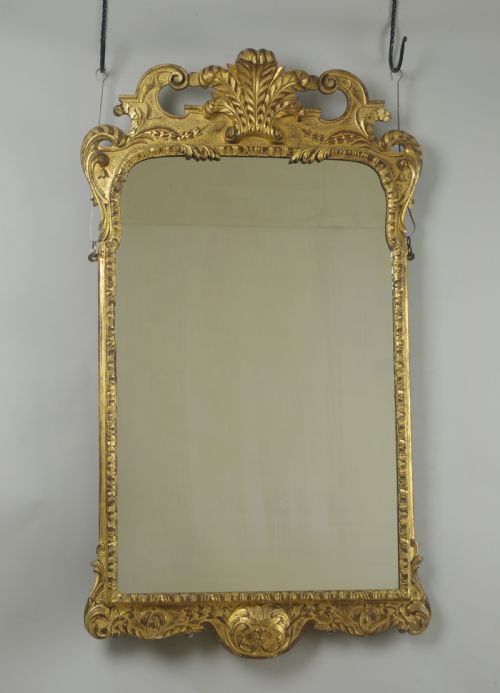
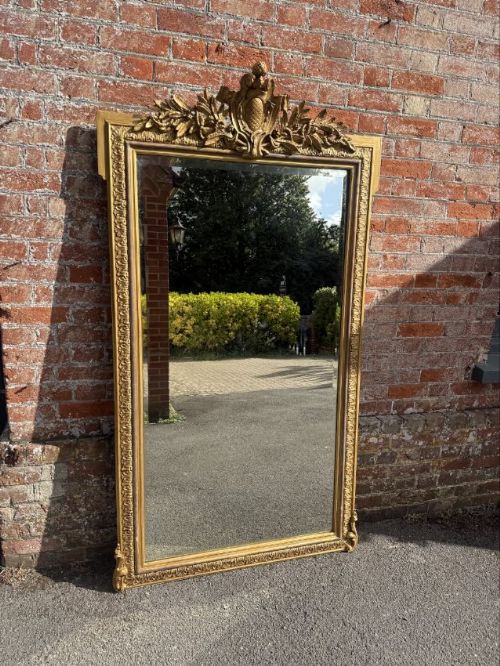
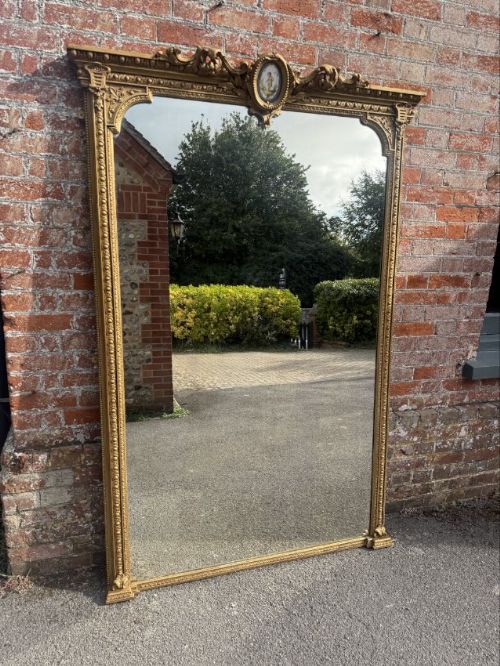
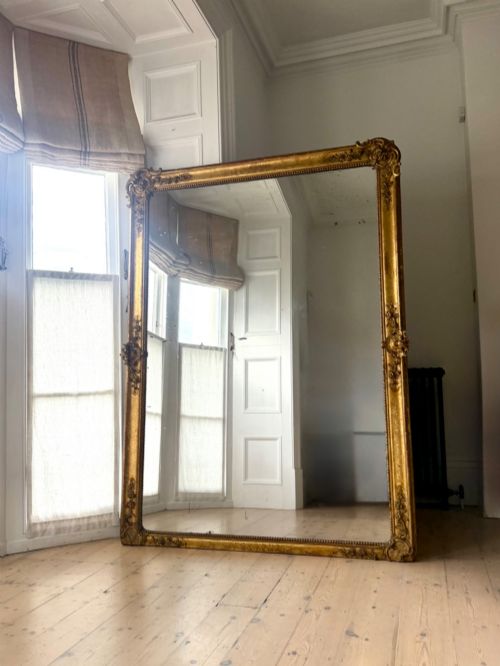
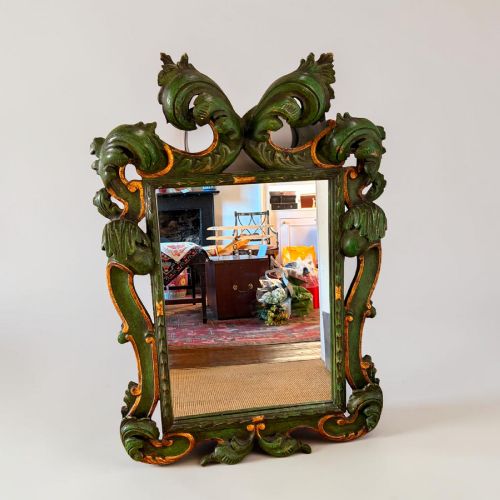
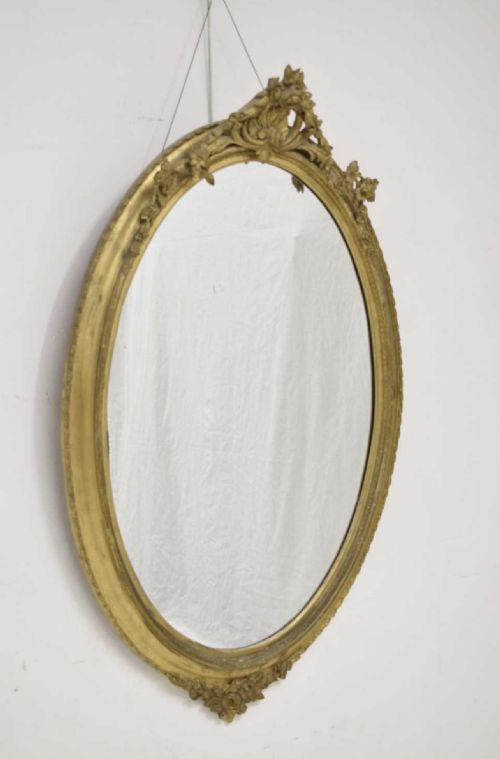
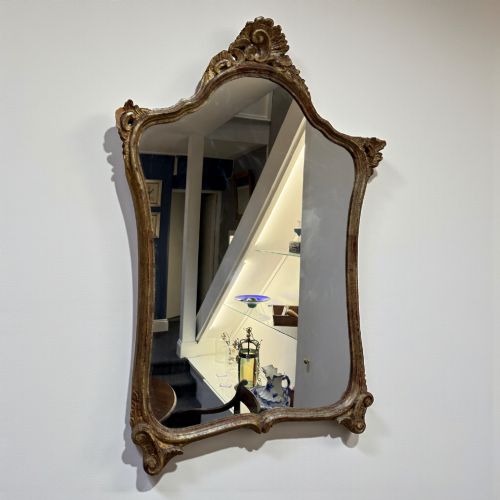
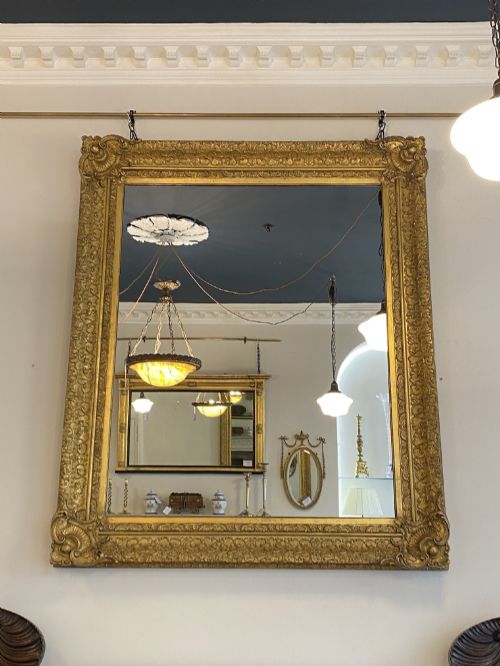
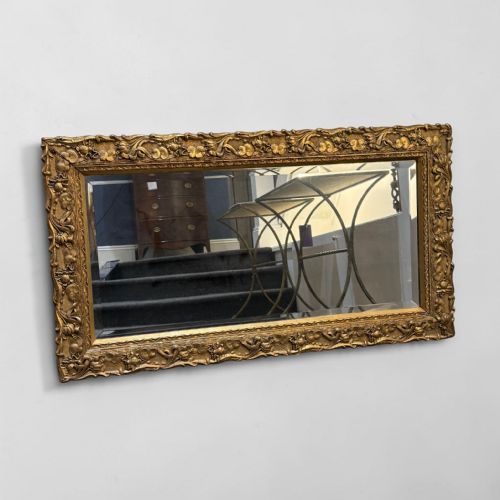
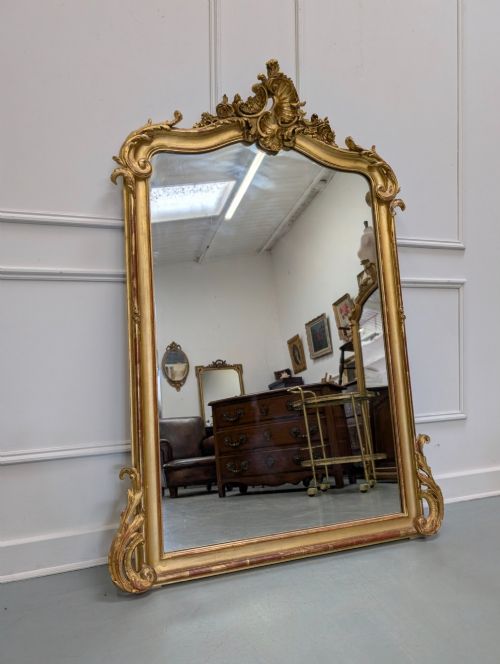
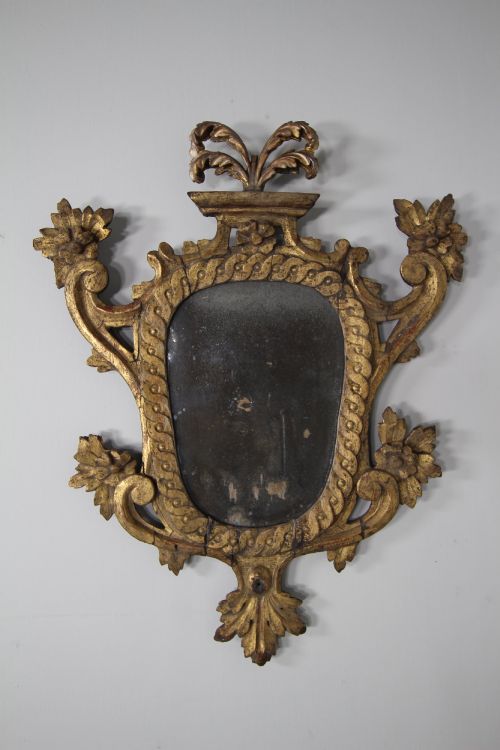
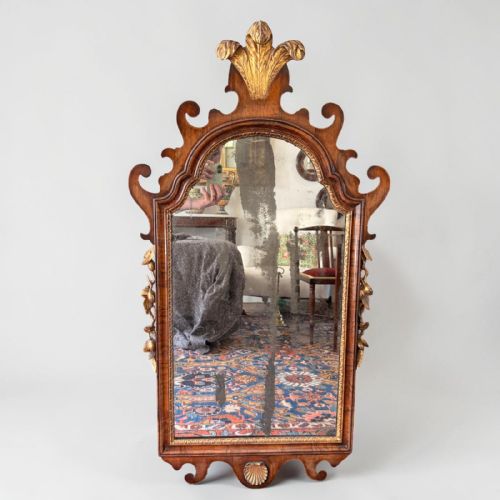
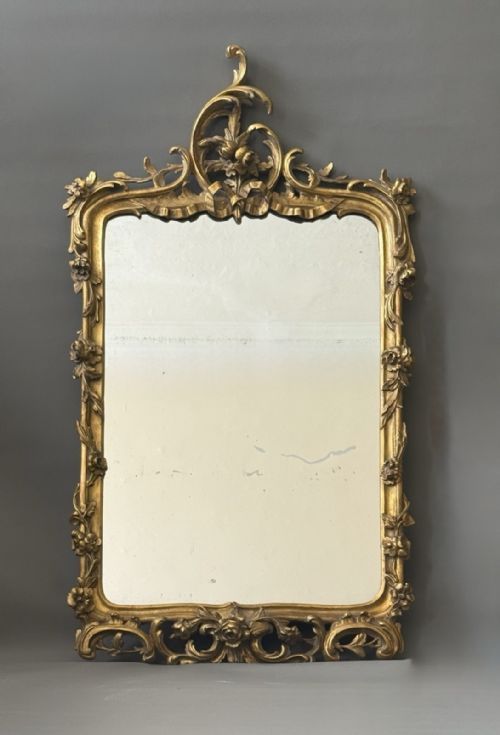
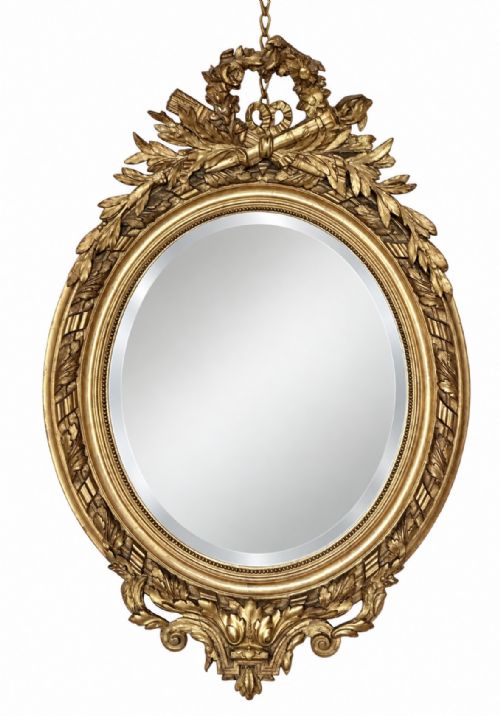
When buyers search for an ornate wood mirror, they encounter heavily decorated wall hangings, grand overmantels, and full-length leaner pieces designed to draw the eye. These items span periods from the eighteenth century through to the early twentieth century, carrying the stylistic weight of French, Italian, and English workshops.
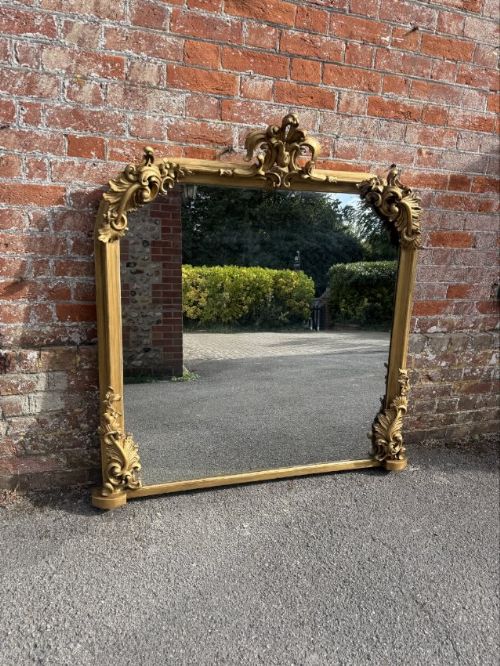
The most common forms on this page include nineteenth-century French and English wall mirrors, alongside architectural overmantel mirrors shaped for placement above a fireplace. Makers drew upon rococo revival, baroque, and chateau aesthetics, resulting in frames dominated by scrolls, foliage, and crests.
Beyond standard wall mirrors, the selection encompasses specialised forms such as girandoles with candle sconces, pier glasses designed for narrow wall spaces between windows, and oval or rectangular plates housed within deep wooden surrounds.
How they were made
Carvers shaped the foundational structure from timber such as oak, walnut, or pine, utilising hand-chiselled techniques to achieve deep relief work for scrolls, flowers, and vine motifs. This carved wooden core provided the robust skeleton necessary to support heavy glass plates.
To achieve the characteristic gleam, artisans applied layers of gesso - a mixture of chalk and binder - over the wood surface, smoothing the compound to receive fine applications of gold leaf or liquid gilding. Composition ornaments moulded from putty were frequently applied over the wood to build up repetitive floral or ribbon crest details efficiently.
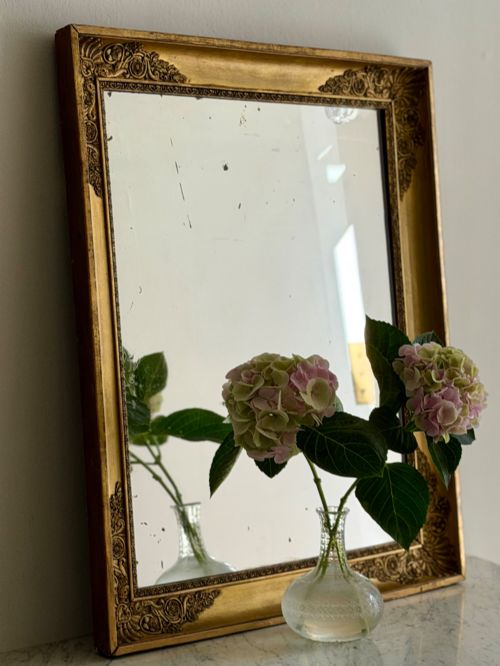
Mirrors from earlier periods often feature mercury glass plates, created by backing the glass with a tin and mercury amalgam before silvering techniques became standard in the mid-nineteenth century. These plates frequently exhibit characteristic foxing and mottling across the reflective surface.
Some nineteenth-century mirrors include tiny hidden wooden pegs behind the crests, used by makers to anchor delicate ribbon carvings before gilding.
What varies in quality
The depth and crispness of the hand-carved relief dictate much of the distinction between standard production and superior examples. Sharply defined undercut foliage and symmetrical scrolls indicate skilled hand labour, whereas softer, repetitive contours often point toward moulded composition ornament over plain timber.
Originality of components plays a major role in evaluation, particularly the retention of the original mercury or antique glass plate alongside untouched giltwood surfaces. Frames that retain their original gilding without excessive over-painting or heavy modern restoration preserve a more authentic historical character.
The Ornate Wood Mirror Glossary
- Giltwood
- Timber coated with gold leaf applied over a prepared gesso ground. This finish provides a warm, reflective metallic sheen that mellows gently over the decades.
- Gesso
- A fine plaster mixture applied to carved wooden frames to create a smooth, responsive surface for gilding and detailed modelling. It allows artisans to impress sharp decorative lines into the material.
- Overmantel mirror
- A wide mirror specifically proportioned to hang on the wall directly above a fireplace mantelpiece. These pieces often feature low horizontal formats or shaped arch tops designed to echo architectural cornices.
- Girandole
- A decorative wall mirror featuring attached candle sconces projecting from the frame. The polished branches multiply the candlelight within a dimly lit interior.
- Mercury glass
- A reflective mirror plate produced using a tin and mercury backing technique common before the modern silver nitrate process. It frequently develops dark spots and soft foxing over time.
- Pier glass
- A tall, narrow mirror designed to hang on the expanse of wall between two windows. These tall plates maximise natural light in period rooms.
Ornate Wood Mirror: Frequently Asked Questions
How do I date an ornate wood mirror?
Dating relies heavily on construction methods, timber types, and stylistic indicators such as rococo scrolls or nineteenth-century gesso application. Examining the backboards, fixings, and the composition of the glass plate provides further chronological clues.
Earlier eighteenth-century examples often display pegged joinery and hand-cut pine or walnut carcases, while Victorian pieces frequently incorporate composition mouldings and machine-sawn backing boards. Comparing the frame style with documented decorative periods helps narrow down the decade of manufacture.
What is mercury glass?
Mercury glass refers to mirror plates silvered using a tin-mercury amalgam rather than modern chemical silvering solutions. This historical technique results in a softer, deep reflection with characteristic dark spots known as foxing.
Plates created this way do not produce the harsh, flat reflection of modern glass. Instead, they offer a mottled, atmospheric appearance valued by collectors for its age and character.
Where should I hang an overmantel mirror?
Overmantel mirrors were originally designed to sit securely above a fireplace, anchoring the vertical space of a chimney breast. Their horizontal proportions complement the hearth below and help balance large rooms.
While traditional placement remains above a fireplace, these heavy frames also function effectively on main reception room walls where they can reflect light from opposing windows. Due to their substantial weight, secure wall fixings into masonry or structural studs are essential.
How do I care for antique giltwood?
Giltwood frames require gentle maintenance using a soft, dry brush to remove dust from the intricate carved recesses. Moisture and chemical cleaning agents must be avoided to protect the delicate gold leaf and underlying gesso.
Keeping the mirror away from direct sunlight and damp environments prevents the wood from warping and protects the fragile gilded surface. Regular, careful dusting ensures the metallic finish remains stable.