
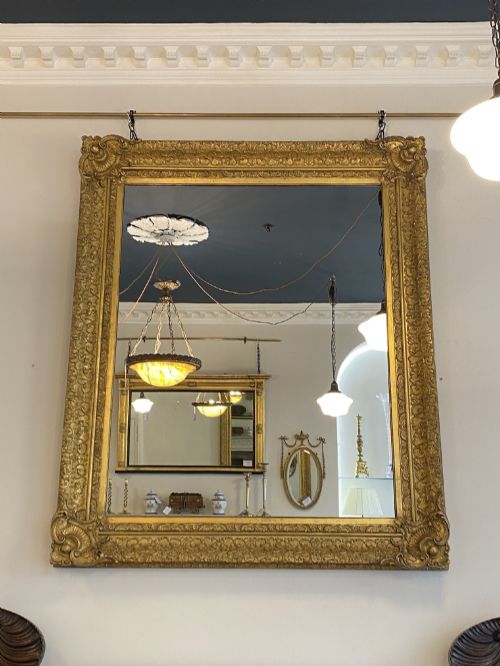
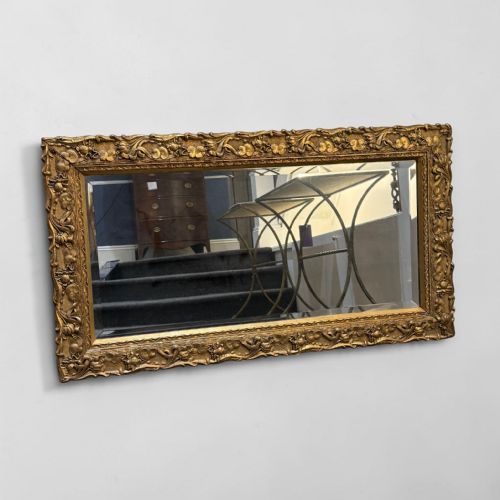
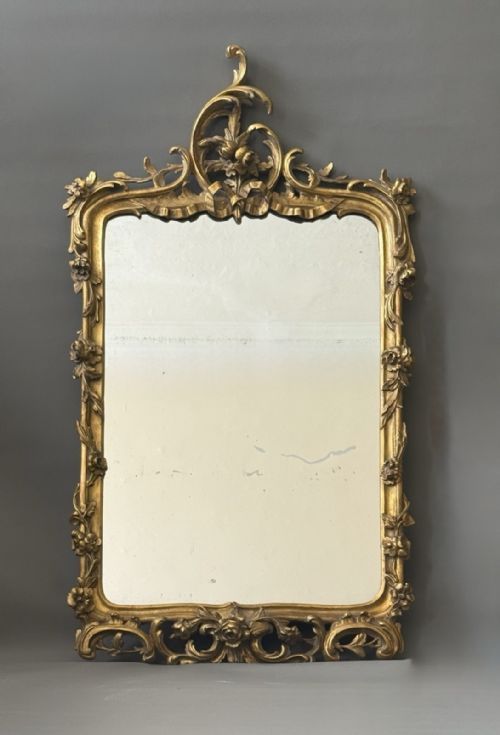
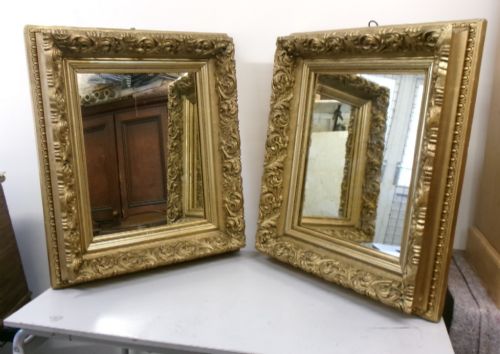

Ornate Wood Frame Mirror
An ornate wood frame mirror brings historical depth and reflective light to a room through centuries of carved craftsmanship.
Ornate Wood Frame Mirror
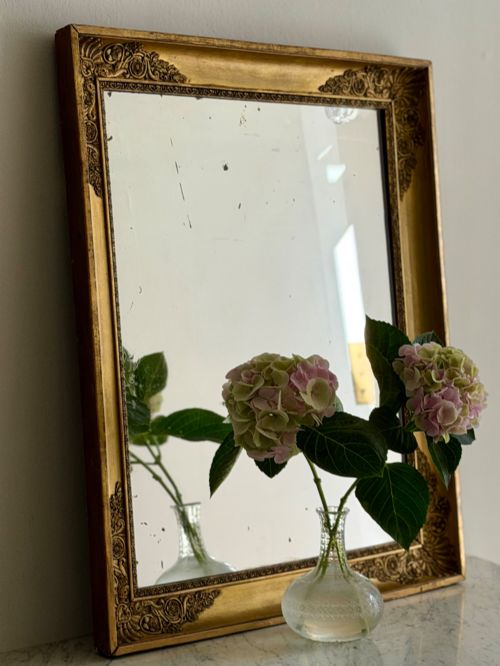
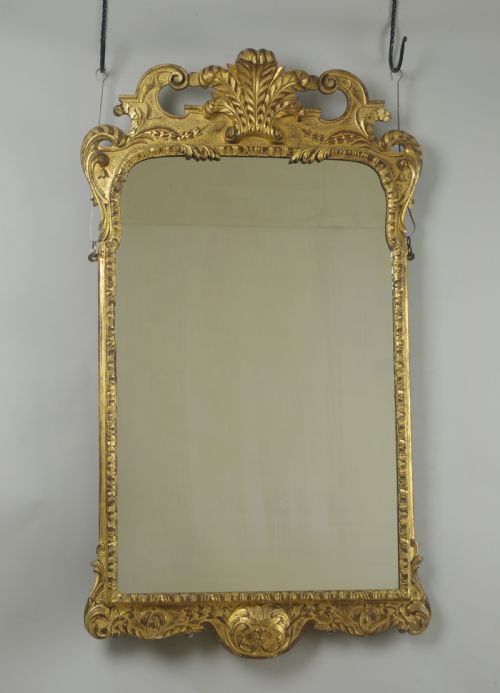
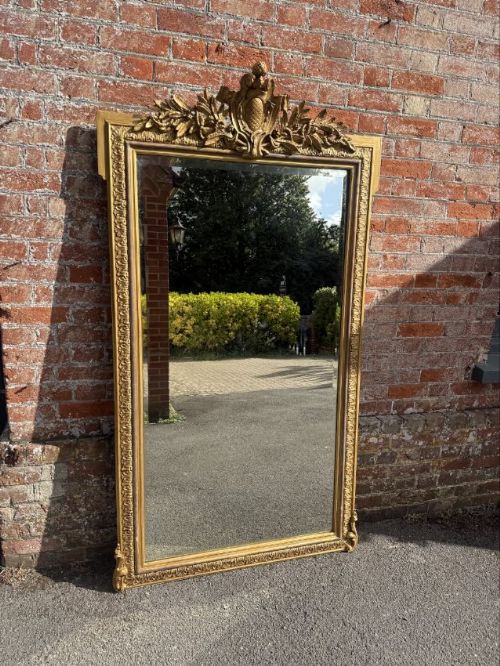
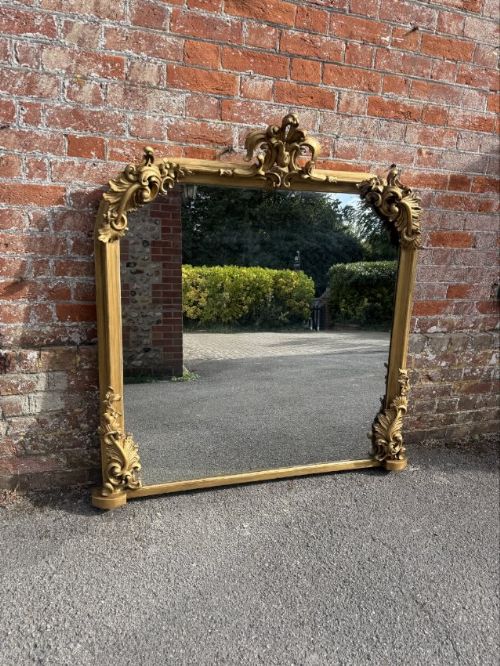
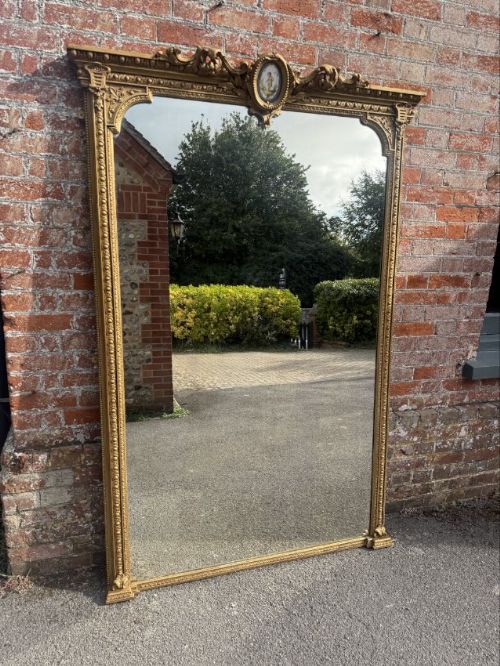
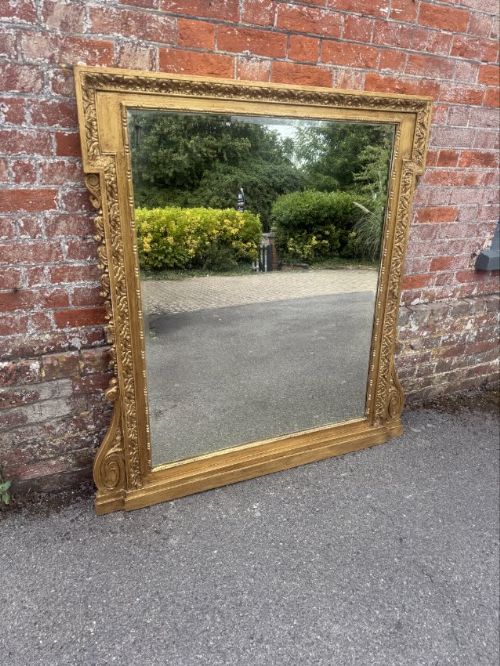
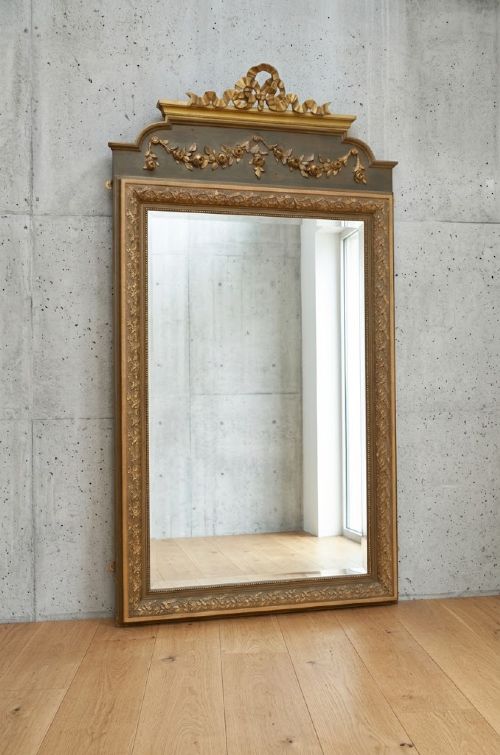
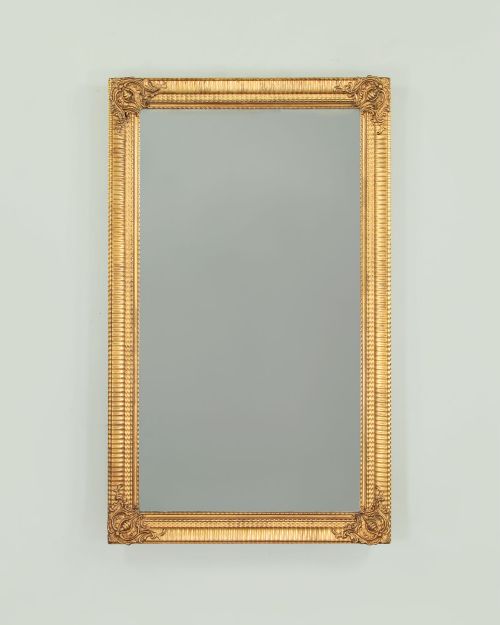
An ornate wood frame mirror encompasses large architectural overmantel pieces, vertical pier glasses, and delicate wall hangings designed to catch and amplify interior light. These objects serve as focal points in reception rooms, hallways, and grand chambers, bridging functional optics and decorative sculpture.
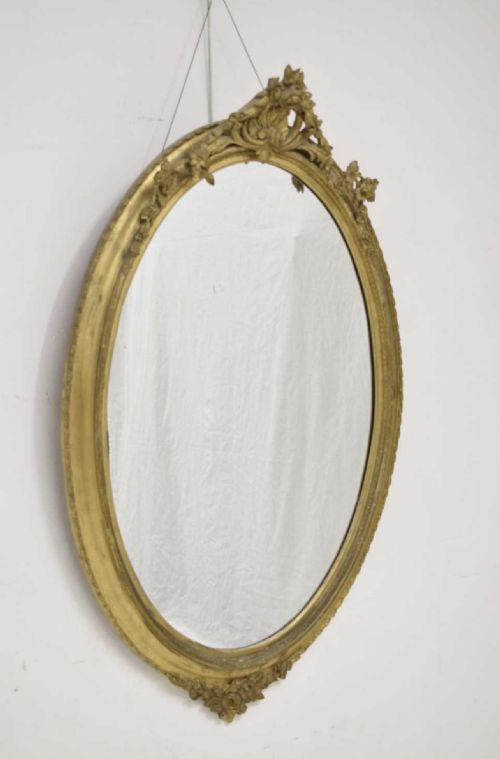
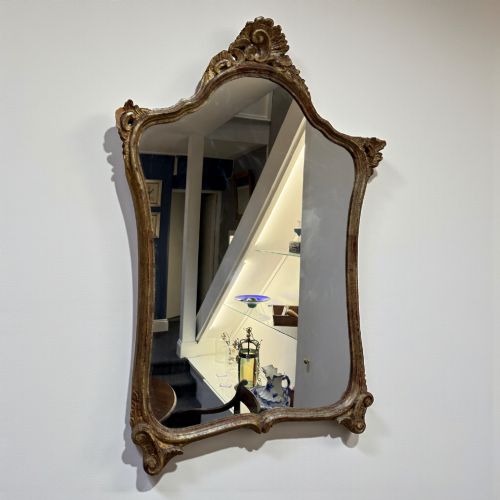
The pieces available originate primarily from nineteenth-century English and French workshops, alongside eighteenth-century Continental examples and later revival pieces. Buyers frequently encounter nineteenth-century giltwood and gesso overmantel mirrors alongside Italian Florentine carved frames and French Rococo wall mirrors.
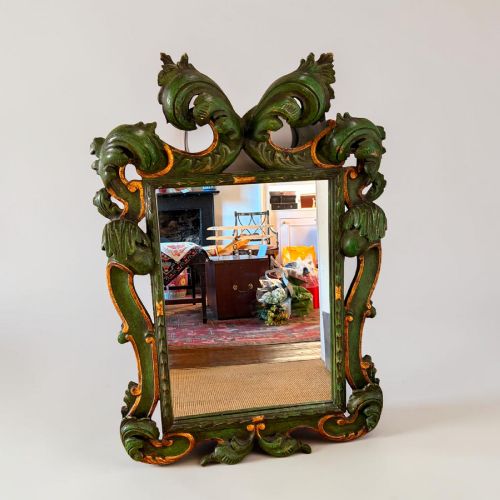
Makers shaped timber, oak, and pine into asymmetrical scrolls, floral crests, and classical columns, finishing surfaces with gold leaf, paint, or oil gilding. Surviving examples reflect the aesthetic shifts of the Victorian era, the Belle Époque, and earlier Georgian sensibilities.
How they were made
Artisans constructed the underlying structure from solid timber, oak, or carved wood, building up complex relief details with layers of gesso over the wooden base. This plaster-like mixture allowed carvers to achieve crisp edges and deep scrolls before applying finishes.
Surfaces were frequently gilded using thin sheets of gold leaf applied over a bole ground, or painted and oil-gilded to achieve different tonal qualities. Original antique glass plates were silvered by hand, often resulting in natural foxing and subtle imperfections over time.
Several mirrors retain olive green paint beneath their gilt layers, whispering of Victorian drawing rooms repainted for changing fashions.
What varies in quality
The depth and sharpness of the hand carving dictate the sculptural presence of the frame, separating mass-produced composition ornament from deeply undercut wooden relief. Pierced scrolls and intricate floral motifs require advanced woodworking skill, which defines the upper tier of surviving examples.
The preservation of the original surface finish, whether gold leaf, oil gilding, or early paint, determines historical integrity and visual warmth. Original mirrored plates showing age-appropriate oxidation carry greater authenticity than modern replacements.
The Ornate Wood Frame Mirror Glossary
- Gesso
- A mixture of plaster of Paris or chalk with glue, applied to wood as a smooth base for gilding or painting. This material is built up in layers and carved to create ornate relief ornament.
- Giltwood
- Wood that has been coated with gold leaf or gold paint. It forms the primary reflective surface finish for high-status decorative mirrors.
- Overmantel mirror
- A wide mirror specifically designed to hang above a fireplace mantel. These pieces often feature landscape proportions to fit the architectural space.
- Pier glass
- A tall, narrow mirror designed to hang on the wall space between windows. They frequently match console tables placed below them.
- Foxing
- Small brown spots and discoloration appearing within the silvering of antique mirror glass. This natural ageing process results from chemical reactions over decades.
- Girandole
- A decorative wall mirror featuring attached candle sconces. The candle arms reflect additional light into the room from the mirrored surface.
Ornate Wood Frame Mirror: Frequently Asked Questions
Where should I hang an overmantel mirror?
These large mirrors are traditionally mounted directly above a fireplace mantelpiece to anchor the room's main wall. Their proportions reflect surrounding space and draw light downward into the seating area.
Ensure the wall fixings match the substantial weight of carved timber and gesso construction. Professional installation is recommended for very heavy nineteenth-century frames.
How do I care for antique giltwood?
Dust the carved surfaces gently with a soft, dry brush to prevent accumulation in the intricate recesses of the gesso. Avoid liquid cleaners, polishes, or damp cloths, which can lift the delicate gold leaf.
Keep the mirror away from direct sunlight and damp environments to protect the underlying wood and original finish from movement or cracking.
What is an antique plate?
An antique plate refers to the original sheet of glass set into the historical frame. These older glasses often display slight distortions, bubbles, and foxed spots that prove their age.
Retaining the original plate preserves the visual continuity between the eighteenth or nineteenth-century glass and its ornate housing.
How can I tell French styles apart?
French Rococo mirrors feature asymmetrical scrolls, C-scrolls, and naturalistic floral motifs inspired by mid-eighteenth-century design. Louis Philippe styles, popular later in the nineteenth century, introduce cleaner rectangular shapes with rounded upper corners and simpler beaded or ribbon crests.
Examining the carving technique and overall silhouette helps distinguish earlier revival pieces from later interpretations.