




Ornate Wood Fireplace
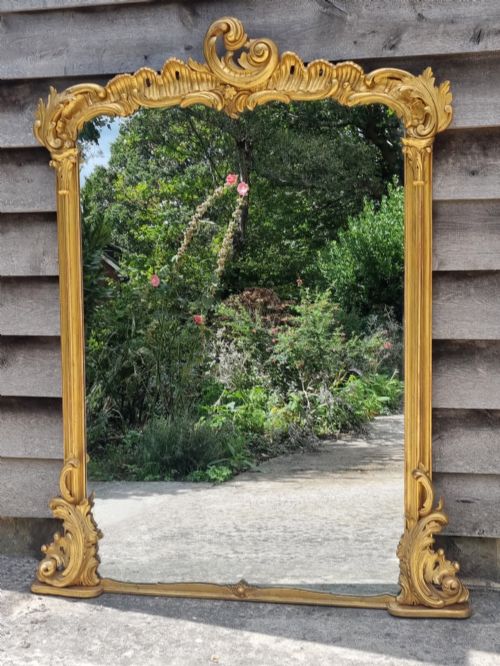
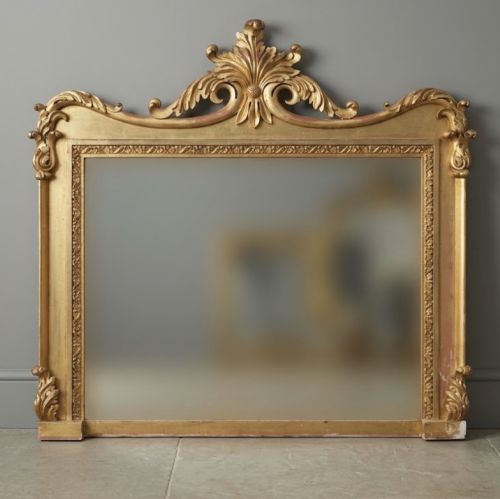
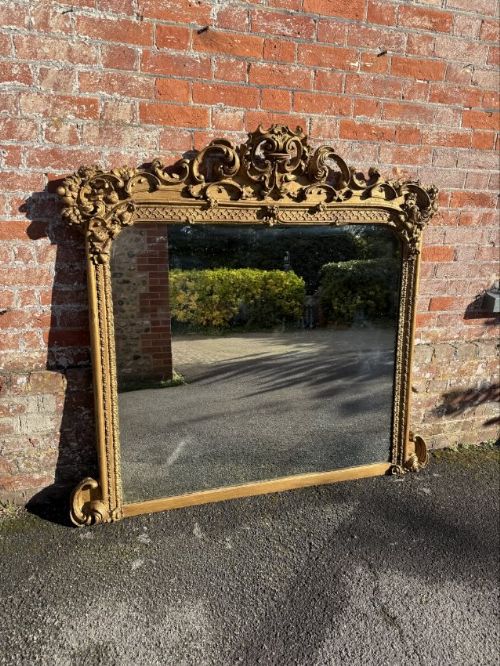
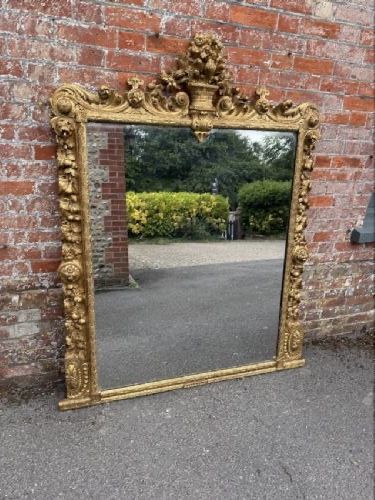
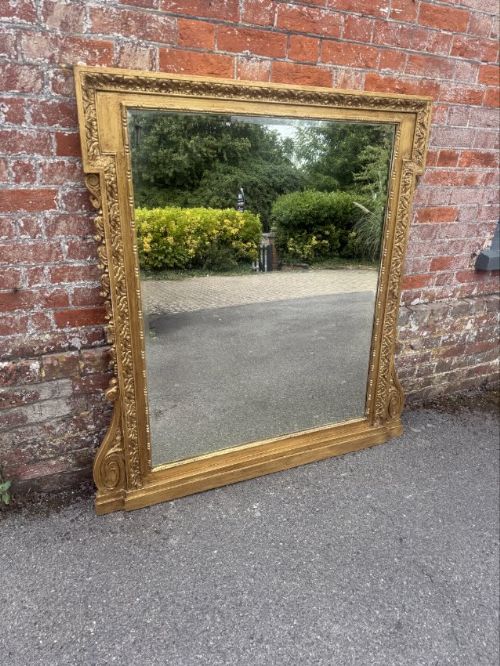
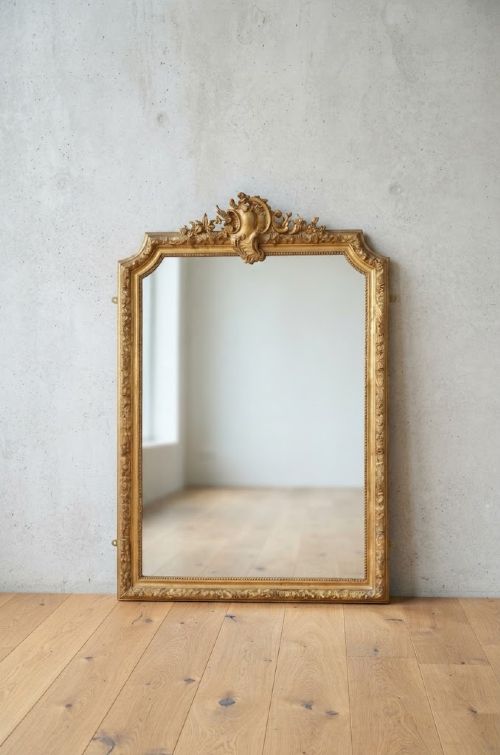
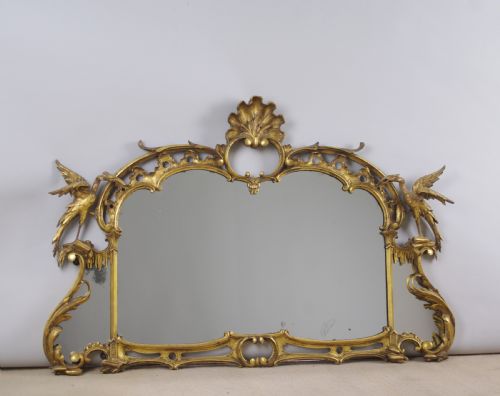
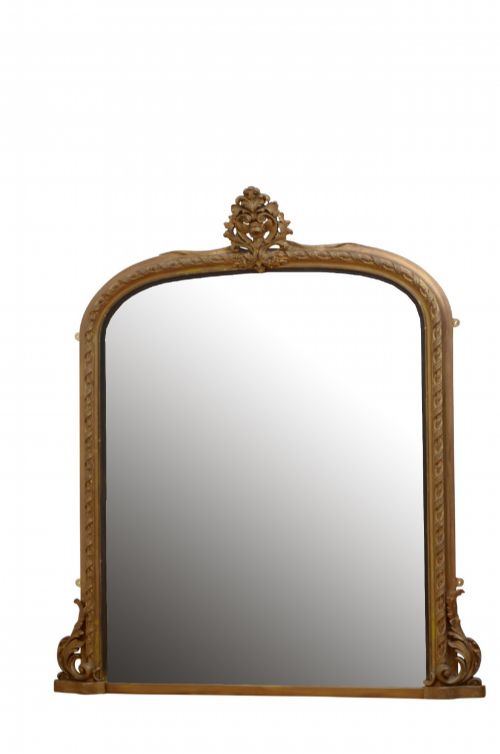
These large ornate wood fireplace pieces are predominantly grand nineteenth-century overmantel mirrors designed to sit above a mantelpiece.
Ornate Wood Fireplace
When you search for an ornate wood fireplace, you encounter substantial overmantel mirrors alongside occasional fire screens and woodburners. The vast majority of these items are large nineteenth-century wall mirrors built to command attention directly above a hearth.
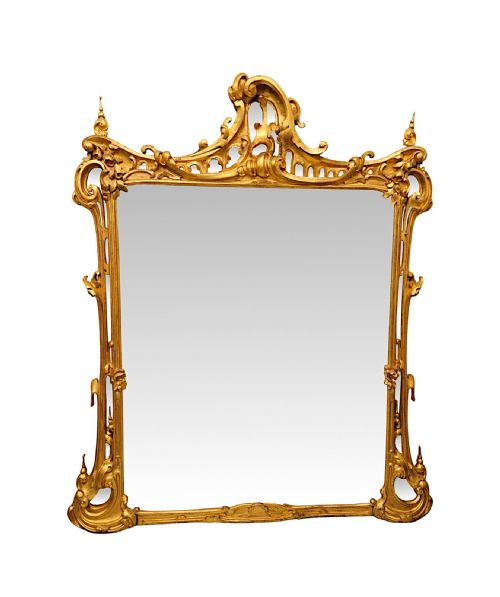
The selections span English, French, and Italian origins, frequently rendered in styles such as Victorian Rococo Revival, Chinese Chippendale, and French Chateau. These pieces reflect the nineteenth-century domestic interior, where hearths served as the centrepiece of formal rooms.
Materials and construction
The construction of an ornate wood fireplace piece relies heavily on timber frameworks finished with carved wood and gesso, then overlaid with gold leaf or gilding. This combination allowed makers to build deep relief ornamentation and intricate scrollwork into the wooden structure.
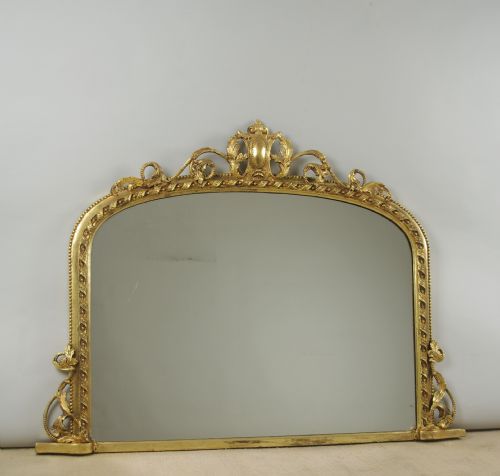
Mirrors incorporate heavy mirror glass, sometimes shaped with arched tops, cartouche forms, or rectangular proportions designed to reflect light across a room. Oak, walnut, and giltwood provide the structural support and the ornate surface decoration characteristic of the period.
Ornate Wood Fireplace Retail Price Guide 2026
Typical asking prices for ornate wood fireplace among the pieces listed under this phrase on Sellingantiques today, from the lower quarter to the upper quarter. They describe what is for sale here now, not the wider market.
The listings span from the mid-nineteenth century up to the 1920s, featuring oak, walnut, and giltwood materials.
Assessing quality
Quality in an ornate wood fireplace piece rests on the depth and crispness of the carved wood and gesso ornamentation. Superior examples display sharply defined motifs and smooth application of gold leaf rather than flattened surface details.
The integration of the mirror glass within the heavy wooden frame and the overall structural integrity of large formats distinguish finer items. Scale also plays a part, with exceptionally large dimensions requiring robust joinery to support heavy giltwood frames safely.
The Ornate Wood Fireplace Glossary
- Overmantel mirror
- A large mirror specifically designed to be hung or placed on the mantelpiece above a fireplace. These frames often echo the architectural details of the room.
- Gesso
- A plaster-like mixture applied to wood surfaces as a base for carving and gilding. It allows craftsmen to create fine relief details before applying gold leaf.
- Giltwood
- Wood that has been coated with gold leaf or gilt paint. This finish produces the bright, reflective surface seen on nineteenth-century frames.
- Chinese Chippendale
- A mid-eighteenth-century style revived in later pieces, incorporating fretwork, pagodas, and botanical motifs. These frames display elaborate, Asian-inspired wooden ornamentation.
Ornate Wood Fireplace: Frequently Asked Questions
Where should an overmantel mirror be hung?
These mirrors are built to sit directly above a mantelpiece or fireplace surround. They command height and draw the eye upward, making them the visual anchor of a principal room.
Ensure the wall fixings match the substantial weight of carved wood and gesso frames. Positioning them opposite a window also maximises the reflection of natural light.
How do I clean a gilded wood frame?
Dust the carved wooden surfaces gently with a soft, dry brush to protect the delicate gesso and gold leaf layers. Avoid using water, chemical sprays, or abrasive cloths.
Moisture can penetrate older gilt surfaces and cause the underlying gesso to lift or flake away from the wood. Regular, gentle dusting preserves the historic finish.
Are all these mirrors Victorian?
While the nineteenth century dominates the selection, styles vary across different decades and European regions. Pieces range from mid-century English designs to French chateau items and Italian interpretations.
Details such as cartouche shapes, arched crests, and specific revival styles help differentiate the exact period and origin of each piece.
Can these pieces be used without a fireplace?
Many large overmantel mirrors function effectively as standalone wall mirrors in hallways, dining rooms, or living spaces. Their generous scale allows them to transform empty wall space.
When floor-standing or wall-mounted without a mantel, ensure the proportions complement surrounding furniture and the height of the ceiling.