





Ornate Silver Picture Frame
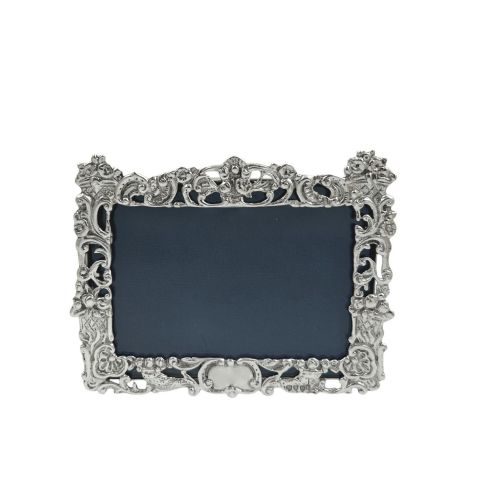
An ornate silver picture frame brings heavy embossed metal and decorative motifs straight onto a desk or wall.
Ornate Silver Picture Frame
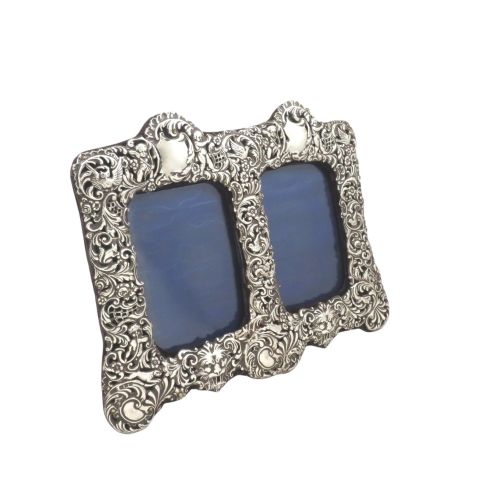
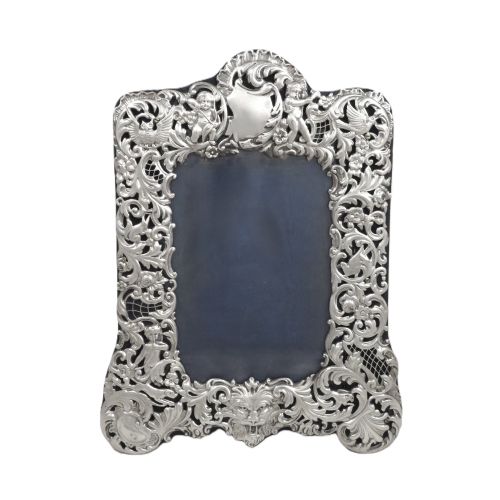
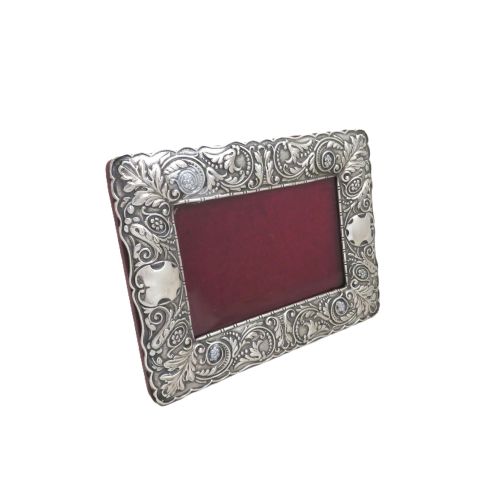
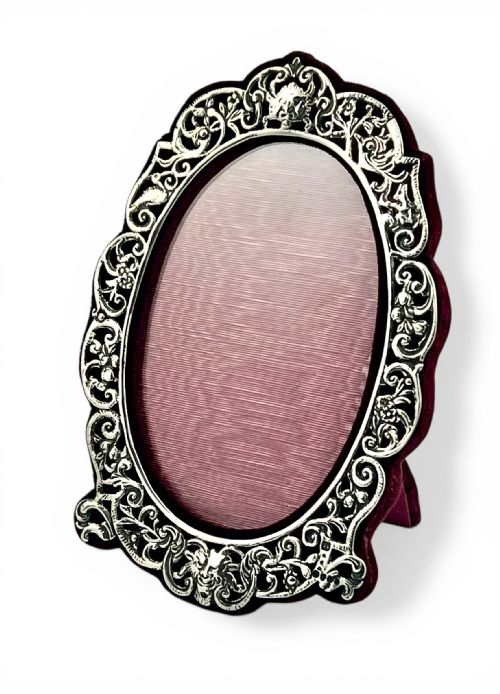
When you search for an ornate silver picture frame, you encounter metalwork intended to display cherished portraits in domestic spaces. These items typically take the form of standing photo frames designed to sit upon mantelpieces, desks or tabletops.
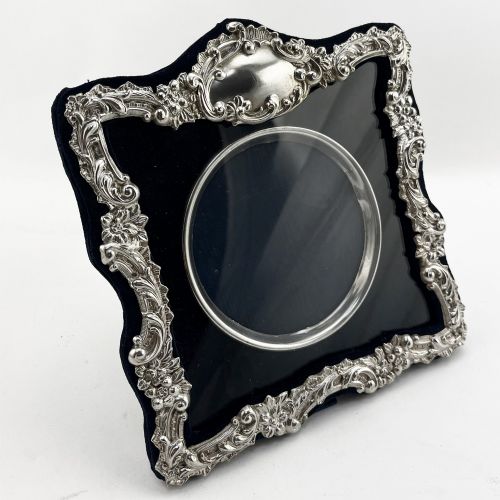
The versions most commonly met on this page span the Victorian and Edwardian eras, running from the late nineteenth century into the early twentieth century. Many pieces incorporate easel backs covered in velvet to support the rigid structure upright.
How they were made
Makers utilised sterling silver and silver plating as the primary metal components, shaping them through techniques like embossing and casting to produce high relief decoration. Wooden structures and gesso often formed the internal support systems or backing frames.
Moulded gesso and silver leaf appear alongside glass panels that protect the photographic surface. Velvet linings provide a tactile backing material to complete the assembly.
Ornate Silver Picture Frame Retail Price Guide 2026
Typical asking prices for ornate silver picture frame among the pieces listed under this phrase on Sellingantiques today, from the lower quarter to the upper quarter. They describe what is for sale here now, not the wider market.
Design styles represented here span Victorian, Edwardian, Art Nouveau and Rococo Revival.
What varies in quality
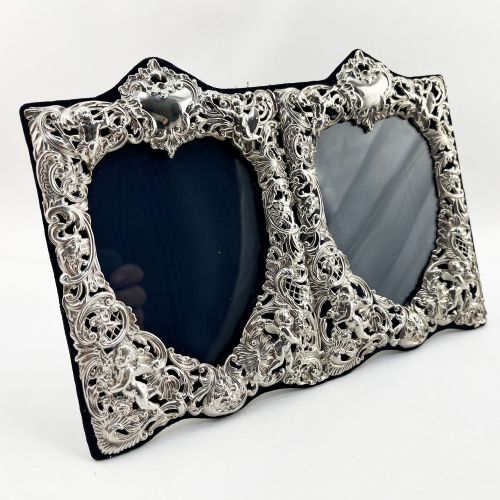
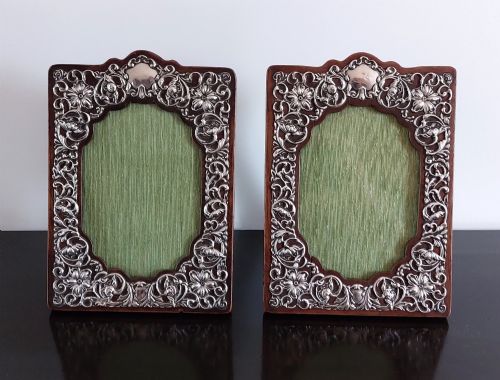
The distinction between tiers of quality rests upon the crispness of the embossed detail and the depth of the metal relief. Pieces displaying sharp depictions of birds, owls, cherubs or botanical motifs demonstrate superior craftsmanship compared to softer, shallower stampings.
The integrity of the structural backing materials, such as sound wooden frames and intact velvet, contributes heavily to the overall standard. Preserved hallmarks on sterling silver components add a layer of documentary quality that distinguishes finer examples.
Henry Matthews·Walker & Hall·Hardy Brothers
The Ornate Silver Picture Frame Glossary
- Sterling silver
- An alloy consisting of pure silver and other metals, usually copper, to increase durability. This standard material dominates the construction of these frames.
- Gesso
- A plaster-like mixture applied to a base surface to prepare it for decoration or gilding. This substance appears beneath silver leaf in certain moulded examples.
- Hallmark
- An official stamp applied to precious metals indicating the standard of purity and the place of assay. These marks assist in dating the metalwork accurately.
- Easel back
- A hinged support attached to the rear of a frame to allow upright display on a flat surface. These stands are frequently covered in velvet.
Ornate Silver Picture Frame: Frequently Asked Questions
How do I clean an ornate silver picture frame?
Use a soft cloth to remove dust from the embossed metal surfaces without applying excessive pressure to raised details. Avoid abrasive pastes that might strip thin layers of silver or damage surrounding velvet.
Keep silver cleaning liquids away from glass panels and fabric backings to prevent staining. Gentle care preserves the original finish of the metal.
Can these frames be hung on a wall?
Most examples function primarily as standing items supported by built-in easel backs rather than wall fixtures. Modifying the rear structure requires careful handling to maintain stability.
Displaying them on flat surfaces keeps the velvet backing and support mechanism secure. Placing them out of direct sunlight protects both the metal and the interior fabric.
What periods do these pieces come from?
The selection spans the late nineteenth and early twentieth centuries, featuring Victorian and Edwardian designs. Pieces from the eighteen-eighties through to nineteen-seven form the core of the available items.
Later mid-century examples also appear alongside the older items. Each era brings distinct stylistic touches to the metalwork.
What motifs appear on the metalwork?
Common decorative elements include cherubs, birds, owls and dogs integrated into relief patterns. Floral motifs and rococo revival curves also shape the borders of the pieces.
These designs reflect the aesthetic preferences of the Victorian and Edwardian periods. The heavy embossing creates deep shadows that highlight the figures.