




Ornate Metal Spark Guard
An ornate metal spark guard stands before a hearth to catch stray embers, combining functional safety with decorative French and Victorian flair.
Ornate Metal Spark Guard
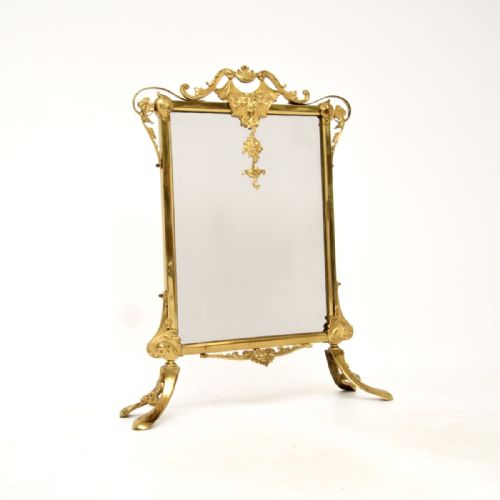
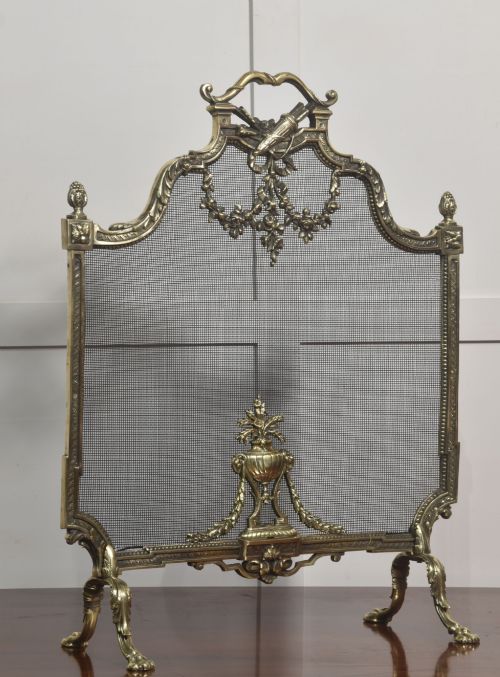
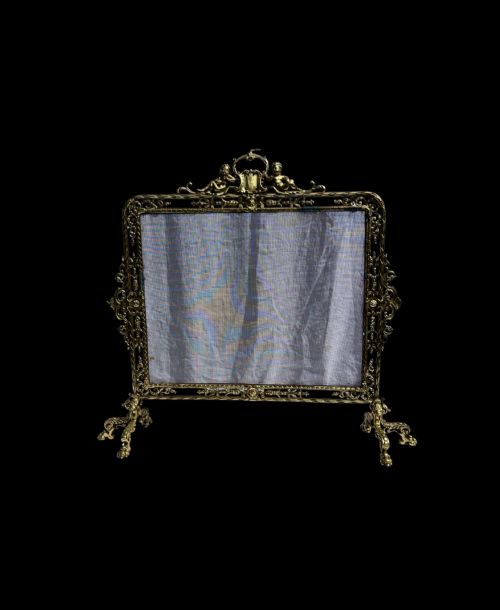
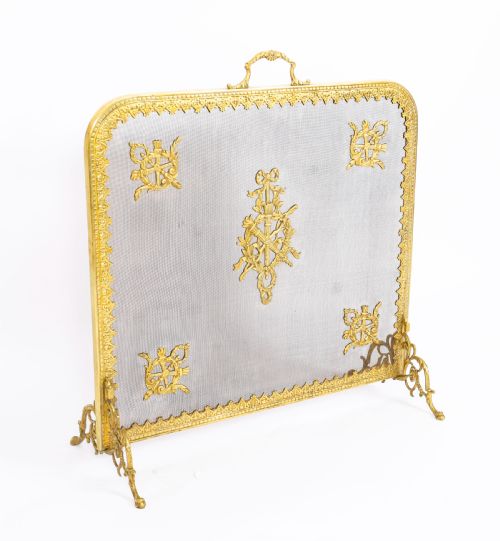
An ornate metal spark guard takes the form of a freestanding fire screen or fire guard, designed to sit in front of an active fireplace. These pieces serve the practical purpose of containing flying sparks while acting as a striking decorative focal point in a room.
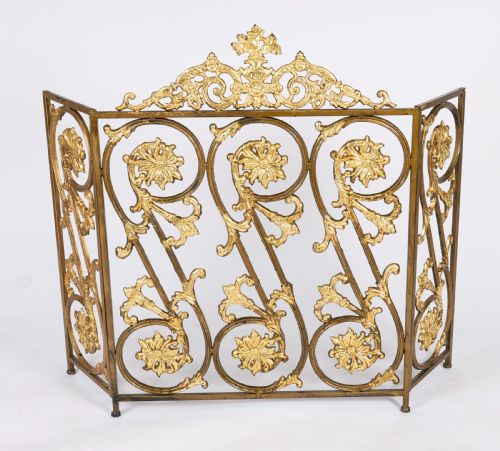
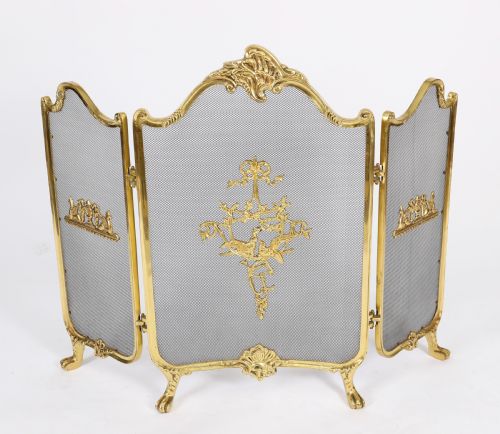
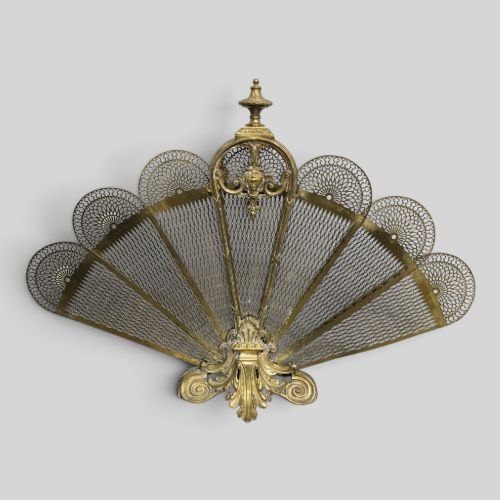
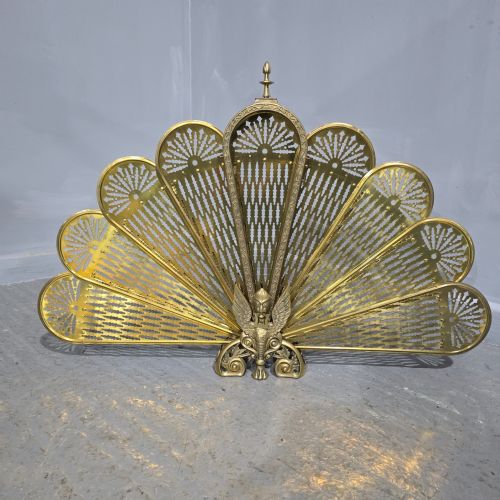
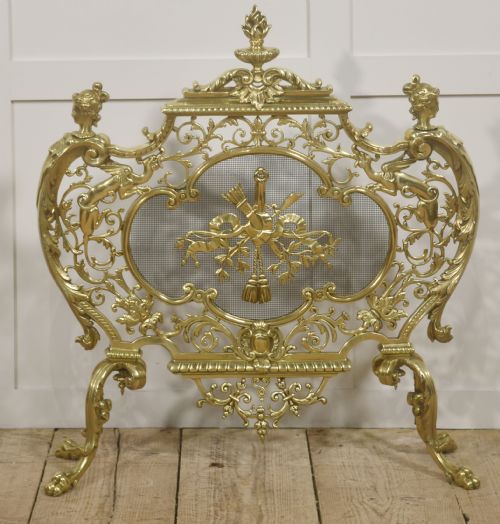
The selections available here lean heavily into nineteenth-century European aesthetics, particularly French revival styles and Victorian designs. Buyers will encounter fire screens fashioned with folding panels, central mesh panels, and peacock feather formations that spread across the hearth.
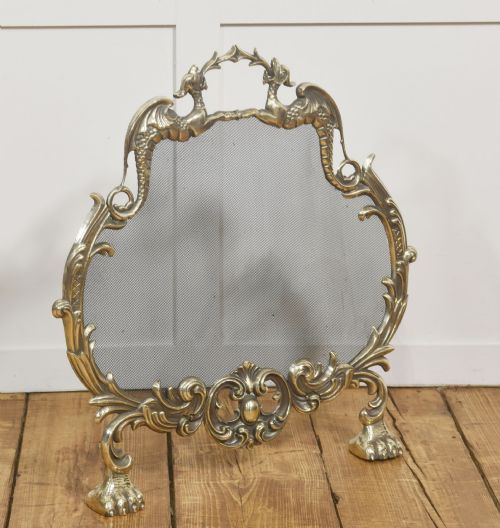
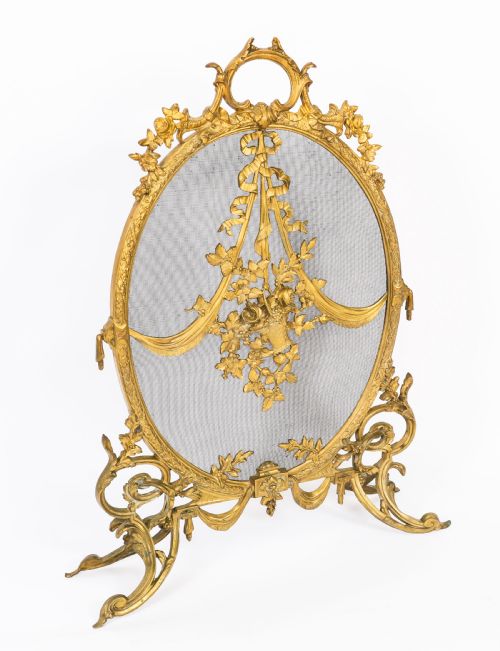
Most examples originate from the nineteenth century, spanning periods from the eighteen-sixties through to nineteen-twenty. Brass, gilt bronze, and wrought iron dominate the forms, often carrying heavy ornamentation inspired by Rococo, Louis XIV, and Louis XVI tastes.
Materials and construction
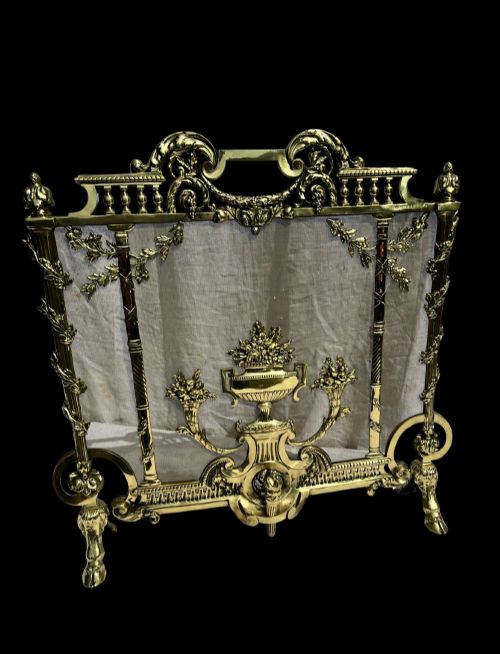
Makers utilised cast brass, gilt bronze, and wrought iron to build the rigid structural frames of these fire screens. These metals allowed artisans to cast intricate scrollwork, classical trophies, and figural motifs with substantial weight and durability.
Fine wire mesh and steel mesh were integrated into the frames to catch embers while maintaining visibility of the fire. The integration of mesh required precise soldering or tension fitting within ornate cast borders, balancing transparency with structural integrity.
Ornate Metal Spark Guard Retail Price Guide 2026
Typical asking prices for ornate metal spark guard among the pieces listed under this phrase on Sellingantiques today, from the lower quarter to the upper quarter. They describe what is for sale here now, not the wider market.
Listings feature nineteenth-century brass, gilt bronze, and wrought iron fire screens spanning Victorian and French revival styles.
Assessing craftsmanship and finish
The distinction between ordinary and exceptional pieces lies in the crispness of the metal casting and the depth of the chased detail. Finer guards display sharply rendered acanthus leaves, flaming torches, and dolphin motifs rather than softened or blurred casts.
The quality of the original gilding and the weight of the metal set the upper tier apart from standard production. Substantial gauge brass and well-preserved fire gilding or ormolu on bronze elevate the decorative presence significantly.
The Ornate Metal Spark Guard Glossary
- Fire screen
- A movable barrier placed before a fireplace to protect the room from excessive heat or stray sparks. These objects evolved from functional shields into elaborate decorative centrepieces during the nineteenth century.
- Gilt bronze
- Bronze that has been coated with a thin layer of gold or gold amalgam, often referred to as ormolu in French pieces. This finish provides a rich, warm lustre that resists tarnishing.
- Rococo revival
- A nineteenth-century design movement that imitated the asymmetrical scrolls, shell motifs, and natural curves of the eighteenth-century French Rococo style. It is the dominant aesthetic seen across these brass and bronze guards.
- Wire mesh
- A grid of interwoven metal wires used in the central panel of a fire guard to halt sparks. The fineness and material of the mesh contribute to the overall transparency and period correctness of the screen.
Ornate Metal Spark Guard: Frequently Asked Questions
How do I place an ornate metal spark guard?
Position the freestanding screen a safe distance in front of the fireplace opening to intercept any leaping embers. Ensure the feet or base rest securely on a flat hearth.
Allow enough clearance so that the heat from the fire does not compromise the metal finish or warp the mesh over extended periods of use.
Can I use these spark guards with a real fire?
Most of these historic screens feature robust metal mesh designed precisely to catch sparks from a burning hearth. They serve as functional protective barriers as well as decorative items.
Check that the mesh and frame are securely fastened before exposing them to intense open flames, particularly on older or fully restored examples.
How do I clean a brass or bronze fire guard?
Dust the metal gently with a soft, dry cloth to remove surface soot and everyday debris. Avoid harsh chemical cleaners that strip patinas or damage delicate gilt surfaces.
If the piece requires deeper attention, use a mild, non-abrasive metal cleaner specifically formulated for brass or bronze, taking care near any mesh panels.