




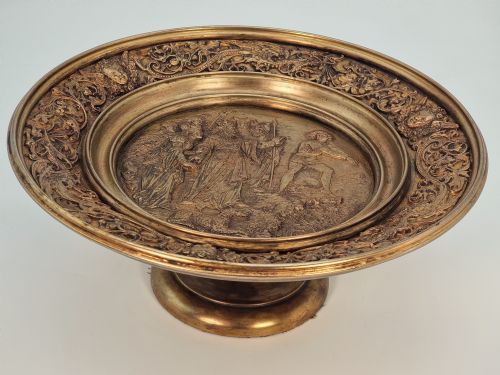


Ornate Metal Pedestals
These ornate metal pedestals bring distinct architectural presence to a room, offering elevated support for display.
Ornate Metal Pedestals
Ornate metal pedestals encompass elevated supports, jardinieres, and stands fashioned from materials such as brass, cast iron, and bronze. Buyers searching for ornate metal pedestals typically encounter pieces designed for display, including tazzas, plant stands, and decorative urns.
The selection spans the nineteenth century and the Victorian era, alongside later twentieth-century examples. Forms range from garden jardinieres to adjustable stands and table centrepieces.
Stylistic influences include French Chateau, Rococo Revival, French Empire, Aesthetic Movement, and Art Deco. These pieces function as structural focal points within interior and exterior spaces.
How ornate metal pedestals were made
Makers utilised casting and forging techniques to shape metals including iron, brass, and bronze. Components often combine cast elements with hand-chiseled detailing and applied surface finishes.
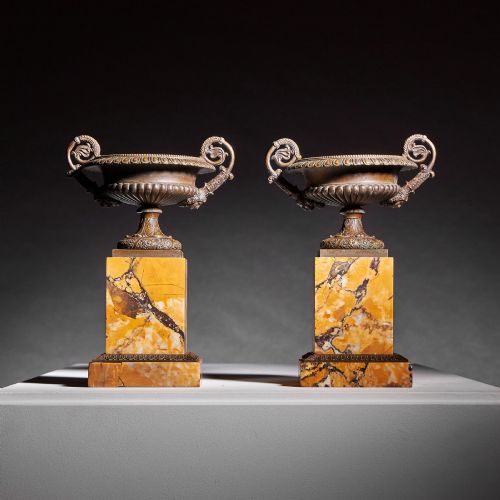
Many examples incorporate contrasting materials, pairing metal frameworks with marble, onyx, paint, or inset enamel plaques. Gilt bronze and ormolu applications provide decorative surface enrichment.
Ornate Metal Pedestals Retail Price Guide 2026
Typical asking prices for ornate metal pedestals among the pieces listed under this phrase on Sellingantiques today, from the lower quarter to the upper quarter. They describe what is for sale here now, not the wider market.
An altar cross quietly joins the metal stands, proving that pedestals occasionally found themselves repurposed for sanctuary duty.
What varies in quality
Quality separates standard production items from exceptional works through the crispness of metal chasing and the finesse of casting. Superior pieces demonstrate meticulous attention to detail in decorative motifs and structural joins.
The selection of secondary materials, such as genuine marble bases or fine Limoges enamel plaques, influences the overall distinction of the object. Heavier gauges of metal and harmonious proportions distinguish finer examples.
The Ornate Metal Pedestals Glossary
- Tazza
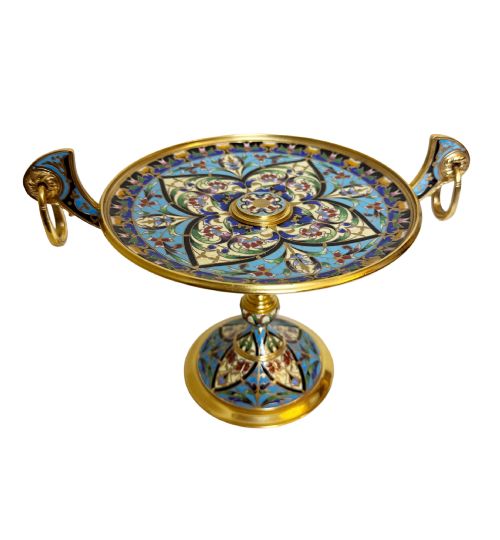
- A shallow cup or bowl mounted on a stem and foot, frequently utilised for display or as a centrepiece. These items often feature elaborate cast metal ornamentation.
- Jardiniere
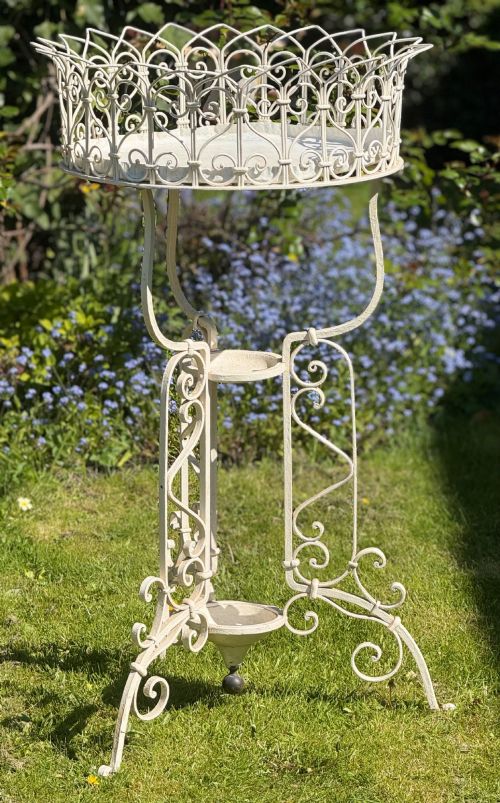
- An ornamental stand or receptacle designed to hold plants or flowers. They appear in cast iron and wrought iron configurations.
- Ormolu
- Finely ground high-carat gold applied to a bronze base, creating a rich golden surface finish. This technique characterises many French decorative pieces.
- Champleve
- An enamelling technique where troughs are sunk into a metal surface and filled with vitreous enamel before firing. It appears on nineteenth-century decorative metalwork.
- Kantharos
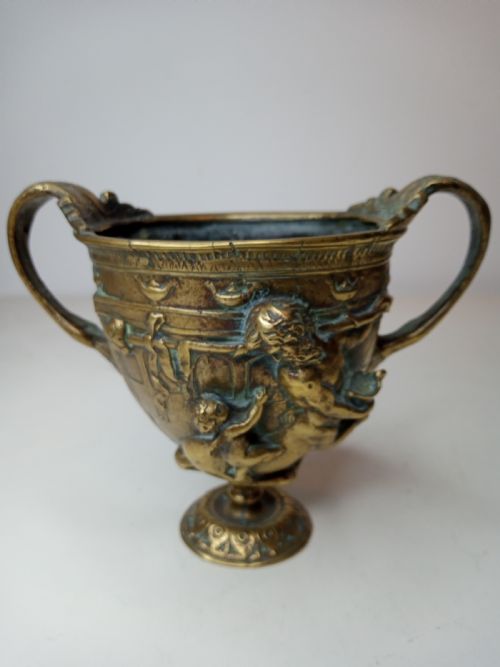
- An ancient vessel form with two high-swung handles, occasionally referenced in nineteenth-century metal reproductions. These classical shapes influenced revival styles.
Ornate Metal Pedestals: Frequently Asked Questions
Where should I place an ornate metal pedestal?
These pieces suit entrance halls, living rooms, and garden spaces where elevated display creates visual impact. They support plants, urns, or sculptural objects.
Consider the weight and material of the piece when selecting a location, ensuring stable placement on flat flooring.
How do I identify a nineteenth-century piece?
Examine the casting quality, patination, and joining methods visible on the underside or interior. Nineteenth-century examples often display hand-finished detailing characteristic of period manufacturing.
Stylistic markers such as Rococo Revival or Aesthetic Movement motifs further help indicate the era of production.
Can these metal stands be used outdoors?
Cast iron and wrought iron jardinieres and stands are generally suited for garden or conservatory settings. Weathering patterns develop naturally on iron over time.
Brass, bronze, and gilt pieces require indoor placement to protect delicate surface finishes and enamel work from moisture.