


Ornate Metal Lighting
Ornate metal lighting brings heavy cast brass, gilt bronze, and crystal together to illuminate rooms through elaborate chandeliers, candelabra, and wall lights.
Ornate Metal Lighting
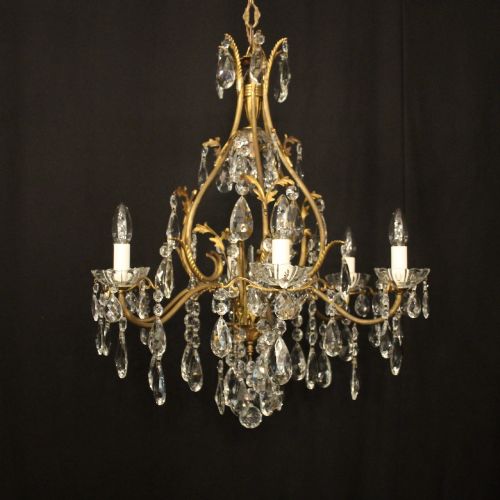
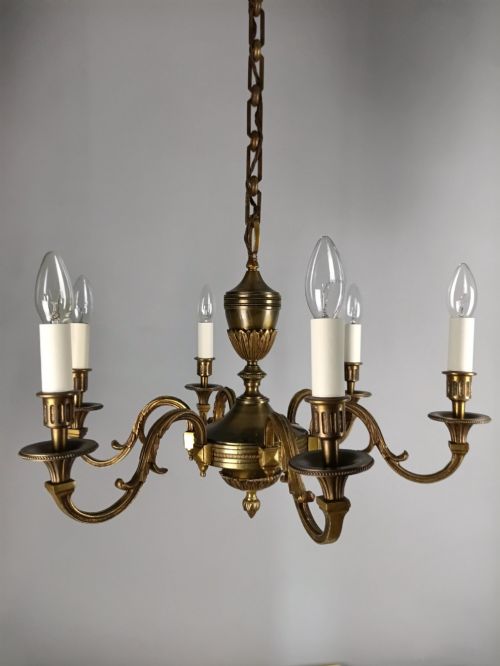
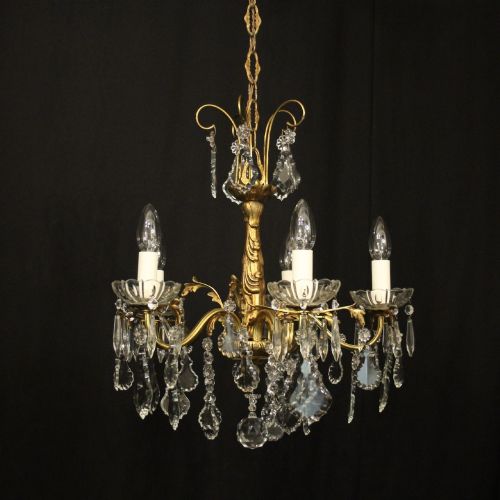
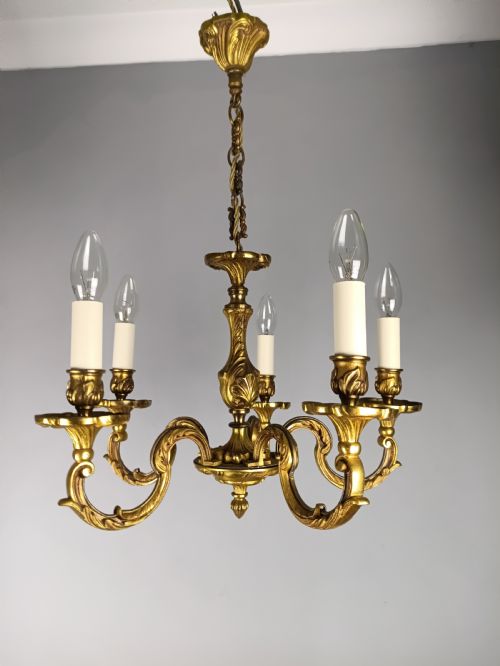
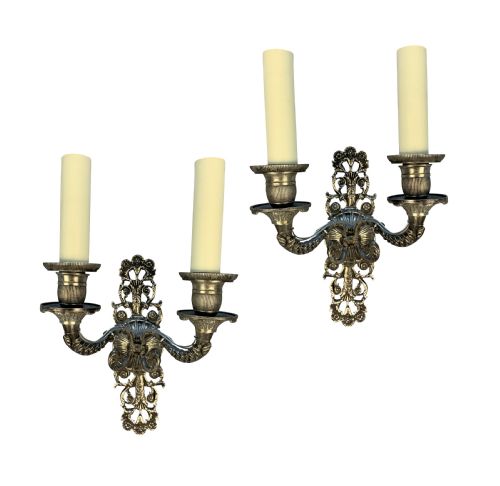
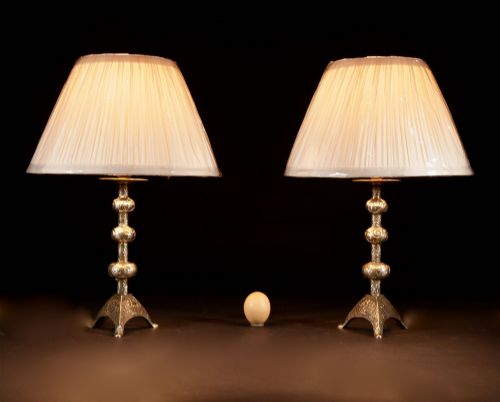
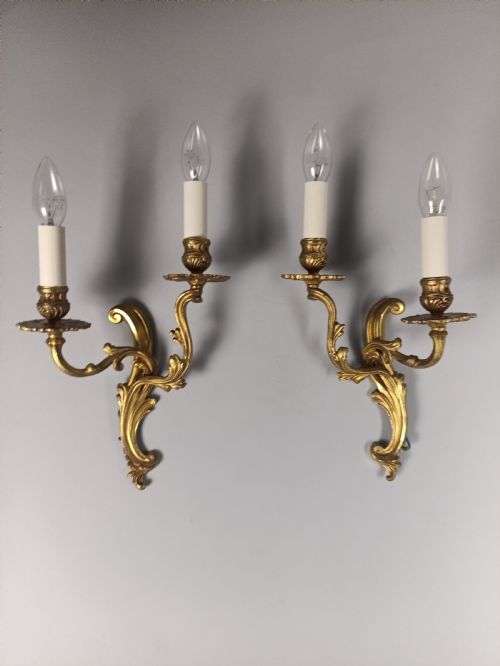
Ornate metal lighting encompasses a wide range of fixtures designed to illuminate interiors through decorative metalwork, spanning table lamps, floor lamps, wall sconces, candlesticks, and multi-armed chandeliers. These pieces draw on French Rococo, Regency, Victorian, and Empire styles, reflecting historical design revivals across the nineteenth and early twentieth centuries.
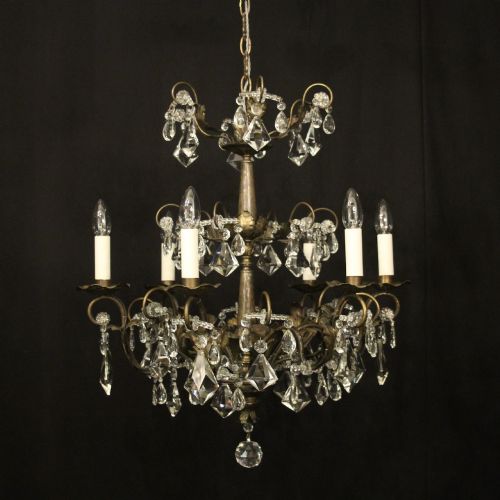
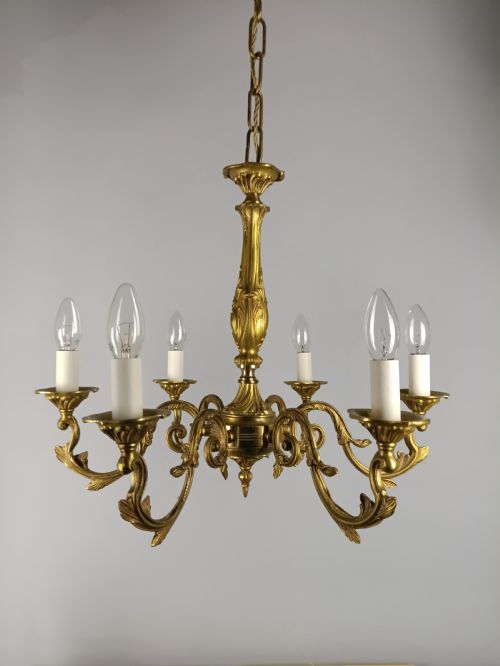
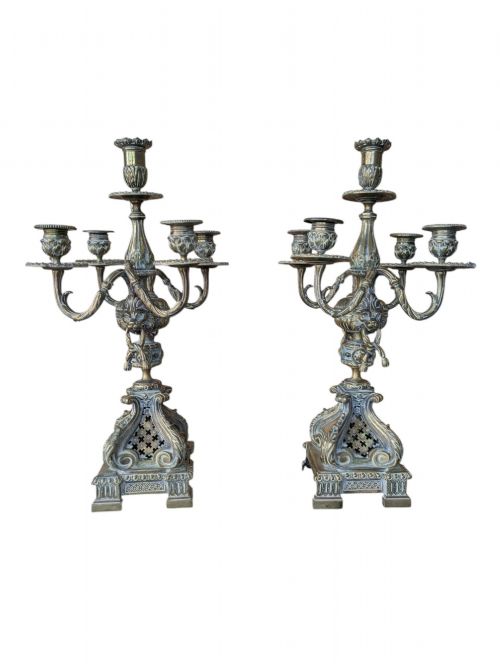
The selections available here rely heavily on cast metals paired with glass, marble, porcelain, and fabric shades. Common forms include five and six-light chandeliers, matched pairs of candelabra, and heavy standard lamps originating from French, Italian, and British workshops.
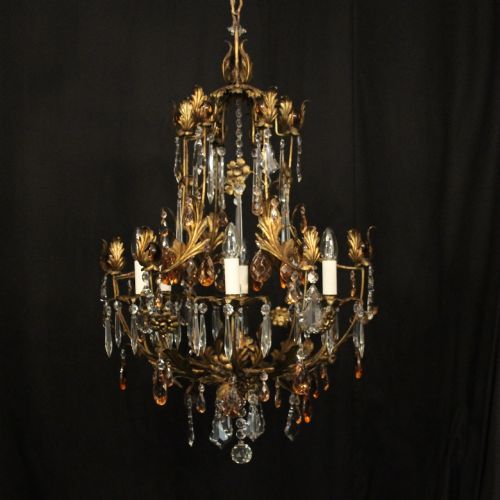
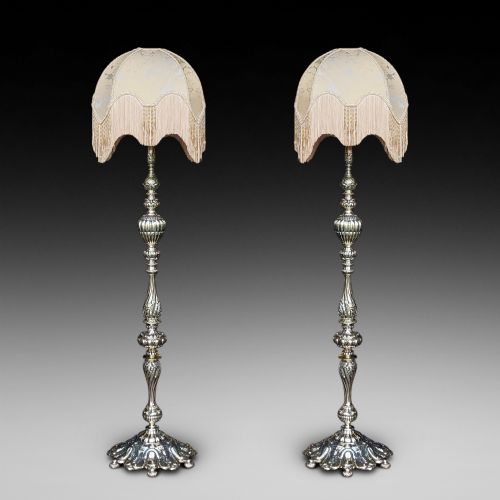
Buyers will encounter frequent examples from the late nineteenth century and the 1920s, showing elaborate scroll arms, crystal drops, and classical motifs. These items combine structural metal frames with decorative surface treatments, serving both practical illumination and decorative display.
How they were made
Manufacturers utilised brass, bronze, gilt metal, and ormolu, casting components in sand moulds or using lost-wax methods to achieve intricate relief details. Many fixtures combine cast metal frames with hand-chased surface enrichment, mounted alabaster, onyx, or marble bases, and cut crystal pendants.
Workshops applied surface finishes such as fire gilding, silver plating, or patination to base metals like brass and bronze. Electrical conversions and rewiring appear on gasoliers and oil lamps, while older pieces retain sockets designed for candles.
Ornate Metal Lighting Retail Price Guide 2026
Typical asking prices for ornate metal lighting among the pieces listed under this phrase on Sellingantiques today, from the lower quarter to the upper quarter. They describe what is for sale here now, not the wider market.
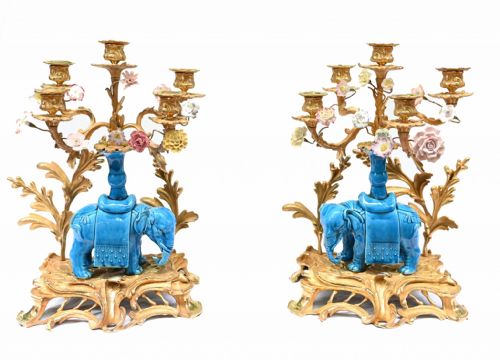
Elephants occasionally support the candles, proving that historical lighting designers enjoyed a touch of exotic wildlife in the parlour.
What varies in quality
Quality rests in the crispness of the metal casting and the depth of the chased detail on arms, drip pans, and backplates. Heavy, thick-walled brass and solid bronze components hold finer detail and offer greater structural stability than thin pressed sheet metal.
The integration of secondary materials defines the upper tier of pieces, seen in genuine cut crystal drops, matched Italian alabaster mounts, and fire-gilt surfaces rather than modern lacquers or paint.
The Ornate Metal Lighting Glossary
- Ormolu
- Gilded bronze, where a layer of gold amalgam is applied to a bronze base and heated to drive off the mercury. This technique produces a durable, rich metallic sheen seen on French furniture and lighting mounts.
- Candelabra
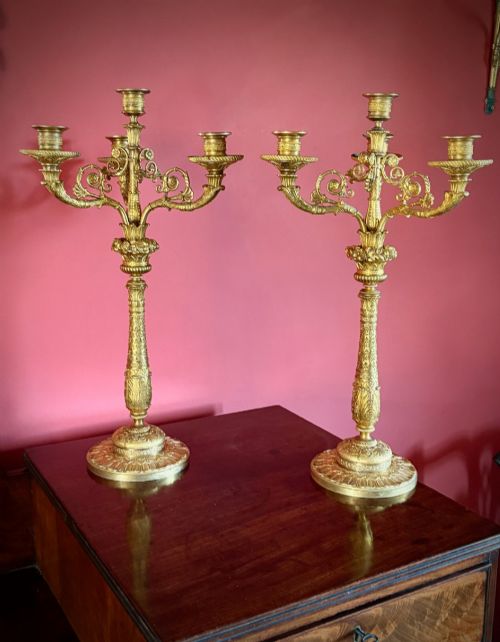
- A branched candlestick designed to hold multiple candles simultaneously. These fixtures often feature central stems with removable or fixed arms.
- Gasolier
- A ceiling-hung light fixture designed originally for gas lighting before later conversion to electricity. They typically feature heavy branch arrangements and hollow stems for gas supply pipes.
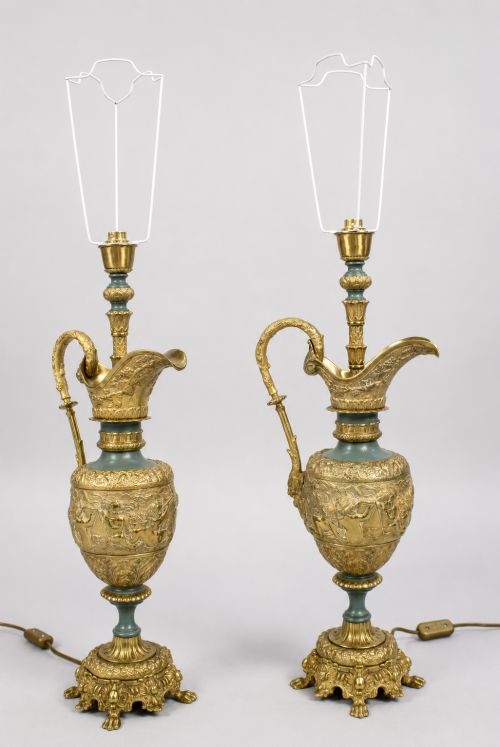
- Ewer
- A large jug with a wide spout and elaborate handle, frequently adapted into decorative lamp bases during the nineteenth century. These forms draw on classical pottery and metalwork shapes.
- Chased
- Metalwork decorated by hammering or punching lines and textures into the surface from the front. This technique sharpens the details of cast foliage, figures, and scrollwork.
Ornate Metal Lighting: Frequently Asked Questions
How do I wire old metal lighting?
Rewiring older fixtures requires threading modern flex through existing internal channels without damaging historical brass or bronze components. Professional electricians should handle these conversions to ensure safety and preserve original fittings.
Many pieces listed have undergone prior rewiring, but checking insulation standards remains essential before connecting them to mains power.
What periods do these lights come from?
The inventory spans the nineteenth century through the 1920s, incorporating Victorian, Regency, Edwardian, and Art Nouveau eras. Specific decades like 1880, 1900, and 1920 appear frequently across the titles.
Stylistic revivals mean pieces made in the early twentieth century often replicate earlier French Rococo or Empire designs.
How do I clean gilt bronze fixtures?
Dusting with a soft, dry brush prevents the accumulation of grime in the recessed chased details of gilt bronze and ormolu. Avoid chemical metal polishes, which strip thin gilt layers from the base metal.
Gentle wiping with a damp cloth is sufficient for general maintenance on stable, sealed surfaces.
Are these lamps converted from oil?
Some table lamps and standard lamps originated as oil or gas burning appliances before conversion to electricity during the twentieth century. These conversions sometimes retain original burners, fonts, or fuel reservoirs as decorative elements.
Examining the interior bore and base reveals whether a fixture started as a candleholder, oil lamp, or gasolier.