
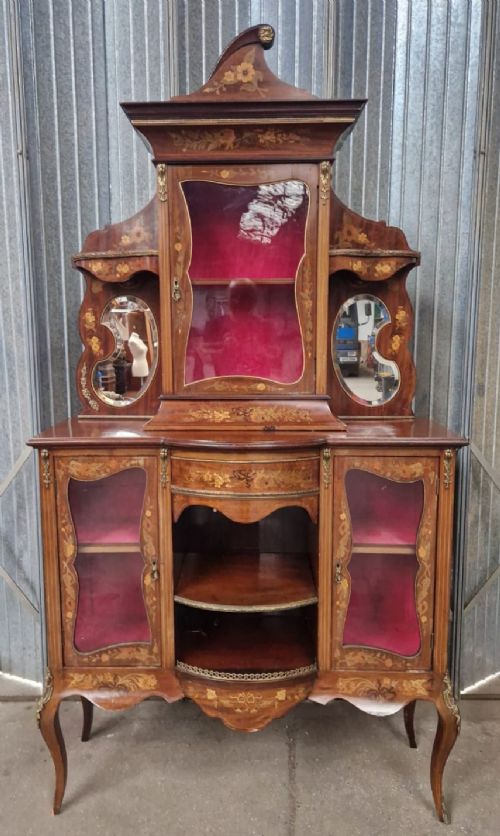
Ornate Glass Mirror
An ornate glass mirror brings depth and light to a room, offering grand frames and reflective plates shaped by centuries of European craftsmanship.
Ornate Glass Mirror
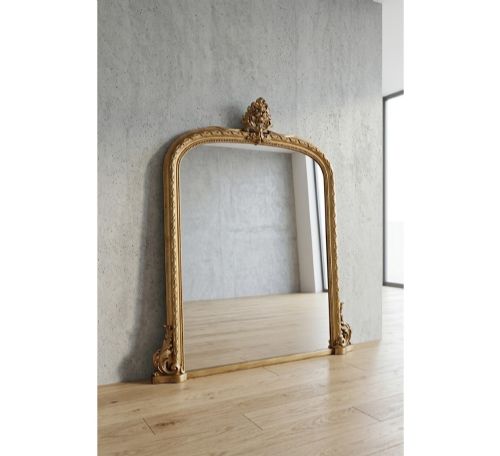
An ornate glass mirror is a decorative looking glass housed within an elaborate frame, designed primarily for hanging on interior walls or resting above mantelpieces. When searching for an ornate glass mirror, buyers encounter a diverse selection spanning the eighteenth, nineteenth, and early twentieth centuries. These pieces originate from various European traditions, with French and Italian workshops heavily represented among the surviving examples.
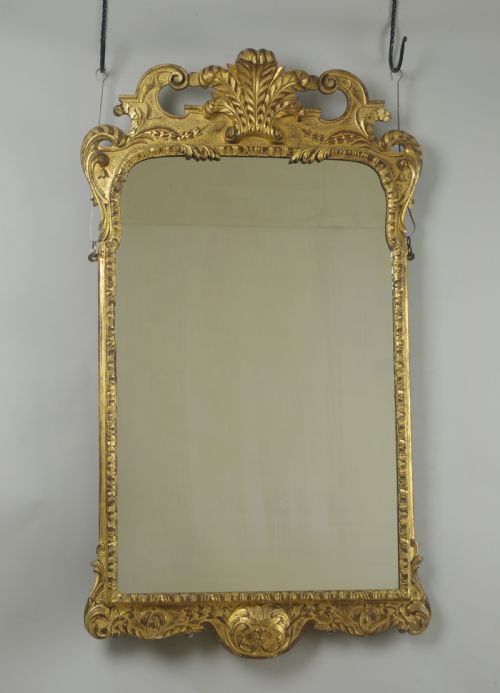
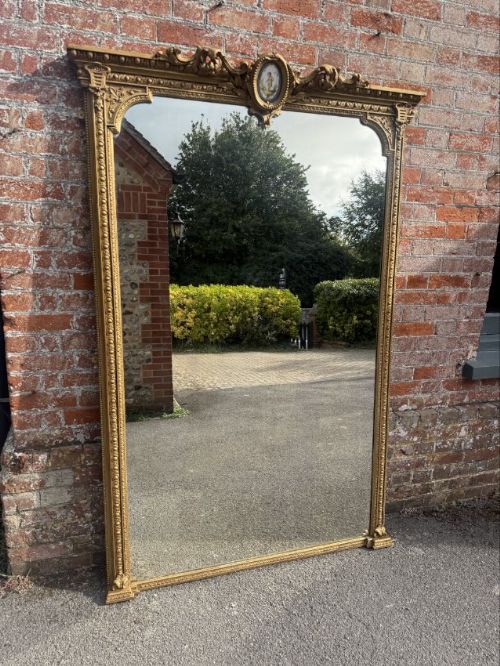
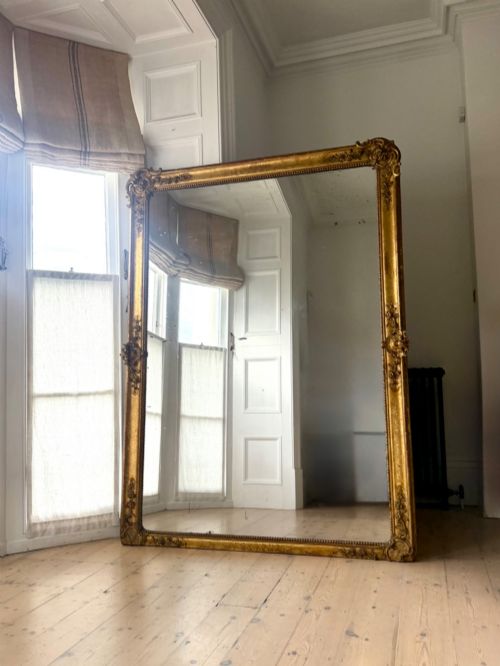
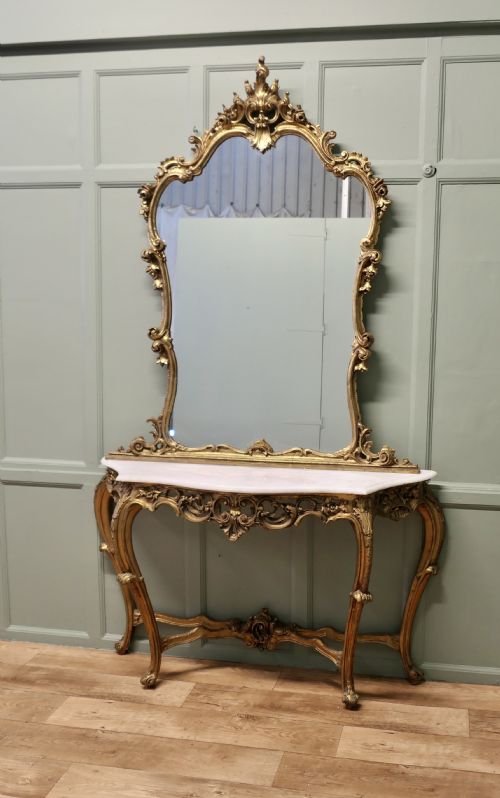
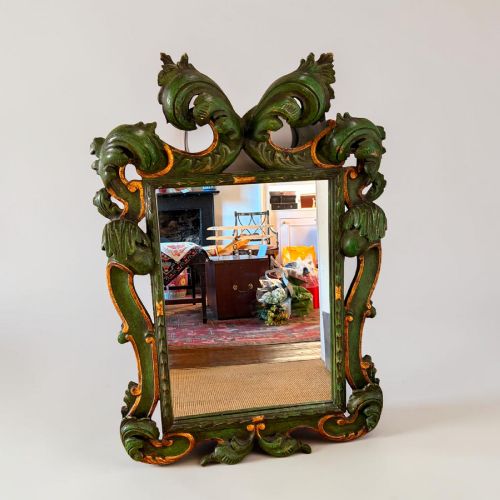
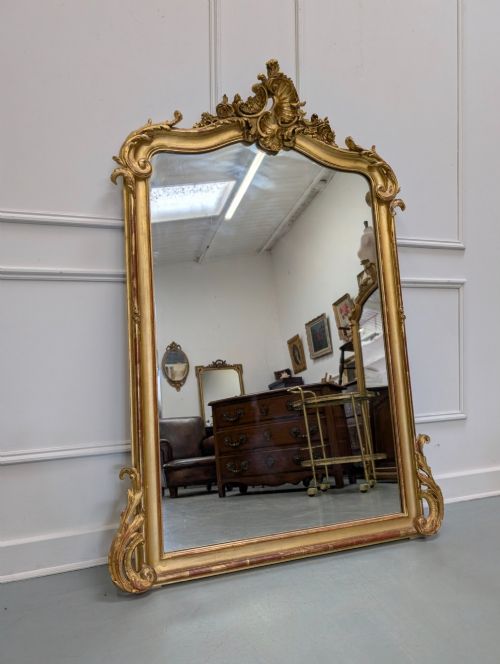
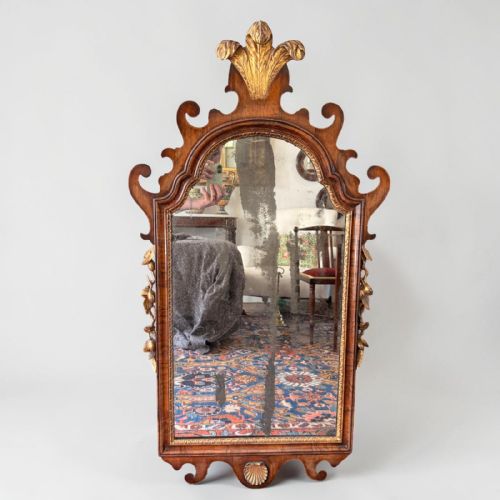
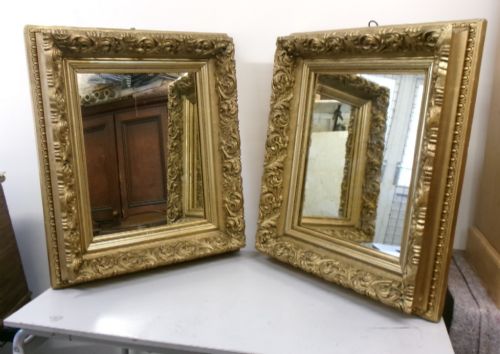
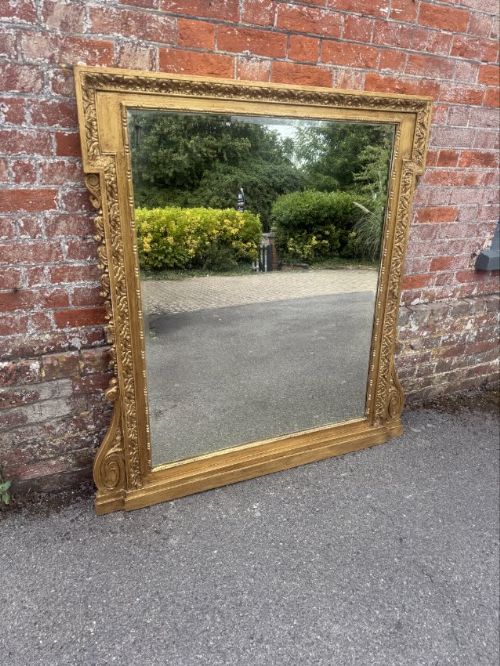
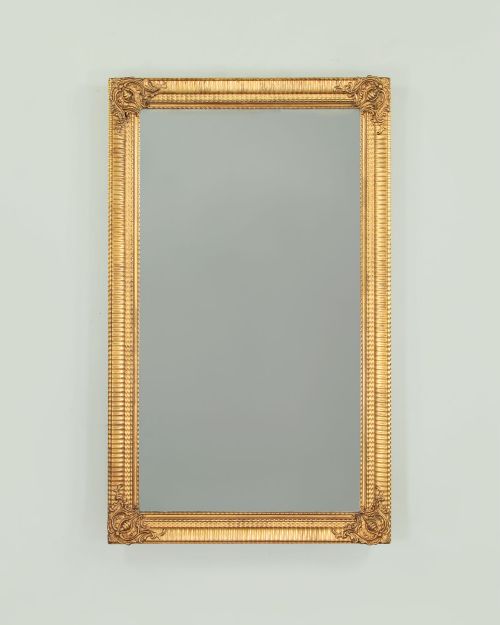
The most common form met on this page is the nineteenth-century wall mirror, often finished in bright gold leaf or gesso over carved wooden foundations. Alongside dedicated wall pieces, buyers find overmantel mirrors, console table sets, and pier glasses designed to interact with specific architectural spaces. Regional styles range from exuberant Rococo revival flourishes to restrained Georgian walnut frames and Venetian interpretations.
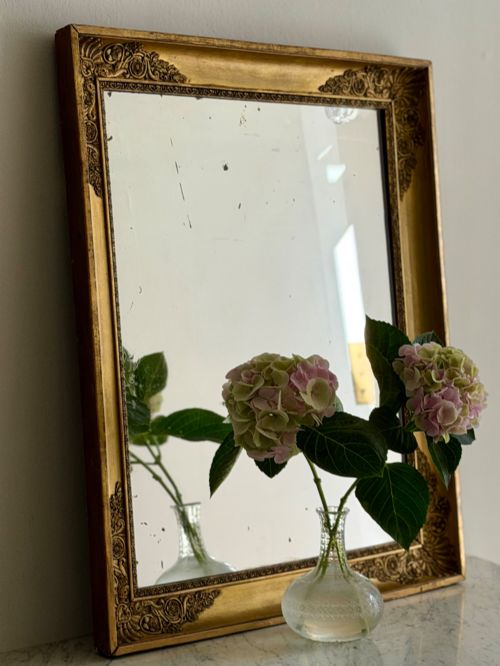
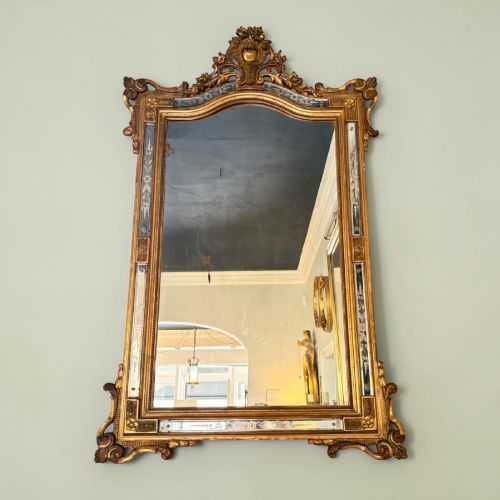
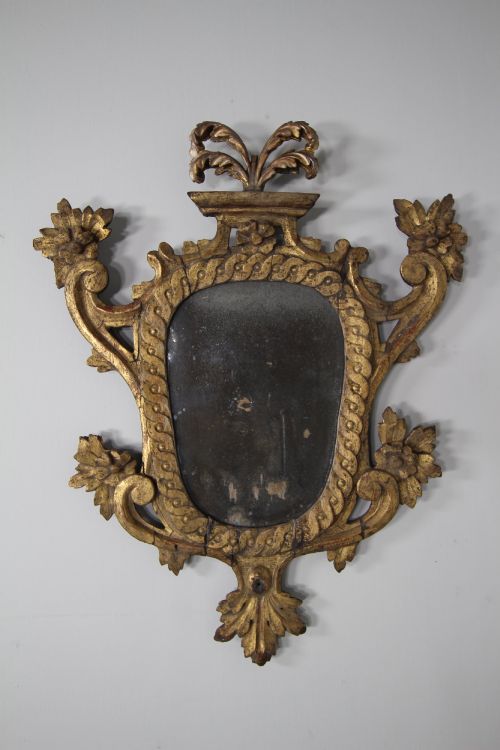
Many surviving examples incorporate historical plate glass, such as mercury glass or engraved surfaces that show the gentle ageing of time. Whether selecting a large French leaner mirror or a smaller oval wall hanging, each piece reflects the decorative priorities of its period. The structural forms vary from rectangular and oval shapes to cushion mirrors and intricate carved crests.
How They Were Made
Frames for these pieces were constructed using timber foundations such as oak, walnut, or carved wood, which were then built up with gesso layers to receive fine details. Giltwood and gold leaf application required skilled artisans to lay thin metal sheets over prepared surfaces, creating a lustrous metallic sheen. Composition ornament was frequently utilised on nineteenth-century frames to cast intricate repeating motifs efficiently before gilding.
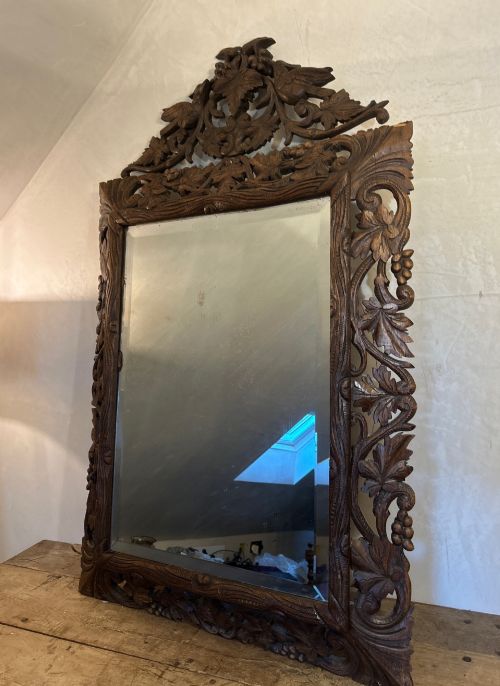
Mirror plates were produced through various historical methods, including early mercury silvering processes that left distinct patination and foxing across the glass. Artisans often applied hand-etching or bevel cutting to the edges of the mirror plate, adding decorative dimension to the reflective surface. Carved oak and walnut frames relied on traditional joinery and hand-chisel work to achieve deep relief and structural integrity.
The inventory records Italian, French, and English regional styles, encompassing Rococo Revival, Georgian, and Art Deco design vocabularies on mirrors and console sets.
What Varies in Quality
Quality in these mirrors rests primarily upon the depth and precision of the carved detail within the frame. Hand-carved wooden frames exhibit crisp undercuts and fluid movement, whereas lesser examples rely heavily on moulded composition over simplified wooden cores. The crispness of the gesso application and the preservation of the original gold leaf distinguish superior workshop output from utilitarian production.
The condition and authenticity of the mirror plate contribute significantly to the character and standing of the piece. Original mercury glass plates with natural foxing retain historical integrity, while later replacement glass changes the visual weight of the object. Furthermore, the structural joinery at the corners of the frame indicates the original maker's commitment to durability and balance.
The Ornate Glass Mirror Glossary
- Giltwood
- Wood that has been coated with gold leaf or gold paint. This technique creates a brilliant reflective finish that defines many traditional antique frames.
- Gesso
- A plaster mix applied to wooden frames as a smooth base for gilding. Artisans carve and mould this mixture to create intricate surface relief.
- Mercury glass
- An early type of mirror glass produced by pouring a mercury and tin amalgam behind the glass pane. It yields a distinctive warm reflection and characteristic ageing spots.
- Foxing
- Small dark spots or cloudy patches that develop within the reflective backing of antique mirror glass over time. This natural oxidation process is valued by collectors for its atmospheric appearance.
- Pier glass
- A tall, narrow mirror designed to hang on the wall space between windows. These mirrors were often paired with console tables or pier tables underneath.
Ornate Glass Mirror: Frequently Asked Questions
How do I hang a heavy antique mirror?
Heavy frames require secure wall fixings anchored directly into masonry or substantial wall studs to support the weight safely. Professional mirror hangers utilise heavy-duty brackets suited to the specific timber and gesso construction of the frame.
Ensuring the hanging wire or integrated D-rings are robust prevents strain on the original antique structure. It is advisable to distribute the load evenly across multiple suspension points.
What is mercury glass?
Mercury glass refers to mirrors manufactured using a liquid mercury and tin technique common before twentieth-century silvering methods. This process creates a softer, deeper reflection compared to modern crystal.
Over decades, chemical reactions within the plate produce characteristic foxing and dark speckles. These natural marks confirm the age and authenticity of the reflective surface.
How should I clean an antique mirror?
Dust the carved frame gently with a soft, dry brush to prevent accumulation in the intricate recesses of the gesso or wood. Avoid using harsh chemical sprays that might damage fragile gold leaf or seep behind the glass plate.
Clean the glass sparingly with a soft microfiber cloth and a mild, neutral solution. Keep moisture away from the edges of the plate to protect the historical backing.
What is Rococo revival style?
Rococo revival is a nineteenth-century design movement that reinterpreted the asymmetrical scrolls, C-curves, and naturalistic shell motifs of the eighteenth century. Makers utilised these flamboyant, organic shapes to create dramatic focal points in domestic interiors.
Mirrors from this movement feature deeply modeled frames with exuberant crests and flowing floral details. This style remains popular for its decorative impact and theatrical presence.