
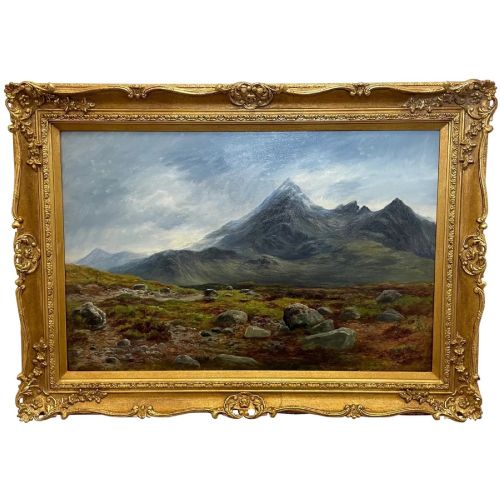

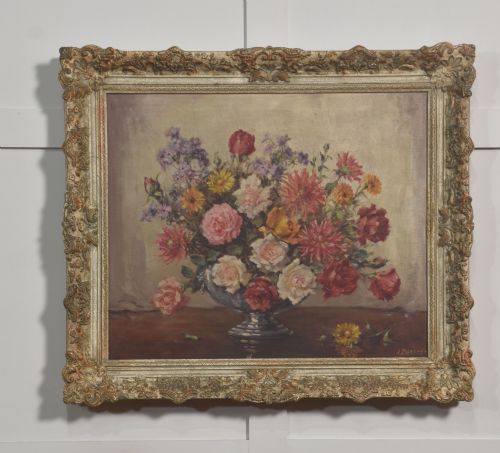
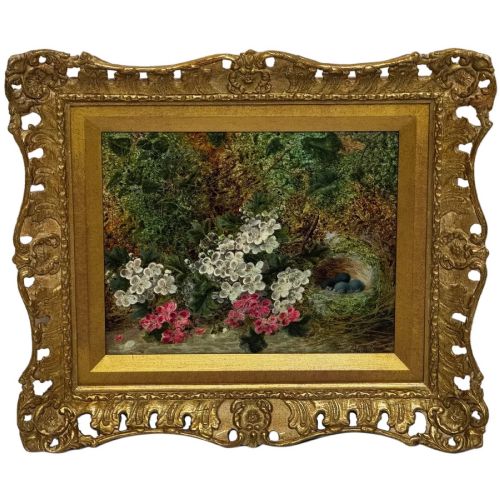
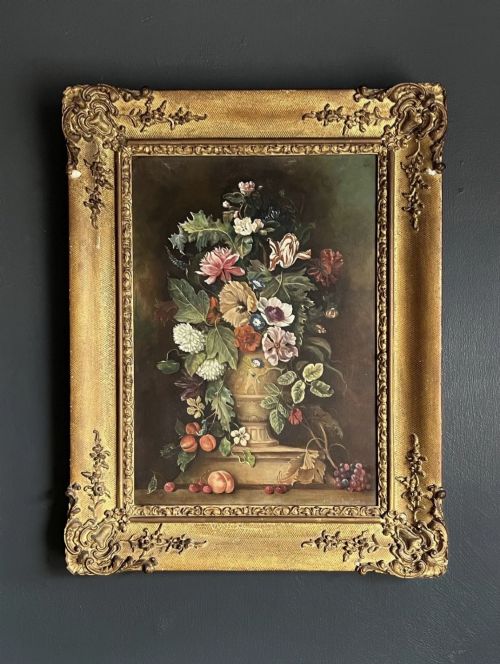


Ornate Gilt Frame Art
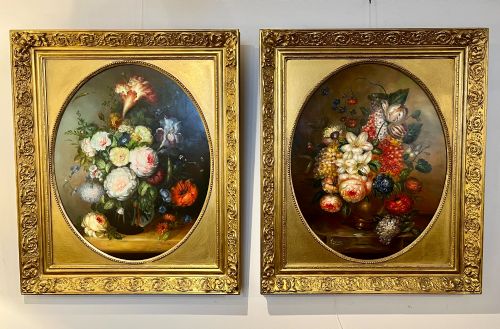
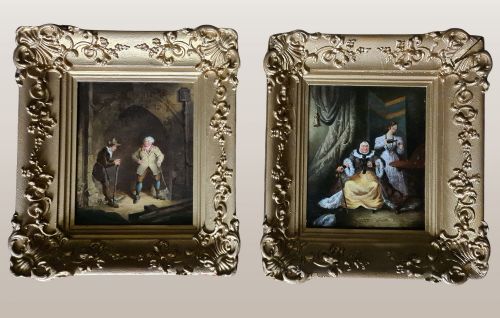
When you search for ornate gilt frame art, you are looking at richly decorated metallic mouldings housing canvases, panels, and mirrors.
Ornate Gilt Frame Art
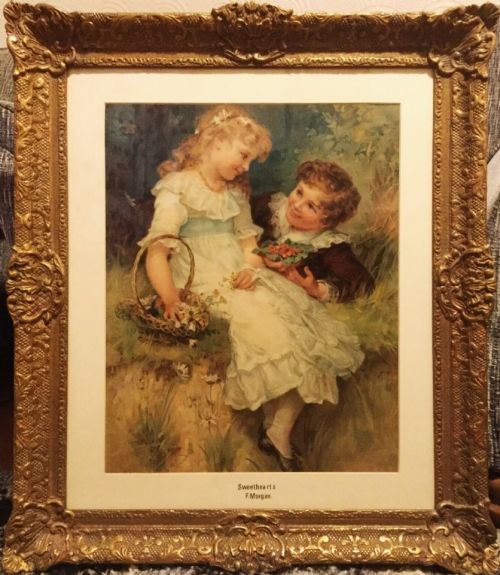
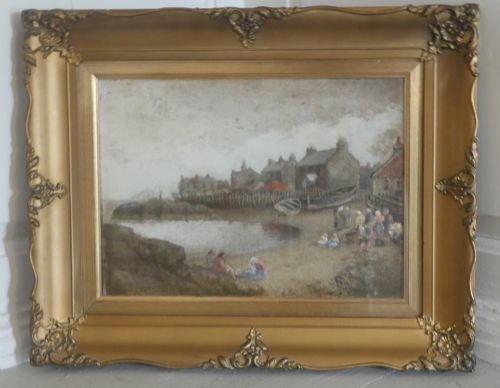
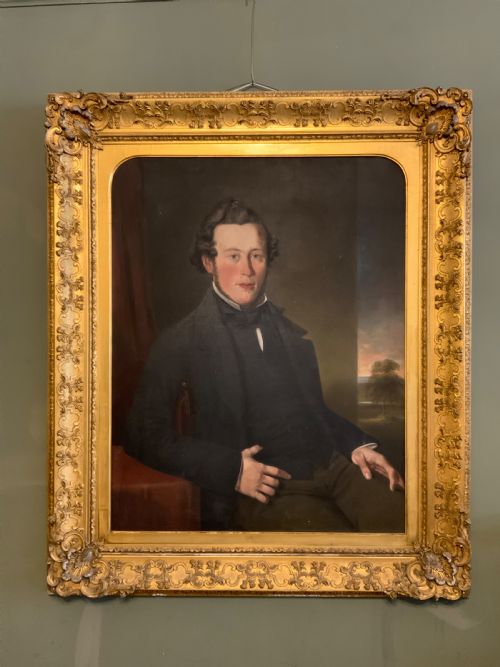
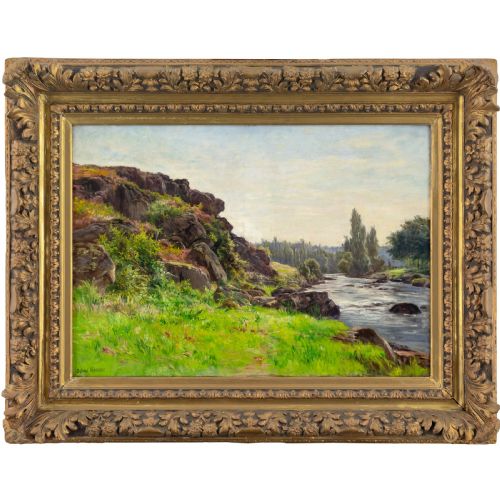
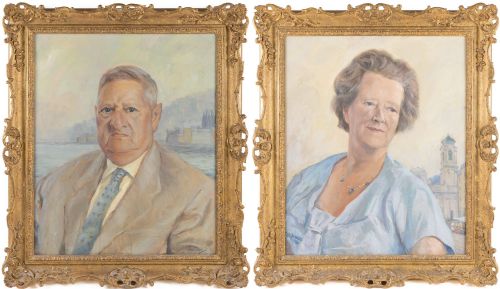
Ornate gilt frame art encompasses oil paintings, watercolours, portraits, landscapes, and decorative wall mirrors encased in highly ornamented metallic surrounds. The selection spans centuries of craftsmanship, connecting early portraiture and classical still-life subjects with later impressionist views and decorative picture frames.
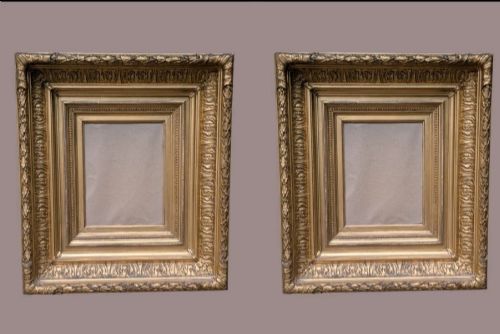
You will most frequently encounter nineteenth-century works and later period interpretations housed in heavy gesso or wood mouldings finished in gold leaf or gilt paint. These pieces range from substantial Scottish landscapes and pastoral scenes to intimate botanical studies and empty decorative frames ready for period artwork.
The objects serve as focal points in interior schemes, combining pictorial content with sculptural framing that reflects historical design movements from Baroque styles through to Victorian and Edwardian aesthetics.
How they were made
Mouldings were typically carved from wood or cast in gesso over a wooden core, building up intricate relief patterns of scrolls, leaves, and classical motifs before gilding. Artisans applied thin sheets of gold leaf or metallic paint over a prepared bole layer to achieve the characteristic reflective surface.
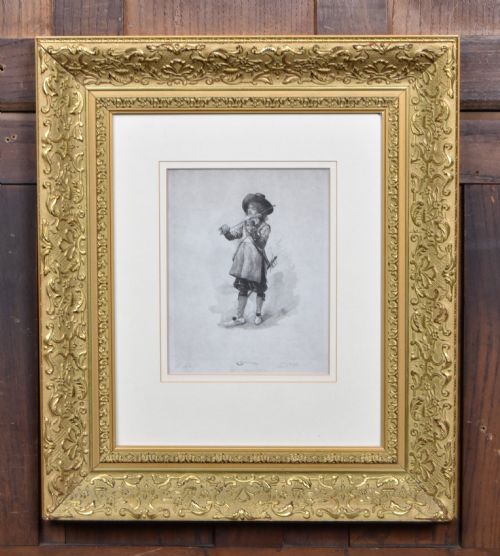
Artworks within these surrounds were executed primarily in oil paint on canvas, panel, or board, employing traditional layering techniques for depth and luminosity. Prints, oleographs, and watercolours also appear, secured behind or within the structural wooden housings.
The listings span multiple centuries, ranging from seventeenth-century portraits to mid-twentieth-century Impressionist cityscapes and Italian views.
What varies in quality
The depth and crispness of the framing ornamentation distinguish standard decorative pieces from exceptional examples, as hand-carved wooden mouldings and finely modelled gesso display sharper relief than mass-produced casts. The preservation of the original gold leaf surface, rather than later repainting, determines the historical integrity of the housing.
Within the artwork itself, the skill of the brushwork, anatomical proportion, and compositional balance separate competent studio output from master paintings. Signed works by documented nineteenth-century and twentieth-century painters carry distinct attribution merit alongside anonymous portraits.
William Beattie-Brown·William Howard Hardy·Oliver Clare·Edward Mills·Gabriel Mathieu·Gian Paolo Pace·Martin Theodore Ward·Howard Helmick·John Horace Hooper·James Hamilton·John Hodgson Lobley·Pieter Borseler·Edgar Hunt·Charles Hunt·William Albert Clarke·Abraham Cooper·Manuela Bonati·William Watson Jnr·Paul Desire Trouillebert·George Rankin·Renato Moretti·Jacob Akkersdijk·Bartolome Esteban Murillo
The Ornate Gilt Frame Art Glossary
- Gesso
- A plaster-like mixture applied to wood frames to create a smooth or textured surface suitable for carving and gilding. This compound allowed artisans to build up high-relief decorative scrolls and floral elements.
- Giltwood
- Timber that has been coated with gold leaf or metallic powder. It forms the structural and visual basis of traditional picture frames and mirrors.
- Oil on Canvas
- Pigments bound in an oil medium applied to a woven fabric support stretched over a wooden frame. This technique dominated European painting from the Renaissance onwards.
- Rebate
- The inner recess at the back of a picture frame designed to hold the canvas, panel, or glass securely in place. Measurements of this space dictate the exact size of the artwork fitted inside.
- Barbizon School
- A nineteenth-century French movement focused on plein-air landscape painting and naturalism. Artists associated with this group captured shifting light and atmospheric weather conditions.
Ornate Gilt Frame Art: Frequently Asked Questions
How do I date a gilt frame?
Dating relies on examining the construction materials, joinery at the corners, and the composition of the gesso layer beneath the gilding. Earlier examples often feature hand-carved wooden elements, whilst later nineteenth and twentieth-century versions utilise moulded plaster compositions.
Style also provides clear indicators, as heavy Victorian revival patterns differ distinctly from slender Regency profiles or ornate Baroque leaf motifs.
Can I hang these frames in modern interiors?
These pieces integrate well into contemporary spaces by providing a strong textural contrast against plain walls. The metallic finish and sculptural relief of the moulding draw the eye, functioning as both wall art and decorative sculpture.
Ensure the hanging wall can support the combined weight of the heavy wooden structure and canvas, utilising appropriate fixings for secure installation.
What is the difference between oil on canvas and oil on panel?
Oil on canvas involves pigment applied to stretched textile, offering a slightly flexible surface with visible fabric texture. Oil on panel utilises a rigid wooden board or support, providing a completely smooth ground for fine detail.
Both methods were housed in ornate gilt frames, though panel paintings frequently point towards earlier periods or specific regional schools of portraiture.
How should I clean a gilded frame?
Dust the ornate surface gently with a soft, dry artist's brush or feather duster to remove loose particles without disturbing the delicate metallic leaf. Avoid using water, chemical solvents, or abrasive cloths, which can strip away the historical gilding.
Professional conservators should handle any structural repairs or major cleaning involving flaking gesso or damaged wooden mouldings.