

Ornate Gesso Frame
An ornate gesso frame brings dramatic historical presence to interior walls, uniting carved timber foundations with brilliant gilded surfaces.
Ornate Gesso Frame
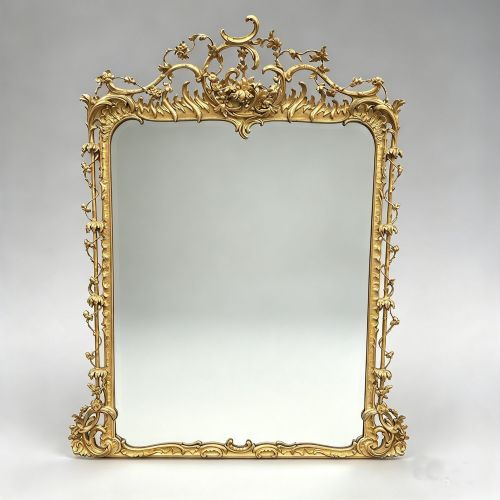
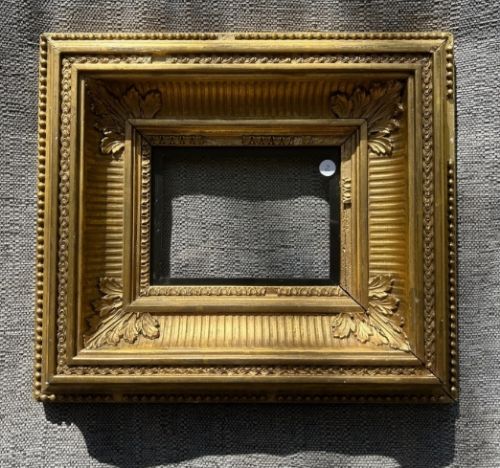
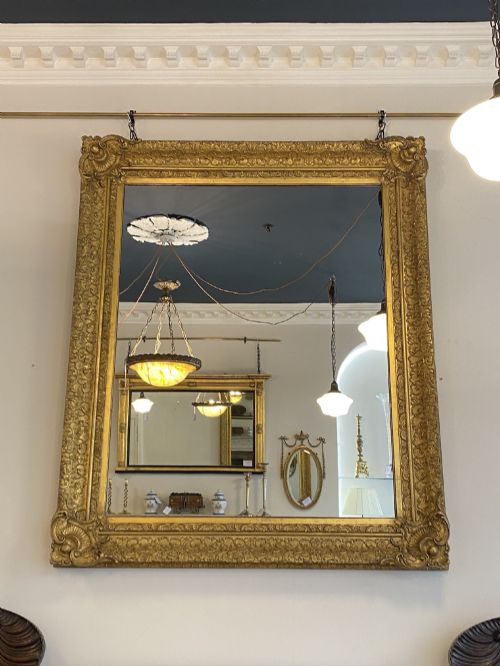
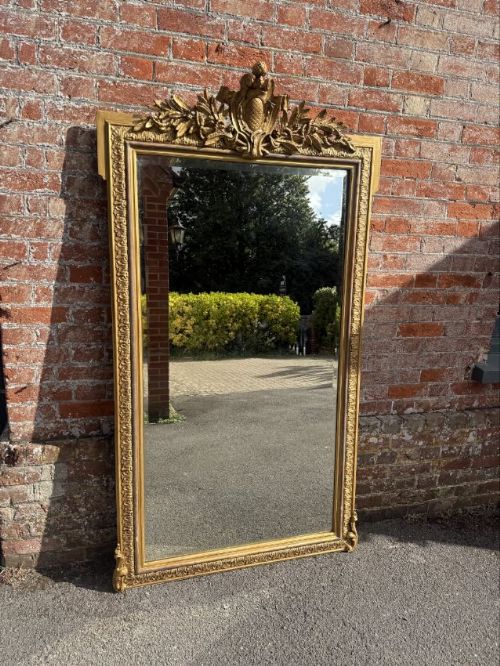
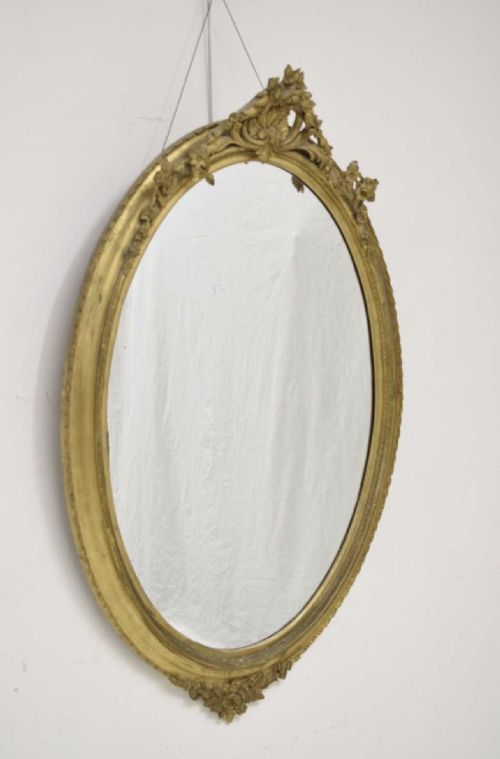
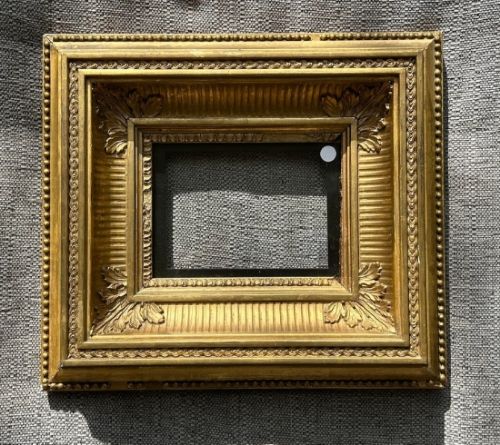
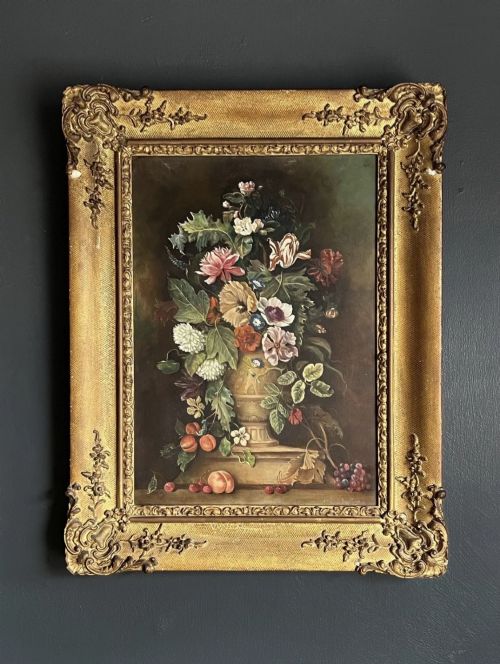
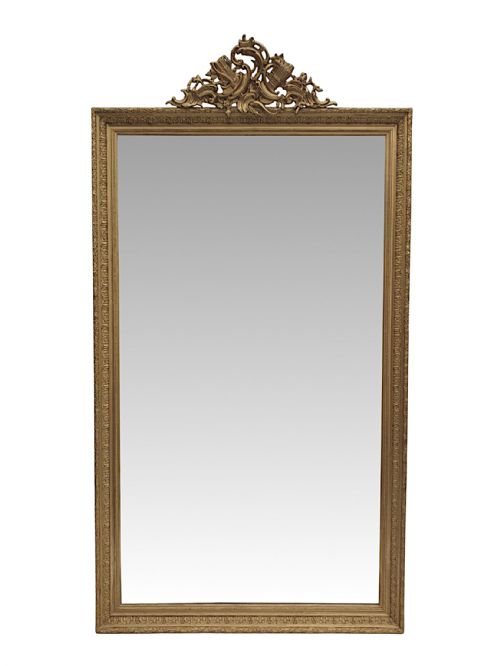
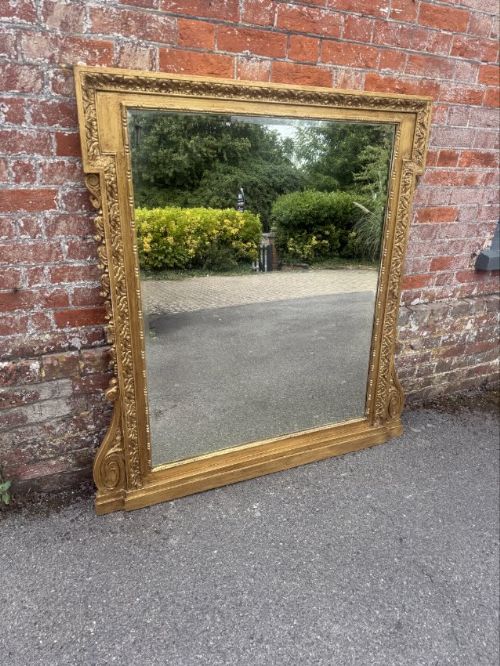
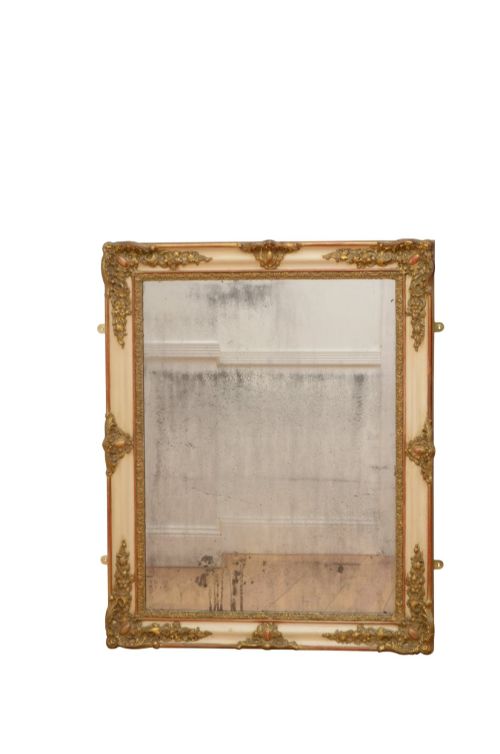
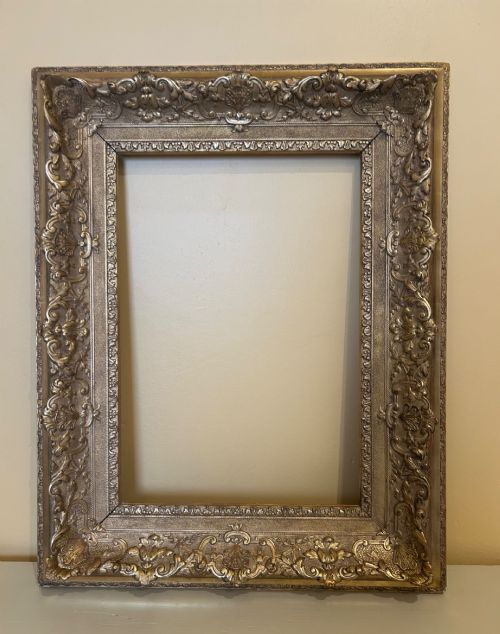
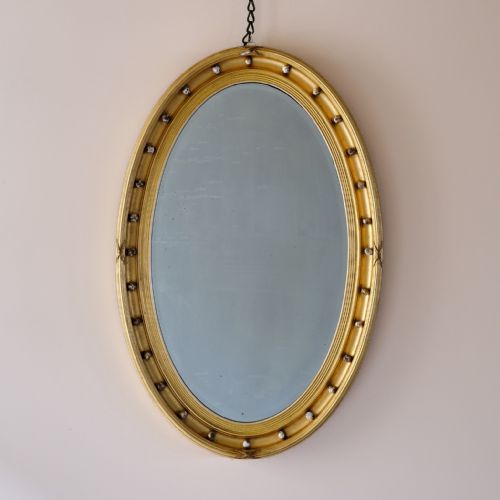
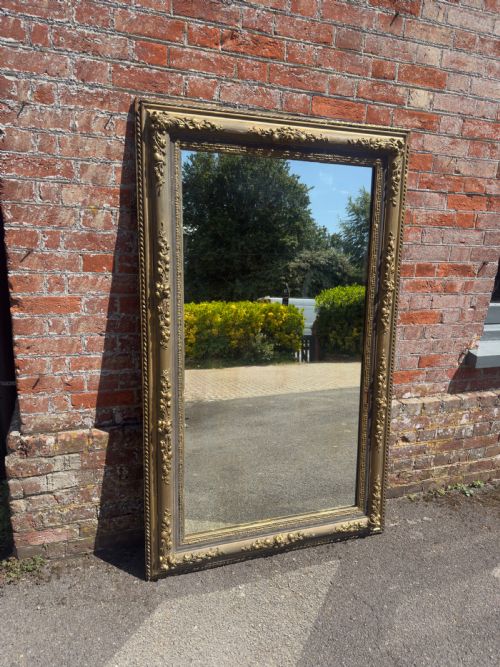
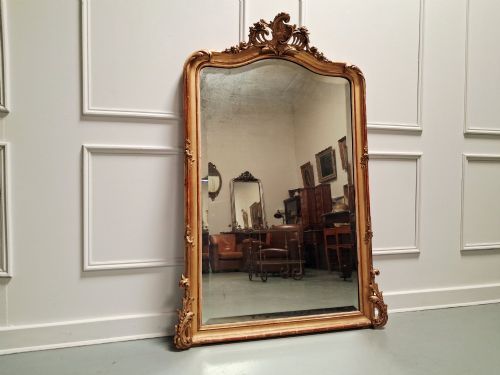
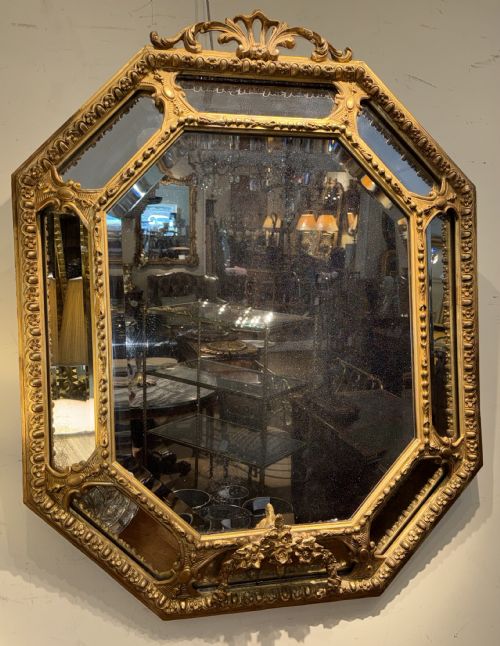
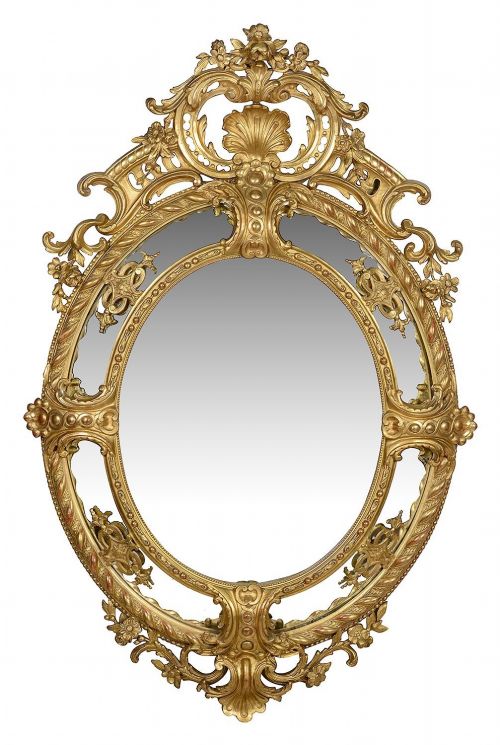
When searching for an ornate gesso frame, collectors encounter an array of heavy wall mirrors, grand overmantel mirrors, and deep picture frames designed to house oil paintings. The pieces on this page stem predominantly from the nineteenth century, spanning Victorian examples to French Rococo Revival designs created between eighteen fifty and nineteen ten.
The dominant forms include large arched or shaped top overmantel mirrors and oval wall mirrors, alongside deep hollow picture frames built for landscape or portrait artworks. English and French workshops produced the majority of these items, utilising carved wood foundations enriched with detailed plasterwork to achieve elaborate sculptural profiles.
How they were made
Craftsmen built the foundational structure from carved wood, applying multiple layers of gesso - a mixture of chalk and binder - to the timber base to form a smooth, workable surface for relief decoration. Modellers built up sculptural scrolls, fluted hollows, and acanthus motifs in the wet or semi-soft gesso before it set firm.
Once the plaster ornament hardened, artisans applied gold leaf, silver gilt, or liquid gold paint across the surface, often burnishing specific areas to create contrast between matte and reflective sections. Glass was subsequently fitted into the rebates of mirrors, secured from the rear to complete the heavy wall furnishings.
Ornate Gesso Frame Retail Price Guide 2026
Typical asking prices for ornate gesso frame among the pieces listed under this phrase on Sellingantiques today, from the lower quarter to the upper quarter. They describe what is for sale here now, not the wider market.
The listings show nineteenth-century pieces spanning the Victorian era, eighteen fifty through to nineteen ten, alongside French Rococo Revival styles.
What varies in quality
The distinction between ordinary and superior examples lies in the crispness and depth of the gesso modelling. Master carvers and modellers achieved sharp undercut foliage and precise symmetry, whereas lesser pieces display softened contours and thick, uniform plaster application that obscures the underlying timber work.
The handling of the gilding further defines the upper tier of pieces. Traditional gold leaf application laid over bole displays a warm, rich lustre that ages gracefully, contrasting with flat, chemically uniform modern metallic paints applied during later restorations.
The Ornate Gesso Frame Glossary
- Gesso
- A preparation mixture consisting of a binder mixed with chalk, gypsum, or pigment, applied to wood to create a surface for gilding and painting. It provides the thick foundation required for deep relief moulding.
- Giltwood
- Timber that has been coated with thin sheets of gold leaf or gold paint. It forms the primary visual finish for nineteenth-century decorative frames and mirrors.
- Overmantel mirror
- A large horizontal mirror specifically scaled to hang above a fireplace mantelpiece. These pieces often feature arched tops or elaborate shaped crestings.
- Rococo Revival
- A nineteenth-century design movement drawing inspiration from the asymmetrical scrolls, C-curves, and naturalistic shell motifs of the eighteenth-century French style. It dominates many Victorian and continental mirror designs.
- Swept frame
- A picture or mirror frame possessing an undulating, curved profile with substantial corners and hollows. This contour catches light dynamically across the gilded surface.
Ornate Gesso Frame: Frequently Asked Questions
How do I hang a heavy gesso mirror?
Due to the substantial weight of carved wood and plaster construction, these mirrors require secure wall fixings anchored directly into masonry or heavy wall studs. Professional mirror hangers typically utilise heavy-duty steel brackets or mirror plates screwed into the structural frame rather than relying on decorative hanging loops.
Ensuring the weight distributes evenly prevents undue stress on the historic mitre joints and prevents the gesso from cracking under tension.
How do I clean an antique gilt frame?
Dusting should be performed gently using a very soft, dry artist's brush or a feather duster to prevent dislodging brittle historic gesso or flaking gold leaf. Moisture, commercial cleaning sprays, and abrasive cloths must be avoided entirely because they dissolve water-soluble glues beneath the gilding.
Professional conservators should handle any significant accumulation of grime or repair work to preserve the underlying finish.
Are these frames suitable for modern art?
Deep giltwood and gesso frames create a striking juxtaposition when paired with contemporary oil paintings or abstract canvas works. The heavy historic ornamentation provides a strong visual boundary that contrasts sharply with minimalist modern compositions.
Collectors frequently pair seventeenth- to nineteenth-century frames with modern paintings to give contemporary pieces traditional depth and presence.