


Ornate French Mantel Mirror
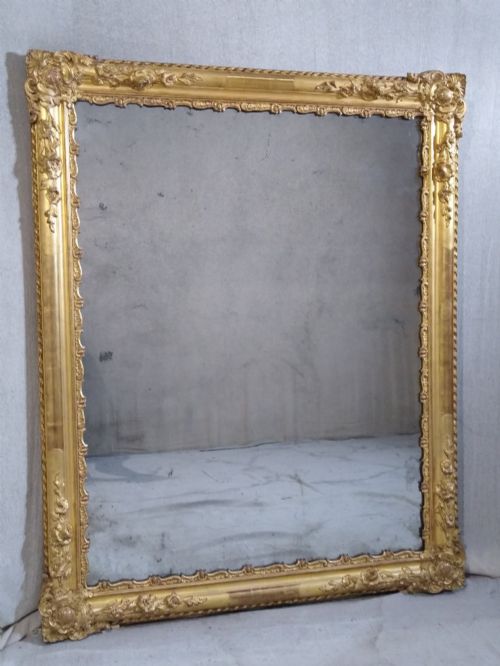
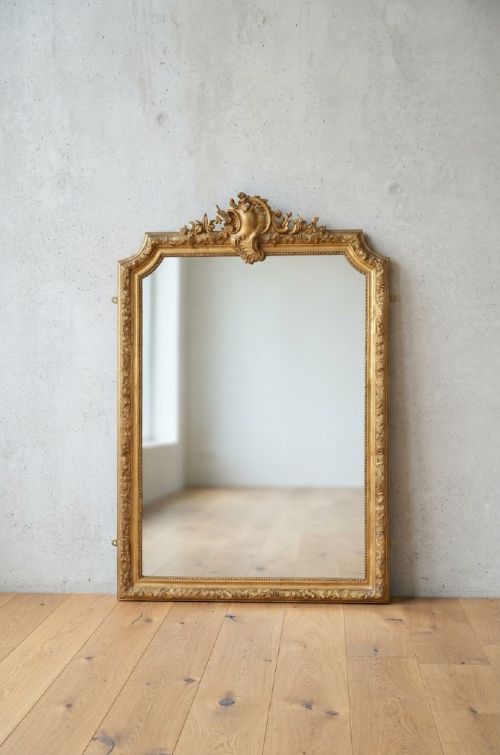
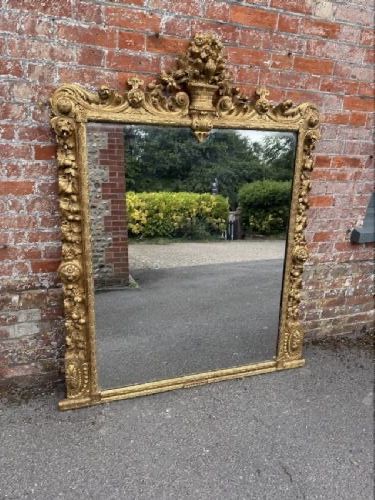
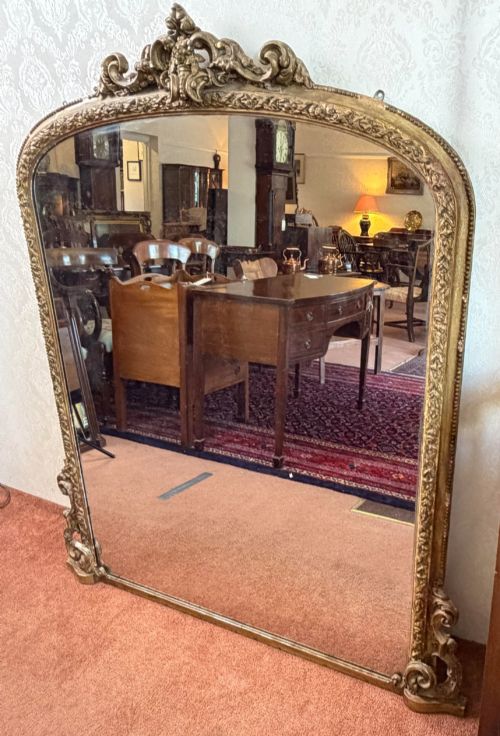
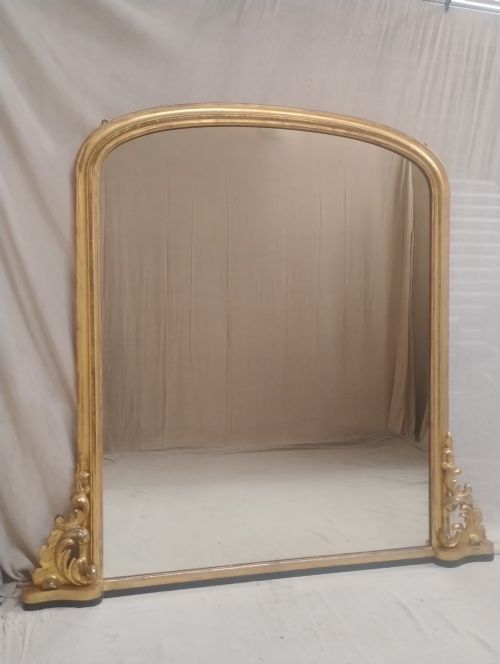
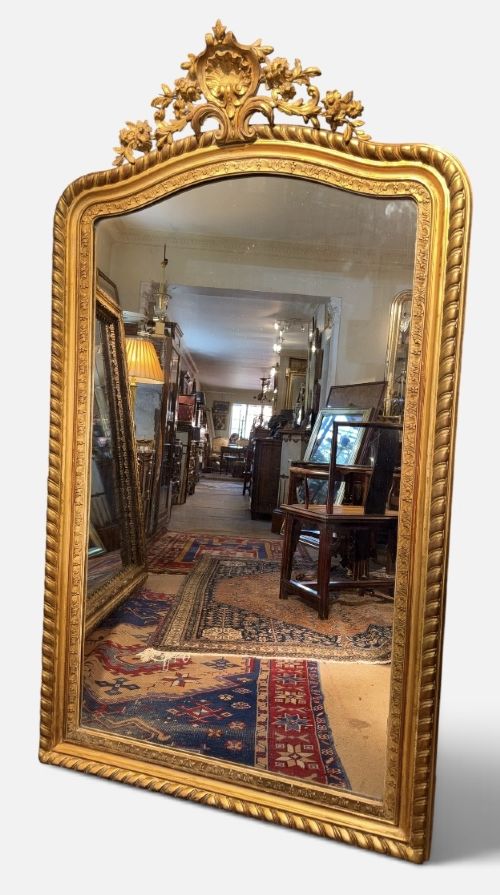
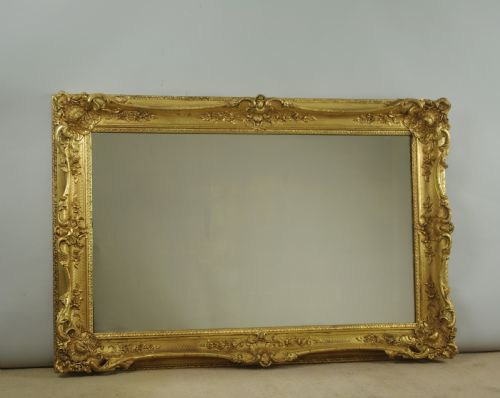
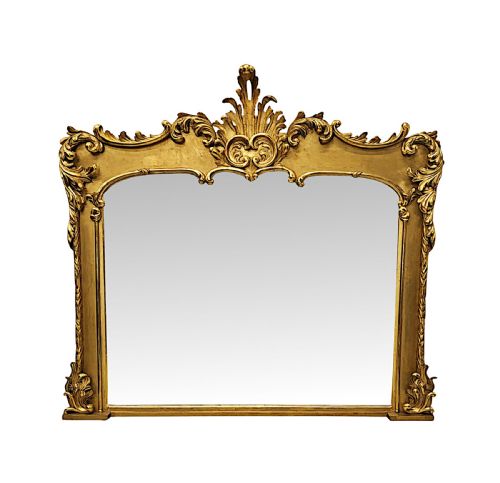
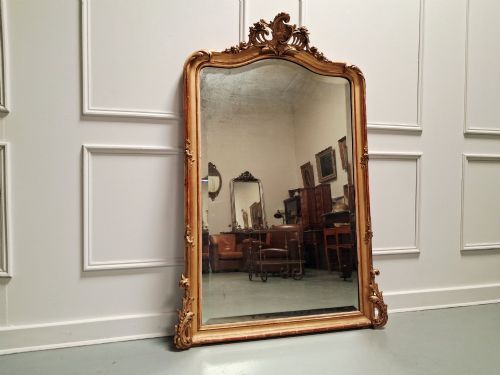
An ornate french mantel mirror brings nineteenth-century architectural scale and gilt reflection into a room, framed in carved wood and gesso.
Ornate French Mantel Mirror
An ornate french mantel mirror is typically a substantial wall-hanging or overmantel piece designed to sit above a fireplace, reflecting light and proportioning the room. These pieces appear largely from the nineteenth century, spanning decades such as the 1850s, 1860s, 1870s, 1880s, 1890s, and 1900, alongside variations described in Victorian and French Rococo styles.
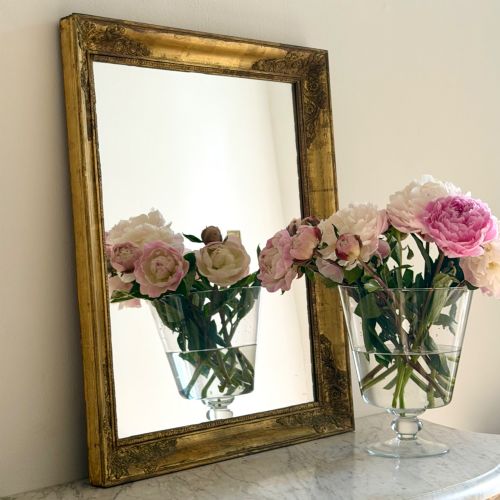
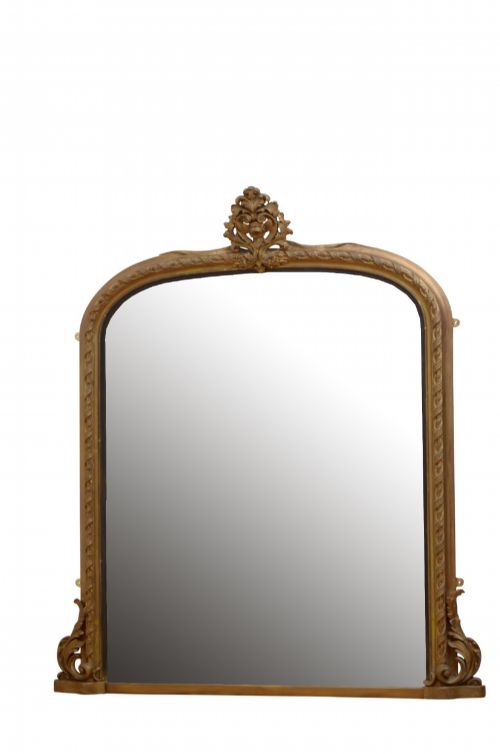
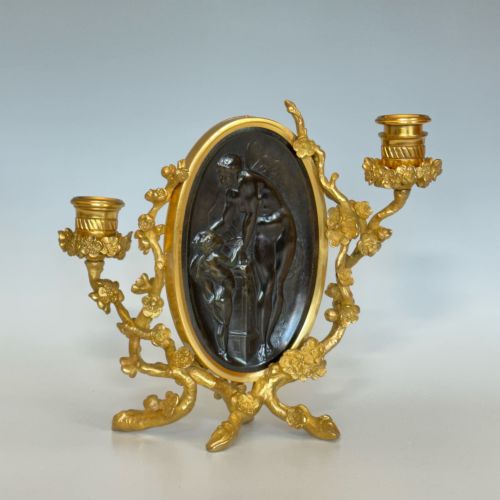
The dominant forms on this page are large overmantel mirrors and wall mirrors, frequently featuring arched, shaped, or rectangular tops with decorative cresting. Alongside grand architectural frames, buyers encounter table mirrors and smaller decorative panels that replicate the intricate gilding and scrolling ornamentation of larger salon pieces.
How they were made
Makers constructed the structural frames of these mirrors using timber such as carved wood or mahogany, often applying layers of gesso and composition to build up elaborate surface relief. The intricate scrolls, floral motifs, and foliate cresting characteristic of Rococo revival designs were moulded or hand-carved into this upper layer before finishing.
Gilding was then achieved by applying gold leaf or gold paint to the prepared surface, catching the light across the ornate mouldings. Some examples introduce contrasting details through black ebonised and cream painted finishes, pairing the reflective mirror glass with heavy wooden frames built for longevity.
Some nineteenth-century mirrors spent their lives reflecting flickering candlelight before gas lamps and electric bulbs ever reached the parlour.
What varies in quality
The depth and crispness of the carving distinguish ordinary frames from exceptional ones, particularly where hand-carved wood and gesso meet complex scrolling crests. Superior examples maintain sharp relief in the ornamentation without losing definition beneath layers of historical gilding.
Proportion and scale also dictate the standing of a piece, with larger overmantel mirrors requiring robust internal construction to support heavy glass plates safely within their decorative wooden and gilt frames.
Thiebaut Freres
The Ornate French Mantel Mirror Glossary
- Giltwood
- Wood that has been coated with gold leaf or a gold-coloured finish. This material provides the bright, reflective metallic surface seen on most nineteenth-century frames.
- Gesso
- A plaster-like mixture applied to wood frames to create a smooth base for carving and gilding. It allows makers to form intricate, raised decorative details.
- Overmantel mirror
- A large mirror specifically proportioned to hang on the wall directly above a mantelpiece or fireplace. These pieces often feature arched tops to match architectural surrounds.
- Rococo Revival
- A nineteenth-century design movement drawing on eighteenth-century French styles characterised by asymmetry, C-scrolls, and naturalistic plant motifs. It heavily influences the ornamentation of these frames.
- Louis Philippe
- A mid-nineteenth-century French style known for simpler, elegant rectangular shapes with softly rounded upper corners. These mirrors offer a restrained alternative to heavily carved Rococo designs.
Ornate French Mantel Mirror: Frequently Asked Questions
What is the difference between an overmantel and a wall mirror?
An overmantel mirror is specifically shaped to sit above a fireplace, often featuring a low, wide base and an arched or crested top designed to fill the chimney breast. Standard wall mirrors can be hung at various heights throughout a room without reference to a mantel.
While both share ornate gilt or carved wooden frames, overmantel versions generally offer greater scale to balance the architectural weight of a hearth.
How should I clean antique mirror glass?
Historic mirror plates require gentle maintenance to preserve the original glass and the silvering behind it. Use a soft microfibre cloth with mild, non-ammonia cleaner applied to the cloth rather than directly onto the glass.
Avoid spraying liquids near the edges where the backing may be degraded, as moisture can seep behind the plate and cause dark spots or clouding.
How do I date a nineteenth-century gilt mirror?
Dating relies on examining the construction methods of the wooden frame, the composition of the gesso, and the style of the cresting. Pieces from the 1850s and 1860s often display robust carved wood and gesso ornamentation, while later Victorian iterations might utilise heavier composition mouldings.
The characteristics of the glass plate and the backing boards also offer clues to the manufacturing period.