




Ornate Fire Fender
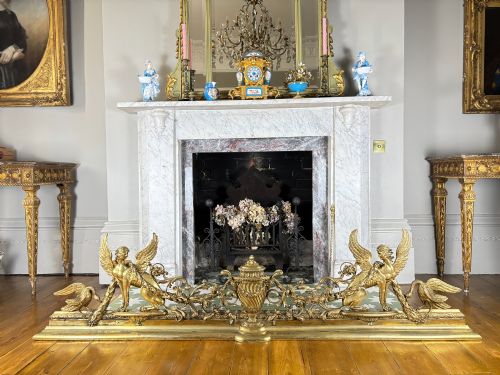
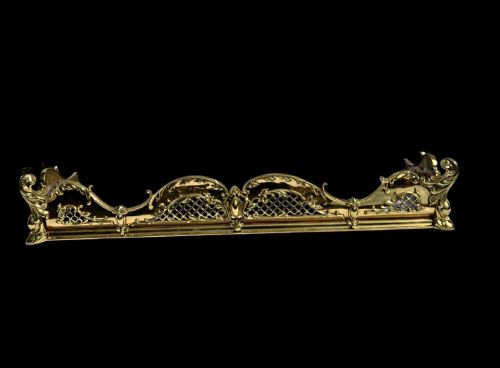
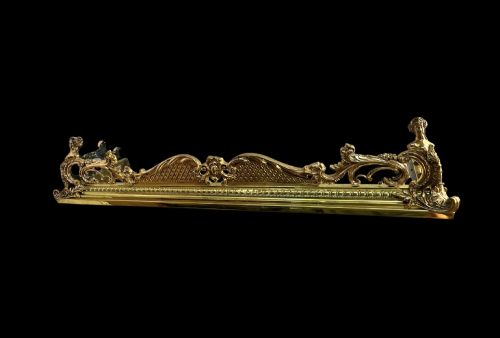
An ornate fire fender frames the hearth with metalwork, protecting the room while anchoring the fireplace.
Ornate Fire Fender
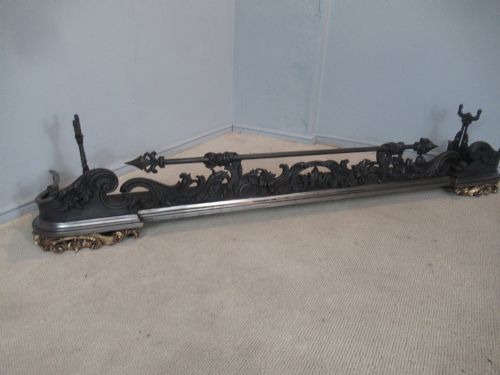
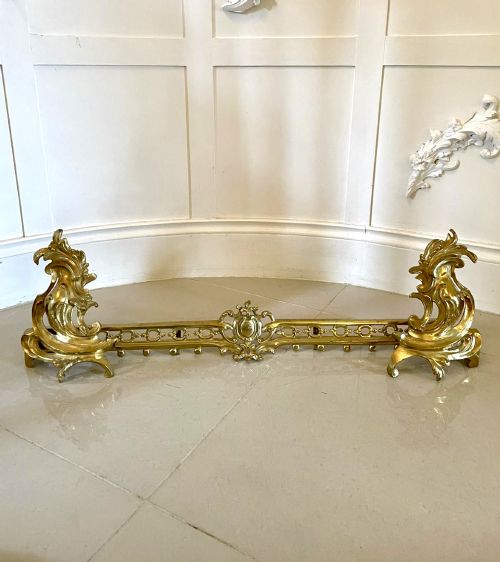
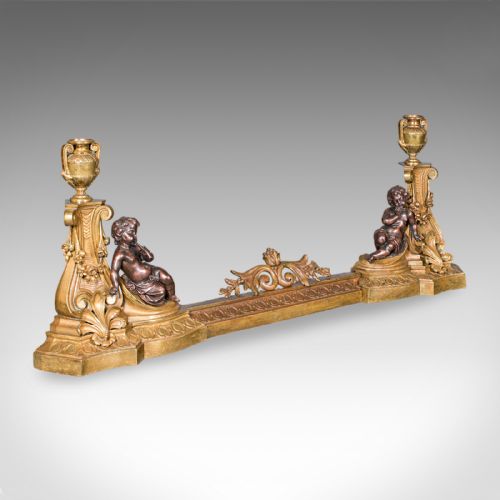
When you search for an ornate fire fender, you encounter metal hearth barriers designed to contain ash and complement the fireplace. The pieces on this page span the Victorian era, the nineteenth century, and the Georgian period, alongside styles such as French Rococo, Louis XV, and Neoclassical Revival.
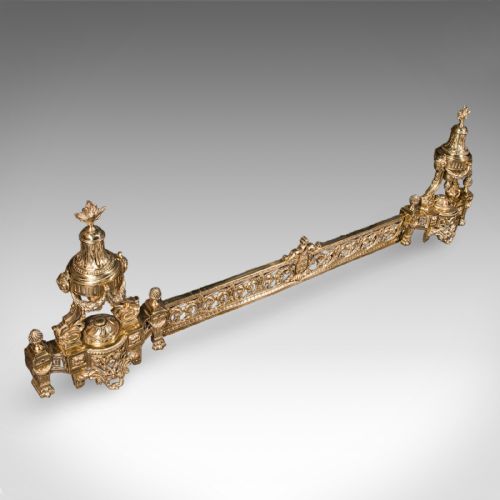
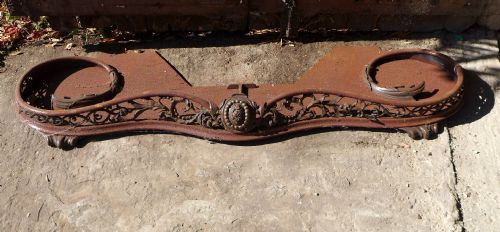
The forms range from fixed iron frames to heavy extending brass designs and paired ormolu chenets. Many incorporate adjustable mechanisms to fit varying hearth widths across different rooms.
English and French origins dominate the selection, utilising materials from simple cast iron to gilded bronze. These hearth accessories serve both a practical boundary function and a decorative role in the reception room.
How they were made
The construction of these hearth guards relies heavily on cast iron, brass, and steel, shaped through casting, forging, and joinery. Makers worked molten metals into rigid bars or cast intricate decorative motifs to withstand intense hearth heat.
Decorative surface treatments set the finer examples apart, utilising fire gilding, ormolu, and applied brass garlands. These metal finishes catch the firelight and provide a durable protective coating against soot and ash.
Ornate Fire Fender Retail Price Guide 2026
Typical asking prices for ornate fire fender among the pieces listed under this phrase on Sellingantiques today, from the lower quarter to the upper quarter. They describe what is for sale here now, not the wider market.
Some nineteenth-century hearth guards include adjustable corner joints so builders could easily accommodate slightly uneven hearth stones.
What varies in quality
Quality in these hearth surrounds rests upon the weight of the metal and the crispness of the casting. Heavy gauge brass and deep, hand-finished cast iron details distinguish superior examples from lighter, mass-produced alternatives.
The sophistication of the decorative vocabulary dictates the tier of the piece. Crisp French Rococo scrolls, finely chased ormolu, and robust extending mechanisms reflect a higher standard of design and smithing skill.
E F Caldwell New York
The Ornate Fire Fender Glossary
- Fender
- A low metal guard placed around the hearth to keep burning coals and ash from spilling onto the floor. It forms the primary protective boundary of an open fireplace.
- Chenet
- An alternative term for firedogs or ornamental irons placed at the hearth front, sometimes accompanying fender sets. They provide decorative vertical accents to the fireplace surround.
- Ormolu
- Finely ground high-carat gold applied to a bronze base metal through a mercury amalgamation process. This technique yields a brilliant, durable golden surface seen on French decorative metalwork.
- Kerb
- A variant spelling of curb, referring to the low stone or metal boundary enclosing the hearth space. In fireplace terminology, it often describes the structural frame of the fender itself.
- Gilding
- The application of a thin layer of gold leaf or gold paint to the surface of brass or bronze. It enhances the visual richness of the metalwork under candlelight or firelight.
Ornate Fire Fender: Frequently Asked Questions
What is a fire fender used for?
A fire fender sits directly on the hearth to contain stray embers, hot coals, and ash tumbling from an open fire. It acts as a physical barrier protecting carpets and floorboards from fire damage.
Beyond safety, the fender frames the fireplace opening, adding a finished decorative border to the hearth area. Many designs also incorporate slots or rests for fire irons.
How do adjustable fire fenders work?
Adjustable fire fenders feature a sliding mechanism where overlapping metal sections extend or retract to fit different hearth widths. This telescopic design allowed Victorian households to move fenders between rooms of varying proportions.
Collectors should check that the sliding tracks move smoothly without binding or scraping the metal surfaces. Original thumbscrews or locking pins often secure the adjusted width in place.
How do I date a fireplace fender?
Dating a fender involves examining the metal casting techniques, assembly methods, and stylistic motifs present in the design. Heavy cast iron and simple brass mouldings often point towards Georgian or early Victorian periods.
French Rococo revival pieces and elaborate ormolu mounts typically align with mid to late nineteenth-century manufacturing trends. Adjustable corner joints and patent stamps can also narrow down the production era.