

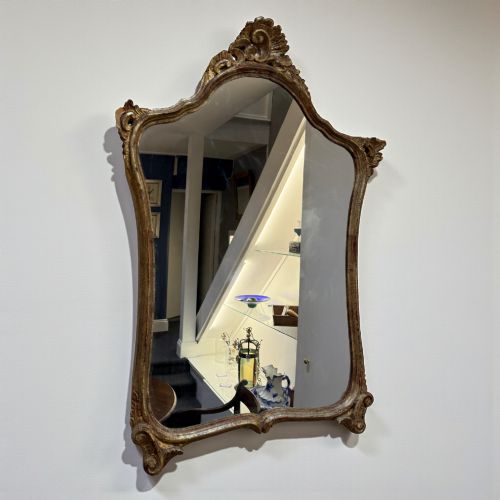
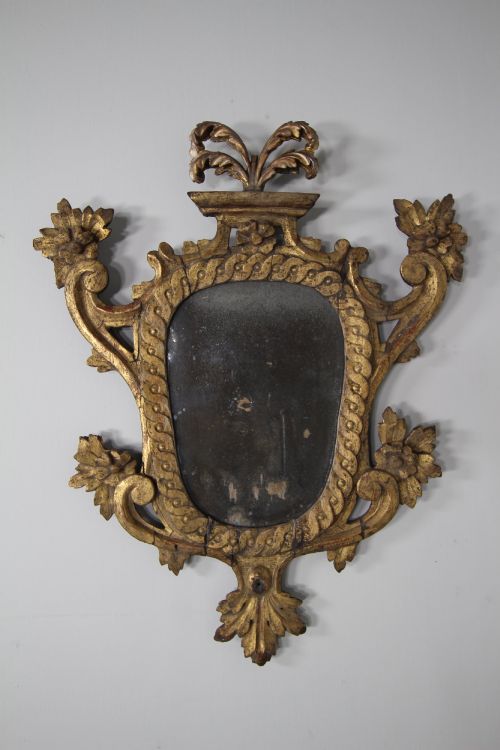

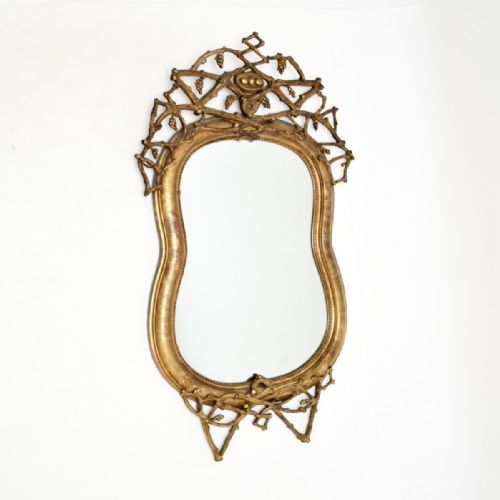
Ornate Decorative Mirror
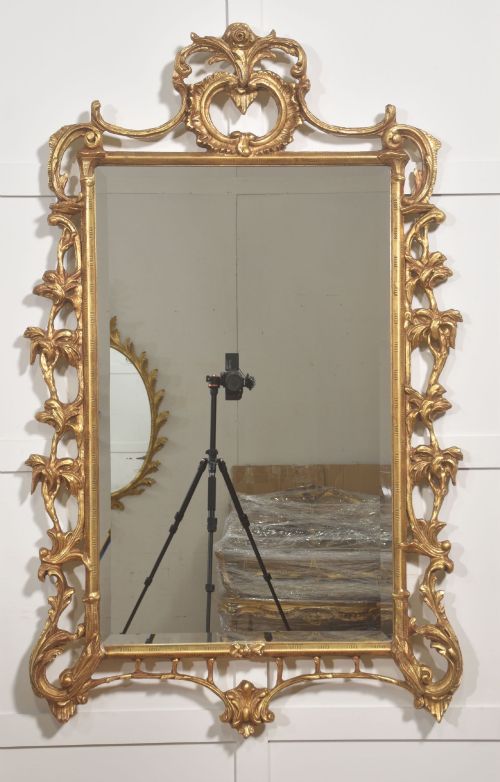
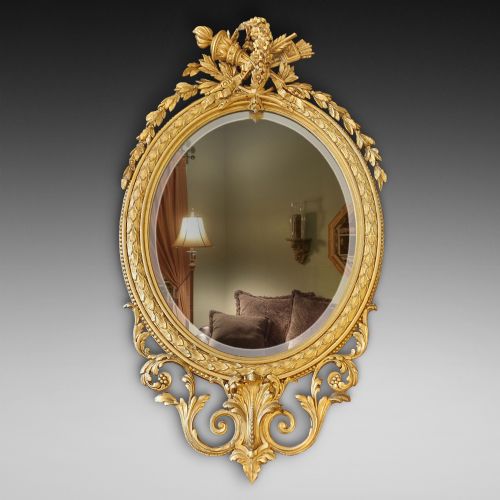
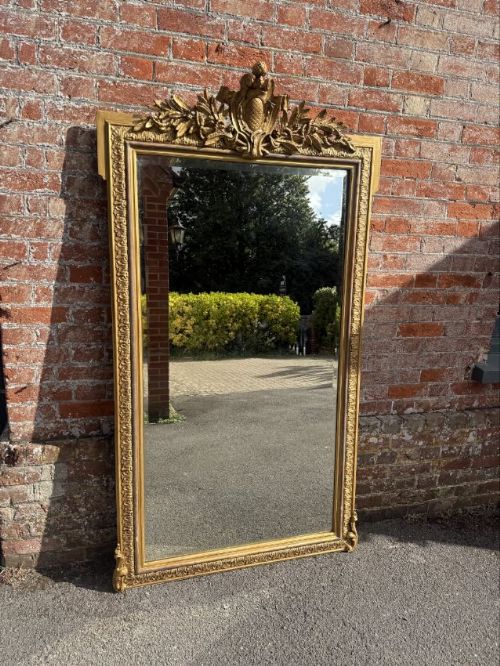
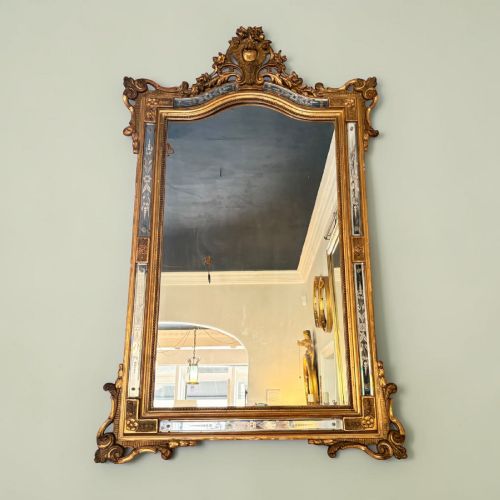
An ornate decorative mirror brings depth and light to a room through lavish frames of giltwood, gesso and carved wood.
Ornate Decorative Mirror
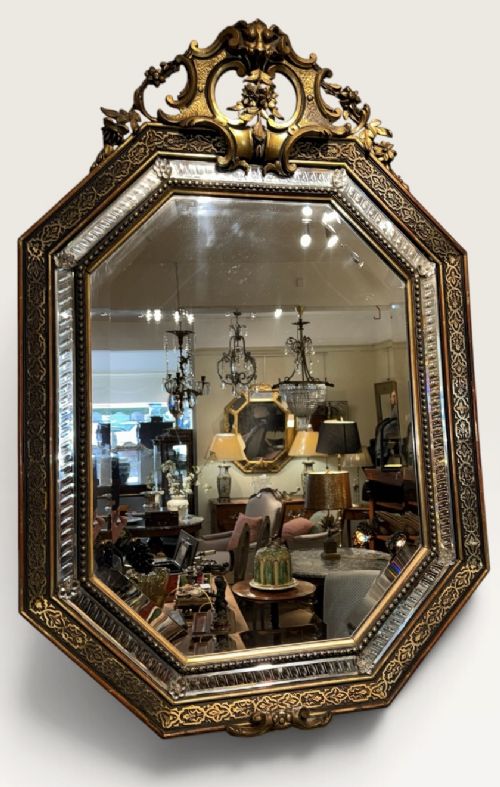
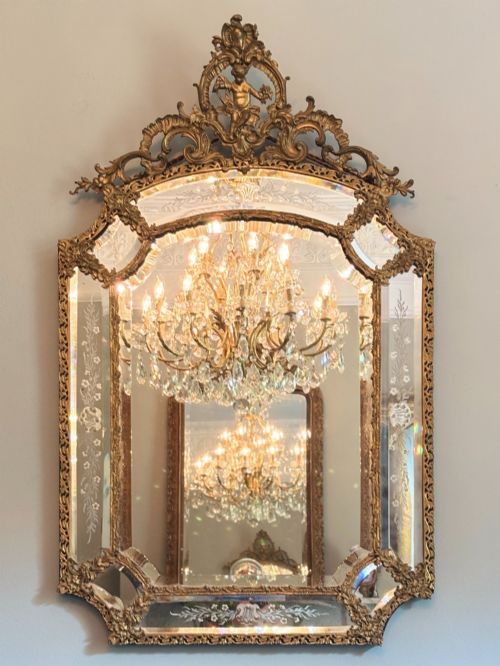
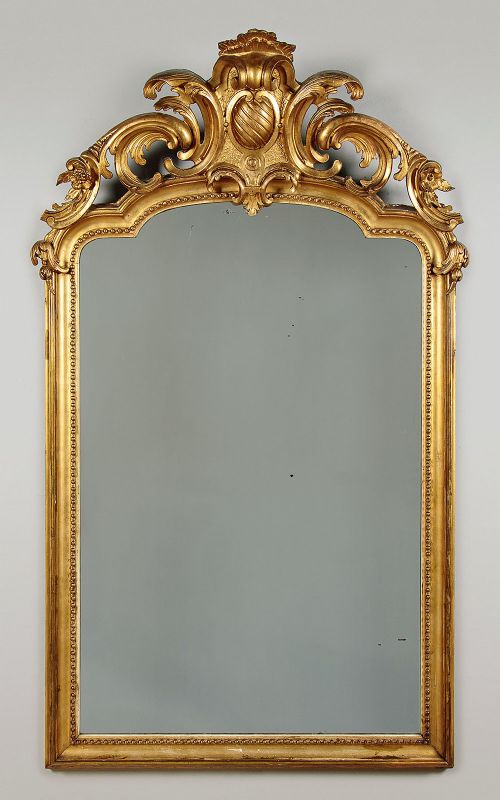
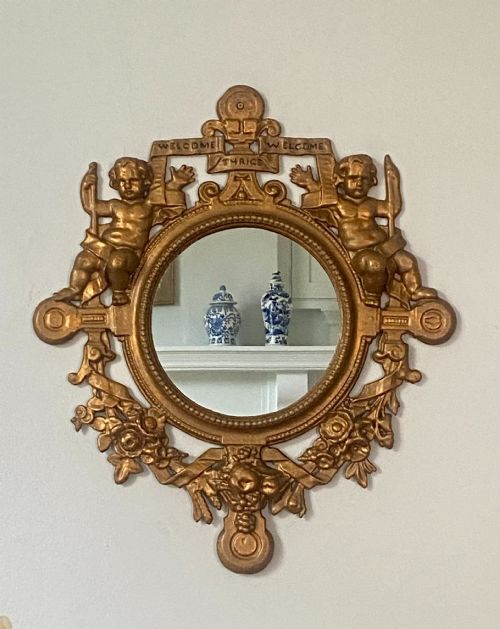
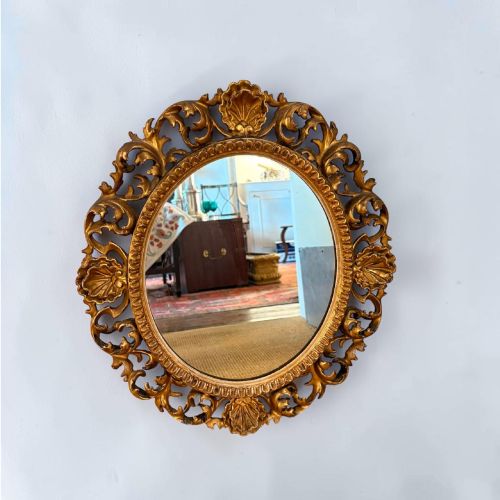
An ornate decorative mirror serves as a primary focal point within a room, combining practical reflection with heavy sculptural framing. When searching for an ornate decorative mirror, buyers typically encounter pieces originating from the eighteenth century through to the early twentieth century. The selection spans distinct regional forms, including French Rococo Revival, Italian Florentine, and Victorian overmantels.
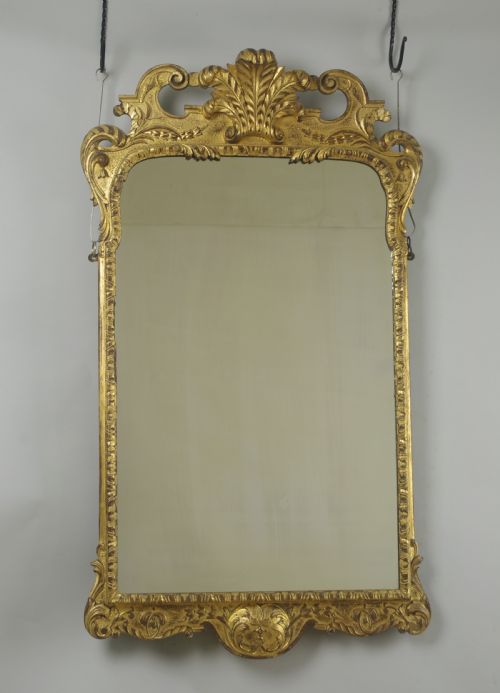
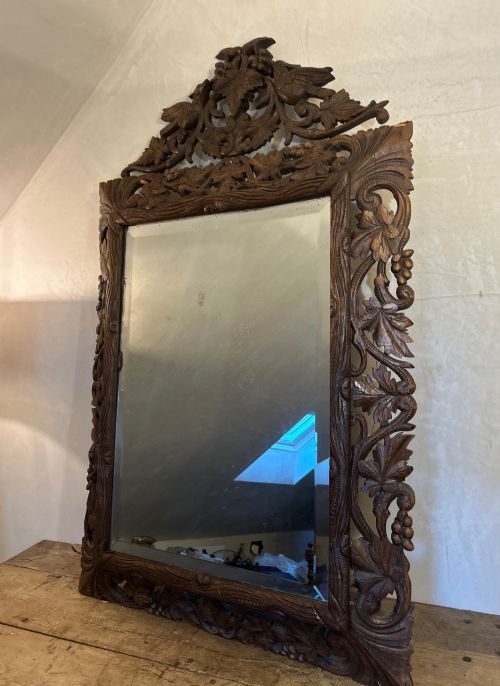
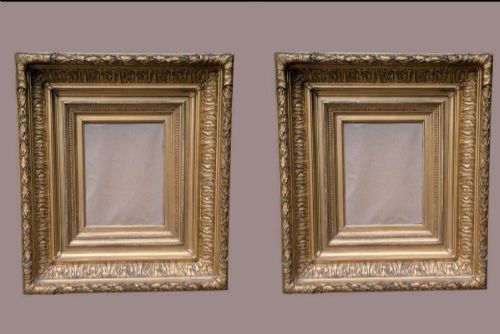
The physical forms vary from large overmantel mirrors designed to sit above a fireplace to smaller wall mirrors, dressing mirrors, and pier glasses. Many examples manifest as wall mirrors with bevelled or etched glass plates held inside elaborate wooden armatures. Buyers frequently meet pieces finished in gold leaf or giltwood, reflecting period tastes for opulent interior decoration.
How they were made
Craftsmen built the underlying structure of an ornate decorative mirror using carved wood, oak, or cast iron, shaping the timber into scrolls, foliage, and cartouche forms. Applied gesso provided a smooth base layer upon which artisans laid gold leaf or metallic surface treatments. Some examples incorporate specialist techniques such as etched glass plates or silver and gold leaf surfaces.
Makers utilised traditional joinery and carving methods to produce deep frames that could support substantial mirror glass. The application of parcel gilt and gesso required skilled hands to achieve the intricate relief work characteristic of Rococo and Louis XVI revival styles. Metal components, such as gilt bronze, appeared on specific French decorative pieces of the nineteenth century.
Ornate Decorative Mirror Retail Price Guide 2026
Typical asking prices for ornate decorative mirror among the pieces listed under this phrase on Sellingantiques today, from the lower quarter to the upper quarter. They describe what is for sale here now, not the wider market.
Materials recorded across the available pieces include giltwood, gesso, carved wood, cast iron, and gilt bronze alongside standard mirror glass.
What varies in quality
The depth and crispness of the hand-carving define the upper tiers of quality among these mirrors. Superior pieces display sharply defined gesso relief and well-preserved gold leaf surfaces that catch the light evenly. The integration between the mirror glass and the heavy frame also marks the standard of construction.
Origin and stylistic cohesion separate standard decorative items from exceptional examples. Pieces bearing specific regional traits, such as Florentine openwork or French Rococo asymmetry, demonstrate advanced artisan skill. The thickness of the timber frame and the presence of original bevelled or etched plates contribute to the overall execution.
The Ornate Decorative Mirror Glossary
- Giltwood
- Wood that has been coated with gold leaf or a gold-coloured substance. This finish is characteristic of many nineteenth-century wall mirrors.
- Gesso
- A plaster-like mixture applied to wood frames to create a smooth surface for gilding. Artisans carved intricate relief patterns directly into this layer.
- Overmantel mirror
- A large mirror designed to hang specifically above a fireplace mantel. These pieces often feature wide proportions to match the width of the hearth.
- Rococo Revival
- A nineteenth-century design style mimicking the asymmetrical curves, scrolls, and natural motifs of the eighteenth-century French movement.
- Pier glass
- A tall mirror designed to fit on the wall space between two windows. They frequently accompanied pier tables in period drawing rooms.
Ornate Decorative Mirror: Frequently Asked Questions
Where should an ornate decorative mirror be hung?
These mirrors suit placement above a fireplace mantel, where overmantel versions historically sat to reflect candlelight and daylight around the room. They also function effectively on principal living room walls to create an illusion of increased space.
Ensure the wall structure can support the substantial weight of carved wood and gesso frames. Secure fixings matching the specific weight of the mirror are essential for safe hanging.
How do I identify a period frame?
Examination of the timber, gesso application, and backboards reveals clues regarding the age of the piece. Nineteenth-century examples often exhibit hand-carved details combined with moulded gesso components.
Styles such as Rococo Revival or Louis XVI revival point towards specific Victorian and late nineteenth-century manufacturing periods. Comparing the joinery methods at the reverse helps confirm the age of the wooden armature.
What is the difference between giltwood and gilded pieces?
Giltwood specifically refers to solid wood that has been directly gilded with gold leaf or metal leaf. This method provides a durable base that holds deep carving work.
Gilded pieces may incorporate gesso over softer woods to achieve similar reflective metallic surfaces. Both finishes require gentle maintenance to preserve the integrity of the gold leaf.
How should I clean an antique mirror glass?
Clean the glass plate using a soft cloth and a minimal amount of mild glass cleaner applied to the cloth rather than directly to the surface. Prevent moisture from seeping behind the glass plate or contacting the gilt frame.
Avoid harsh chemical solvents that can damage historical silvering or discolour gold leaf finishes. Regular dusting with a dry, soft brush keeps the carved frame in stable condition.