
Ornate Crested Mirror
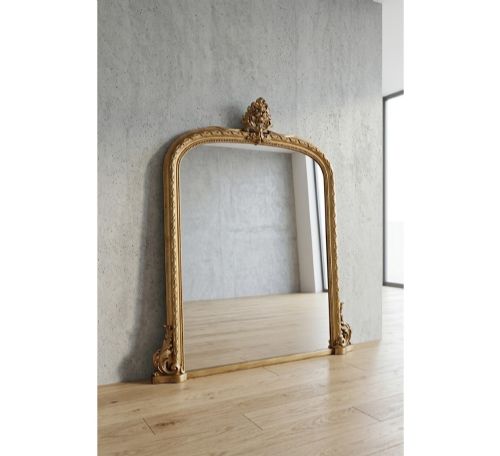
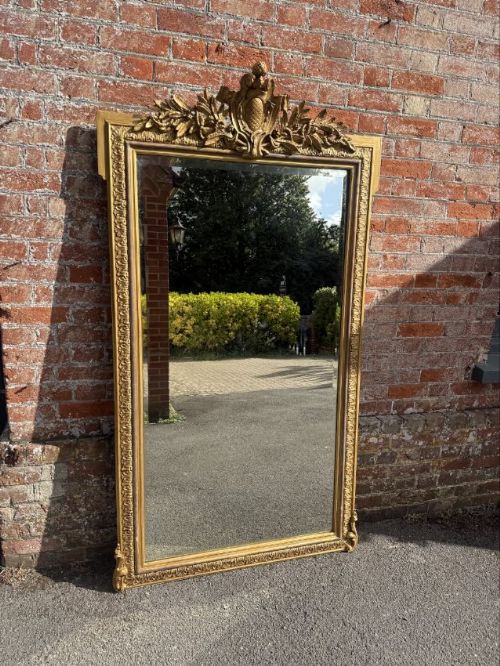
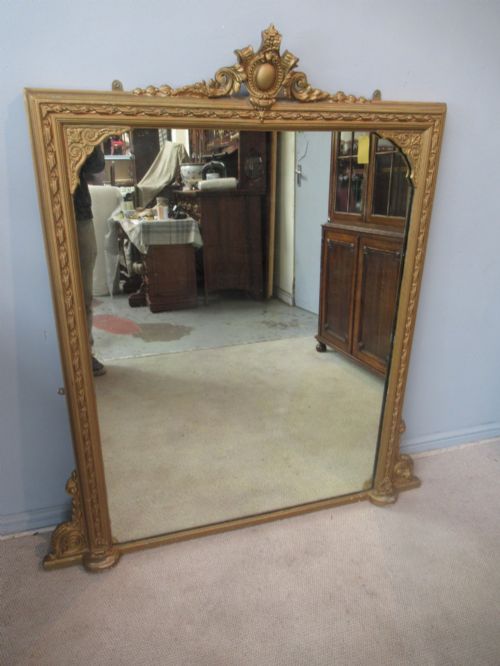
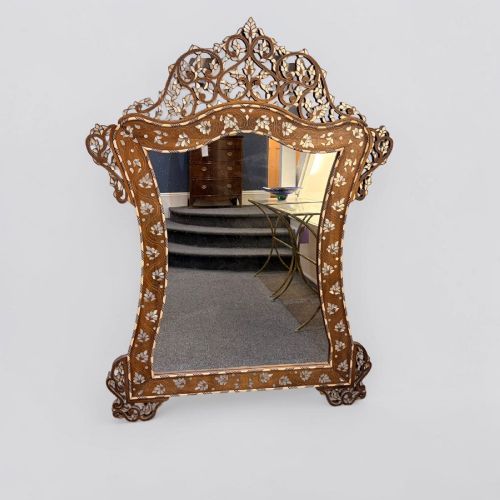
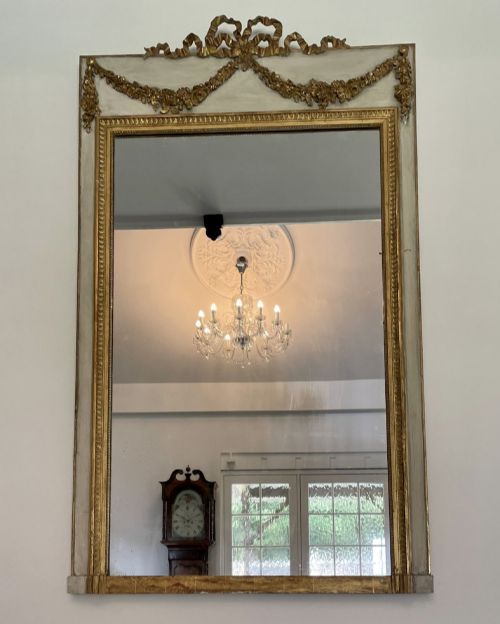
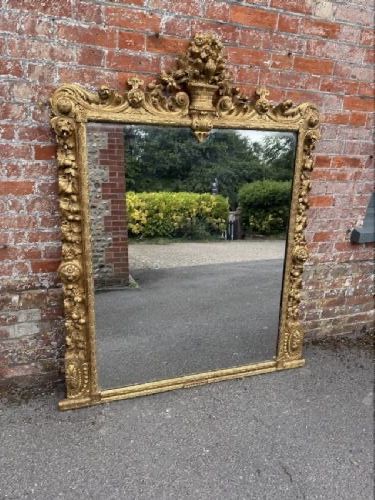
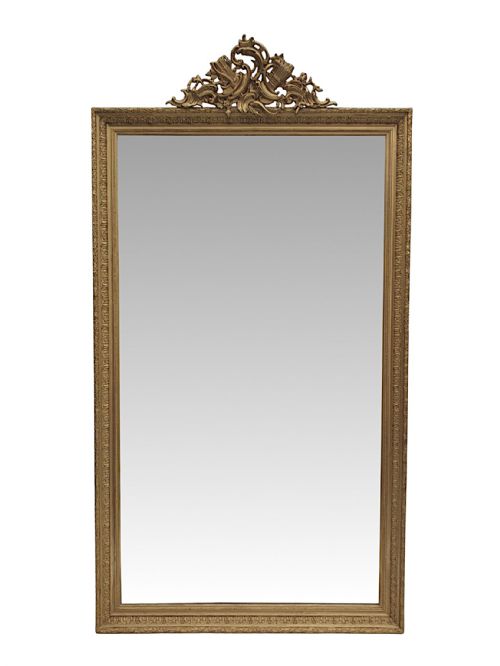
An ornate crested mirror brings dramatic proportion and reflective light to a room, drawing the eye upwards with elaborate sculptural cresting.
Ornate Crested Mirror
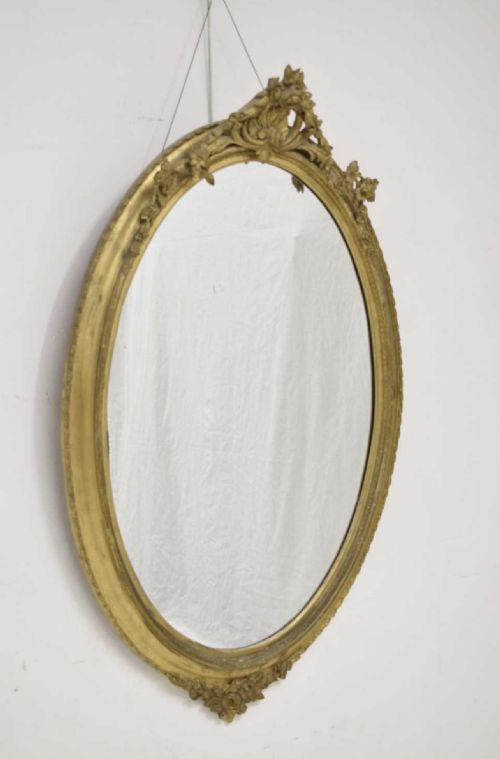
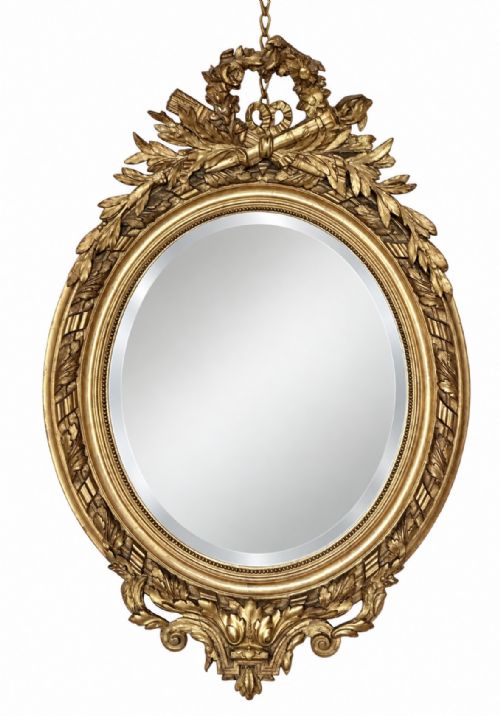
An ornate crested mirror functions primarily as a statement wall hanging or overmantel piece, designed to command attention in a principal room. When buyers search for an ornate crested mirror, they encounter a range of substantial formats including grand architectural overmantels, tall pier mirrors, and smaller oval wall variations.
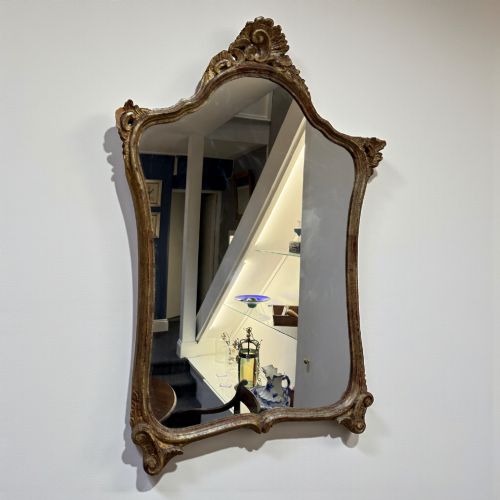
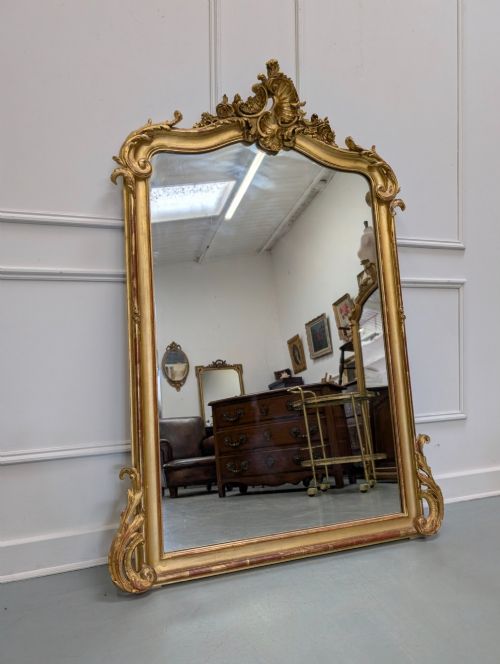
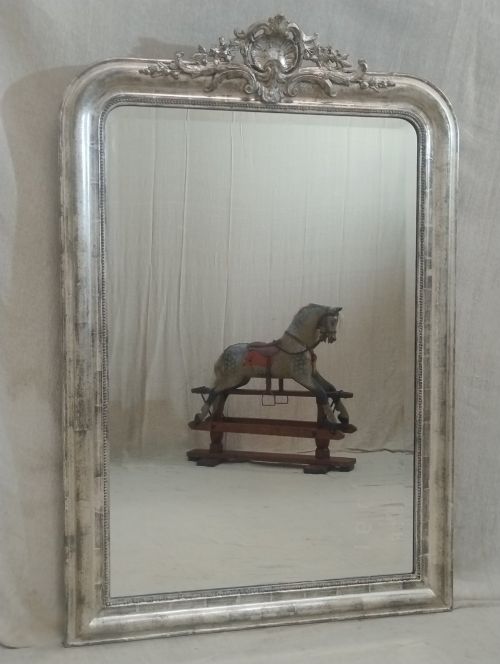
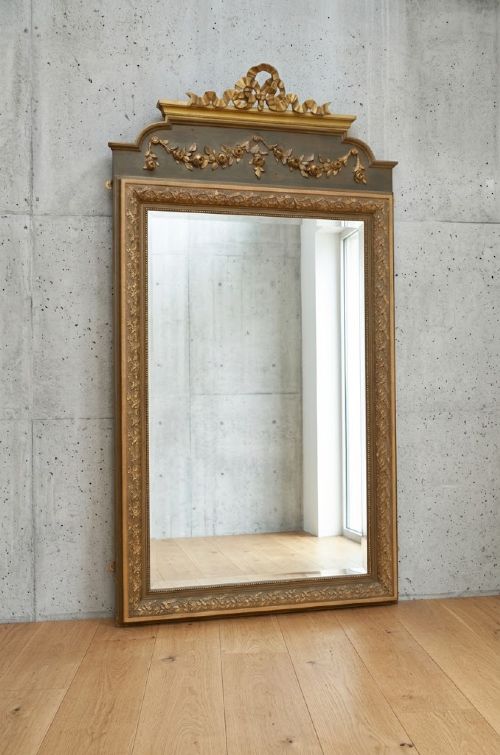
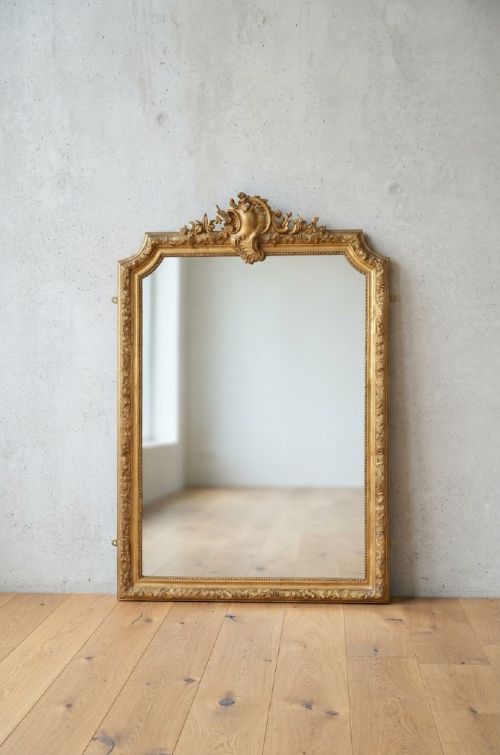
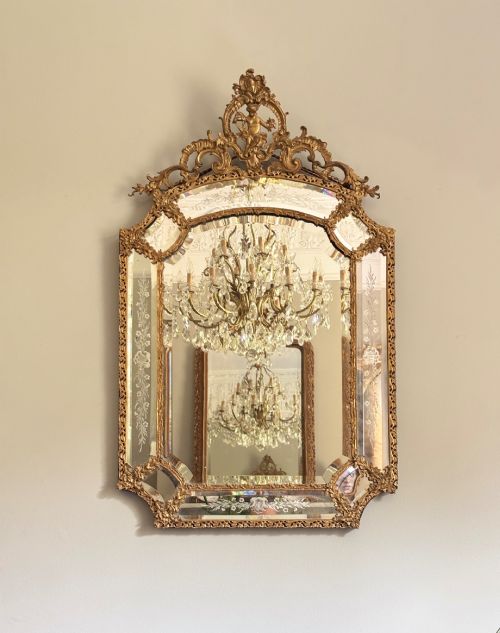
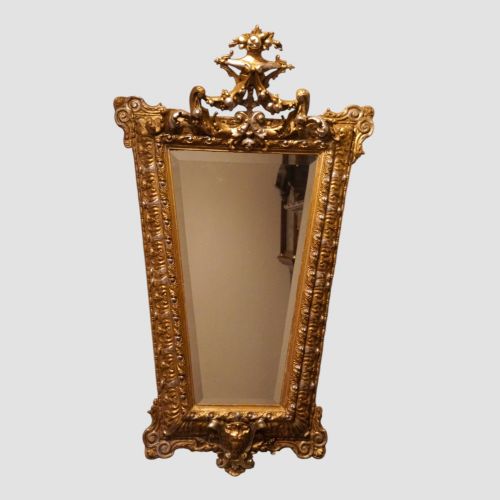
The dominant offerings on this page date from the nineteenth century, reflecting Victorian tastes alongside French Rococo and Louis XVI revival aesthetics. These pieces often feature prominent decorative crests incorporating ribbon motifs, carved foliage, or sculptural masks above the main glass plate.
Origins stretch across English, French, and Italian workshops, presenting regional preferences in frame carving and gilding. Buyers find both landscape formats built for mantelpiece placement and vertical formats intended to elongate wall space.
How they were made
Frames rely principally on timber foundations of carved wood, overlaid with gesso to build up high-relief ornamentation. Artisans sculpted intricate flourishes directly into the gesso layer before applying gold leaf, silver-gilt, or pigmented finishes.
Alternative constructions utilise cast composition or pressed brass elements to achieve complex scrolling foliage and crest details efficiently. Bronze frames appear in specific French revival pieces, offering crisp metallic definition and substantial weight.
Glass plates vary from standard silvered mirrors to traditional mercury plates and cut or etched Venetian glass borders. Frames often incorporate structural elements like display brackets or twin arms for girandoles.
The selection spans the nineteenth century alongside eighteenth-century examples, utilising giltwood, gesso, composition, and bronze.
What varies in quality
The depth and crispness of the hand-carved ornamentation separate standard decorative frames from superior examples. Finely executed crests retain sharp undercut details in the gesso and wood, whereas lesser pieces show softened contours from mass production or excessive over-gilding.
The integrity of the reflective glass plate and its interaction with the frame dictate overall visual standard. Original mercury plates displaying characteristic mottled ageing sit at a different tier from later replacement glass.
Structural cohesion across large overmantel dimensions indicates competent framing techniques. Superior pieces maintain alignment in heavy arched tops and intricate crest attachments without visible warping in the primary wood support.
The Ornate Crested Mirror Glossary
- Giltwood
- Timber frame coated in a thin layer of gold leaf over a prepared base. This technique provides a warm, enduring metallic sheen.
- Gesso
- Plaster-based mixture applied to wood frames and carved into relief details. It creates the smooth foundation needed for gilding.
- Overmantel Mirror
- Large horizontal mirror designed to hang directly above a fireplace mantel. These pieces anchor the visual weight of a chimney breast.
- Mercury Plate
- Early mirror glass produced using a tin and mercury amalgam. It yields a distinctive, softly distorted reflection with characteristic dark speckling.
- Girandole
- Wall mirror featuring attached candle sconces or arms. The reflective surface multiplies the flickering candlelight across the room.
Ornate Crested Mirror: Frequently Asked Questions
How do I hang a heavy crested mirror?
Substantial nineteenth-century frames require professional wall fixings secured directly into masonry or deep timber studs. Distributing the weight across heavy-duty mirror brackets ensures the wall structure supports the load safely.
Because the decorative crest adds significant height and top-heavy balance, secondary anchor points near the upper corners prevent forward tilting.
Where should I place an overmantel mirror?
Positioning an overmantel mirror centrally above a fireplace creates a traditional focal point in reception rooms. The horizontal proportions align naturally with mantel shelves and fireplace openings.
Placing the glass opposite a window maximises natural daylight distribution, brightening darker corners and expanding the perceived volume of the space.
How do I clean antique gilt frames?
Dusting giltwood and gesso surfaces requires a very soft dry brush to prevent abrasion to the delicate gold leaf layer. Moisture can degrade historic gesso and lift the metallic leaf from the base.
Glass plates tolerate standard non-ammonia window cleaners applied sparingly to a cloth rather than sprayed directly onto the frame joints.
What defines Rococo revival mirrors?
Rococo revival pieces feature asymmetrical scrollwork, naturalistic shell motifs, and exuberant C-scroll framing derived from eighteenth-century French design. The frames prioritize organic movement over rigid symmetry.
Craftsmen working in the nineteenth century reinterpreted these flamboyant styles with deep gesso relief and elaborate crested tops.