


Ornate Carved Wood Table
An ornate carved wood table brings together intricate sculptural detail and functional form, spanning centuries of craftsmanship from European salons to Anglo-Indian workshops.
Ornate Carved Wood Table
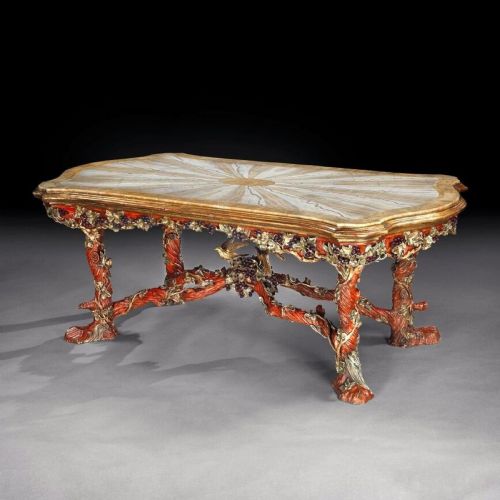
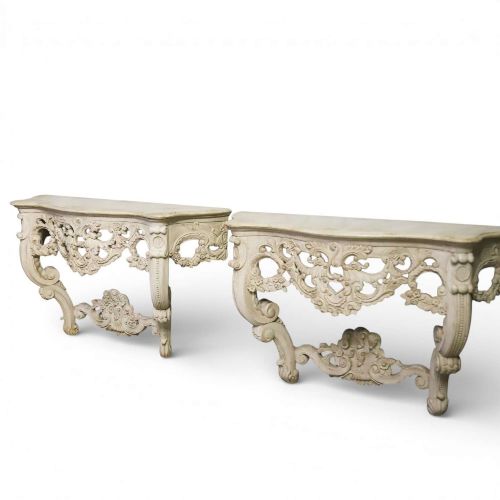
When searching for an ornate carved wood table, buyers encounter a diverse selection of console tables, side tables, and centre tables designed to anchor a room with heavy decorative presence. These pieces emerge predominantly from the nineteenth century alongside later twentieth-century iterations, spanning revival styles from French Rococo and Italian Baroque to Anglo-Indian colonial craftsmanship.
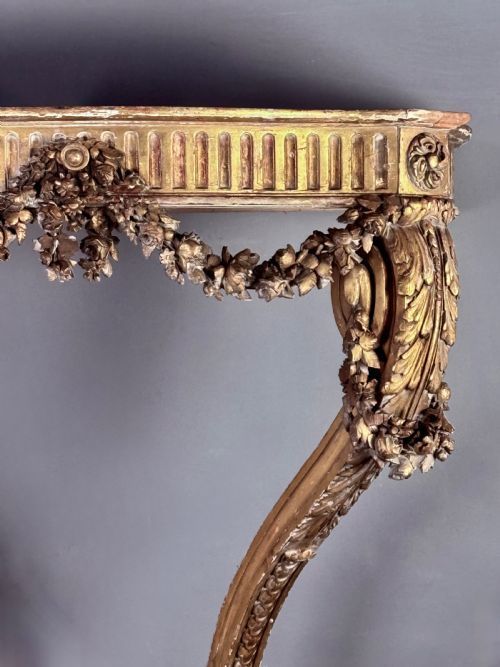
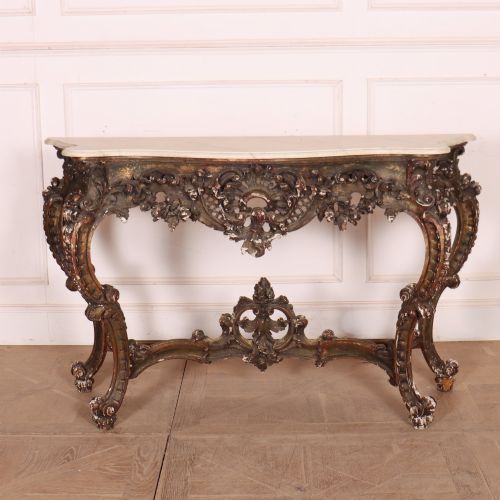
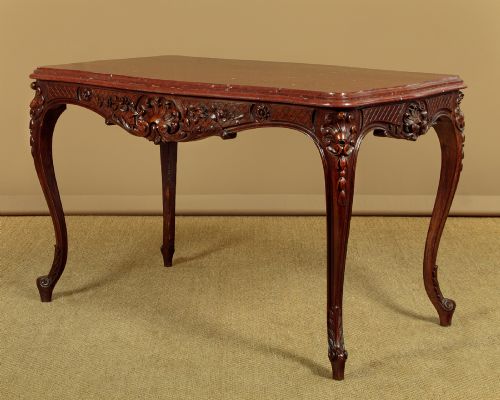
The most common forms appearing in this range are console tables intended to sit against a wall, frequently topped with white Carrara or rouge marble, and freestanding centre tables. Many examples incorporate elaborate surface ornamentation, deep relief carving, and gilded finishes that reflect the grand interior aesthetics of their respective periods.
Materials and construction methods
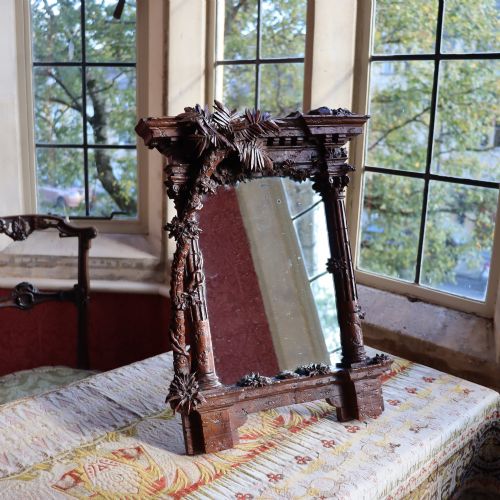
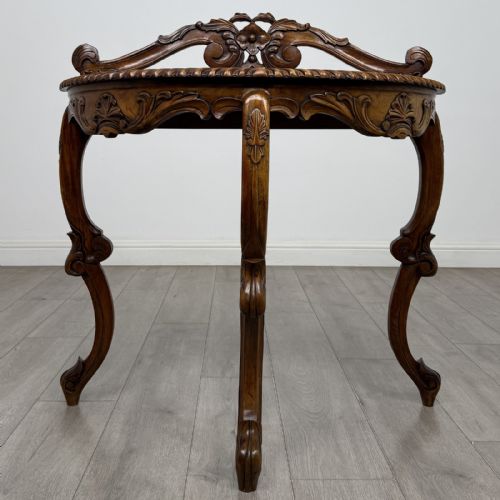
The construction of these pieces relies heavily on solid hardwoods, walnut, oak, and rosewood, which provide the structural integrity necessary for deep hand-carving. Artisans employed traditional joinery alongside intricate relief work, shaping timber into scrolling foliage, figures, and architectural motifs.
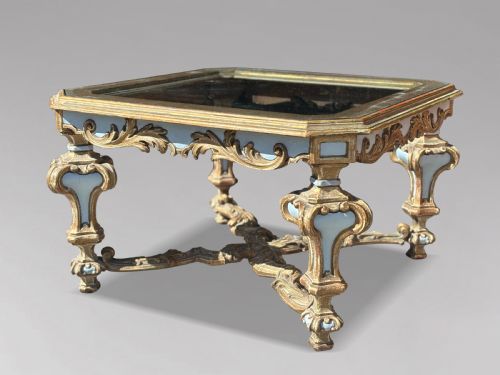
Many surfaces receive applied ornamentation through gesso, gold leaf, or giltwood treatments, while others integrate contrasting stone elements such as marble, onyx, and alabaster tops. Finishes range from natural polished grain to antique white paint and hand-applied silver leaf, depending on the regional style and period.
Ornate Carved Wood Table Retail Price Guide 2026
Typical asking prices for ornate carved wood table among the pieces listed under this phrase on Sellingantiques today, from the lower quarter to the upper quarter. They describe what is for sale here now, not the wider market.
The documented periods span the eighteenth, nineteenth, and twentieth centuries, encompassing Victorian, Baroque, and Rococo revival styles.
Distinctions in craftsmanship and design
Quality in these tables rests on the depth and sharpness of the hand-carving, where crisp, undercut details separate masterwork furniture from simpler machine-milled or mass-produced items. The fluidity of the scrollwork and the symmetry of the relief motifs demonstrate the maker's sculptural skill.
The selection of materials also dictates standing, particularly where dense hardwoods meet high-grade inset marble or genuine gold leaf rather than metallic paint. Integration between the carved wooden base and heavy stone tops reveals the structural foresight invested in the piece.
Felix-Alfred Ternisien·Amleto Bertoni·Waring & Gillows·Harrods
The Ornate Carved Wood Table Glossary
- Console table
- A table designed to be fixed against a wall, frequently supported by two front legs or brackets and topped with marble. These pieces often anchor hallway spaces and mirror arrangements.
- Giltwood
- Timber that has been coated with a thin layer of gold leaf or gold powder over a prepared gesso ground. This technique creates a luminous, reflective surface common on decorative frames and bases.
- Pietra dura
- An artistic technique utilising cut and fitted inlaid coloured stones to create geometric or pictorial designs. It appears frequently on the tabletops of high-status Italian furniture.
- Serpentine front
- A furniture front characterised by a concave-convex-concave sweeping curve. This undulating line adds visual movement and sophistication to tables and cabinets.
Ornate Carved Wood Table: Frequently Asked Questions
Where should I place a console table?
Console tables function best against flat walls in hallways, entrance passages, or beneath large wall mirrors where their decorative bases remain visible.
Because many examples feature heavy marble tops, positioning them securely against a wall ensures stability during daily use.
What is the difference between a console and a centre table?
Console tables are built to stand against walls and often feature flat or unfinished backs designed to rest flush. Centre tables are freestanding pieces finished on all sides to sit in the middle of a room.
Centre tables frequently showcase elaborate carving visible from every angle.
How do I identify an Anglo-Indian table?
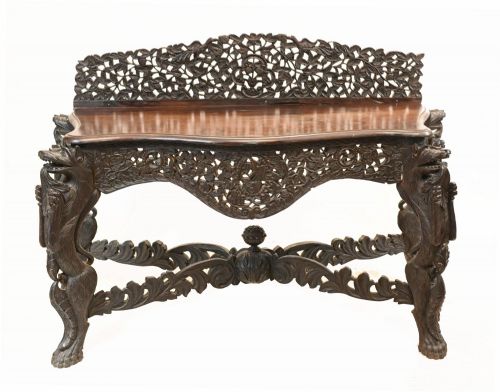
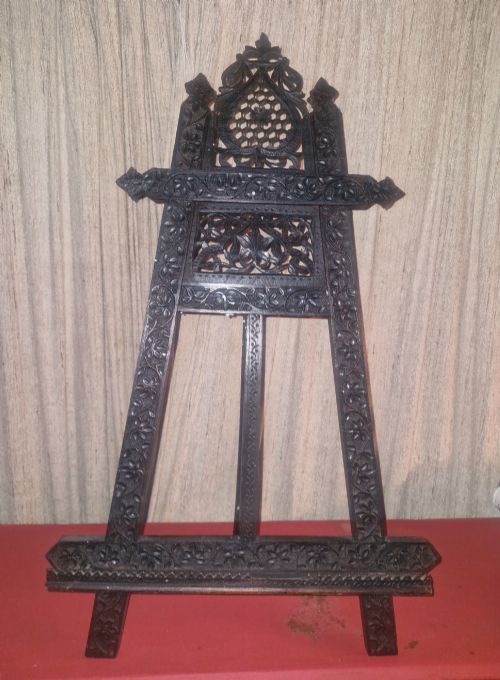
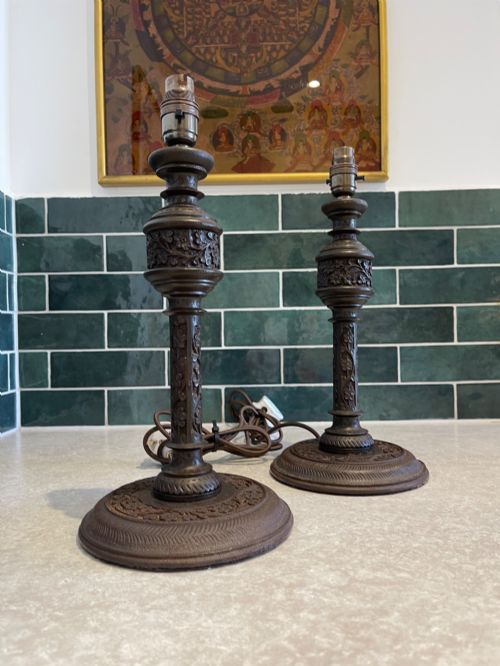
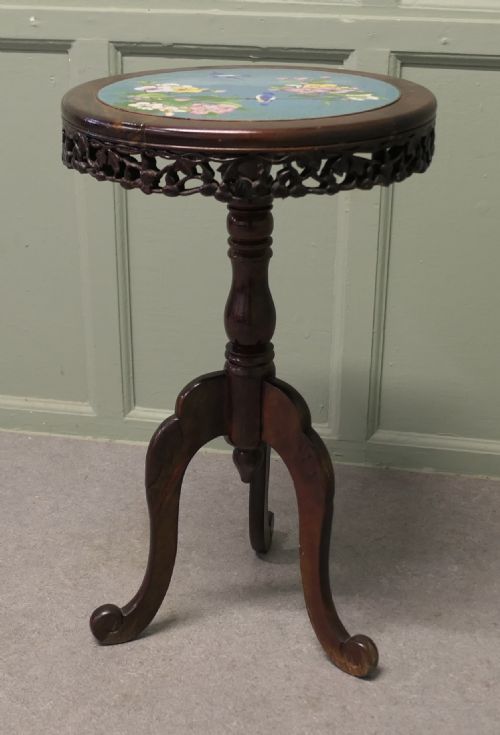
Anglo-Indian tables typically utilise dense regional timbers like padauk or rosewood combined with deeply carved foliage and animal motifs. These pieces reflect British colonial design executed by traditional Indian woodcarvers.
The resulting aesthetic blends European furniture forms with intricate indigenous craftsmanship.