


Ornate Carved Wood Panel
These ornate carved wood panel examples bring centuries of craft into a room, offering rich texture and deep relief work that collectors prize.
Ornate Carved Wood Panel
When you search for an ornate carved wood panel, you are looking at architectural salvage and decorative elements that bring deep relief and tactile presence into an interior. The selection draws from the nineteenth century up to nineteen-twenty, featuring items such as over door carvings, heavy wooden doors, and decorative boards.
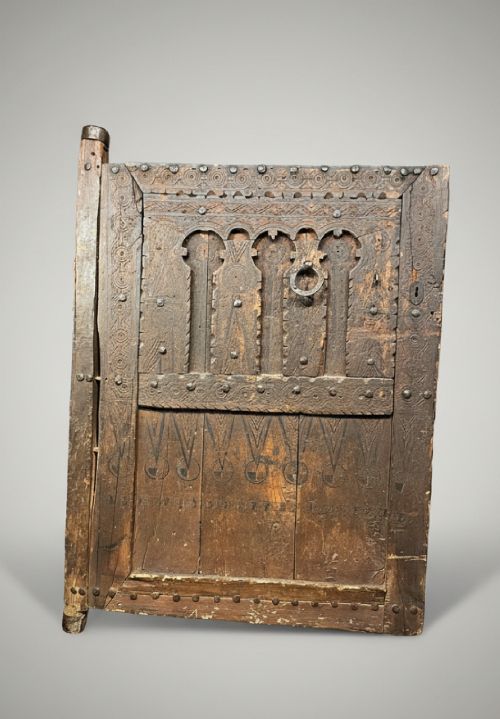
The versions you are most likely to meet on this page lean heavily towards nineteenth-century oak and walnut, alongside specific regional pieces like North African tribal doors and fairground boards. These works showcase varied styles including Renaissance Revival, Baroque, and Black Forest motifs that turn functional joinery into sculptural art.
How they were made
The construction of these pieces relies on solid timber foundations, predominantly oak and walnut, worked by hand with chisels and gouges to achieve high-relief ornamentation. Artisans shaped structural boards and architectural fragments to endure, utilising dense hardwoods that held intricate undercut details without splitting.
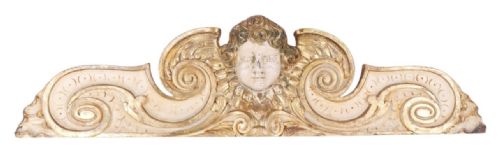
Surface preparation involved skilled carving directly into the timber, sometimes enhanced with gesso and gold leaf to highlight specific focal points like cherubs or scrolling foliage. The combination of dense grain and deep chisel work gives these panels their enduring structural integrity and play of shadow.
Keep an eye out for hidden cherubs peering out from the timber, ready to watch over your hallway.
What varies in quality
The distinction between ordinary joinery and exceptional work lies in the depth of the undercut and the crispness of the chisel marks. Superior pieces demonstrate a confident hand where foliage, figures, and scrollwork project boldly from the background with sharp, clean edges that catch the light.
Material selection and decorative enrichment also set the finer examples apart, particularly where gilding or gesso work complements the natural grain of the oak or walnut. The rhythm of the composition and the proportion of the carving relative to the panel size dictate the visual success of the piece.
The Ornate Carved Wood Panel Glossary
- Architectural salvage
- Building elements rescued from older structures for reuse or display. These items often retain significant historical joinery and decorative carving.
- Gesso
- A plaster-like mixture applied to wood as a base for paint or gold leaf. It provides a smooth surface for detailed surface ornamentation.
- Gold leaf
- Extremely thin gold beaten into sheets used for gilding. It highlights specific carved details and adds luminosity to wooden panels.
- Relief work
- Sculpture technique where elements project from a flat background. High relief creates deep shadows and a strong three-dimensional effect.
- Black Forest
- A nineteenth-century style known for deeply carved naturalistic animal and foliage motifs. Originating in Central Europe, it frequently employs dark woods like walnut.
Ornate Carved Wood Panel: Frequently Asked Questions
Where were ornate carved wood panels originally used?
These panels and boards originally served as architectural elements within domestic interiors, public buildings, and specialised transport. They often functioned as over-door ornaments, structural doors, or decorative partitions.
Over time, many of these architectural elements were salvaged from older buildings and repurposed as standalone decorative wall art or focal points within modern rooms.
How do I hang a heavy wooden panel safely?
Hanging a dense timber panel requires locating solid wall studs or using heavy-duty wall anchors rated for the specific weight of the hardwood. Professional mirror and panel mounting brackets provide the necessary stability.
Because materials like oak and walnut carry considerable weight, ensuring the hanging hardware engages directly with the structural frame of the panel is essential for secure installation.
How should I clean an antique carved panel?
Dusting these pieces regularly with a soft, dry cloth prevents particulate buildup in the deep recesses of the carving. Avoid using harsh chemical polishes or modern liquid cleaners that can strip original finishes or damage gesso and gold leaf.
If the wood appears dry, a light application of microcrystalline wax can help protect the surface without attracting dust or altering the natural patina of the timber.
How do I identify a Renaissance Revival style panel?
Renaissance Revival pieces typically feature symmetrical scrollwork, strapwork, architectural motifs, and figural carvings inspired by sixteenth-century design. The carving is usually deep, formal, and balanced with classical proportions.
This style gained immense popularity during the Victorian era, reinterpreting earlier European aesthetics with heavy oak and walnut timbers to project an air of historical gravitas.