
Ornate Brass Pendant
An ornate brass pendant brings weight and architectural presence to a room, casting warm light through cast metal and glass.
Ornate Brass Pendant
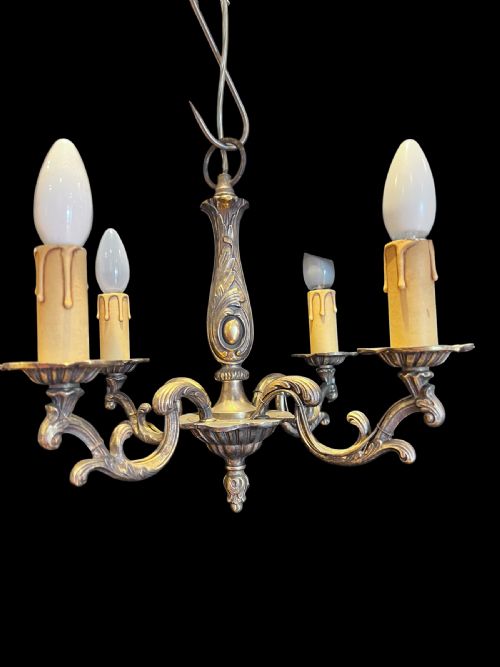
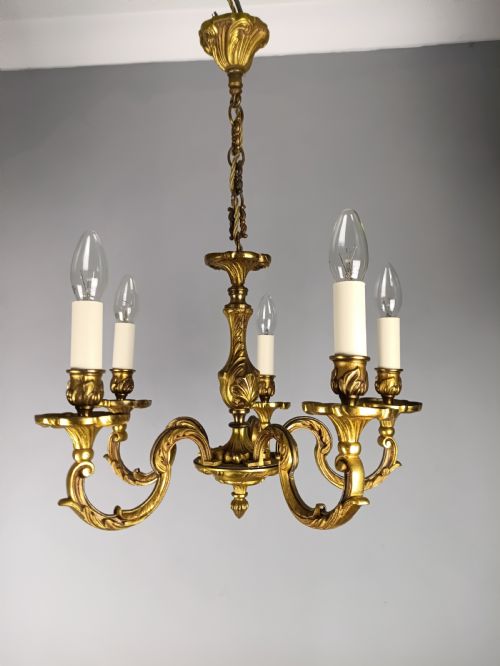
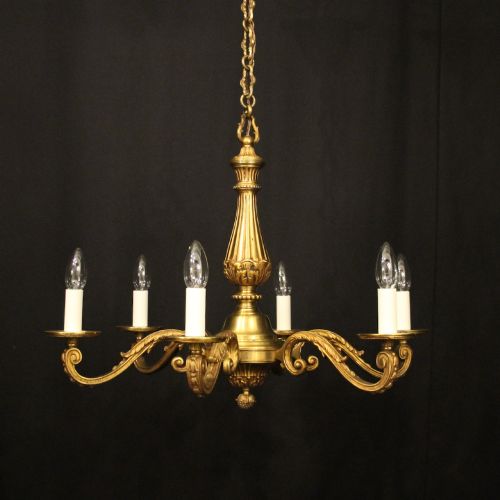
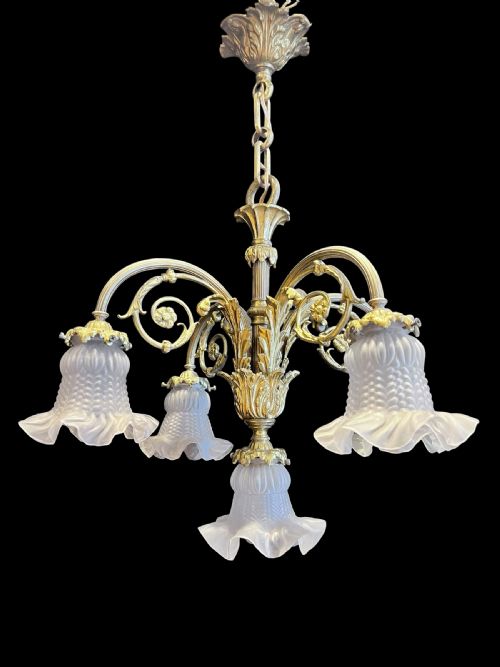
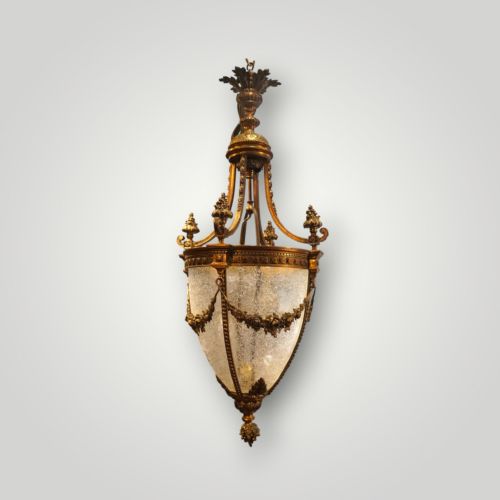
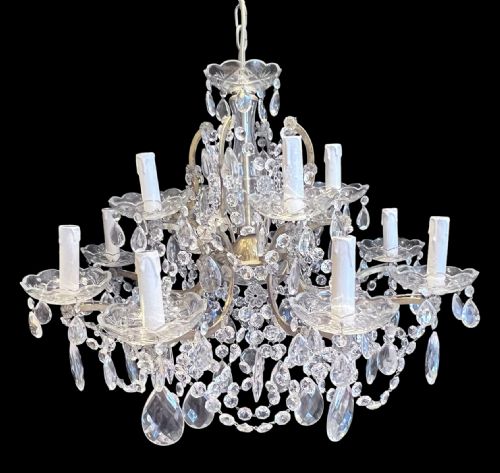
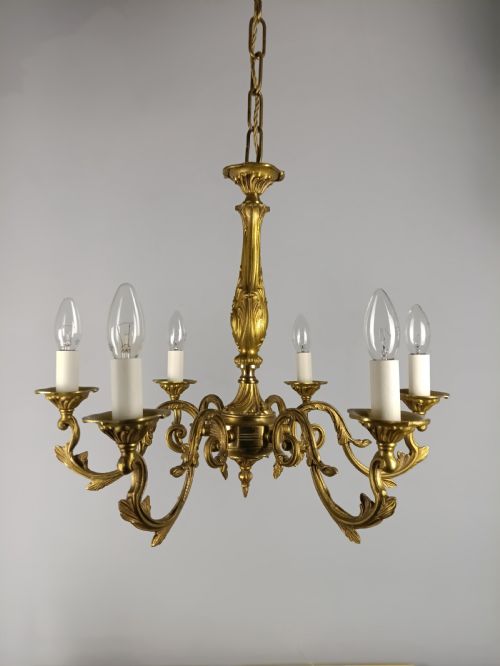
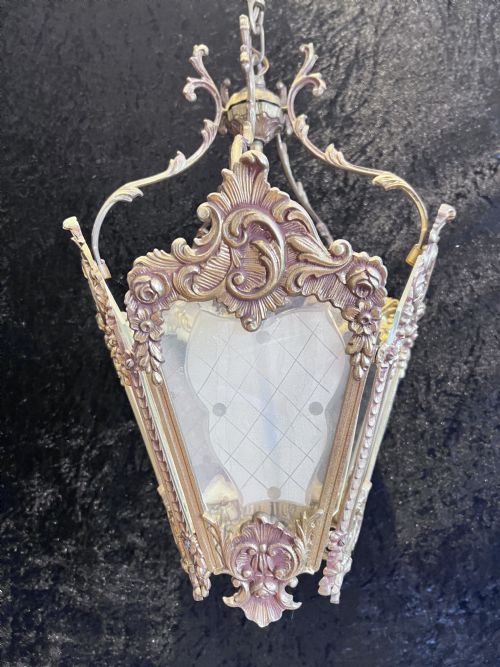
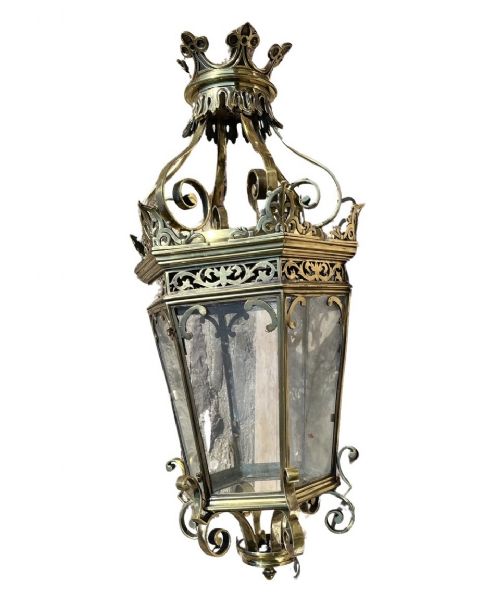
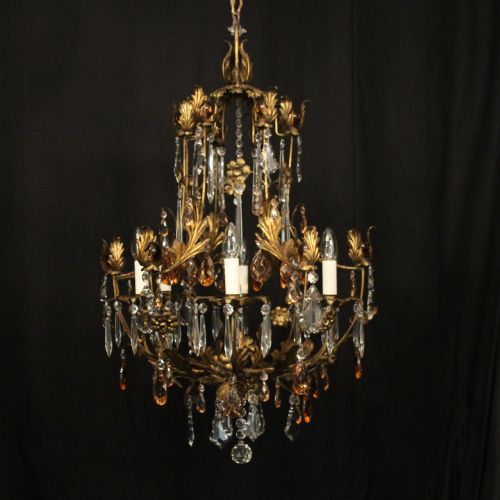
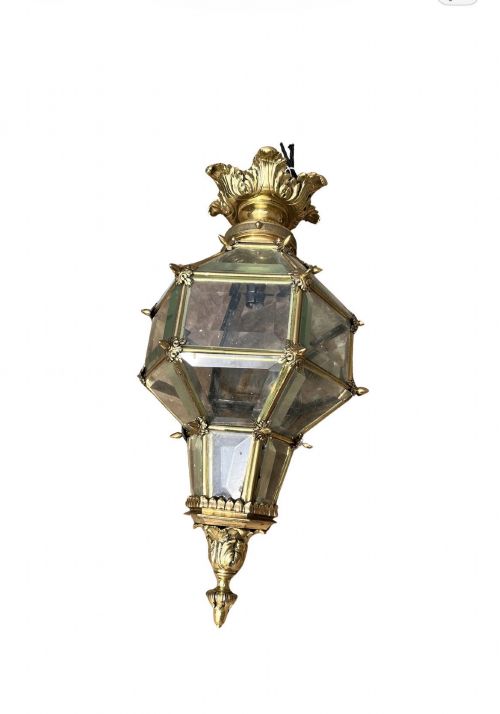
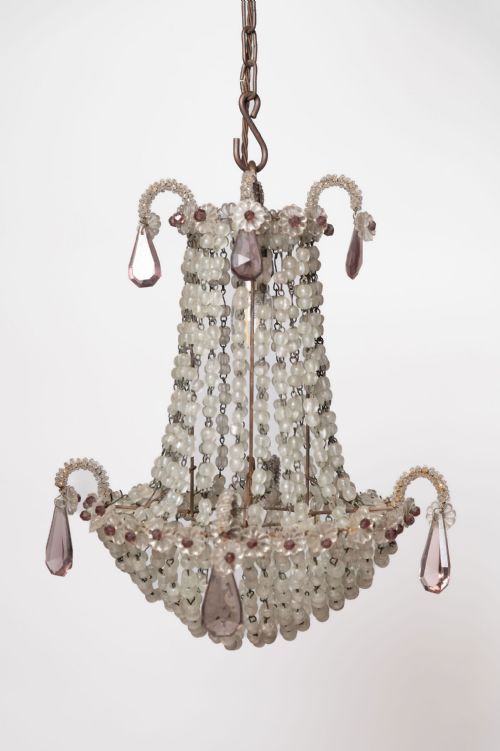
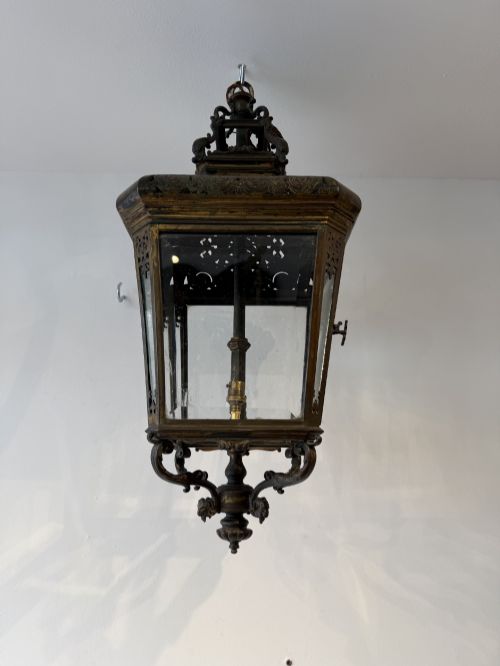
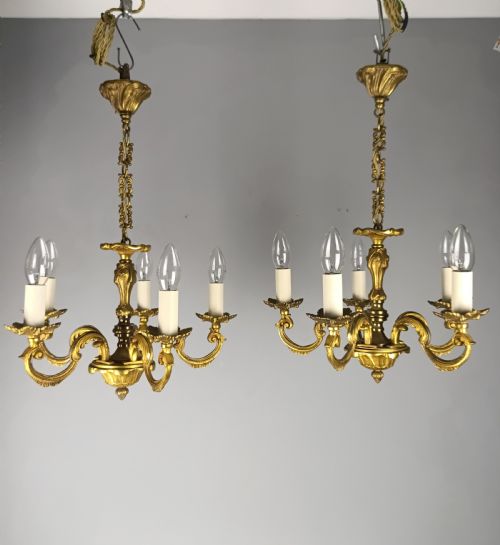
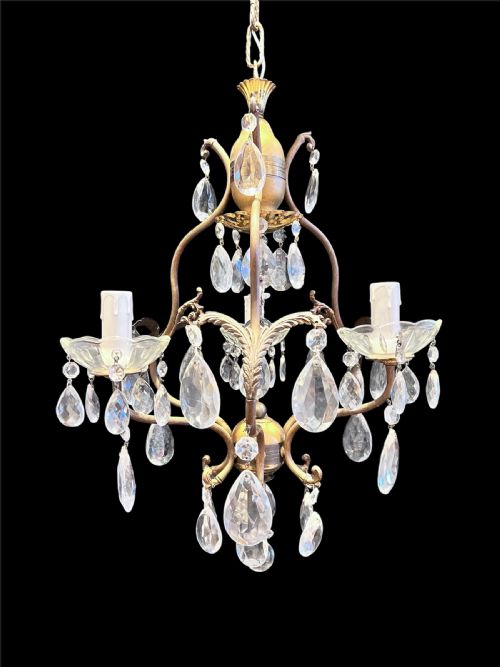
When you search for an ornate brass pendant, you encounter light fittings that range from single-bulb hall lanterns to multi-armed chandeliers spanning several decades of production. The selection draws heavily on French and Italian designs, featuring styles from the Victorian era through to the early twentieth century.
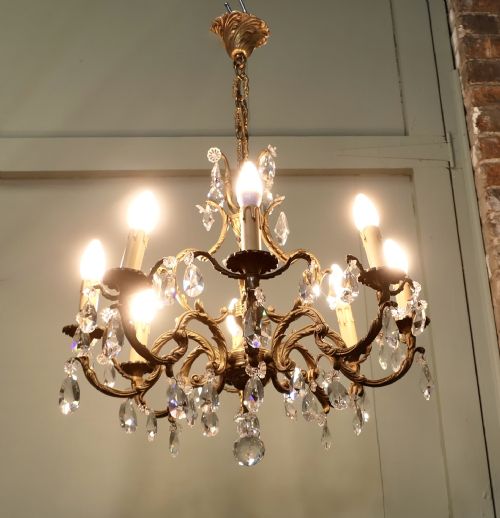
The most common forms on this page include multi-light chandeliers and enclosed hall lanterns in brass, gilt bronze, and ormolu. These pieces often incorporate decorative cast mounts, glass shades, and crystal dressings derived from Rococo, Neoclassical, and Empire traditions.
Originating largely from European workshops active between the late nineteenth century and the 1930s, these fixtures bring period character to both high-ceilinged hallways and principal living spaces.
Construction and materials
Foundry work forms the foundation of these pieces, utilising cast brass, bronze, and gilt metal shaped into intricate arms, frames, and acanthus leaf mounts. Molten metal poured into detailed moulds created the substantial structural frames that support subsequent glass and crystal components.
Surface finishes include fire gilding, applied ormolu, and natural patination on raw brass and bronze. Many examples integrate crystal lustres, drops, and moulded glass shades secured by pinned wire loops or threaded brass fittings.
French Rococo and Empire styles dominate the design vocabulary across the listed ceiling lights and wall brackets.
Distinguishing quality across pieces
The definition in casting work dictates the distinction between standard production and superior examples. Crisp detailing in acanthus leaves, cherubs, and Rococo scrolls separates pieces cast from sharp, well-maintained moulds from softer, worn castings.
Material composition and assembly complexity further divide the range. Heavier bronze frames with integrated crystal lustres, substantial glass panels, and robust internal wiring channels demonstrate a higher grade of manufacture than lighter, pressed-sheet alternatives.
The Ornate Brass Pendant Glossary
- Ormolu
- A metallic technique involving the application of ground gold-mercury amalgam to a bronze object, producing a durable golden surface finish. This treatment appears frequently on nineteenth-century French light fittings.
- Lustre
- A cut glass or crystal pendant hung from a chandelier to refract and multiply the light emitted by the bulbs. These components range from simple teardrops to elaborate spear prisms.
- Hall lantern
- An enclosed ceiling-hung light fixture designed primarily for entrance spaces and corridors, often featuring glazed panels and a hinged access door.
- Acanthus
- A classical architectural ornament derived from Mediterranean plant foliage, used extensively in the cast metal mounts of nineteenth and twentieth-century chandeliers.
- Gilt bronze
- Bronze metal that has been coated with a thin layer of gold leaf or gold paint to simulate solid gold. It provides a rich, warm reflectivity under artificial illumination.
Ornate Brass Pendant: Frequently Asked Questions
How do I hang a heavy brass chandelier?
These substantial metal and crystal fixtures require secure anchoring directly into ceiling joists or structural nogging using appropriate steel fixings.
Weight distribution matters because many pieces exceed standard domestic load limits, meaning a professional electrician should install a rated ceiling hook to support the fixture safely.
Can these antique pendants be rewired?
Most period light fittings accept modern electrical cable to meet current safety standards without altering the visible metalwork or exterior appearance.
Rewiring allows you to integrate contemporary lamp holders while preserving the original brass, bronze, and crystal components of the pendant.
How do I clean crystal lustres safely?
Remove delicate glass and crystal drops individually where possible, washing them in lukewarm water with a mild detergent before drying with a lint-free cloth.
Leaving the metal frame intact while cleaning the suspended elements prevents damage to the surrounding brass structure and wiring.
What is the difference between brass and gilt bronze?
Brass is an alloy of copper and zinc with a naturally bright golden or yellow metallic tone that darkens over time into an aged patina.
Gilt bronze utilises a copper and tin base metal treated with a gold surface layer, offering a deeper, warmer finish that resists standard oxidation.