




Ornate Arch Mirror
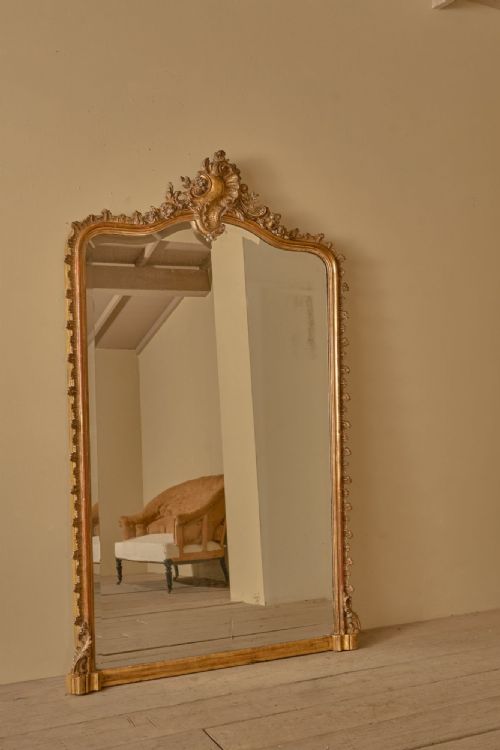
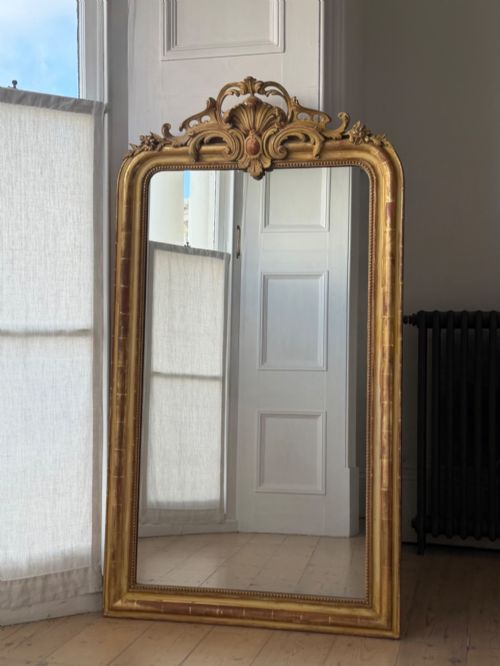
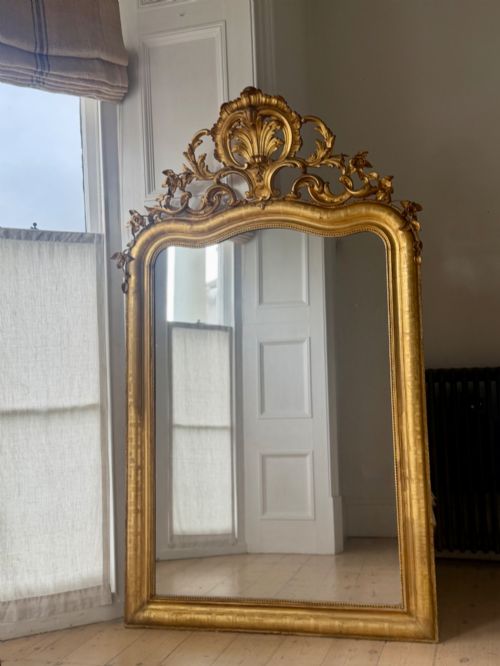
An ornate arch mirror brings height and reflected light to a room, drawing the eye with elaborate crests and gilded framing.
Ornate Arch Mirror
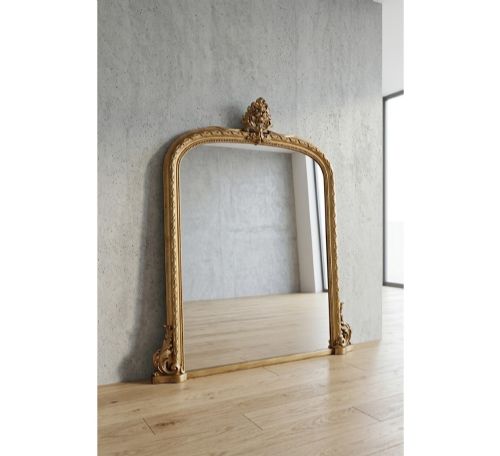
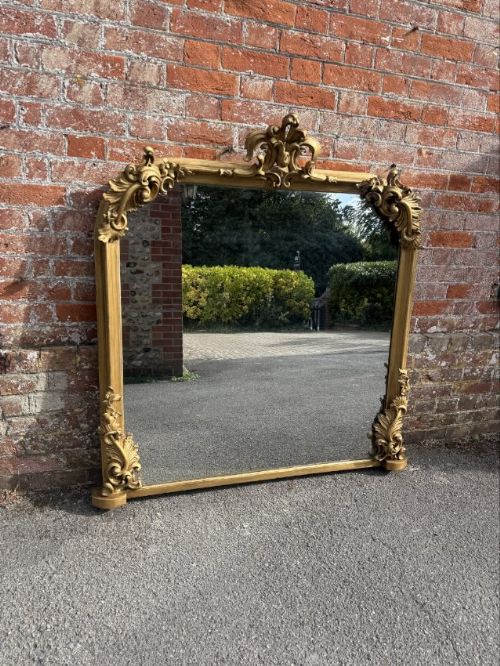
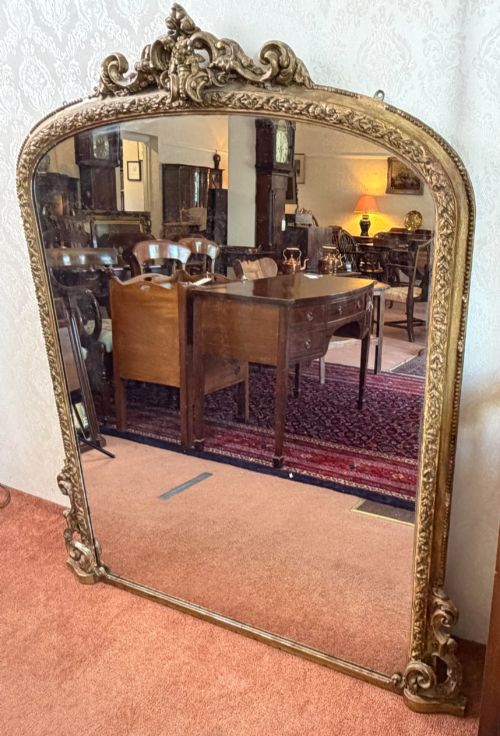
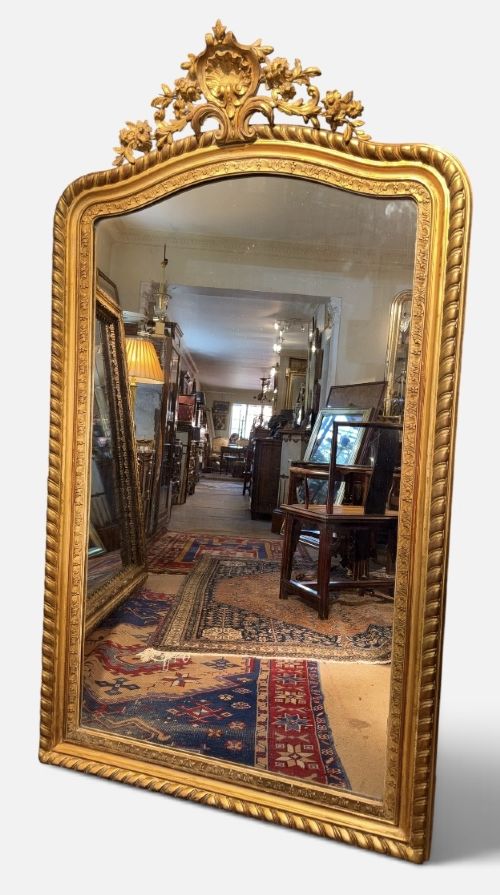
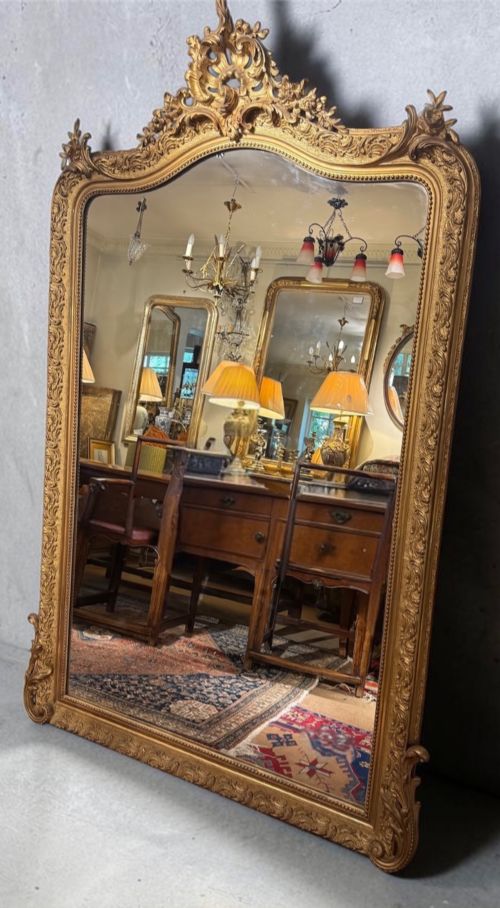
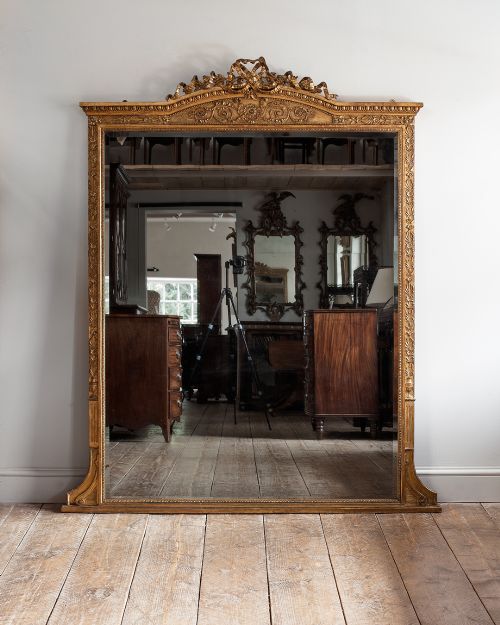
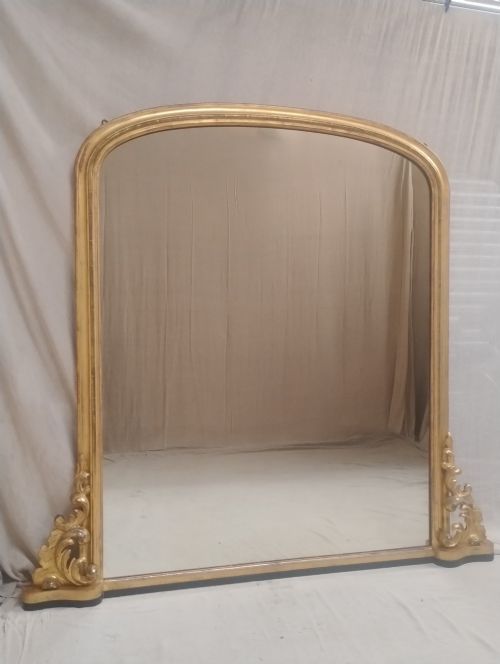
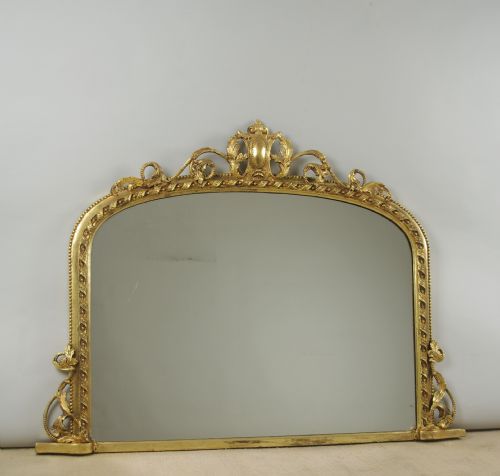
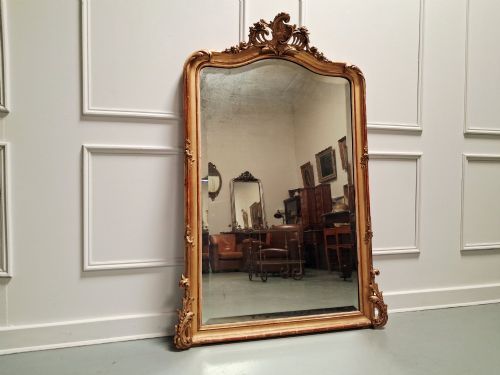
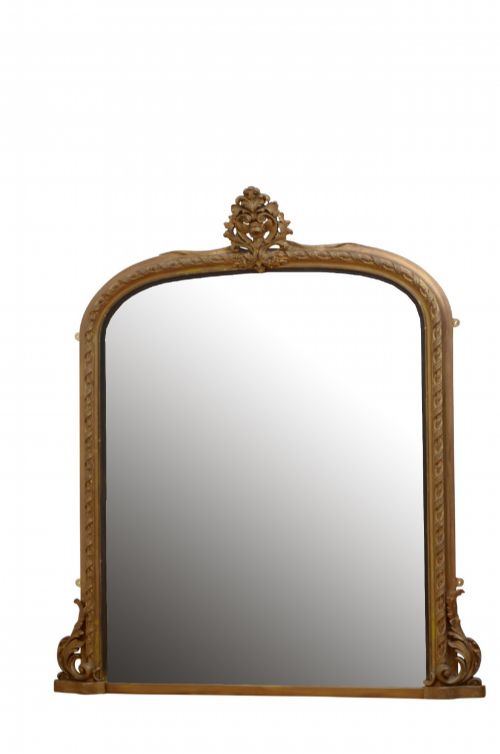
An ornate arch mirror typically takes the form of a large overmantel or wall glass designed to command attention above a fireplace or along a principal wall. Buyers hunting for an ornate arch mirror meet substantial 19th-century examples featuring curved upper frames, elaborate crests, and classical French or Victorian styling.
The selection ranges from French Louis Philippe and Rococo Revival pieces to English gesso and carved wood designs originating between the mid 19th century and the early 20th century. Overmantel mirrors dominate the selection, built wide and tall to sit comfortably upon chimney pieces while casting brightness across domestic interiors.
How they were made
Craftsmen shaped these frames using timber cores of wood, walnut, or oak, overlaid with plaster and gesso to build up deep, sculptural relief work. Artisans then applied gold leaf or gilding directly onto the prepared surfaces, creating the brilliant metallic finishes characteristic of the period.
Glaziers provided the reflective plates, sometimes utilising mercury glass in early French specimens, secured into large arched formats with shaped tops. Carved wooden ornamentation and applied crests were pinned or joined to the main frame structure to complete the grandiose silhouette.
Ornate Arch Mirror Retail Price Guide 2026
Typical asking prices for ornate arch mirror among the pieces listed under this phrase on Sellingantiques today, from the lower quarter to the upper quarter. They describe what is for sale here now, not the wider market.
Many of these grand mirrors spent over a century reflecting the same hearth fire before ever travelling to a new room.
What varies in quality
The distinction between ordinary production and superior craftsmanship rests in the depth and precision of the carved gesso and woodwork. Finer specimens display crisp, undercut foliage and robust framing that securely holds heavy glass plates without sagging.
Quality also shows in the integration of the crest and the richness of the gilding, where genuine gold leaf ages with a softer warmth than applied metallic paints. Weight and structural integrity dictate the durability of these sizeable wall fixtures.
The Ornate Arch Mirror Glossary
- Overmantel mirror
- A large horizontal or arched glass specifically proportioned to hang on the wall directly above a fireplace mantelpiece.
- Gesso
- A plaster-based mixture applied to wooden frame foundations and carved into intricate decorative relief before gilding.
- Louis Philippe
- A mid 19th-century French style characterised by restrained classical curves, gentle arched tops, and understated beaded or leaf moulding.
- Mercury glass
- An early type of silvered mirror glass produced by pouring a mercury amalgam behind the glass plate, yielding a distinctive mottled reflection.
- Pier glass
- A tall mirror traditionally hung on the narrow pier of wall space situated between two windows.
Ornate Arch Mirror: Frequently Asked Questions
Where should I hang an ornate arch mirror?
These large mirrors traditionally anchor the space above a living room fireplace, where their height draws the eye upward and balances the proportions of the hearth.
They also function effectively on principal hallway or dining room walls to bounce natural light deep into the interior space.
How do I support the weight safely?
Due to the substantial combination of wood, gesso, and thick glass plates, these frames require heavy-duty wall fixings anchored directly into structural studs or masonry.
Professional hanging brackets distributed across the upper frame ensure the weight rests securely without straining the structure.
What is mercury glass?
Mercury glass refers to older reflective plates created using a liquid metal amalgam poured between glass layers, producing a characteristic clouded, antique sheen.
This historic manufacturing method gives the reflection a soft, speckled depth distinct from modern chemical silvering.
How do I clean an antique frame?
Dust the intricate gesso and carved wooden details gently using a soft, dry brush to prevent accumulation in the deep recesses of the ornamentation.
Avoid liquid cleaners or abrasive cloths near the gilded surfaces to preserve the original metallic finish over time.