


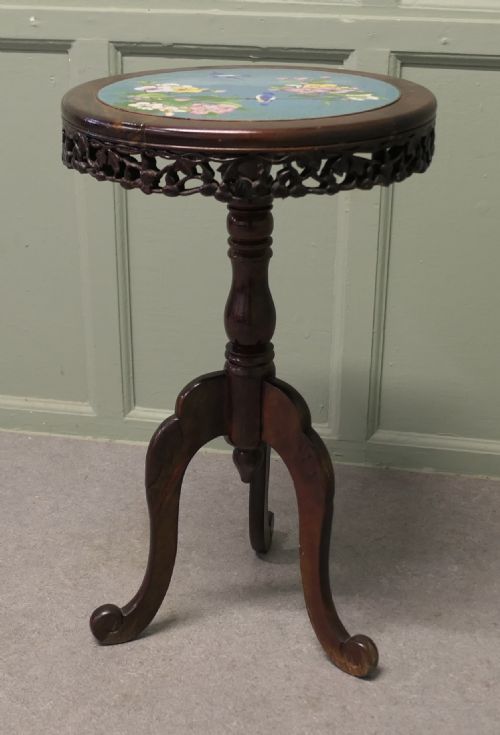
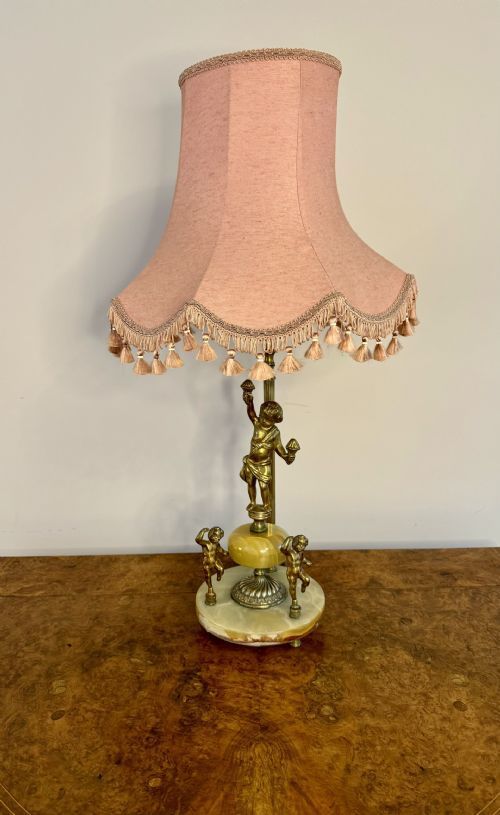
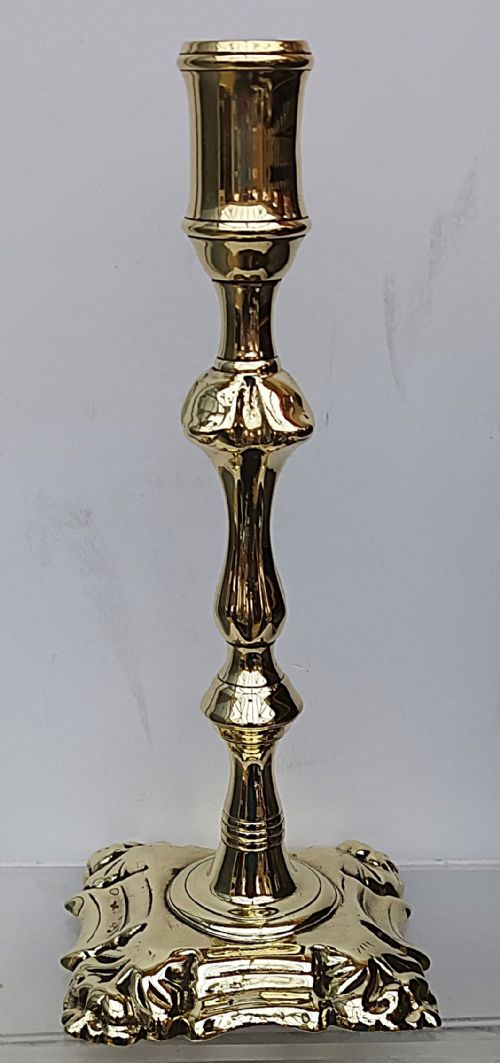


Ornate Accent Table
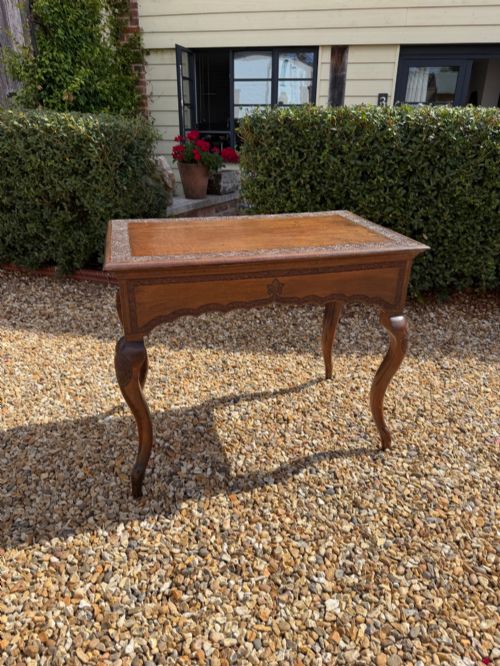
An ornate accent table brings sculptural presence and rich detail to a room, ranging from carved giltwood side tables to intricate Kashmiri walnut surfaces.
Ornate Accent Table
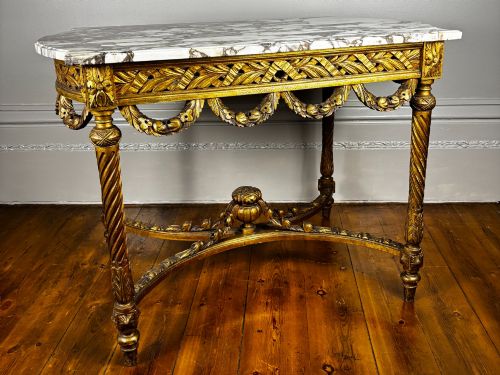
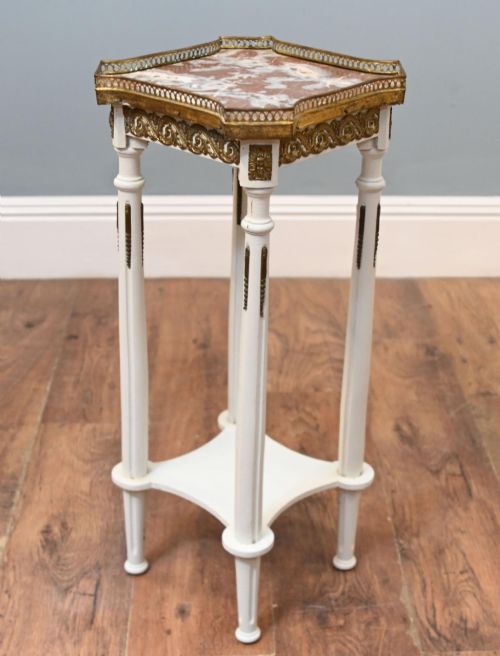
When searching for an ornate accent table, buyers encounter a diverse selection of small furniture and lighting forms from the eighteenth century through the early twentieth century. Side tables, occasional tables, centre tables, console tables, wine tables, and plant stands form the core of the furniture selection.
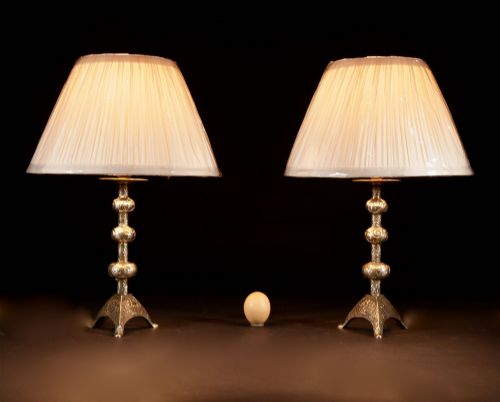
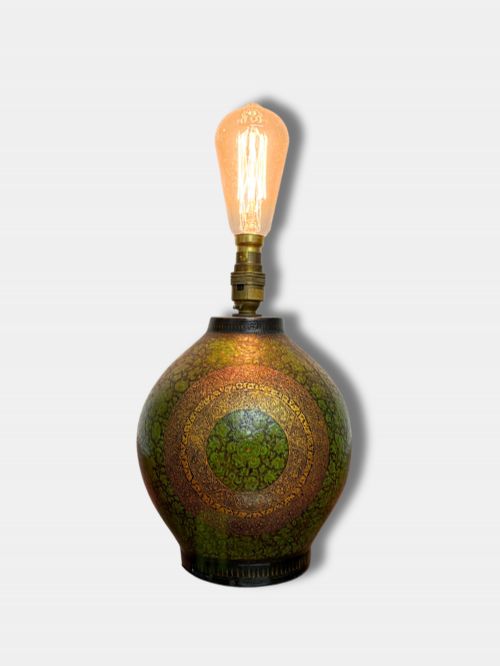
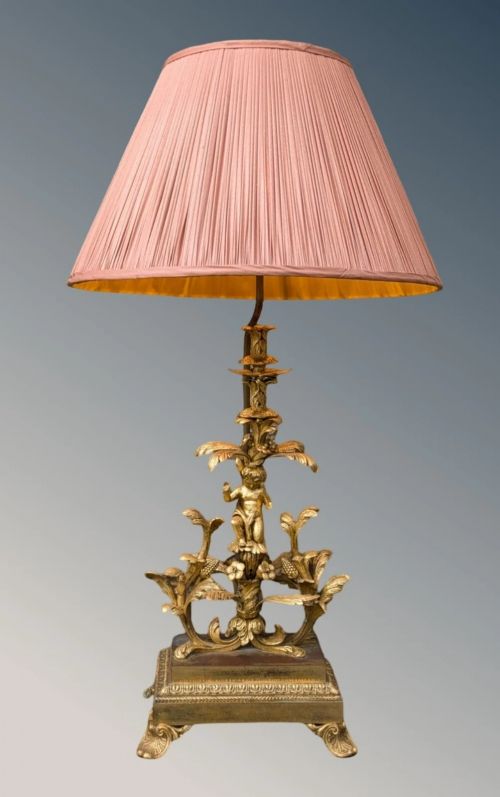
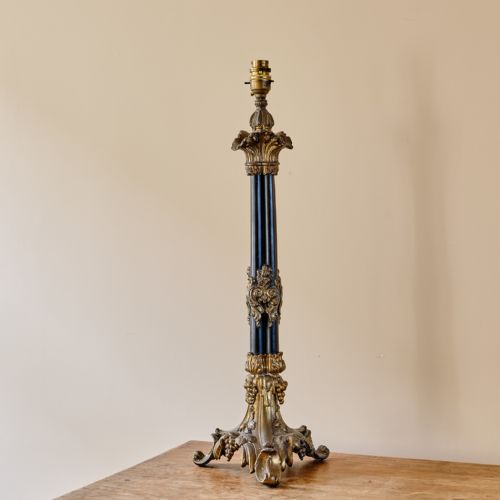
Lighting pieces such as table lamps and candlesticks frequently appear alongside the tables, sharing the same decorative ambition and gilt finishes. Origins span England, France, Italy, Spain, and India, reflecting varied regional interpretations of ornate domestic design.
Materials and construction
Craftsmen utilised timbers such as walnut, mahogany, rosewood, and oak as structural foundations for carving and turning. Giltwood, gesso, and gold leaf were applied to create reflective surfaces, often paired with inset marble tops or onyx components.
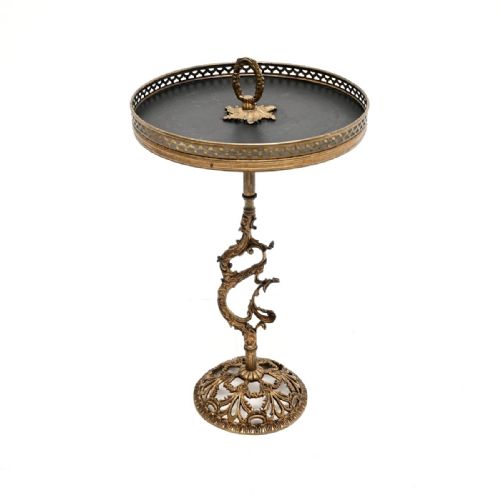
Metalwork played a major role, utilising cast bronze, repoussé brass, and gilded brass for mounts, bases, and lamps. Detailed surface work also included inlaid mother-of-pearl and fine hand-painted polychrome decoration on wood.
Ornate Accent Table Retail Price Guide 2026
Typical asking prices for ornate accent table among the pieces listed under this phrase on Sellingantiques today, from the lower quarter to the upper quarter. They describe what is for sale here now, not the wider market.
Materials documented across the inventory include marble, onyx, gilt bronze, gesso, fabric, and multiple varieties of walnut and rosewood.
Variations in quality
Quality rests in the depth and crispness of the carving, whether in the delicate floral patterns of Kashmiri walnut or the bold foliage of French rococo giltwood frames. Superior examples display integration between structural woodwork and applied metal mounts, stone tops, or intricate painted details.
The finesse of the finishing work distinguishes finer pieces, from the smoothness of marble and onyx fitted precisely into frames to the preservation of original gilding and painted surfaces over time.
The Ornate Accent Table Glossary
- Giltwood
- Wood that has been coated with gold leaf or powder. This finish was widely utilised on decorative tables and lamp bases throughout the eighteenth and nineteenth centuries to catch candlelight and daylight.
- Gueridon
- A small decorative French table, typically supported by a central column or figures. These pieces often feature marble tops and elaborate gilt framing.
- Repoussé
- A metalworking technique where the metal is hammered from the reverse side to form a raised design in relief. This method appears on brass lamp bases and decorative mounts.
- Occasional table
- A small, movable table designed for a specific, transient use in a principal room. They appear in various revival styles across the Victorian and Edwardian periods.
- Cloisonné
- An ancient technique for decorating metalwork objects with coloured material held in place by thin metal strips. It is found on decorative wine tables and lamps.
Ornate Accent Table: Frequently Asked Questions
What defines an ornate accent table?
These pieces are distinguished by decorative carving, gilded surfaces, and materials like marble, onyx, or bronze. They serve both functional roles as small tables or lighting supports and decorative roles as focal points within an interior.
Originating across European and Indian workshops, they reflect historical revivals spanning rococo, neoclassical, and regional decorative traditions from the eighteenth to the early twentieth century.
How were these tables used historically?
Side tables and occasional tables held lamps, decorative objects, or refreshments in formal reception rooms. Console tables stood against walls beneath mirrors, while pedestals and plant stands elevated sculpture or flora.
Smaller wine tables and lamp tables offered mobility, allowing illumination and surface space to be shifted easily around a room as needed.
How do I identify French styles?
French styles like Louis XVI or Rococo Revival are recognised by specific motifs, including scrolling foliage, dolphins, floral garlands, and symmetrical or asymmetrical cartouches. The use of carved giltwood, bronze mounts, and inset marble tops is characteristic.
Craftsmanship often incorporates gesso and gold leaf over carved wooden frames to achieve a rich, reflective surface finish.
How do I care for giltwood and marble?
Giltwood surfaces require gentle dusting with a soft, dry brush to protect the delicate gold leaf and gesso layers from abrasion. Moisture and chemical cleaners should be avoided entirely on antique gilded finishes.
Marble and onyx tops benefit from occasional wiping with a damp cloth followed by immediate drying, protecting the polished stone without harming adjacent wooden or metallic mounts.
What characterises Anglo-Indian tables?
Anglo-Indian tables typically feature dense, intricate hand-carved woodwork executed in walnut or rosewood. Many examples incorporate detailed mother-of-pearl inlay arranged in geometric or floral patterns.
These pieces combine traditional Indian woodworking techniques with British furniture forms popular during the nineteenth century.