




Ornamental Porcelain Urn
These ornamental porcelain urn pieces bring classical elegance and decorative refinement to a room, ranging from Regency pairs to Victorian revivals.
Ornamental Porcelain Urn
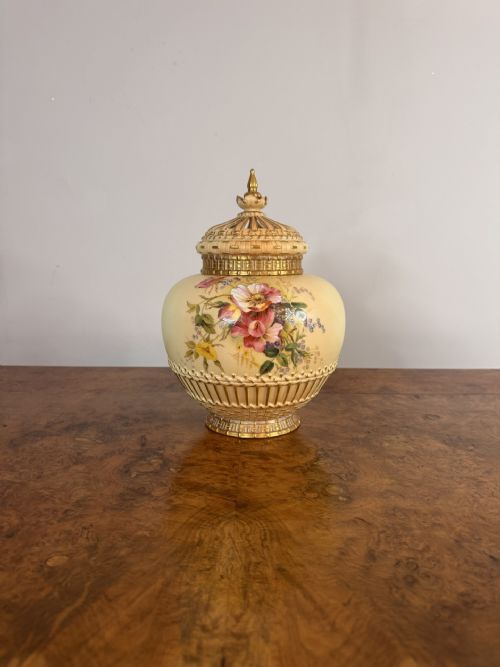
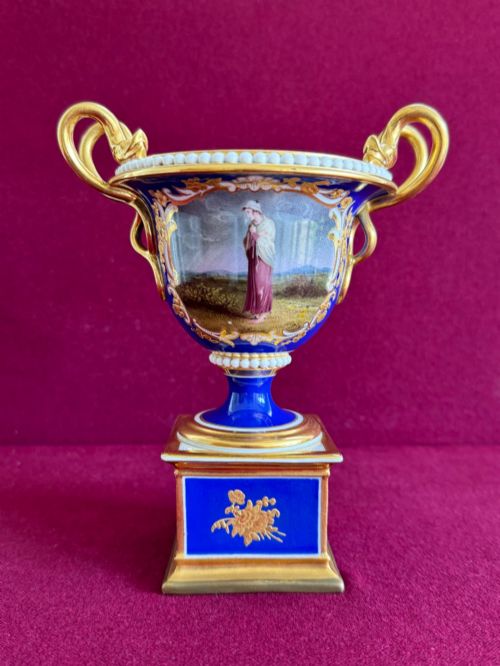
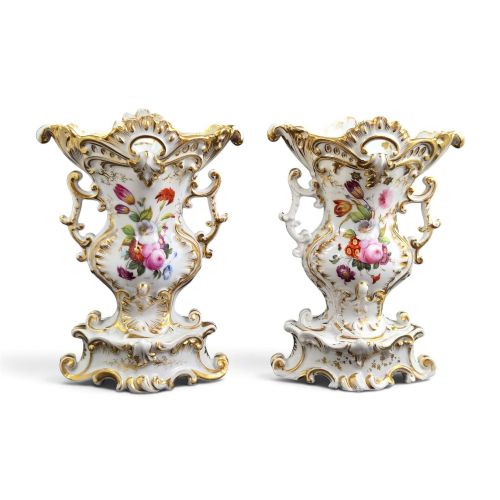
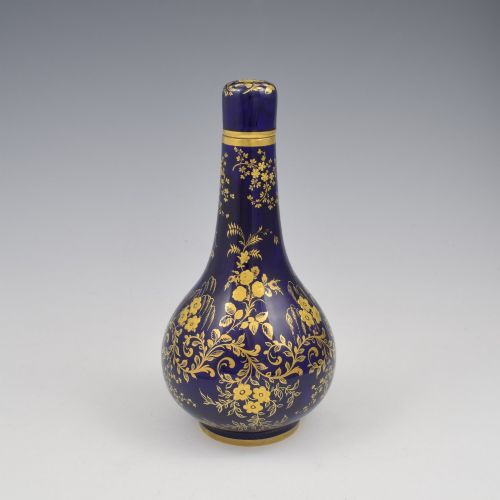
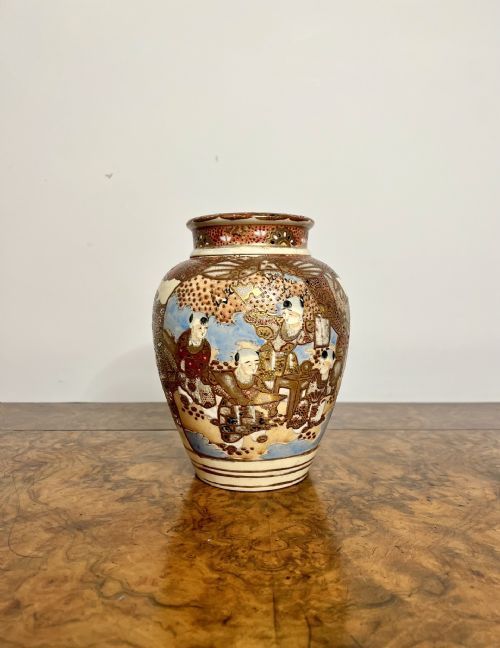
When you search for an ornamental porcelain urn, you encounter vessels designed primarily for display rather than function, often taking the form of vases, decorative ewers, and lidded jars.
The pieces on this page span the nineteenth and early twentieth centuries, including Regency examples, Victorian revivals, and Edwardian creations.
Most items you meet here originate from established British and continental factories, combining ceramic bodies with ornamental mounts.
Materials and methods
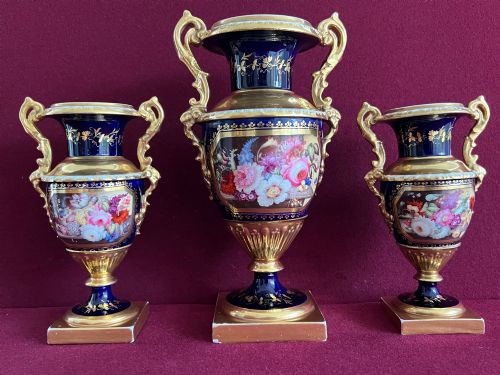
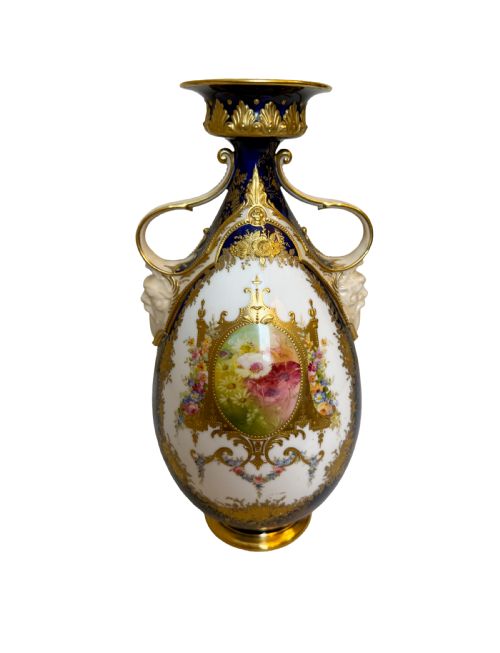
Makers shaped ceramic clay into porcelain bodies, which were then hand-painted with botanical, topographical, or figural subjects.
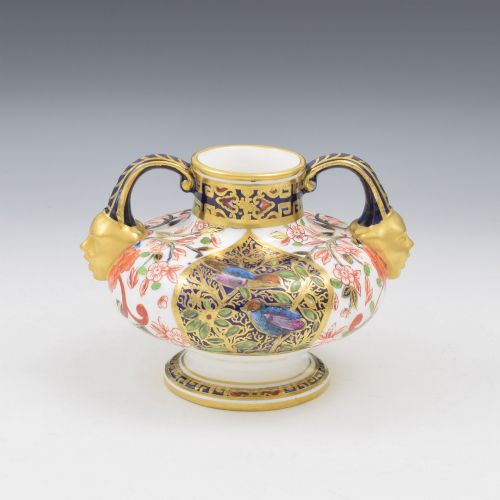
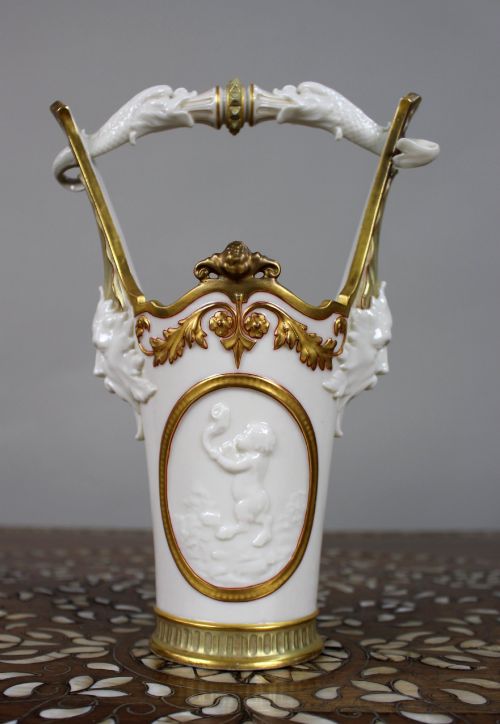
Craftsmen applied gold leaf, gilding, and gilt bronze or ormolu mounts to enhance the decorative presence of the vessels.
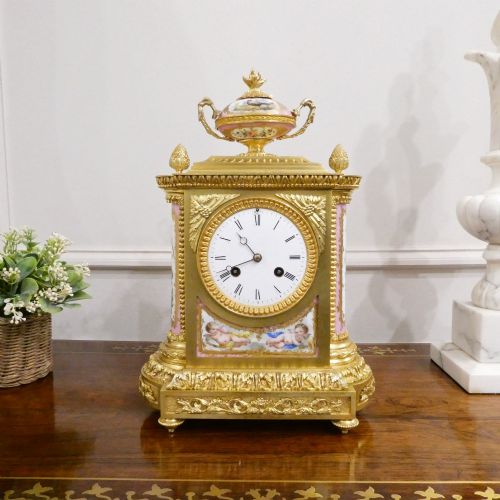
Many items incorporate glass elements and metal fixtures to complete complex table centrepieces, clock sets, and mantel ornaments.
Ornamental Porcelain Urn Retail Price Guide 2026
Typical asking prices for ornamental porcelain urn among the pieces listed under this phrase on Sellingantiques today, from the lower quarter to the upper quarter. They describe what is for sale here now, not the wider market.
The listings on this page include porcelain urns, vases, and ewers spanning the Regency, Victorian, Edwardian, and later periods.
Distinctions in craftsmanship
The standard of a piece rests heavily on the precision of the hand-painted decoration and the finesse of the applied gilding.
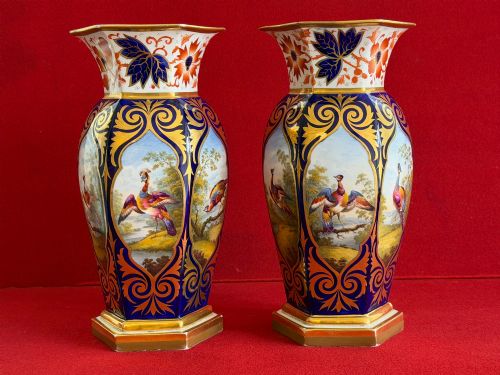
Early nineteenth-century examples often display intricate topographical scenes or hand-rendered birds, whilst later pieces showcase raised gold decoration and elaborate figural painting.
The integration of metalwork mounts, such as ormolu handles and bases, separates standard production items from masterworks.
Flight Barr and Barr·Royal Worcester·Jacob Petit·Royal Crown Derby·Crown Staffordshire
The Ornamental Porcelain Urn Glossary
- Ewer
- A large jug with a wide spout and handled body, frequently produced as a decorative ornamental piece alongside urns.
- Ormolu
- Gilded bronze mounted onto or framing ceramic bodies to provide rich metallic contrast.
- Pot pourri
- A vessel featuring a pierced or perforated cover designed to hold scented dried plant material.
- Gilding
- The application of gold leaf or gold paint to the surface of porcelain or metal mounts.
- Regency
- A stylistic period spanning the early nineteenth century defined by classical restraint and revival motifs.
Ornamental Porcelain Urn: Frequently Asked Questions
What is an ornamental porcelain urn?
An ornamental porcelain urn is a decorative vessel made from fired ceramic, often featuring hand-painted scenes, gilding, and metal mounts.
These objects were designed for display on mantelpieces, pedestals, and tables in period interiors.
How do I style these urns at home?
Place them symmetrically on mantelpieces, sideboards, or console tables where their painted details and gilt mounts catch the light.
Keep them away from direct sunlight and high-traffic edges to protect fragile handles and delicate surface gilding.
How can I tell the period of an urn?
Examine the painting style, paste body, and factory marks on the underside of the ceramic base.
Regency pieces often display classical topographical painting, while later Victorian and Edwardian examples lean towards denser floral patterns and raised goldwork.
Were these urns used for ashes?
Most pieces listed under this type served purely decorative purposes as mantel ornaments, vases, or centrepieces.
Their lids and covers were designed for aesthetic symmetry rather than container sealing.