



Ormolu Fire Guard
An ormolu fire guard brings bright warmth and sculptural French style to a hearth.
Ormolu Fire Guard
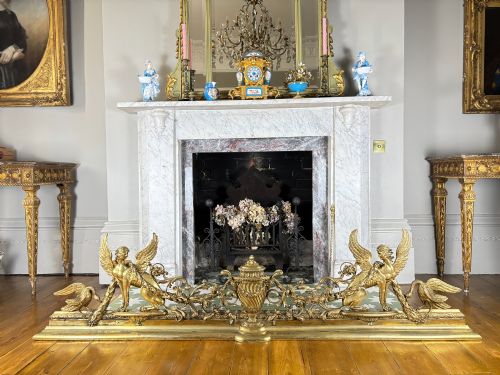
An ormolu fire guard is a decorative screen or protective surround placed before a fireplace to catch stray sparks while framing the hearth. When you search for an ormolu fire guard, you are looking at substantial metalwork designed to sit in front of an active or decorative fire.
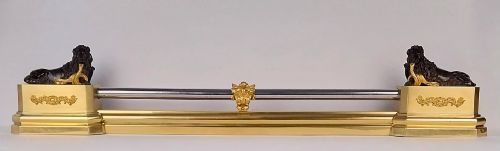
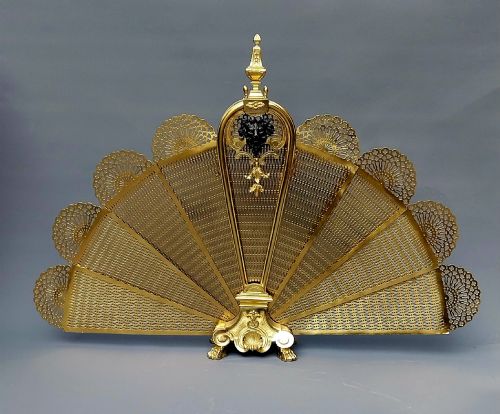
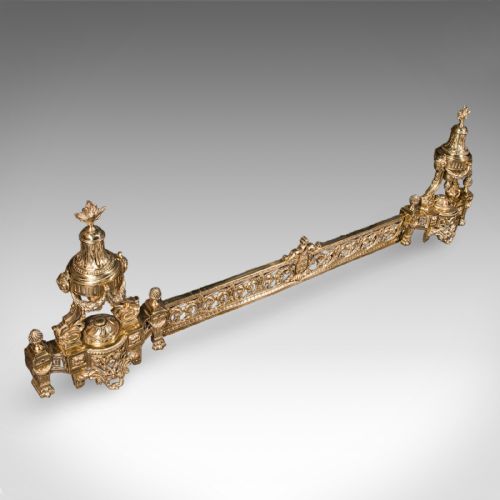
The pieces on this page are predominantly French in origin, spanning the nineteenth century from the eighteen-hundreds up to nineteen-ten. They appear as standing fire screens, hearth fenders, and paired chenets designed to work together around the fireplace.
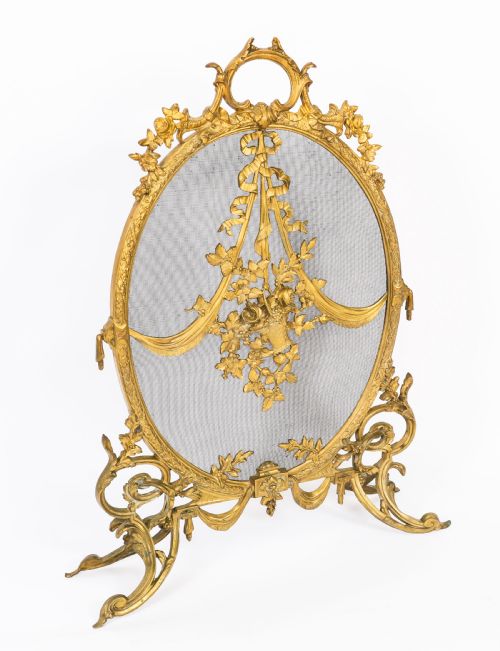
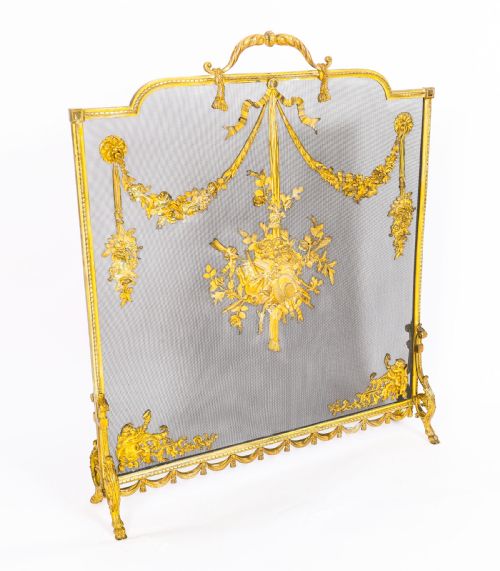
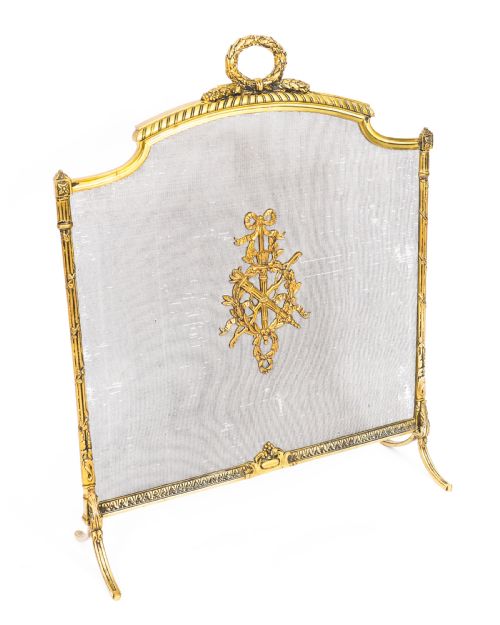
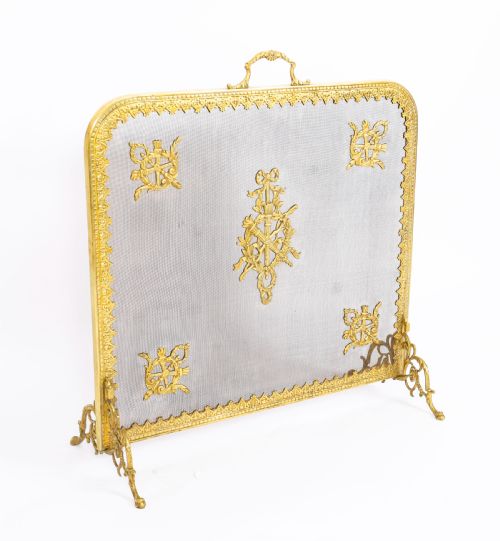
Most examples lean heavily into ornate decorative movements such as French Rococo Revival, Louis XV, and French Empire Revival styles. You will frequently encounter intricate cast frames decorated with floral trophies, musical motifs, and classical torches.
What varies in quality
The distinction between standard items and the finest work lies in the crispness of the casting and the depth of the chased detail on the bronze. Superior pieces retain rich, even gilding across every scroll and handle without smoothing in the recessed corners.
Design complexity also separates the ranges, with exceptional examples incorporating complex figurative trophies, classical motifs, and paired chenets rather than simple repetitive frames. The weight of the metal and the solidity of the mesh panels further indicate superior workshop output.
Ormolu Fire Guard Retail Price Guide 2026
Typical asking prices for ormolu fire guard among the pieces listed under this phrase on Sellingantiques today, from the lower quarter to the upper quarter. They describe what is for sale here now, not the wider market.
Materials recorded across the inventory include gilt bronze, polished steel, brass, ormolu, and wire mesh.
Bouhon Frères
The Ormolu Fire Guard Glossary
- Ormolu
- Gilt bronze produced by applying a finely ground gold-mercury amalgam to a bronze object and heating it. This technique creates a durable golden surface seen on many nineteenth-century French hearth accessories.
- Chenet
- A pair of firedogs or ornamental metal supports placed at the front of a hearth. They often coordinate stylistically with matching fire screens and fenders.
- Fender
- A low metal guard placed around the hearth floor to contain logs and ashes. Some nineteenth-century examples feature adjustable lengths to fit various fireplace dimensions.
- Rococo Revival
- A nineteenth-century design movement mimicking the asymmetrical scrolls, naturalistic shell motifs, and curving lines of the eighteenth-century French style. It dominates the decorative language of many screens on this page.
- Fire Screen
- A standing decorative panel placed in front of a fireplace opening when the fire is unlit. They frequently incorporate fine wire mesh to protect the room from sparks while allowing heat to pass.
Ormolu Fire Guard: Frequently Asked Questions
What is an ormolu fire guard?
An ormolu fire guard is a decorative metal hearth accessory designed during the nineteenth century, primarily in France. These pieces combine cast gilt bronze frames with mesh panels or fenders to protect rooms from sparks.
They serve as prominent focal points for a fireplace, showcasing ornate styles like French Rococo and Empire Revival.
How do I use a fire screen?
Fire screens are positioned directly in front of the fireplace opening to block stray embers when a fire burns low or to dress an empty hearth during warmer months. The mesh panels allow radiant heat to enter the room while stopping sparks.
Freestanding frames can be easily moved to tend the fire or clean the hearth area.
Are these pieces strictly decorative?
While highly ornate, these items were built for functional hearth use from durable materials like cast iron, steel, and heavy bronze. Many include sturdy wire mesh designed specifically to handle the demands of a working fireplace.
Their robust construction allows them to perform practical protective duties while maintaining their decorative appearance.
How do I date a nineteenth-century screen?
Dating relies on stylistic markers such as the presence of specific revival movements, including Louis XV or Empire Revival, alongside manufacturing traits like cast steel mesh and mercury gilding. Nineteenth-century pieces often reflect the historicism popular during the eighteen-fifties through the early nineteen-hundreds.
Maker signatures and foundry marks, when present, provide precise attribution to workshops of the era.