
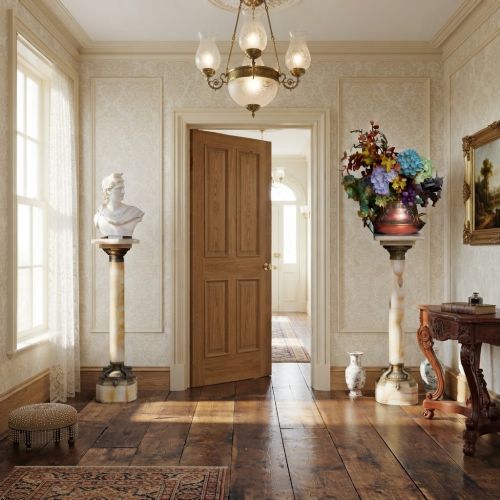
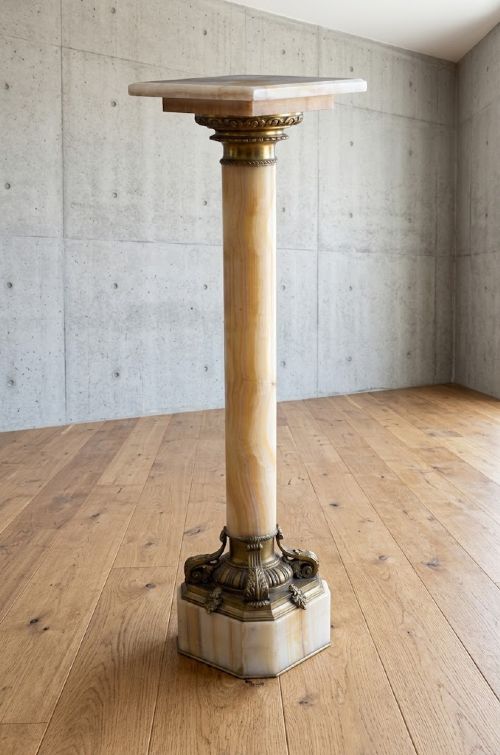
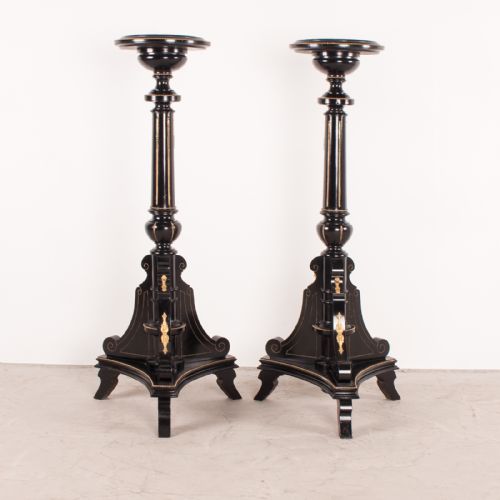

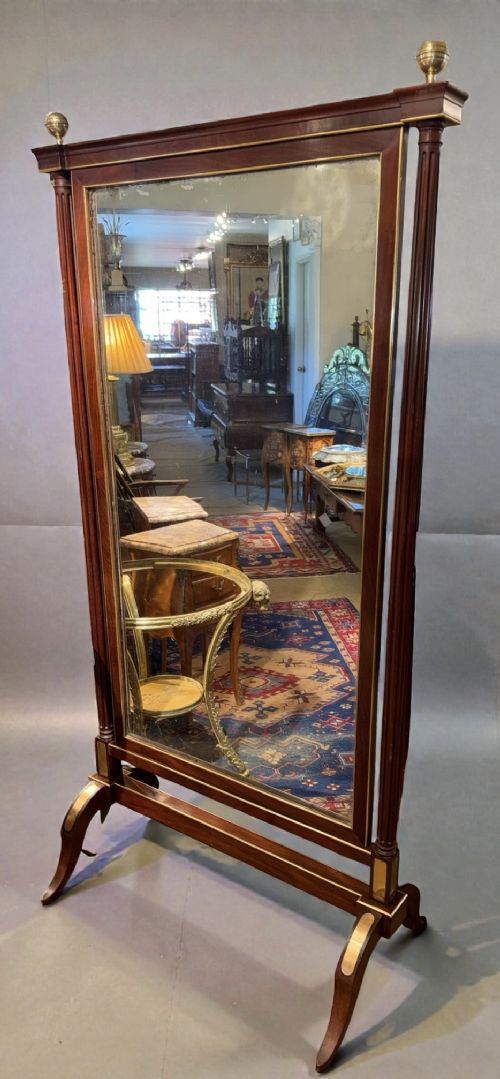
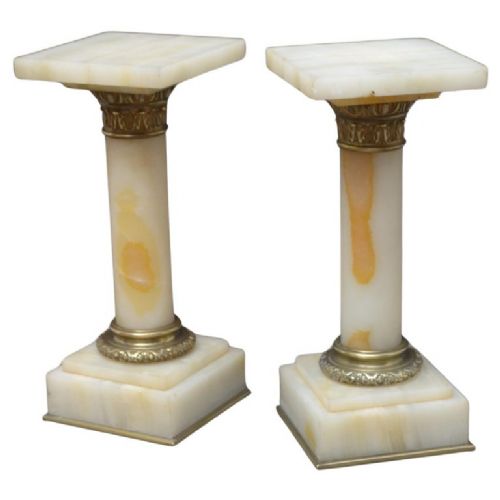


Ormolu Column Stand
An ormolu column stand raises a bust, urn or lamp with the classical presence of bronze mounts and stone shafts.
Ormolu Column Stand
An ormolu column stand draws the eye through its combination of gilded bronze mounts and a substantial vertical shaft. When you search for an ormolu column stand, you encounter pieces designed to elevate decorative objects within a room.
The selections on this page typically manifest as pedestals, torcheres and plinths spanning the eighteenth, nineteenth and early twentieth centuries. These forms reflect neoclassical taste, French empire designs and Victorian revivals.
Most examples pair a turned marble or onyx column with cast ormolu collars, bases and capitals. Occasional variations introduce kingwood, mahogany or satinwood alongside the stone components.
Materials and construction methods
Maker construction relies on heavy stone shafts of marble or onyx turned on a lathe to achieve smooth cylindrical or fluted profiles. These stone bodies provide the necessary weight to support heavy ornaments placed on top.
Mounts utilise ormolu, which is gilded bronze formed through mercury gilding or electroplating depending on the production period. Artisans chase and finish these metal collars and capitals by hand to create crisp leaf, bead or guilloche patterns.
Wooden elements incorporate timbers such as mahogany, kingwood, walnut and satinwood, often enhanced with parquetry or vernis martin varnish. Structural integrity depends on internal iron or wooden rods securing the heavy stone sections together.
Some nineteenth-century stands feature rotating marble tops designed so visitors could admire every angle of a displayed bust without walking around it.
Distinctions in craftsmanship and design
Quality separates through the sharpness and depth of the ormolu chasing on the metal mounts. Superior examples display crisply defined leaves and figures that retain their original warm gilding rather than appearing flat or brassy.
The choice and figuring of the marble or onyx shaft dictate refinement, with uniform veining and flawless turning representing the better tier. Secondary timbers and marquetry inlay on related stands show similar degrees of joinery precision.
François Linke
The Ormolu Column Stand Glossary
- Ormolu
- Gilded bronze used for decorative mounts on furniture and stands. The technique involves applying gold to a bronze base.
- Torchere
- A tall stand or candlestick designed to hold a light or display an ornament. These pieces often feature slender columns.
- Neoclassical
- A style drawing inspiration from classical antiquity, prominent in eighteenth and nineteenth-century design. It favours symmetry, columns and restrained ornamentation.
- Capital
- The uppermost member of a column, situated above the shaft. It often carries detailed ormolu acanthus leaf carving.
- Plinth
- The heavy base supporting a column or pedestal. It provides stability and visual weight to the composition.
Ormolu Column Stand: Frequently Asked Questions
What were ormolu column stands used for?
These stands functioned as display furniture in grand interiors, elevating bronze busts, porcelain urns or heavy lamps to eye level. They placed decorative arts on prominent display within drawing rooms and entrance halls.
Their substantial stone and metal construction provided a stable platform that could bear significant weight without tipping. This made them both ornamental centerpieces and practical furniture for formal spaces.
How do I date an ormolu column stand?
Dating relies on examining the style of the ormolu mounts, the turning of the marble or onyx, and the construction methods used internally. Neoclassical and French Empire pieces often date to the nineteenth century, while simpler Edwardian versions appear around nineteen hundred.
Changes in metal casting techniques and wood framing also help distinguish earlier eighteenth-century examples from later nineteenth-century revivals. Subtle shifts in decorative motifs reflect the prevailing taste of each specific decade.
How do I care for marble and ormolu?
Maintenance requires gentle dusting with a soft, dry cloth to prevent abrasive particles from scratching the stone or metal surfaces. Avoid harsh chemical cleaners that can strip the delicate gilding from the bronze mounts or etch the marble.
Waxing wooden bases periodically preserves the timber, while stone shafts benefit from occasional wiping with a damp cloth followed by thorough drying. Keeping these pieces away from direct heat sources prevents timber movement and protects the adhesives securing the mounts.
Where should I place a column stand?
Placing a column stand in a corner or against a flat wall allows the vertical form to draw the eye upward without obstructing walkways. They suit reception rooms, libraries or hallways where they can frame a doorway or highlight a specific artefact.
Ensure the floor beneath is level to maintain stability, given the heavy weight of the marble and bronze components. Position them away from heavy foot traffic to protect the projecting ormolu mounts from accidental knocks.