


Ormolu Cherub Lamps
These ormolu cherub lamps combine cast gilt metal and figurative sculpture to bring nineteenth-century French warmth into a room.
Ormolu Cherub Lamps
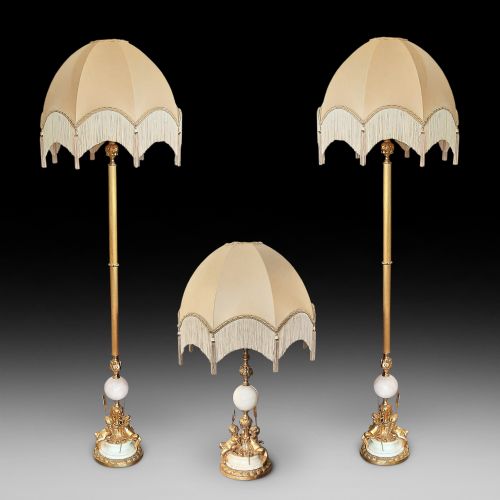
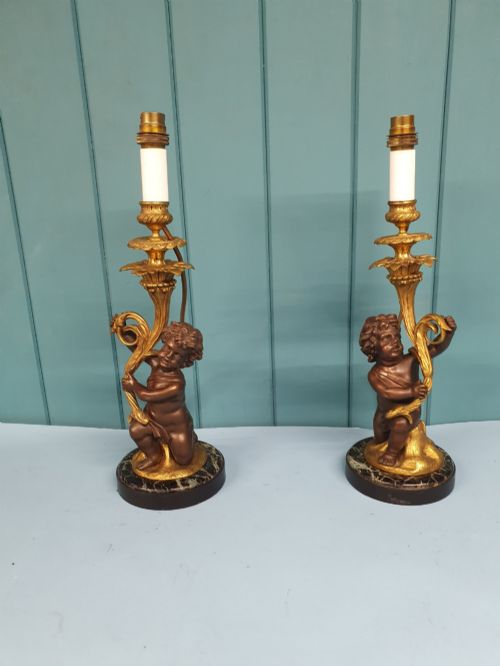
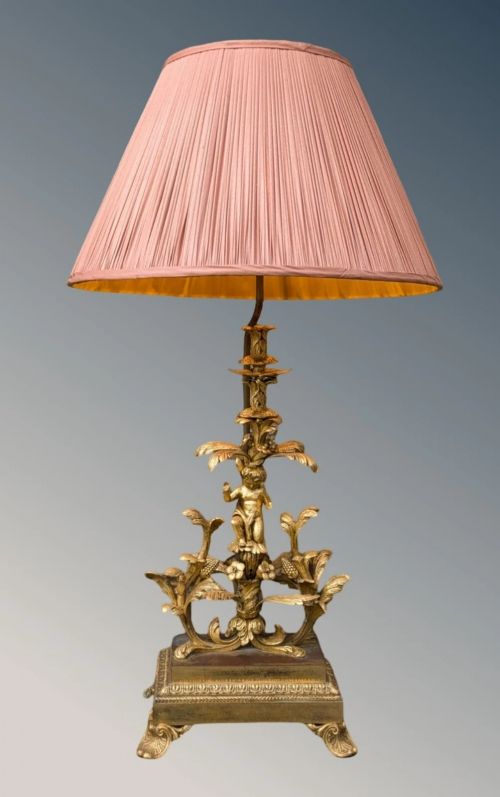
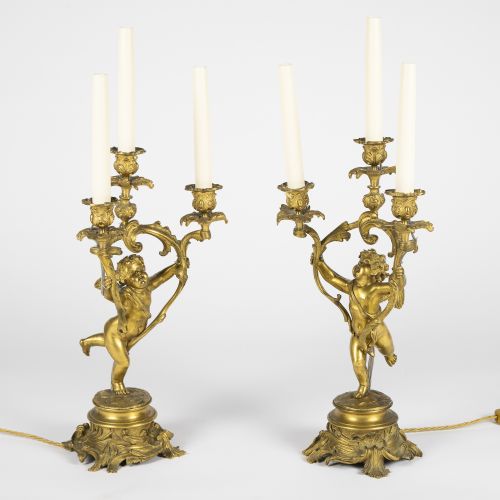
When you search for ormolu cherub lamps, you are looking at figural lighting pieces that predominantly take the form of table lamps from the nineteenth century. These items pair gilt bronze or ormolu mounts with sculptural putti or cherubs, often drawing upon French Rococo Revival and Louis XVI styles. The versions you are most likely to meet on this page include nineteenth-century pairs and single table lamp bases cast in gilt bronze and patinated bronze.
The objects frequently incorporate decorative elements beyond the metalwork itself, drawing on materials like Sevres porcelain, marble, and onyx. While table lamps form the vast majority of the selections, occasional ceiling lights and candelabra adaptations appear in the record. The manufacturing origin traces consistently to French workshops and the broader Victorian period.
Makers and designers focused heavily on decorative presence, producing monumental lamps alongside smaller decorative pieces for domestic interiors. The aesthetic ranges from exuberant Rococo scrolls to the structured symmetry of the Louis XVI style. Every piece reflects nineteenth-century casting methods adapted for period illumination.
Distinctions in quality and execution
The refinement of the chasing work on the cherubs separates standard production from superior examples. Crisp detailing in the hair, wings, and facial expressions indicates a higher grade of craftsmanship by the original bronze founder. Subtleties in the application and preservation of the fire gilt or ormolu finish dictate the overall visual depth.
The integration of secondary materials like variegated marble bases or hand-painted Sevres porcelain elevates the standing of an individual piece. Weight, solidity of construction, and the harmony between the figurative bronze casting and the supporting vase or column define the upper tier of the range.
Every cherub wears a different expression, proving that nineteenth-century foundry workers enjoyed giving distinct personalities to their cast bronze infants.
The Ormolu Cherub Lamps Glossary
- Ormolu
- A technique of applying finely ground high-carat gold to a bronze object using mercury. The resulting finish gives a warm, golden sheen that resists tarnishing over decades.
- Putto
- A plump, naked male child figure frequently found in classical art and Renaissance revivals. In these listings, they appear as cherubs supporting or adorning the lamp structures.
- Patinated bronze
- Bronze that has been chemically treated to achieve a dark brown, green, or black surface colour. This contrasts with the bright, reflective quality of the gilt ormolu sections.
- Sevres
- A famous French porcelain manufactory known for soft-paste porcelain and rich decorative glazes. Pieces incorporating these panels display distinctive blue celeste or painted floral motifs.
- Rococo Revival
- A nineteenth-century design movement mimicking the asymmetrical scrolls, C-curves, and naturalistic motifs of the eighteenth-century French court. It forms the stylistic basis for many cherub lamp bases.
Ormolu Cherub Lamps: Frequently Asked Questions
Were these always electric lamps?
Most pieces from the nineteenth century began life as oil lamps, candelabra, or decorative vases before being converted to electricity later in their history. The conversion process often utilised the existing central channels designed for oil burners or candle sockets.
This adaptation means few retain their original operational mechanisms from the eighteen-seventies or eighteen-eighties. The conversion allows these decorative sculptures to function as practical domestic lighting today.
How do I clean ormolu safely?
Dust the metal surfaces gently with a soft, dry microfibre cloth to remove everyday particles without abrasion. Avoid commercial metal cleaners, harsh chemicals, or abrasive cloths, which can strip the delicate gold gilt finish from the bronze.
If deeper cleaning is necessary, consult a professional conservator who specialises in gilt metalwork. Moisture should be kept away from fabric components, marble joints, and older wiring during any maintenance.
Can I find matching pairs easily?
Matching pairs appear regularly in the archive and current selections, particularly among nineteenth-century French table lamps. Sourcing a verified pair requires examining the casting details, base dimensions, and patination to confirm they were produced together.
Single lamps also feature prominently for use on side tables or desks where symmetry is not required. Pairs command significant interest from collectors seeking balanced mantelpiece or sideboard displays.
What is the difference between ormolu and gilt bronze?
Ormolu specifically refers to historical mercury gilding where an amalgam of gold and mercury is applied to bronze and heated until the mercury vaporises. Gilt bronze is a broader term that can encompass modern electroplating as well as traditional fire gilding techniques.
In marketplace terminology, the two terms are frequently used interchangeably to describe golden metal mounts. True antique pieces from the nineteenth century generally employ the traditional fire gilding method.